
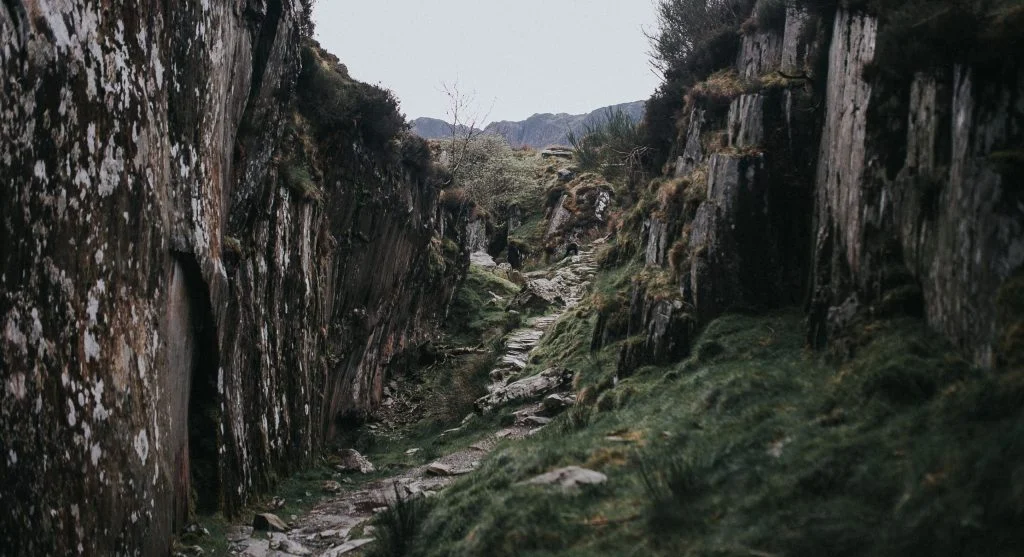
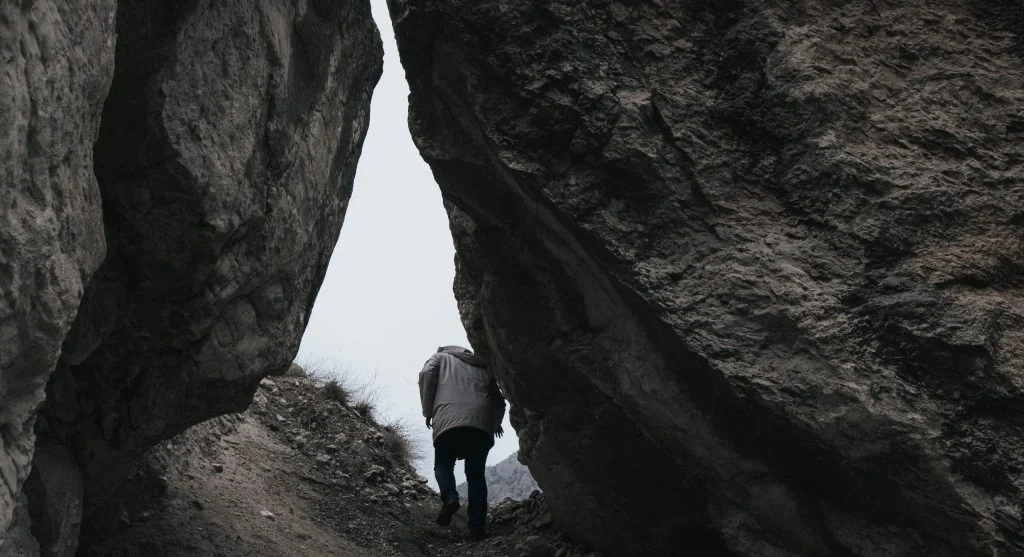
Some trail changes are obvious as soon as they appear. A steep climb, muddy section, or rocky drop usually gets attention right away. Narrowing trails are different. The route may shrink only a little at a time, and many hikers do not notice the full change until their movement already feels different. Pace slows slightly, steps become more careful, and attention shifts toward footing and edges before the reason feels completely clear.
Outdoor educators often explain that trail awareness skills are strongest when hikers notice small environmental changes before those changes start shaping the whole route. Movement specialists also note that a trail getting narrower often affects comfort through rhythm first and recognition second. That is why many hikers only realize what happened after their pace has already started to change.
Why Hikers Often Miss That a Trail Is Getting Narrower
One reason hikers miss this change is that narrowing usually happens gradually. The path may begin wide enough to feel easy, then slowly lose space because of brush, rocks, slope edges, or trees. Since the change arrives in small pieces, the body often adjusts without creating one dramatic moment that demands full attention.
Outdoor instructors often explain that hikers usually look ahead for major trail features rather than measuring width step by step. That makes sense on most routes. The problem is that a narrowing trail may never announce itself with one strong visual signal. Instead, it becomes noticeable through how the body starts moving.
How Hiking Pace Changes Reveal Narrowing Trails First
One of the first clues is usually a quiet change in pace. Steps become slightly shorter, the tread feels less open, and the body stops moving with the same easy rhythm it had a few minutes earlier. A trail getting narrower often changes speed before the hiker consciously thinks about width at all.
Movement educators often note that this happens because space affects confidence. Even a moderate trail can feel less smooth when there is less room for natural stride, side-to-side adjustment, or relaxed arm movement. The hiker often feels that loss of freedom before clearly identifying it.
Why Narrower Tread Changes Footing Even on Easy Ground
Narrow trail footing often becomes more noticeable because the most stable line through the trail gets smaller. Hikers may need to place their feet more precisely, avoid brushing soft edges, or stay more centered than before. Even if the ground itself remains fairly simple, the reduced space can make each step feel more controlled and less automatic.
Trail safety specialists often explain that this is one reason narrowing can matter on otherwise moderate routes. The path does not need to become rocky or steep to feel different. It only needs to reduce how much room the body has for comfortable error.
How Edges and Side Growth Make the Trail Feel Smaller
A trail does not always narrow because the main tread disappears. Sometimes the usable width shrinks because grass, brush, roots, rocks, or angled edges begin pressing into the walking line. The trail may still technically exist at the same size, but it no longer feels equally usable from side to side.
Outdoor guides often explain that hikers respond to effective width, not only visible width. If one edge feels soft, sloped, or crowded by growth, the real walking lane becomes smaller even if the trail still looks passable.
Why Narrow Trails Use More Attention Than Hikers Expect
Narrow trails often require more concentration because the body has to stay centered more consistently. On wider tread, hikers usually have more freedom to drift, correct, or adjust without thinking much about it. On a narrower route, each small shift matters more. That extra attention can make the trail feel more tiring before distance or elevation becomes a major factor.
Outdoor psychologists often note that effort is not only physical. A route that requires steadier focus often feels longer because the mind never fully relaxes into the same rhythm it would find on a wider, more forgiving path.
How Narrowing Affects Group Hiking and Passing
Trail narrowing often becomes more obvious when other hikers are nearby. A route that still feels manageable alone may suddenly feel much tighter once passing space matters. Hikers may slow earlier, step aside more carefully, or wait for a better place to let others through. These changes often reveal how much the trail had already narrowed before anyone said it out loud.
Outdoor etiquette educators often explain that width matters socially as well as physically. A smaller walking line changes how easily people can share the route, which often makes the narrowing feel more real and immediate.
Why Side Slopes Make a Narrow Trail Feel Even Smaller
If the trail is narrowing while also leaning slightly sideways, the effect often becomes much stronger. A path with less room and less level ground can quickly feel more demanding than its appearance first suggests. Hikers may stay closer to the uphill side, slow down slightly, or feel one leg doing more balance work than before.
Movement specialists often explain that width and angle work together. A narrow flat trail may feel manageable. A narrow side-tilting trail often feels much more controlling because it reduces both space and balance margin at the same time.
How Hikers Can Notice the Change Sooner
Several clues often appear before the narrowing becomes obvious. Arms may feel less free, stride may shorten slightly, the body may stay more centered than usual, or thoughts about footing may begin showing up more often. Hikers may also notice that they are avoiding trail edges more carefully than they were a few minutes earlier.
Outdoor instructors often recommend paying attention to what changed in movement, not just what changed in appearance. If the body is already walking as though the trail is smaller, it often is smaller in the ways that matter most.
Why Early Awareness Helps the Whole Trail Feel Easier
Once hikers realize the trail is getting narrower, small adjustments usually help right away. A calmer pace, slightly shorter stride, and earlier attention to upcoming tread changes can restore smoother movement. The route may still be narrow, but it stops feeling mysteriously awkward because the body and mind are now responding to the same information.
Outdoor educators often explain that the best awareness skills usually make a trail feel more logical. Narrowing tread is a good example. The hiker often feels better not because the trail widened again, but because the reason for the pace change finally became clear enough to work with.
Why Narrowing Trails Matter Even When They Never Feel Dangerous
Many narrowing trails are not truly hazardous. They are simply more demanding than wider sections were. That difference still matters. A path does not need to feel unsafe to start shaping pace, comfort, and attention in meaningful ways. Hikers often understand the full route better once they realize that width is part of trail difficulty too, not just steepness and roughness.
Outdoor coaches often explain that this is one of the quieter parts of hiking awareness. Some trails become harder because they get steeper. Others become harder because they get smaller. Both changes deserve attention, even when they happen gradually instead of all at once.
Frequently Asked Questions
Q: Why do hikers notice a narrow trail through pace first?
A: Because the body often reacts to reduced space before the mind clearly names it. Stride, balance, and comfort usually change before the narrowing feels fully obvious.
Q: Can a narrow trail feel harder even if it is not steep?
A: Yes. Narrower tread often requires more precise foot placement and more steady attention, which can make the route feel slower and more tiring.
Q: What are early signs that a trail is getting narrower?
A: Common signs include shorter steps, more careful edge awareness, less relaxed arm movement, and a growing sense that the body needs to stay more centered.
Q: What helps most once the trail narrows?
A: Many hikers do better with a calmer pace, slightly shorter stride, and earlier attention to footing and passing space.
Key Takeaway
Hikers often notice a trail getting narrower only after their pace starts changing because the body responds to reduced space faster than attention labels the cause. Narrower tread can quietly affect stride, footing, and focus even when the route never looks dramatically different. Once hikers recognize the change earlier, the whole trail usually feels easier to understand and manage.