
Many hikers focus on which food is healthiest, lightest, or most efficient for the trail. Those things matter, but another detail often gets missed. Familiar snacks can make longer hikes feel easier than hikers expect. When food is simple, known, and easy to eat, the whole route often feels more manageable because the body gets support without extra hesitation or mental effort.
Outdoor educators often explain that longer hike energy depends not only on carrying food, but on actually using it at the right time. Nutrition specialists also note that easy trail eating works best when hikers do not keep delaying the choice. This is one reason familiar snacks can help so much. They reduce friction around eating, which usually improves the whole second half of the hike.
Why Familiar Snacks Often Help More Than Hikers Expect
One reason familiar snacks help is that they reduce decision-making. When hikers already know what a snack tastes like, how it sits in the stomach, and how easy it is to chew during a quick break, they are much more likely to eat before energy drops too far. Unfamiliar trail food often creates hesitation. Even a small delay can matter on a longer route.
Outdoor instructors often explain that strong hiking habits usually depend on low friction. The easier it is to do the helpful thing, the more likely hikers are to do it at the right time. Familiar snacks fit that pattern well because they remove uncertainty from one of the trail’s most important support decisions.
How Hiking Food Choices Affect Energy Timing
Hiking food choices often shape the trail long before strong hunger appears. A hiker who snacks a little earlier usually keeps a steadier pace than one who waits until the body feels clearly low. Familiar snacks make that timing easier because they feel like an obvious choice instead of something to think through carefully in the moment.
Nutrition educators often note that longer hike energy can fade quietly. The body may first show the need for food through slower movement, lower patience, or heavier steps rather than dramatic hunger. If the snack choice is already easy, hikers are more likely to respond while the problem is still small.
Why Unfamiliar Food Often Gets Delayed on the Trail
Unfamiliar food is often eaten later because hikers are not sure how it will feel during movement. They may wonder whether it will be too sweet, too dry, too heavy, or simply unappealing once the route is already underway. That hesitation can push eating farther back than it should go. Familiar snacks often avoid this problem completely.
Outdoor coaches often explain that the trail is rarely the best place for food experiments. A long route often goes more smoothly when hikers carry foods they already trust rather than foods they only think should work well in theory.
How Easy Trail Eating Supports a Steadier Hike
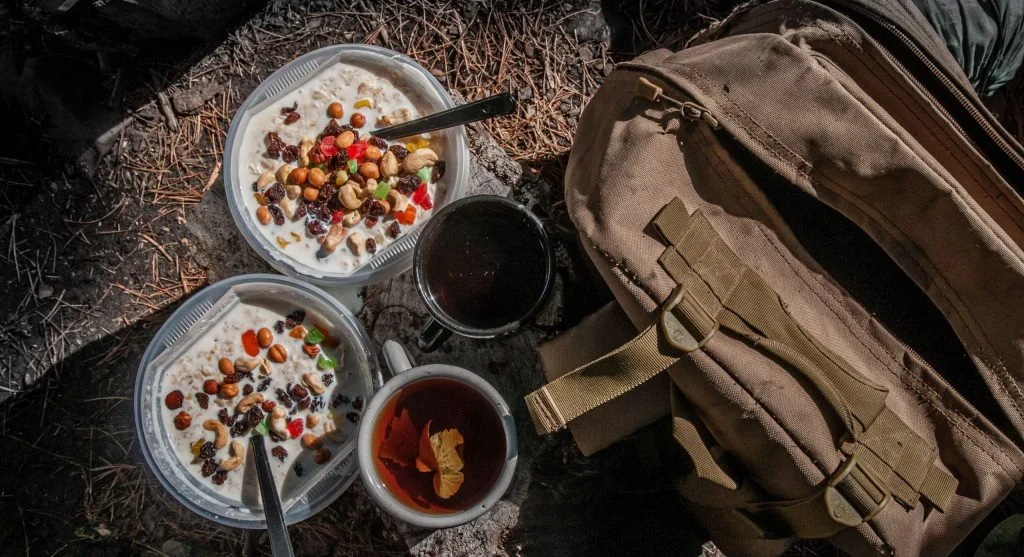
Easy trail eating supports a steadier hike because it helps food become part of the route instead of a delayed response to fatigue. A familiar snack is often opened faster, eaten sooner, and finished with less thought. That may sound minor, but small timing advantages often matter a great deal once the trail becomes longer, warmer, or more tiring.
Fitness specialists often explain that a smooth hike usually comes from many small support decisions made early enough. Food is one of the clearest examples. When eating is easy, the body stays more even. When eating becomes something hikers keep postponing, the trail often starts feeling heavier than it needs to feel.
Why Taste and Comfort Matter on Longer Trails
Taste matters more than many hikers admit. A snack can be efficient on paper and still be a poor trail choice if the hiker does not actually want it once the route is underway. Longer hikes often change appetite. Food that seemed fine at home may feel less appealing after heat, climbing, or several hours of movement. Familiar snacks often help because hikers already know they can eat them comfortably under normal trail conditions.
Outdoor nutrition specialists often note that reliable eating is usually better than idealized eating that never happens on time. A snack that gets eaten when needed often supports the hike more than a theoretically better option that stays packed away too long.
How Familiar Snacks Help Family Hikes Too
This idea often matters even more on family hikes. Children usually do better with snacks they already know and like, especially when the trail begins feeling longer. A familiar snack often reduces negotiation, lowers stress, and makes it easier to support energy before frustration builds. On longer family outings, this can change the mood of the whole route.
Outdoor family educators often explain that the best trail snack is often the one nobody argues about. Familiar foods usually work better because they turn eating into a normal part of the hike instead of another decision point that drains time and patience.
Why Simple Snacks Often Beat Complicated Ones on Trail
Complicated snacks often create small barriers. They may require both hands, more chewing time, more cleanup, or a longer stop. Familiar snacks are often simpler because hikers already know how they fit into the rhythm of the hike. That makes them easier to use during a short pause instead of waiting for a bigger break that may come too late.
Outdoor guides often explain that trail support usually works best when it fits the natural flow of movement. A snack that feels easy to grab, easy to open, and easy to finish is often much more useful than one that makes the whole process feel like a task.
How Familiar Snacks Can Protect the Return Section
The return is often where food timing matters most. Many hikers begin strong and only notice the real cost of the trail later. By then, energy support matters more, not less. Familiar snacks often help protect the return because they are more likely to be eaten before the body starts asking loudly for help.
Fitness educators often explain that the second half of a hike often reveals whether the first half was supported well. A known, easy snack used at the right time can make the return feel steadier, calmer, and much less heavy than it would feel if eating stayed delayed.
Why Confidence Matters in Trail Nutrition
Confidence matters on the trail in quiet ways. A hiker who trusts the food being carried usually uses it more naturally and earlier. There is less second-guessing and less unnecessary waiting. Familiar snacks create that kind of confidence because they feel ordinary enough to use without debate.
Outdoor educators often explain that trail nutrition should feel supportive, not complicated. The body is already managing terrain, pace, weather, and distance. Food works best when it reduces problems instead of creating one more choice to overthink.
How Hikers Can Choose Better Snacks for Longer Routes
Many hikers do better by choosing snacks they already know they can eat comfortably while active, then making those foods easy to reach. The goal is not only to carry enough food. The goal is to carry food that will actually get used at the right moment. Familiarity often matters just as much as nutrition labels when the trail starts shaping real decisions.
Outdoor coaches often recommend testing trail foods on easier outings before trusting them on longer ones. Once hikers know what feels easy and reliable, the whole route often becomes simpler to support from start to finish.
Frequently Asked Questions
Q: Why do familiar snacks help on longer hikes?
A: They are usually easier to eat on time because hikers already trust them. That often improves energy timing and reduces unnecessary delay.
Q: Are familiar snacks better than healthier new options?
A: Not always in every case, but on the trail, foods hikers will actually eat at the right time often help more than better-sounding foods that get postponed.
Q: Why do hikers delay unfamiliar snacks?
A: They may not know how the food will taste or feel during movement, which makes it easier to keep putting off the choice.
Q: What makes a good trail snack for longer hikes?
A: Many hikers do best with snacks that are familiar, easy to open, easy to eat, and easy to carry where they can be reached without much effort.
Key Takeaway
Familiar snacks can make longer hikes feel easier because they reduce hesitation around eating and help support energy at the right time. On the trail, simple trusted food choices often work better than ideal foods that are used too late or not at all. When hikers make nutrition easy, the whole route often feels steadier and more manageable.