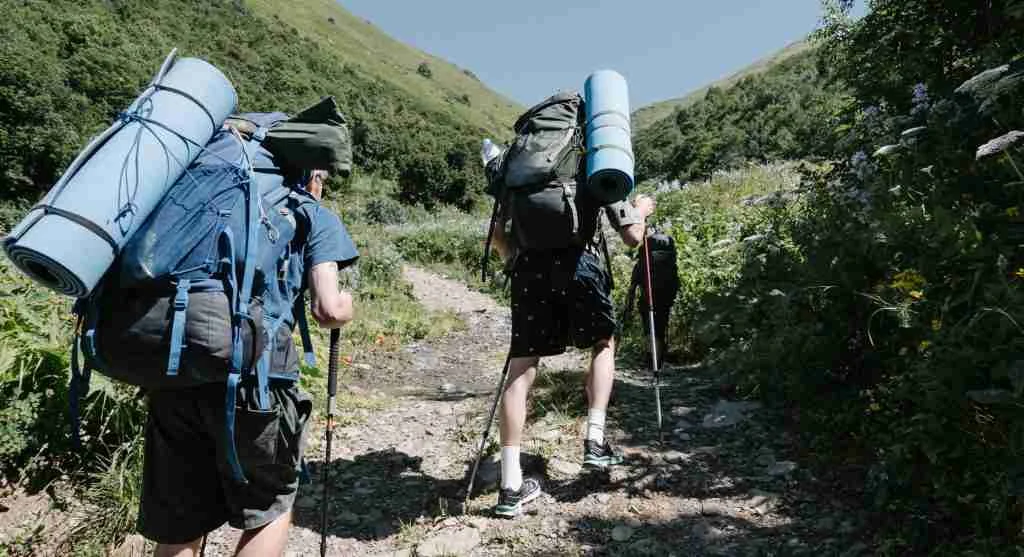

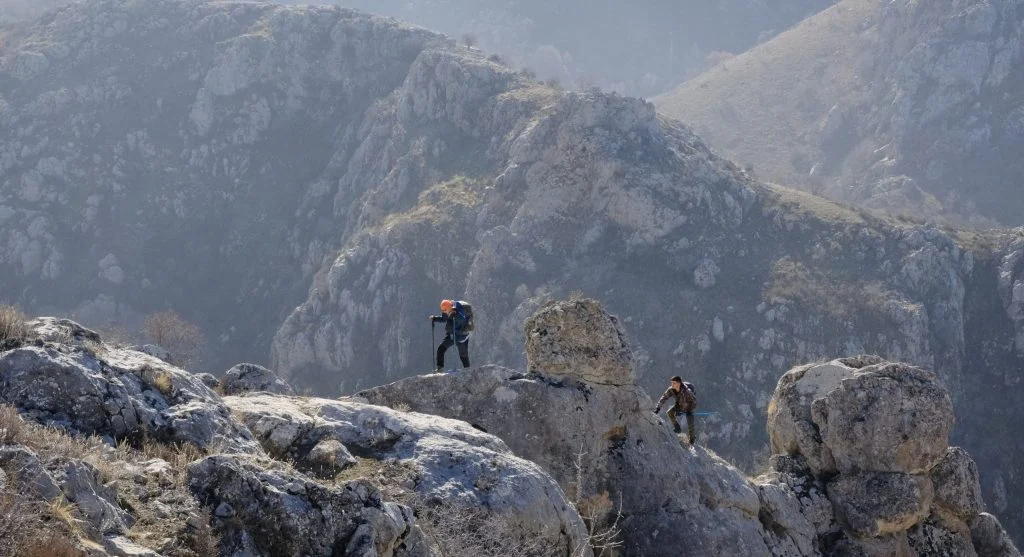
Many hikers naturally judge a trail by the section that feels easiest. The first smooth mile, the flat opening stretch, or the comfortable shaded section often becomes the mental model for the entire route. That feels reasonable in the moment, but it can lead to planning mistakes. A hike usually does not become difficult where movement feels fastest. It becomes difficult where pace drops, footing changes, or the body starts needing more time than expected.
Outdoor educators often explain that realistic trail timing depends less on the fastest section and more on the part of the route that slows everything down. Trail planners also note that hikers usually finish more comfortably when they plan for the sections that control the day instead of the sections that simply make the day feel easy at the start. This is why it often helps to plan for the slowest part of the trail instead of the fastest.
Why the Slowest Part of the Trail Matters Most
One reason the slowest part matters so much is that it usually shapes everything around it. A short rough climb, a narrow descent, a muddy stretch, or a hot exposed return can change the timing of the whole route. Even if the rest of the hike moves smoothly, one slower section often decides how much energy, daylight, patience, and flexibility remain later.
Outdoor instructors often explain that hikers do not usually get into trouble because the first easy mile was misleading. They get into trouble because the harder, slower mile was not given enough weight in the original plan. The easy sections may feel good, but the slow sections usually set the real pace of the day.
How Fast Sections Create False Confidence
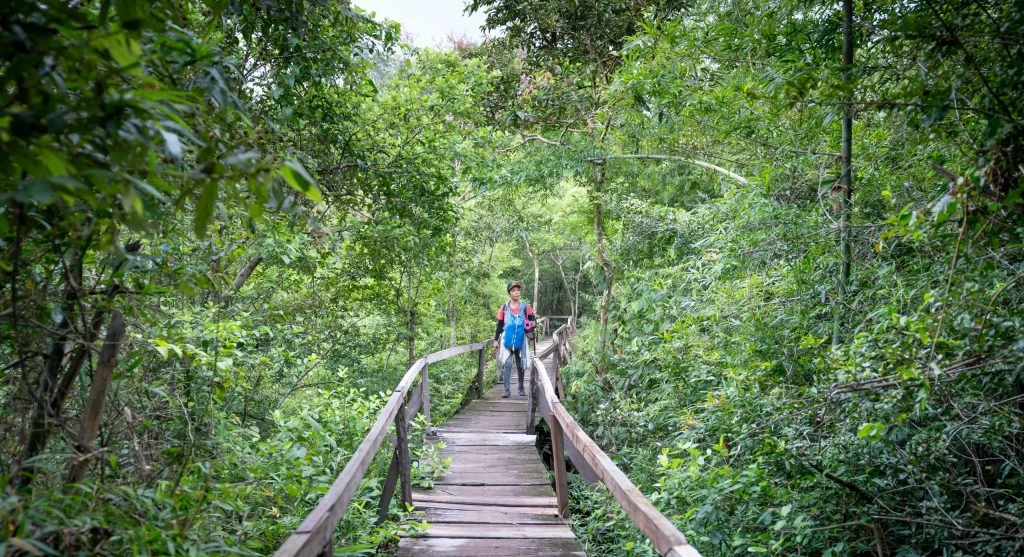
Fast sections often create confidence that is only partly earned. A hiker moves easily through flat ground, wide tread, or comfortable shade and starts feeling ahead of schedule. That early success can make the route seem easier than it really is. Once the trail narrows, climbs, or heats up, the body may no longer move at the same speed, but the original expectation can still remain.
Outdoor coaches often note that this is one reason timing errors feel surprising. The hiker did not read the entire route incorrectly. The hiker simply gave too much importance to the easiest and fastest section and not enough importance to the place where the trail was always going to slow down.
Why Realistic Hiking Pace Planning Starts With the Hard Section
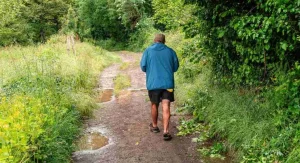
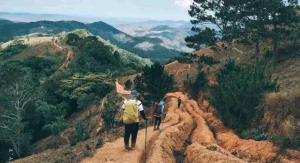
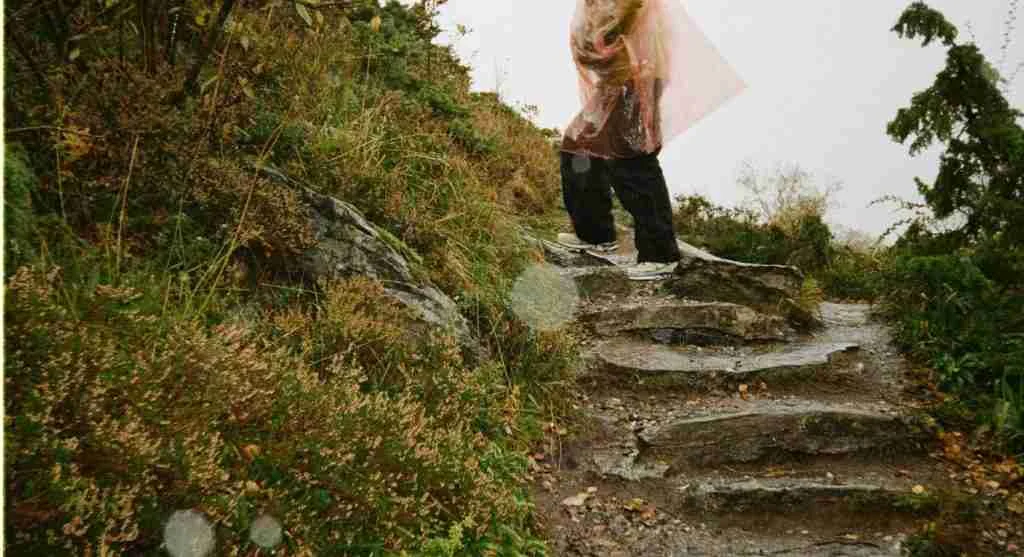
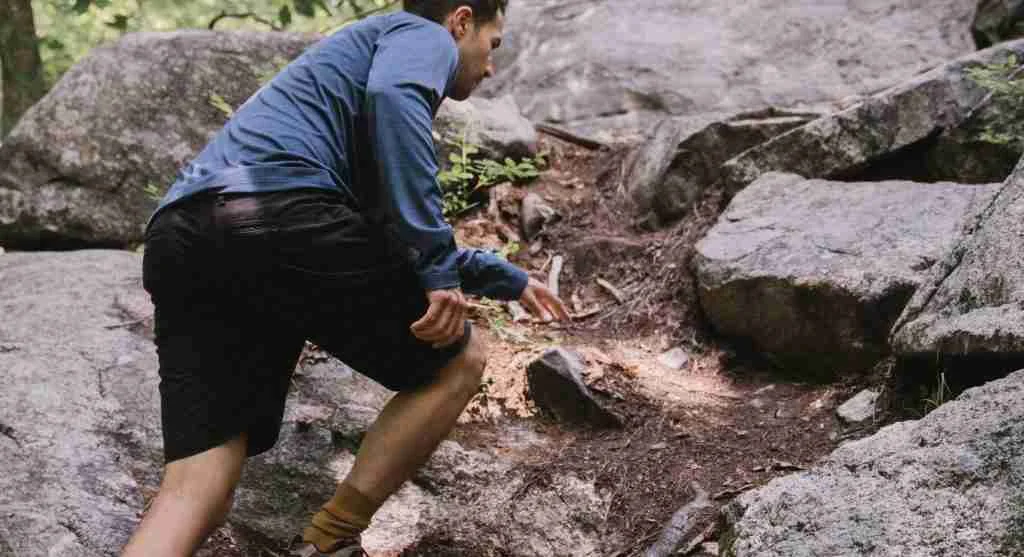
Realistic hiking pace planning often works best when hikers begin with the part of the route that will need the most time and care. That may be a rocky descent, a long climb, repeated short step-ups, a hot exposed ridge, or a soft spring trail near water. Once that section is understood honestly, the rest of the route becomes much easier to plan around.
Outdoor route planners often explain that the trail’s hardest section is not always the steepest or longest. Sometimes it is simply the section where movement becomes least efficient. That is often the part of the hike that deserves the most planning attention.
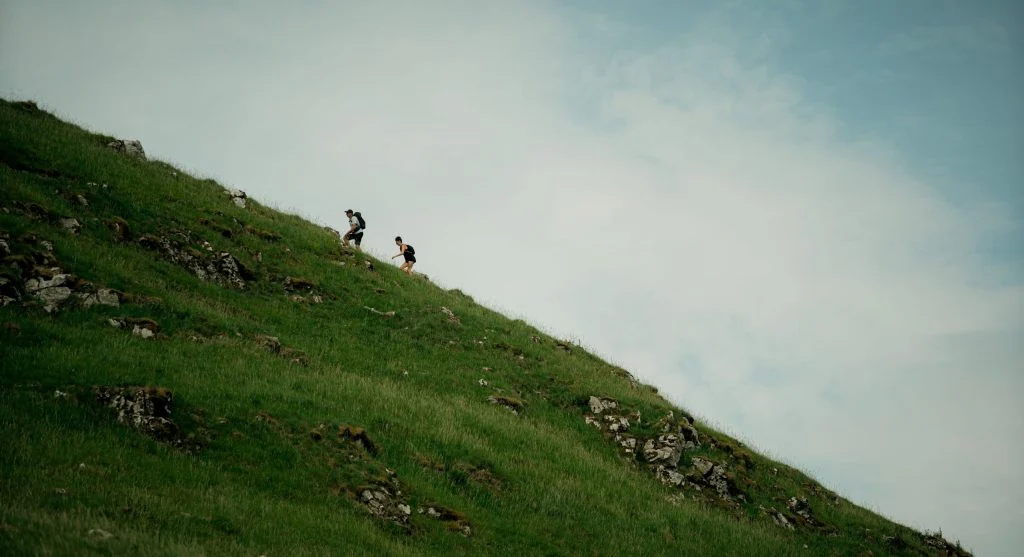
How Slow Trail Sections Affect the Full Day
Slow trail sections rarely stay isolated. They often influence food timing, water use, break timing, and how the return feels later. A hiker who spends more time than expected on one rough middle section may reach the return warmer, later, and less fresh than planned. The trail does not need to be dangerous to create that shift. It only needs to slow the body down more than expected.
Fitness specialists often explain that this is why hikers should plan for the slowest part of the trail first. Slow sections have a way of affecting everything that follows. Fast sections usually do not recover that lost time or energy as completely as people hope they will.
Why the Return Often Becomes the Real Slow Section
Many hikes have a section that is technically the same on the way back but feels slower because of timing, heat, or fatigue. A simple descent on the outward route may become a tiring climb on the return. A shaded stretch in the morning may become exposed later in the day. When hikers plan only around how quickly they moved outward, they often miss the fact that the real slowest section may not appear until much later.
Outdoor educators often explain that trail pace is not fixed. The same ground can move very differently depending on when it appears in the day. This is why the slowest part of a hike is not always obvious from the map alone. It is often the section that meets the body at the most demanding time.
How Weather Makes the Slowest Section Even More Important
Weather often exaggerates slower sections. Heat can make open climbs feel longer. Wind can make exposed ridges more tiring. Damp spring ground can turn a moderate route into a careful, slower walk. In these situations, hikers often benefit from asking not which part of the trail looks nicest or easiest, but which part is most likely to reduce pace if conditions become stronger than expected.
Weather educators often note that hikers usually make better decisions when they plan around the section that would be hardest to rush safely. That often turns out to be a weather-exposed part of the route rather than the section that feels easiest at the trailhead.
Why Beginners Often Plan From the Wrong End of the Route
Beginners often plan from the easiest visible information. Distance feels clear, trailhead conditions feel reassuring, and the first smooth section creates a helpful but incomplete impression. What often gets missed is how much one slower part can change the experience of the whole hike. This is why beginners are especially likely to underestimate routes that include just one or two sections where pace drops sharply.
Outdoor instructors often explain that this is a normal learning step. Over time, hikers begin judging routes by where they will slow down rather than by where they will cruise. That shift often improves route choices more than any other single planning habit.
How to Identify the Slowest Part Before Hiking
Hikers often do better when they ask a few practical questions before leaving. Where does the footing get roughest? Where does the grade steepen? Where does the trail narrow or tilt sideways? Which section is likely to be hottest, wettest, or most tiring later in the day? These questions often reveal the true pacing section much better than distance alone.
Outdoor coaches often recommend planning the day around whichever section would be hardest to handle if energy, weather, or timing were already less ideal. That often identifies the part of the hike that deserves the most respect before the route even begins.
Why Good Trail Timing Feels Conservative at First
Planning around the slowest part often feels conservative in the beginning because the early miles may go better than expected. A hiker may feel tempted to believe the route is easier than planned. Later, once the slower section arrives, that conservative plan often turns out to be realistic rather than overly cautious.
Trail planners often explain that good timing rarely feels dramatic at the trailhead. It simply leaves enough room for the part of the route that was always going to need more time. In that sense, strong planning often feels modest at first and wise later.
Why This One Planning Habit Makes the Whole Hike Better
When hikers plan for the slowest part of the trail, the whole day often becomes calmer. Pace feels less rushed, food and water timing improve, and the return usually feels more manageable. The easiest sections can still be enjoyed, but they no longer control expectations in a way that creates problems later.
Outdoor educators often explain that trails are best understood by what limits movement, not only by what makes movement feel easy. Once hikers begin planning from that perspective, their routes often feel more realistic, more comfortable, and far less surprising from start to finish.
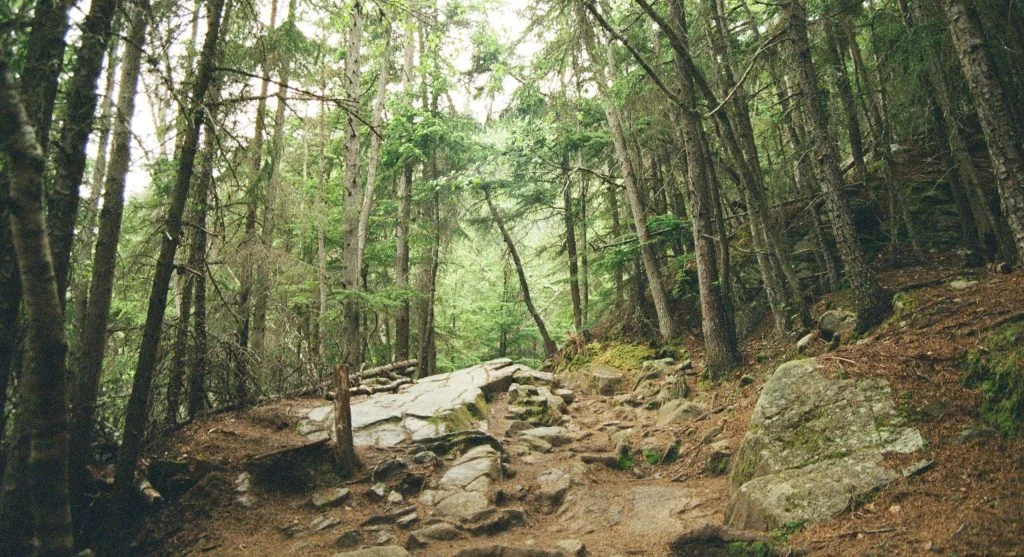
Frequently Asked Questions
Q: Why should hikers plan for the slowest part of the trail?
A: Because the slowest section usually controls timing, energy use, and how the rest of the hike feels. Fast sections rarely matter as much to the final outcome.
Q: What counts as the slowest part of a trail?
A: It can be any section where pace drops the most, such as rough footing, steeper climbing, exposure, narrow tread, mud, or a tiring return section later in the day.
Q: Is this mostly important for long hikes?
A: It matters on both short and long hikes, but it often becomes more important as distance, weather, or trail variability increase.
Q: How can hikers identify the slowest section before starting?
A: Many hikers do better by checking where the trail gets rougher, hotter, steeper, narrower, or less efficient to walk rather than only looking at mileage.