
Many hikers assume that once a trail becomes familiar, navigation stops being an important part of the hike. That often feels true until the day one small wrong turn proves otherwise. Familiar trails still cause wrong turns more often than hikers expect, not because the route is truly confusing, but because attention often drops once the trail begins feeling known.
Outdoor navigation educators often explain that route mistakes on familiar trails usually begin with confidence rather than with uncertainty. Search and rescue trainers also note that hikers on local or repeated routes often rely on memory more than on current trail evidence. This is why even a simple familiar path can still lead someone the wrong way when routine replaces observation.
Why familiar trails still cause wrong turns for experienced hikers
One reason familiar trails still cause wrong turns is that the mind begins filling in details automatically. A hiker may remember the general shape of the route and assume the next junction, bend, or marker will appear exactly as expected. When something small has changed, or when attention slips for a moment, the body may keep walking before the mind notices that the route is no longer fully confirmed.
Outdoor instructors often explain that this is a normal human habit. Familiarity makes movement easier, but it can also reduce how carefully people check what is actually in front of them right now. That tradeoff is often what turns a known trail into a surprising navigation mistake.
How routine lowers hiking route awareness
Hiking route awareness tends to stay sharp on new trails because every turn feels important. On a familiar route, the same turn may no longer feel worth checking closely. The hiker often expects the path to unfold exactly as remembered, which makes it easier to miss small details that would stand out immediately on an unfamiliar trail.
Outdoor coaches often note that this is why routine can be both useful and risky. It helps hikers feel calm and efficient, but it also makes them more likely to move on assumption instead of confirmation. That is often the beginning of a wrong turn on familiar trail sections.
Why small route changes are easier to miss on known trails
A small route change does not need to be dramatic to matter. A side path may look more worn than before, a familiar sign may be approached from a slightly different angle, or leaves and light may make the correct turn look less obvious than usual. On a known route, hikers often overlook these changes because the trail already feels settled in memory.
Trail managers often explain that unofficial side paths, seasonal surface changes, and small shifts in trail appearance can all matter more on local routes because people stop expecting the trail to surprise them. That lack of expectation often makes the surprise easier to miss.
How distraction makes familiar trail mistakes more likely
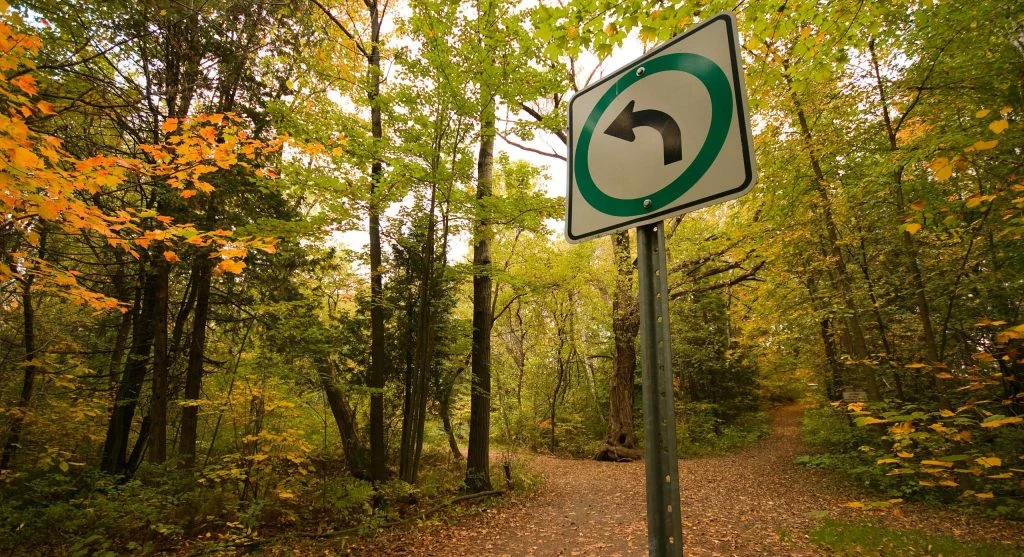
Distraction often plays a bigger role on familiar routes than hikers realize. Because the trail feels known, attention may drift toward conversation, photos, thoughts about the day, or simple automatic walking. On a new route, those same distractions might be kept smaller because the hiker knows navigation still needs active attention.
Outdoor safety educators often explain that familiar trails often create exactly the kind of comfort that allows attention to wander. That is why wrong turns on known routes often feel so surprising. The trail did not become harder. The hiker simply stopped reading it as carefully.
Why the wrong turn often feels normal at first
One of the most frustrating parts of a wrong turn on familiar trail sections is that it usually feels reasonable for a while. The ground still looks like a trail, the surroundings still seem familiar, and the hiker may not notice anything obviously wrong in the first few moments. This is often what allows the mistake to grow.
Navigation specialists often note that the mind usually wants the route to be correct once movement has already continued in a chosen direction. That desire for smooth progress can delay doubt longer than it should. By the time uncertainty finally appears, the hiker may already be farther off route than expected.
How seasonal change affects local trail memory
Trails often look different across the year. Leaves cover tread in fall, greenery narrows views in spring, light angles shift in winter, and dry summer paths may look much more open than the same route at other times. Familiar trails still cause wrong turns when hikers rely on old visual memory instead of the trail as it appears today.
Outdoor educators often explain that seasonal change is especially tricky because the route still feels broadly familiar. The hiker recognizes the place but not always the exact way the turn, marker, or side path now presents itself under current conditions.
Why fatigue makes this pattern worse on the return
Late in a hike, familiar trails often feel easiest to trust and hardest to check. A tired hiker may believe there is no real need to confirm route details on the way back. That is exactly when a subtle wrong turn can happen most easily. The body wants the simple answer, and the familiar route seems to offer it without needing much thought.
Search and rescue trainers often explain that many minor navigation errors happen near the end of familiar hikes because the hiker is less interested in reading the trail carefully than in simply finishing. That shift in mindset often matters more than the trail itself.
How hikers can stay alert on familiar routes without overthinking
The answer is not to distrust every step. It is to keep a few simple habits active. Confirm markers after turns, notice whether the tread still matches the expected main trail, and pause briefly if a junction feels even slightly less obvious than usual. These checks are small, but they often keep local routes from becoming too automatic.
Outdoor instructors often recommend using familiarity as support rather than as a replacement for attention. A known trail can still feel easy and enjoyable while the hiker continues checking the few details that matter most for staying on route.
Why a little attention keeps familiar trails easy
Familiar trails are often enjoyable because they feel comfortable, predictable, and welcoming. That comfort works best when it is paired with a small amount of active awareness. The trail then stays both easy and trustworthy. Without that awareness, the same comfort can turn into the exact reason a simple wrong turn happens.
Outdoor coaches often explain that strong navigation is rarely about constant suspicion. It is about noticing enough to keep small mistakes from growing. On familiar trails, that usually means remembering one important truth: knowing the place is not the same as confirming the path.

Frequently Asked Questions
Q: Why do hikers make wrong turns on familiar trails?
A: Familiarity often lowers attention. Hikers may rely on memory and routine more than on current route details, which makes small mistakes easier to miss.
Q: Are familiar trails more dangerous than new trails?
A: Not usually, but they can create a false sense that navigation no longer needs checking. That confidence is often what causes subtle route mistakes.
Q: What makes a wrong turn on a known trail so hard to catch?
A: The wrong path often feels believable at first because the surroundings still seem familiar. That can delay doubt long enough for the mistake to grow.
Q: How can hikers prevent this on local routes?
A: Many hikers do better by confirming trail markers after turns, watching for side paths, and keeping a little active route awareness even on trails they know well.
Key Takeaway
Familiar trails still cause wrong turns because confidence and routine often replace the small checks that keep navigation accurate. A known route feels easy enough that hikers stop reading it as carefully, which is exactly when subtle mistakes become easier to miss. A little attention keeps familiar trails simple, calm, and far less likely to surprise.