


Outdoor educators often explain that hiking effort is influenced by trail flow as much as by elevation or surface. When a path keeps bending, the body often loses some of the natural rhythm that makes walking feel easy. This is why hikers often underestimate trails with many short bends. The trail may seem moderate on paper, but the repeated turning pattern quietly changes pace, attention, and progress.
Why short bends make a trail feel bigger than it looks
One reason short bends matter so much is that they change how hikers experience distance. On a straighter route, the eye usually sees farther ahead, which helps progress feel clear and measurable. On a trail with many short bends, that feeling often disappears. The route keeps hiding what comes next, so even modest distance can feel stretched.
Outdoor instructors often explain that people usually move better when they can sense where the trail is going. Repeated bends remove that easy confidence. The hiker keeps entering one short section after another instead of feeling smooth forward flow through a longer visible line.
How winding trail pace gets reduced quietly
Winding trail pace often drops in small ways rather than through one big slowdown. Hikers may shorten stride a little before each bend, adjust posture slightly, or slow just enough to re-read the next section. None of that feels like stopping, but it still changes how efficiently the route gets covered.
Movement specialists often note that many hikers misjudge these routes because the body keeps giving up tiny pieces of speed without fully noticing it. By the time the slower pace becomes obvious, the trail already feels longer than it should have.
Why repeated turning breaks walking rhythm
Walking rhythm depends on repeatable movement. The body usually feels best when it can settle into a natural stride and let each step support the next one. Many short bends interrupt that. The hiker keeps shifting direction, readjusting foot placement, and preparing for another change in line before the body has fully relaxed into the last one.
Outdoor coaches often explain that rhythm is one of the quiet reasons some trails feel easier than others. When a route keeps bending, that support fades, and the whole hike often begins feeling more effortful than the trail profile first suggested.
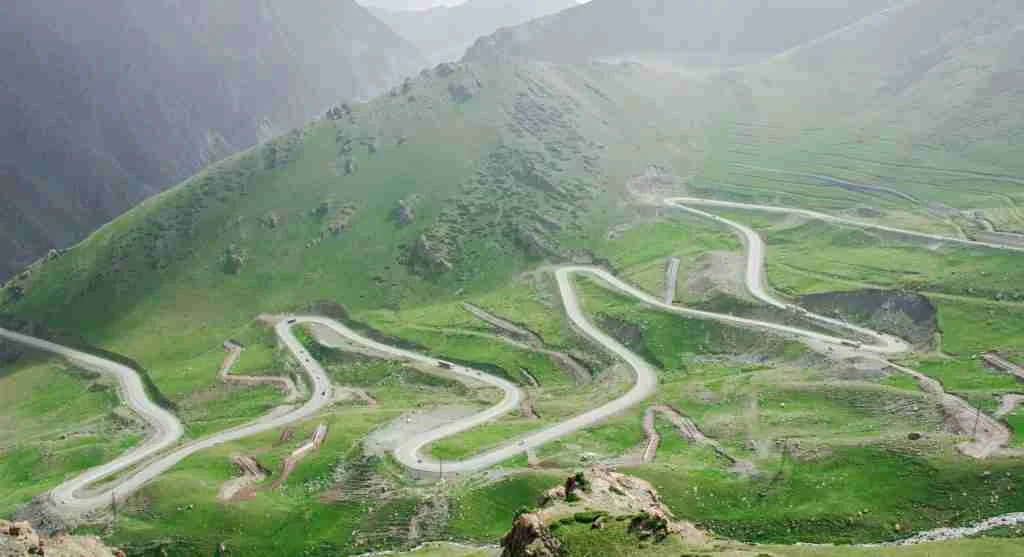
How short bends increase attention load
Trails with many short bends often require more attention than hikers expect. Each turn asks the eyes to gather new information again. The body keeps checking where the tread continues, whether the surface changes, and how the path opens after the next curve. This does not always feel difficult in a dramatic way, but it often makes the hike mentally busier.
Outdoor psychologists often explain that trails feel more tiring when the mind gets fewer chances to settle. Repeated turning sections often create exactly that problem. The hiker stays slightly more alert than on a calmer straighter route, and that extra mental work can make the day feel heavier later on.
Why bends make progress harder to judge
Another reason hikers underestimate these trails is that bends often hide progress. A straighter section lets the body feel how much ground is being covered. A turning section often replaces that with uncertainty. The hiker may be moving well enough, but the route does not reward that movement with a clear view of advancement. This often makes the same mileage feel longer than it would on a simpler line.
Trail planners often note that distance is not only physical. It is also psychological. When the trail keeps folding into short hidden pieces, hikers often experience the route as less efficient and more time-consuming than its mileage alone suggests.
How short bends interact with rough footing
These trails feel especially expensive when bends combine with uneven surfaces. A hiker is not only changing direction. The body may also be managing roots, rocks, loose dirt, or narrow tread at the same time. That combination often makes each bend feel more active than it looks. The route may still be moderate overall, but the body has to solve many small movement problems in quick succession.
Outdoor guides often explain that bends are easiest on supportive tread. Once the ground becomes less predictable, turning sections often take much more attention and energy than hikers expect.
Why these trails often feel slower on the return too
Many hikers expect the return to feel easier once the route is familiar. On trails with many short bends, that is not always what happens. The repeated turning pattern can still feel slow and mentally long, even on the way back. Familiarity helps somewhat, but it does not fully remove the fact that the route keeps hiding what comes next and interrupting straight-line flow.
Outdoor educators often explain that this is why winding routes often feel longer in both directions. The body never gets the easy satisfaction of seeing long clean sections ahead, so the trail keeps feeling more segmented and more extended than it truly is.
How hikers make timing mistakes on these routes
Timing mistakes often happen because many short bends do not look serious on maps or trail descriptions. The route may seem like a moderate walk with no major obstacle. In real hiking, the constant turning quietly lowers average pace and increases stop-and-check moments. Hikers may therefore expect the route to move like a straighter trail and only realize later that the day is slipping longer than planned.
Outdoor instructors often explain that bent, folded, and winding trail lines often deserve more time than hikers first allow, especially when they also reduce sightlines and keep movement feeling busy.
How hikers can move better on winding routes
The best response is usually simple. Hikers often do better when they stop expecting straight-trail pace from a path that was never designed to feel straight. A slightly calmer overall rhythm, more patience with progress, and less frustration at the next hidden bend usually help a great deal. The route often feels much better once hikers accept its natural pace instead of fighting it.
Outdoor coaches often recommend thinking of these trails as flow-management routes, not speed routes. The goal is to move steadily through the pattern rather than to keep proving the trail should feel quicker than it does.
Why understanding trail shape improves planning
Many hikers already look at distance, surface, and elevation before a trip. Trail shape deserves the same attention. A route with many short bends may require more time, more focus, and more energy than a straighter path with similar mileage. Once hikers understand that, these trails stop feeling strangely slow and start feeling much more logical.
Outdoor educators often explain that the way a trail turns is part of the trail’s difficulty. Short bends rarely look dramatic, but they often shape the whole experience more than hikers first expect.

Frequently Asked Questions
Q: Why do trails with many short bends feel slower?
A: Because repeated turning reduces sightlines, interrupts walking rhythm, and adds more attention demand than straighter trails usually do.
Q: Are winding trails always harder?
A: Not always, but they often feel more tiring and take longer than expected because progress is harder to see and pace is less smooth.
Q: Why do hikers misjudge time on these trails?
A: Short bends look minor on maps, but they quietly reduce average pace and make the route feel longer in real walking conditions.
Q: What helps most on trails with many short bends?
A: Many hikers do better with steadier pacing, more patience with progress, and realistic expectations that the route will move slower than a straighter trail of similar length.
Key Takeaway
Hikers often underestimate trails with many short bends because repeated turning quietly reduces pace, hides progress, and keeps the body from settling into easy movement. The route may look moderate, but its shape changes how distance feels and how energy gets used. When hikers respect that early, these winding trails become much easier to plan and pace well.