
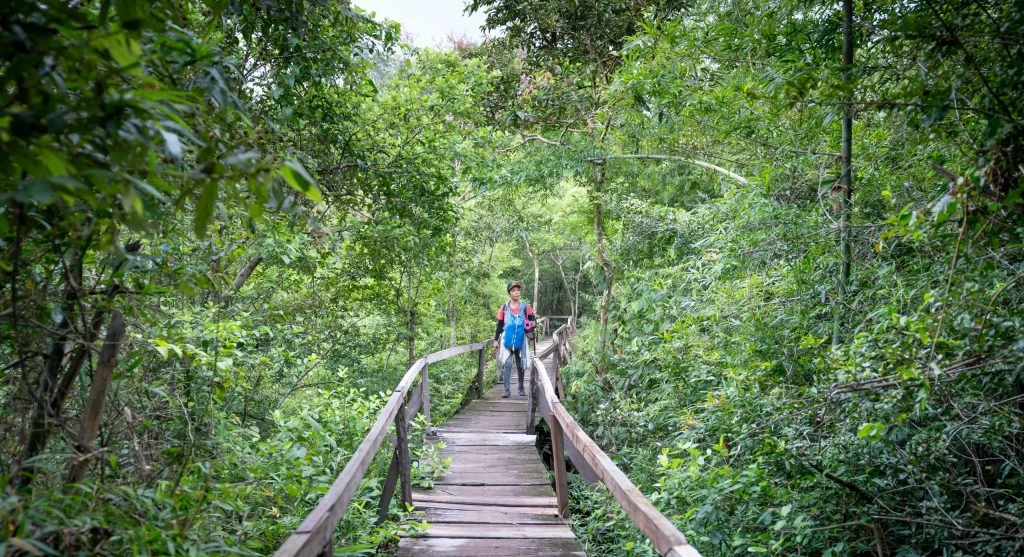
Outdoor educators often explain that trail transitions affect pace more than many hikers expect. Wet surfaces already ask for more attention, and the contrast becomes even stronger after a smooth artificial section such as a boardwalk. This is why hikers often feel slower after leaving boardwalk sections on wet trails. The issue is not only the wet ground itself. It is also the loss of rhythm, confidence, and clean footing that the boardwalk briefly made feel normal.
Why boardwalk sections feel so easy in the first place
Boardwalks often feel easier because they simplify walking. The trail becomes firmer, drier, and more visually obvious. Hikers usually no longer need to search for the next safe patch of dirt or guess which muddy section will hold weight well. Movement becomes more direct, and the body often settles into a smoother rhythm almost right away.
Outdoor instructors often explain that hikers may not notice how much work wet ground was creating until that work disappears for a while. The boardwalk feels easy not only because it is stable, but also because it removes many tiny decisions from each step.
How wet trail transitions break pace
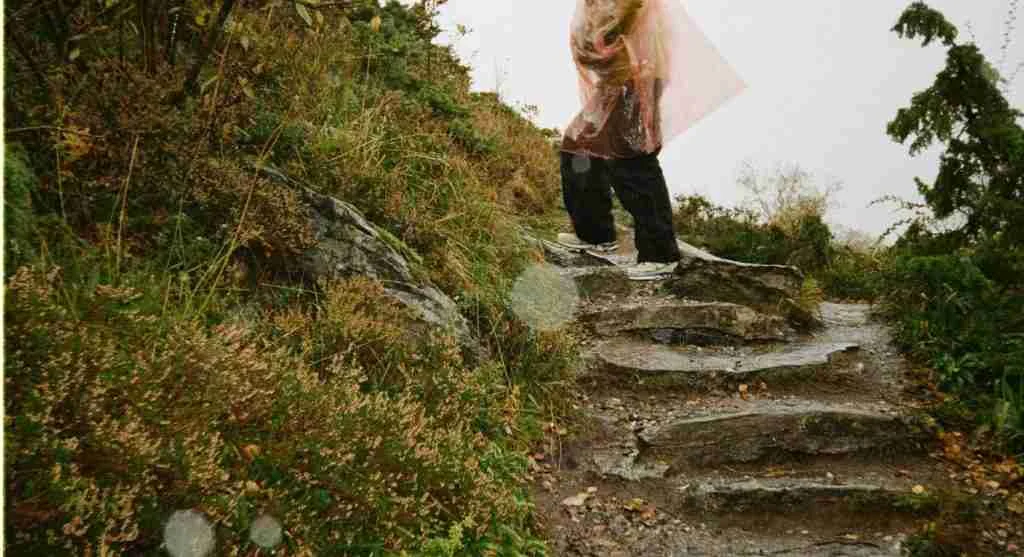
When the boardwalk ends and the trail returns to wet soil, pace often changes immediately. The foot no longer lands on one firm predictable surface. Instead, it may meet soft ground, slick mud, uneven roots, or shallow pooled water. The body responds by shortening stride, testing traction more carefully, and slowing down without fully deciding to do so.
Movement specialists often note that a trail does not need to become dramatically harder to feel slower. It only needs to stop giving the body the support it had adjusted to a moment earlier. That quick loss of support is often enough to make the next section feel frustratingly different.
Why the contrast makes wet ground feel worse
Wet ground often feels more difficult after a boardwalk because the contrast is so strong. If the whole trail stayed muddy from start to finish, hikers might settle into a realistic rhythm and keep it. After a boardwalk, the body briefly learns what easy efficient movement feels like again. Returning to wet tread right after that often makes the soft ground seem worse than it would have felt without the smoother section in between.
Outdoor coaches often explain that contrast shapes trail perception. A moderate muddy patch feels much more tiring after easy footing than it does after another muddy patch of similar difficulty.
How boardwalk rhythm disappears so quickly
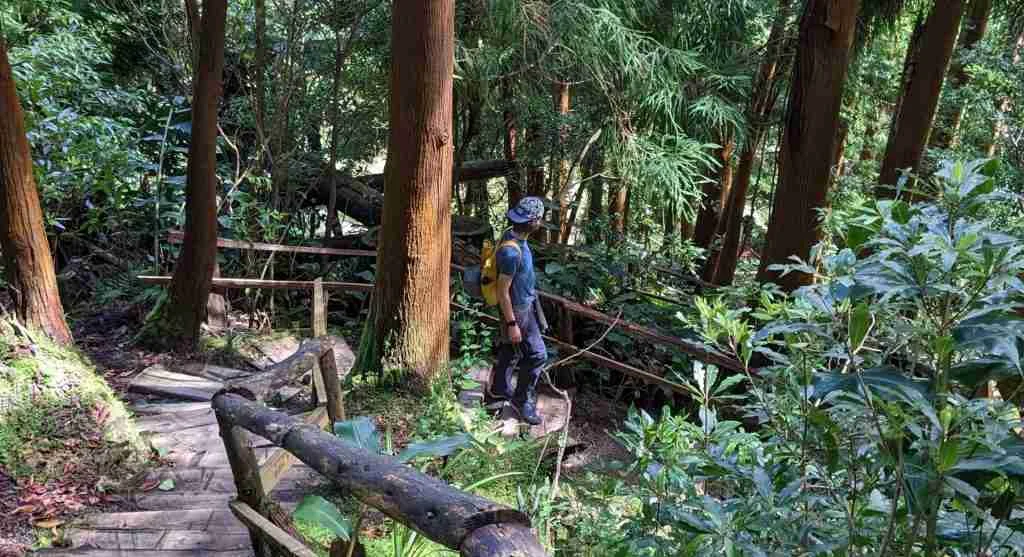
One of the main benefits of boardwalk sections is rhythm. They often let hikers walk in a straight clear line with fewer interruptions. Once that rhythm settles in, the body begins trusting the next step more automatically. On wet ground, that trust often disappears. Each landing needs a little more caution, and the rhythm that felt easy seconds earlier begins breaking apart.
Fitness specialists often explain that rhythm is one of the quietest sources of trail efficiency. When a boardwalk gives it back and then the trail takes it away again, the body often feels the change much more strongly than expected.
Why soft wet ground weakens push-off
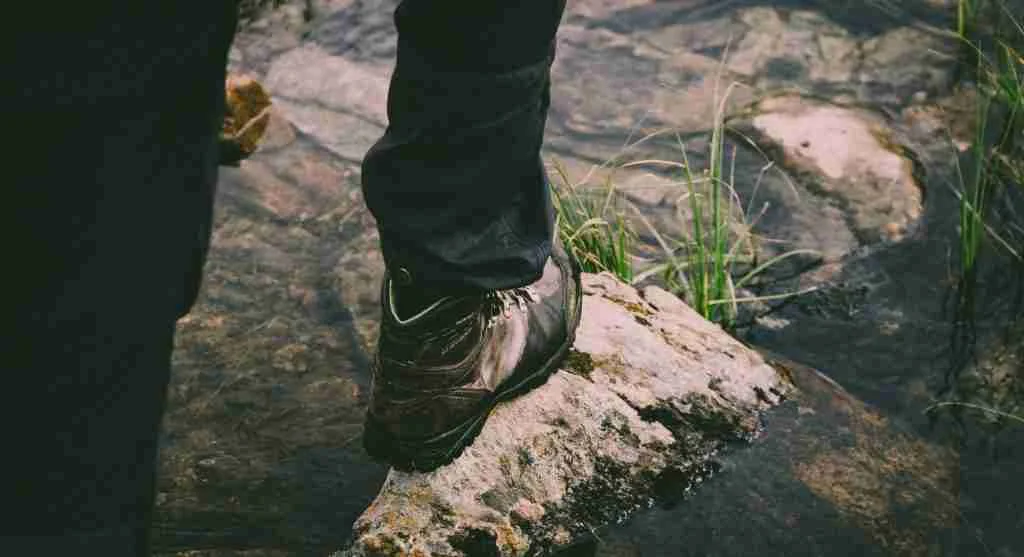
Wet trail surfaces often weaken push-off in subtle ways. The foot may not slip fully, but it may still feel less secure and less responsive. Mud, saturated soil, or slick plant matter can reduce how cleanly the body moves forward. That makes the next section feel slower because each step gives back less of the confident forward motion the boardwalk just provided.
Outdoor guides often explain that hikers often read this as a pace problem when it is really a traction problem. The body is still trying to move well. The ground is simply not returning the same support.
Why confidence drops after the wooden section ends
Boardwalk sections often restore confidence. Hikers move more naturally because they do not need to protect every step as much. Once the boardwalk ends, that confidence usually drops a little. The body becomes more careful again, especially if the wet section looks dark, soft, or uneven. This cautious shift usually slows movement before the hiker fully thinks about it.
Outdoor educators often explain that speed and confidence are closely linked on wet trails. When footing stops looking trustworthy, pace usually softens even if the route remains mostly flat.
How wet trail edges make the transition harder
The hardest part of leaving a boardwalk is often not the middle of the wet trail. It is the first few steps at the edge. These transition spots are often muddier, softer, or more worn because so many hikers step on and off there. That means the very first return to natural ground often feels worse than the trail section farther ahead.
Trail maintenance workers often note that these edge areas collect wear and water more easily than the trail beyond them. That is one reason hikers sometimes feel the trail suddenly became much harder when, in reality, the first wet transition zone is simply the least forgiving part.
Why this pattern feels worse later in the hike
Later in the day, leaving boardwalk sections often feels even slower because the body has less reserve left for unstable footing. Early on, hikers may handle wet ground transitions without much frustration. Later, the same soft re-entry feels heavier because tired legs, reduced patience, and weaker balance all make the contrast more expensive.
Fitness educators often explain that this is why wet trails with frequent boardwalk interruptions often feel more tiring than either full boardwalk routes or fully muddy routes. The body never gets to stay in one movement pattern long enough to fully settle.
How hikers can move better after boardwalks end
The most useful response is usually simple. Hikers often do better by treating the first few steps after a boardwalk as a surface transition instead of expecting immediate normal trail pace. Shorter steps, calmer foot placement, and a little patience usually help the body re-learn the wet ground faster. The goal is not to force boardwalk rhythm onto mud. The goal is to let the rhythm change without turning it into frustration.
Outdoor coaches often recommend looking a few steps ahead instead of only at the first wet spot. That helps hikers choose a steadier line and recover a more useful rhythm sooner.
Why understanding this improves wet trail planning
Many hikers assume boardwalk sections make wet routes consistently faster. Sometimes they do. On mixed trails, however, they can also create sharper contrast and more stop-and-adjust moments than expected. Once hikers understand that, they pace better and interpret these slowdowns more realistically.
Outdoor educators often explain that trail comfort is often shaped by transitions, not just surfaces. Boardwalks feel easy. Wet earth feels slower. The switch between them is where many hikers quietly lose more pace than they first realize.
Frequently Asked Questions
Q: Why do hikers feel slower after leaving boardwalk sections?
A: Because the body loses firm footing, easy rhythm, and confident push-off when it returns to softer wetter ground.
Q: Are boardwalks always easier than wet trail sections?
A: Usually yes, because they provide more stable footing and fewer step-by-step decisions than muddy or saturated natural tread.
Q: Why do the first steps off the boardwalk often feel worst?
A: Those edge areas are often softer and more worn, so the first return to natural ground may be less stable than the trail farther ahead.
Q: What helps most after the boardwalk ends?
A: Many hikers do better with shorter steps, calmer expectations, and a few seconds of adjustment before trying to regain normal trail pace.
Key Takeaway
Hikers often feel slower after leaving boardwalk sections because wet ground feels much less efficient once the body has adjusted to firm easy footing. The transition breaks rhythm, lowers confidence, and weakens push-off even when the trail looks moderate. When hikers expect that change and adjust calmly, mixed wet trails usually feel much easier to handle.