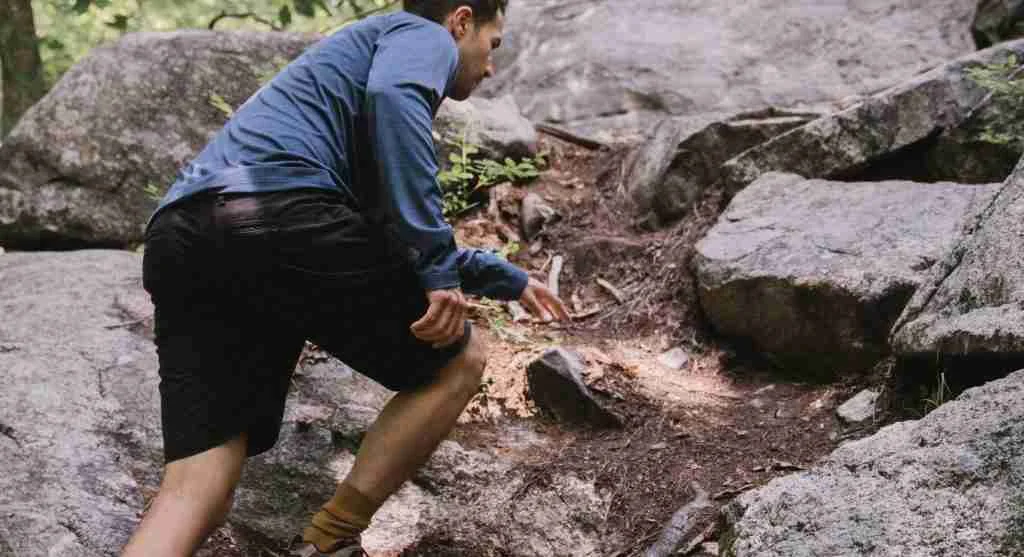

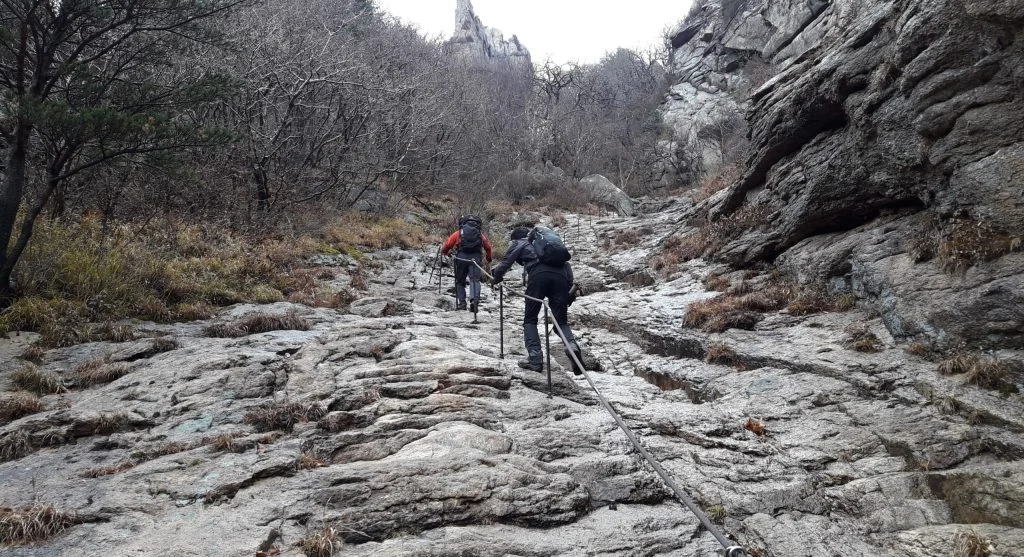
Many hikers think trail edges are easy to judge at a glance. Most of the time, that feels true. The center of the path looks clear, the side looks less stable, and the body naturally stays on the better line. On some trails, though, the main tread slowly shifts. The firm center moves slightly left or right, the edge becomes softer, and the old walking line no longer works as well as it did a few minutes earlier.
Outdoor educators often explain that hikers do not always notice this type of change right away because the trail still looks mostly familiar. Trail crews and guides also note that edge walking on trails often begins with a simple misunderstanding: the hiker assumes the strongest walking line is still where it used to be. By the time the body notices less support or reduced balance, one or two steps may already be landing too close to the side.
Why Hikers Often Drift Too Close to Trail Edges
One reason hikers drift toward trail edges is that the route rarely changes all at once. A trail may begin with a wide, stable center and then slowly narrow, soften, or angle toward one side. Because the change happens gradually, the body keeps following the earlier pattern. The hiker continues walking as if the main tread is still in the same place, even after the strongest footing has shifted slightly away from it.
Outdoor instructors often explain that people trust recent movement more than they realize. If the last few minutes felt easy along one line, the body wants to keep using that line. The problem is that the trail may already be asking for a different one.
How the Main Tread Can Shift Without Looking Dramatic
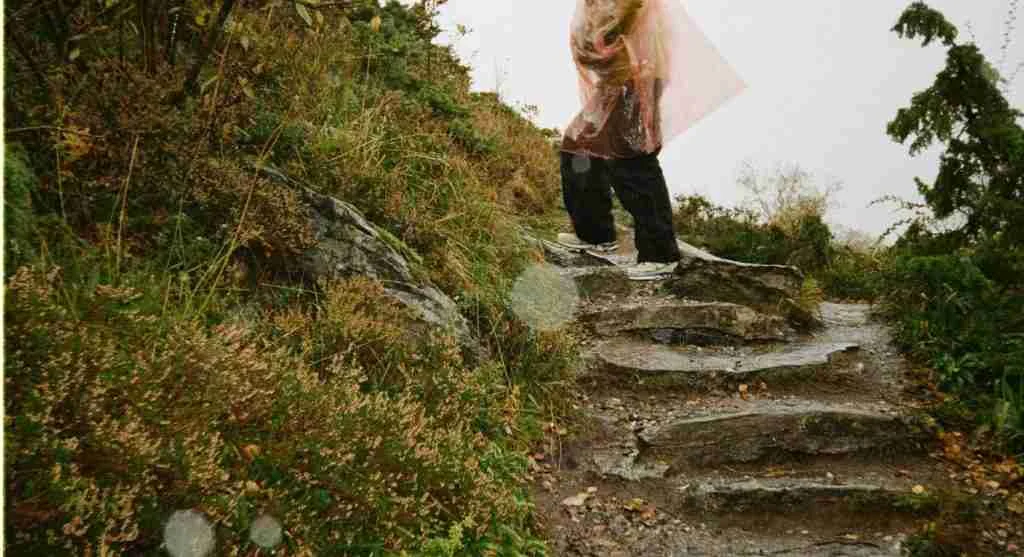
The main tread does not always shift because of a major obstacle. Sometimes one side of the trail becomes softer, loose gravel collects near the outer edge, or repeated foot traffic wears the most stable path slightly away from where hikers expect it. In other cases, roots, runoff, or side growth quietly change which part of the route offers the best support.
Trail workers often note that hikers tend to look for big obvious changes. A subtle shift in the best walking line is harder to notice because the trail still appears fully passable. Yet underfoot, one side may now support weight much better than the other.
Why Edge Footing Often Feels Fine Until It Suddenly Does Not
Trail edges can be confusing because they may feel acceptable for one or two steps before becoming unreliable. The surface might look firm enough, then give slightly under pressure, tilt more than expected, or crumble just enough to interrupt balance. This is one reason hikers often step too close to trail edges before realizing the main tread has shifted. The warning usually arrives through movement, not appearance alone.
Movement specialists often explain that the body notices edge instability first through small signals. A foot lands less cleanly, push-off feels weaker, or the step needs a little more correction than expected. These are often the first signs that the trail’s real center is no longer where the hiker assumed it was.
How Narrow Trails Make the Problem Worse
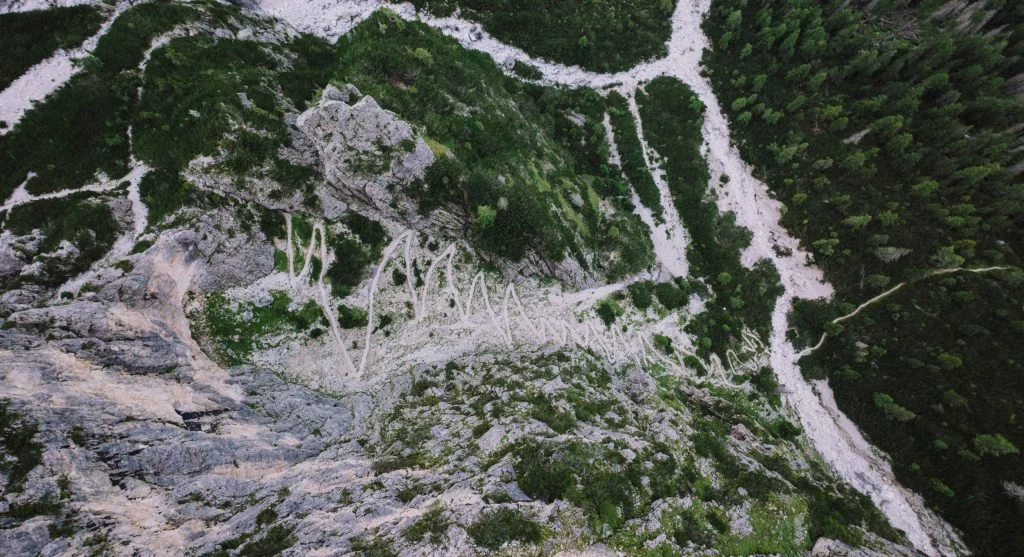
On wide trails, hikers usually have enough room to correct quickly if they drift too far to one side. On narrow trails, that margin becomes much smaller. The difference between the best tread and the edge may only be a few inches, which makes the shift harder to notice and more important to respect. A small mistake in line choice often matters much more when the path offers fewer easy alternatives.
Outdoor safety educators often explain that narrow routes reward earlier awareness. The hiker who notices the tread shifting early often keeps moving smoothly. The hiker who notices late may have to slow suddenly or recover balance after the edge has already started affecting the step.
Why Sloped Trails Often Push Hikers Outward
Some trails slope gently sideways, which can pull the body toward the downhill edge without the hiker fully realizing it. If the main tread has also shifted, the body may be dealing with two problems at once. One is the angle of the route. The other is the incorrect assumption about where the safest walking line still is. This combination often makes edge walking on trails feel more tiring and less controlled than expected.
Movement educators often note that sideways-leaning tread changes how each foot lands. When the body is already adjusting to the slope, a softer edge becomes much more noticeable because there is less balance margin left to spare.
How Vegetation and Debris Can Hide the Better Line
Leaves, grass, dust, and small branches can make the trail’s best line harder to read. A hiker may assume the outer edge is still part of the main path when the truly firm tread has already moved slightly inward. This often happens on seasonal trails where the surface looks continuous even though the useful support underneath has changed.
Outdoor guides often explain that hikers sometimes read width instead of strength. A trail may look wide enough, but the real walking line is often narrower than it appears once debris and surface quality are considered.
Why Pace Often Changes Before Recognition Does
One of the clearest signs that the main tread has shifted is a small change in pace. Hikers may shorten their steps, slow slightly, or begin placing their feet more carefully before they consciously understand why. The body is already protecting itself from the weaker edge, even while the mind still thinks the route is normal.
Outdoor coaches often explain that trail awareness works best when hikers pay attention to how movement feels, not only to what the trail looks like. If the body keeps making extra corrections near the same side, the edge may already be doing more work than it should.
How Hikers Can Spot the Better Tread Sooner
Most useful clues are small. The firmer line often shows cleaner foot traffic, less crumbling near the edge, fewer tiny side slips, and a more centered walking pattern. Hikers usually do better when they look not only for a visible path, but for the part of the path that still supports calm, repeatable movement.
Outdoor instructors often recommend asking a simple question when the trail starts feeling less smooth: is the tread still strongest where I am stepping, or has the best line moved slightly? That question often helps hikers shift inward or recenter before the edge creates a larger balance problem.
Why Small Adjustments Often Solve the Whole Issue
Once hikers notice the shift, the fix is usually simple. A slightly calmer pace, one small line change, and a little more attention to the next few steps can restore smoother walking very quickly. The trail may not be truly harder than before. The body may simply need to stop trusting the old center line and start using the current one.
Trail educators often explain that the strongest trail skills can look unremarkable from the outside. A hiker who reads the changing tread early usually seems calm because the correction happens before the edge forces a more obvious mistake.
Why This Skill Makes Many Trails Feel Easier
When hikers understand that the main tread can move, the whole trail becomes easier to read. Soft edges stop feeling random, narrow sections make more sense, and small balance changes feel informative instead of confusing. This can turn an awkward trail into a more manageable one without any major change in effort.
Outdoor educators often explain that many hiking skills are really about noticing shifts early. Trail edges are a perfect example. Once the hiker sees that the best walking line has changed, the route usually feels more logical, more controlled, and much less tiring to manage.
Frequently Asked Questions
Q: Why do hikers step too close to trail edges?
A: They often keep following the earlier walking line even after the strongest part of the tread has shifted slightly inward or to one side.
Q: What does it mean when the main tread shifts?
A: It means the firmest and most reliable walking line on the trail is no longer exactly where hikers expect it to be, even if the path still looks mostly the same.
Q: What is the first sign that the edge is becoming less reliable?
A: Common signs include weaker push-off, smaller balance corrections, slightly slower pace, or repeated steps that feel less clean near the side of the trail.
Q: What helps most when this happens?
A: Many hikers do better by slowing slightly, recentering on the firmer line, and paying closer attention to where the tread still supports smooth repeated steps.
Key Takeaway
Hikers often step too close to trail edges because the body keeps trusting an older walking line after the main tread has already shifted. The change is usually gradual, so pace and balance often notice it before the eyes do. Once hikers learn to spot the firmer current line sooner, many trails feel smoother and much easier to manage.