
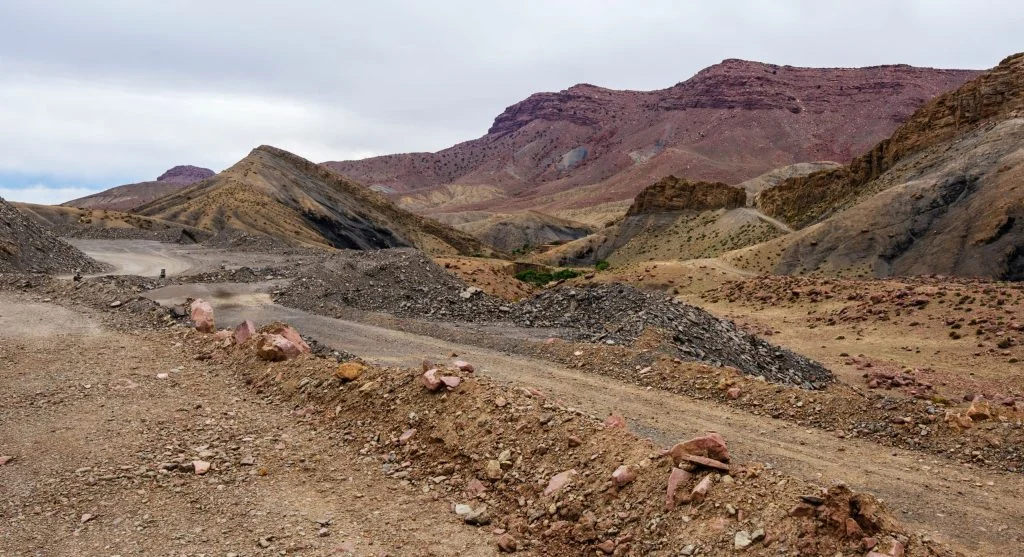
Some trail changes are obvious right away. A deep muddy patch, a large rock step, or a visible washout usually gets attention quickly. Loose surfaces can be harder to read. A trail may begin feeling less reliable before it clearly looks different. From a few feet away, the ground may still seem normal, yet the foot lands with slightly less grip, push-off feels weaker, and balance starts needing more correction than it did just moments earlier.
Outdoor educators often explain that hikers frequently feel a trail surface getting looser before they can clearly describe what has changed. Movement specialists also note that the body responds to traction changes faster than the eyes fully interpret them. This is why many hikers sense the trail becoming less stable through movement first and recognition second.
Why Hikers Often Feel a Trail Surface Getting Looser First
One reason this happens is that the body reacts immediately to traction. If the ground shifts even slightly under a boot, the feet and legs notice it right away. The eyes, however, may still be reading the route in broader shapes instead of tiny differences in gravel, dust, or broken soil. That gap often makes the surface feel different before it looks different.
Outdoor instructors often explain that hikers are not failing to pay attention when this happens. The surface change is often subtle enough that movement becomes the clearest signal. A small slide, a softer landing, or a weaker step forward may all reveal more than the trail’s appearance does in that same moment.
How Loose Trail Surfaces Change Walking Rhythm
Loose trail surfaces often affect rhythm before they affect speed in an obvious way. A hiker may keep moving at nearly the same pace, yet the steps stop feeling as clean and repeatable as they did a few minutes earlier. The body may begin shortening stride, landing more cautiously, or hesitating slightly before committing weight forward.
Movement educators often note that rhythm is one of the best early warnings on a trail. When the route starts feeling less smooth without one clear obstacle causing it, the surface itself is often changing in small but important ways. Loose material usually shows up in that broken rhythm very quickly.
Why Loose Ground Often Looks Harmless From a Distance
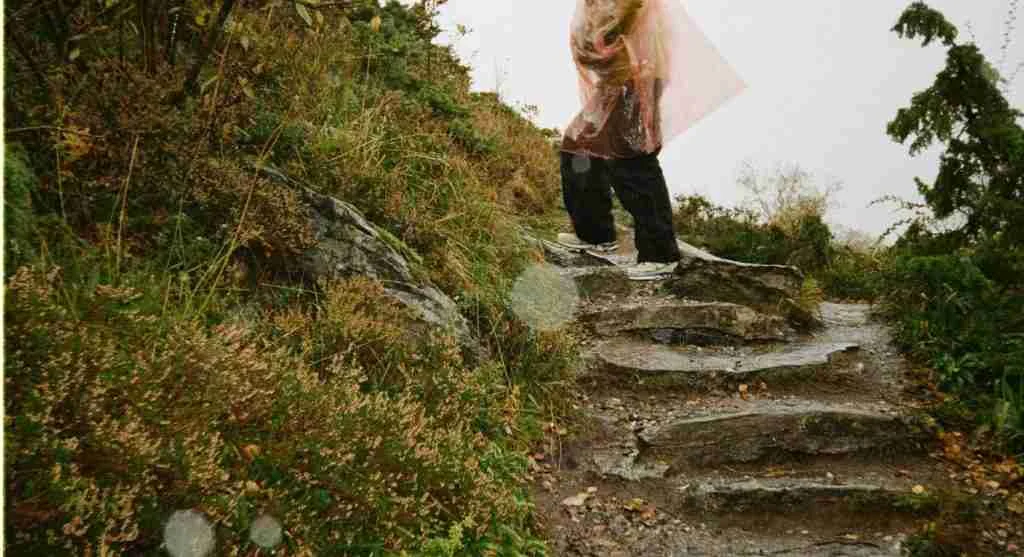
One reason loose trail sections cause trouble is that they often look simple. Light dust over hard ground, scattered gravel on packed tread, or tiny broken rock over firm dirt may not look dramatic from a standing view. Yet once the foot lands, the surface can move more than expected. That is often enough to make the trail feel less trustworthy before the hiker can point to exactly why.
Trail safety specialists often explain that the most deceptive surfaces are not always the roughest ones. Deep scree or obvious rolling stones usually earn respect right away. Mild loose surface changes are often underestimated because they look close enough to solid ground to invite a normal stride.
How Small Surface Shifts Add Up Over Several Steps
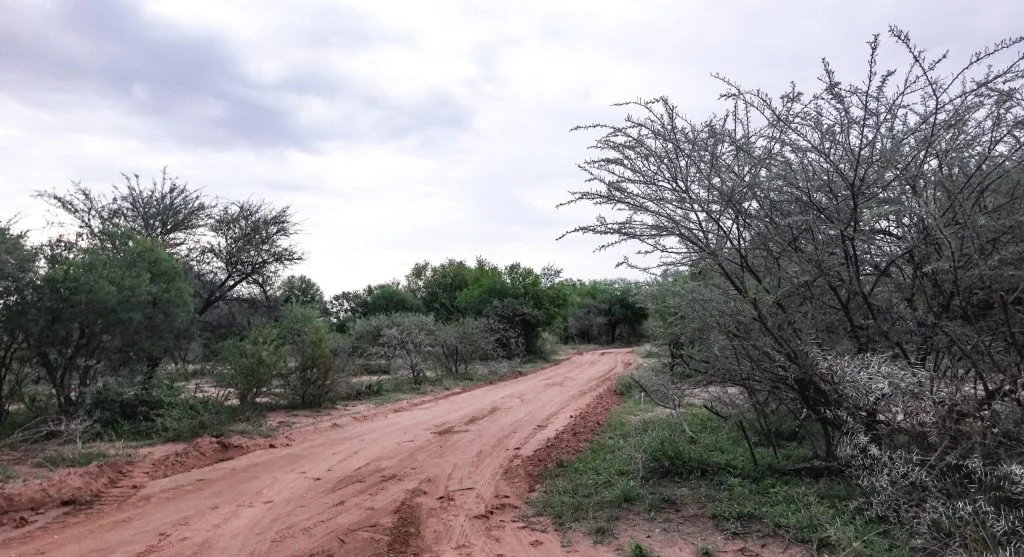
Most loose sections do not appear in one obvious patch. They often develop gradually. A little dust appears, then more broken grit, then a few steps where the tread crumbles slightly at the edges. Each change is small, so the hiker may keep treating the trail as basically the same. Still, the body begins doing more correction work with every step.
Outdoor coaches often explain that this is why the route can start feeling heavier without any dramatic event. The effort has increased through repetition. A trail surface getting looser often does not announce itself once. It announces itself over several steps, each asking for a little more control than the last.
Why Descents Make Loose Changes Easier to Feel
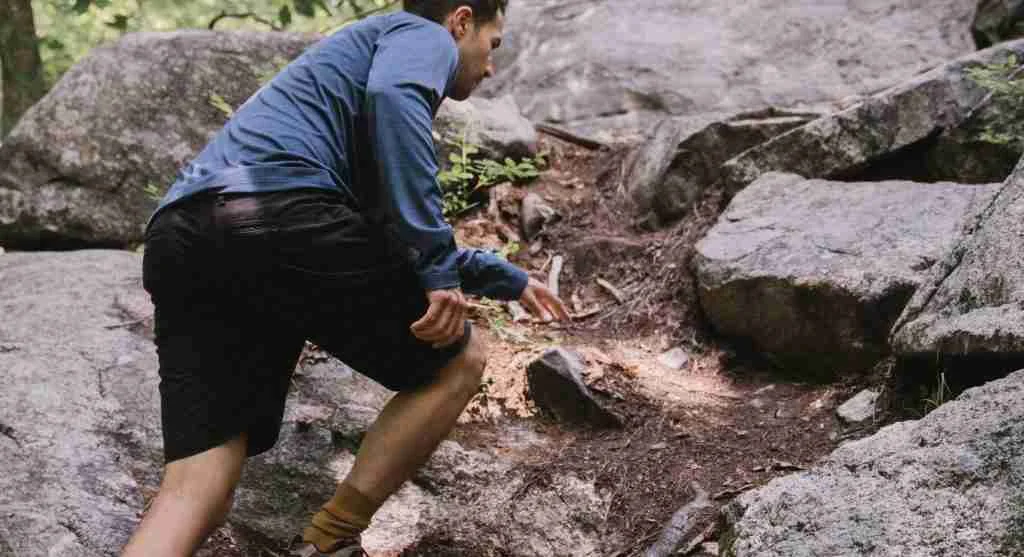
Loose conditions often become more obvious on descents because the body is already trying to control forward motion. A surface that might feel only slightly unstable on flat ground may feel much less forgiving downhill. Small stones roll, dust reduces braking grip, and footing becomes harder to trust at the exact moment control matters most.
Outdoor safety educators often note that this is why hikers often notice loose trail surfaces sooner on downhill sections. The trail may not have changed more dramatically there. The body is simply asking more from the surface, so the lack of grip becomes harder to ignore.
How Fatigue Makes Loose Surfaces Feel Worse Later
Fatigue often magnifies loose ground. Early in a hike, the body has more balance, quicker reactions, and extra control to absorb small slides. Later, even modest looseness can feel much more irritating because the body no longer has the same easy reserve. The trail may be only slightly unstable, but it now feels far more disruptive than it did earlier.
Fitness specialists often explain that this is one reason hikers sometimes believe a trail got much worse later in the day. In some cases, the surface changed only a little. The bigger change was that the body had less spare control to hide what the trail was already doing.
Why the Body Often Adjusts Before the Mind Does
When a trail surface gets looser, the body often reacts automatically. Knees bend a little more, stride shortens, and the upper body may stiffen slightly without the hiker consciously deciding to do any of those things. That automatic adjustment is useful, but it can also delay recognition. The body is already solving the problem just enough that the mind does not label it immediately.
Outdoor instructors often explain that this is why hikers sometimes feel oddly tense before they know why. The trail has already asked for more control, and the body answered before the hiker had time to fully describe the surface change.
How Hikers Can Respond Earlier to Loose Footing
The most effective response is usually simple. Slow slightly, shorten the next few steps, and pay closer attention to how the trail behaves under the boots. The goal is not to become overly cautious. It is to stop walking as if the surface is still as firm as it was before the change began.
Outdoor guides often recommend trusting the early signals. If push-off feels weaker, landings feel less secure, or the route suddenly seems less smooth, those clues are often enough to justify a calmer pace. Waiting for a larger slip often means ignoring the trail’s clearest early message.
Why Recognizing Loose Surfaces Sooner Saves Energy
Late reaction usually costs more than early adjustment. When hikers keep using the same stride on ground that has already become less reliable, they often waste energy on repeated corrections, awkward landings, and broken rhythm. A small early pace change often protects far more movement than hikers expect.
Movement specialists often explain that trails usually feel easier when hikers adapt at the first real sign of change rather than after the change has already disrupted several minutes of movement. In that sense, early response is not only safer. It is often more efficient too.
Why This Awareness Improves Many Trail Decisions
Learning to notice when a trail surface is getting looser helps with much more than one patch of ground. It improves descent control, foot placement, pace judgment, and general trail awareness. Once hikers start respecting the small early signals, many trails begin feeling more predictable because the body and mind are paying attention to the same information sooner.
Outdoor educators often explain that strong trail awareness is often quiet. It is not only about spotting obvious hazards from far away. It is also about understanding what the feet are already telling the rest of the body. Loose surface awareness is one of the clearest examples of that skill at work.
Frequently Asked Questions
Q: Why do hikers feel loose ground before they clearly see it?
A: The body reacts to traction changes immediately, while the eyes often need more time to identify exactly how the surface has changed.
Q: What is the first sign that a trail surface is getting looser?
A: Common early signs include weaker push-off, slightly less secure landings, broken walking rhythm, or the need for more small balance corrections.
Q: Are loose surfaces more noticeable on descents?
A: Often yes, because downhill movement asks more from traction and braking, so even mild looseness becomes easier to feel there.
Q: What should hikers do when the trail starts feeling looser?
A: Many hikers do better by slowing slightly, shortening stride, and giving more attention to the next few steps instead of continuing at the same pace.
Key Takeaway
Hikers often feel a trail surface getting looser before they can clearly see the change because the body responds to traction loss faster than the eyes fully explain it. Those early signs usually show up through weaker footing, smaller balance corrections, and less smooth walking rhythm. When hikers trust those clues and adjust early, the trail often becomes much easier to manage.