
Many hikers feel more confident when a trail is dry. Dry ground often sounds safer, simpler, and easier to manage than wet or muddy terrain. Yet a trail can be dry and still feel unstable. Loose dust, pebbles, worn soil, and dry crumbling tread can all change how the body moves, even when there is no visible mud or standing water anywhere on the route.
Outdoor educators often explain that hikers usually notice moisture conditions first and traction conditions second. Trail safety specialists also note that dry trail surfaces are often assumed to be reliable even when they have become loose enough to break walking rhythm. This is why many hikers notice the trail is dry but miss how much support it has actually lost.
Why a dry but loose trail often feels safer than it really is
Dry conditions usually carry a strong sense of reassurance. Hikers often associate dry ground with predictable footing and easier walking. That expectation can be helpful on firm dirt, but it becomes misleading when the top layer of the trail has loosened. A dry but loose trail may still slide under pressure, especially on descents, dusty switchbacks, or well-worn sections.
Outdoor instructors often explain that visual dryness and physical stability are not the same thing. A trail can look better than it walks. This is one reason hikers may keep normal pace longer than they should before realizing the surface is no longer supporting them in the same way.
How loose trail conditions develop on dry routes
Loose trail conditions often develop gradually through repeated use, weather, and erosion. Soil dries out, fine dust forms, and small stones or grit begin sitting on top of harder ground. The surface may still appear flat and manageable, yet each footfall now has a little less grip than before.
Trail workers and outdoor guides often explain that this kind of change is easy to miss because nothing dramatic announces it. The route still looks like a normal path. The difference only becomes clear when the feet start sliding slightly or the body begins making more small balance corrections than expected.
Why hiking footing awareness matters more on dry surfaces than hikers think
Hiking footing awareness often becomes sharper in mud, rain, or snow because hikers expect those conditions to be difficult. Dry surfaces often get less careful attention because they feel ordinary. A dry but loose trail can therefore become more deceptive than clearly bad weather conditions because the hiker may not bring the same level of caution to it.
Movement educators often note that many small slips happen on dry terrain for exactly this reason. The hiker is not careless. The hiker simply does not treat the dry surface as something that might need special reading and slower response.
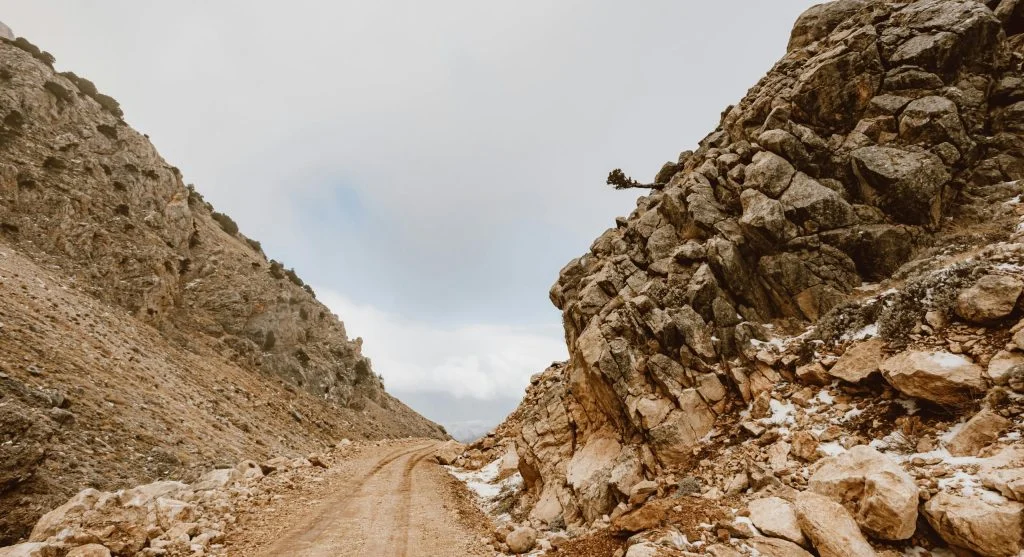
How a dry but loose trail changes walking rhythm
One of the earliest signs of loose trail conditions is a change in rhythm. Steps stop feeling clean and repeatable. Push-off becomes less solid, and the feet may hesitate slightly before landing with full weight. A dry but loose trail often affects pace before hikers consciously realize the reason.
Fitness specialists often explain that rhythm usually reveals surface change faster than the eye does. Hikers may feel that the trail is getting less smooth without seeing one obvious hazard. That feeling often means the top layer of the surface is moving more than expected under each step.
Why descents make dry loose ground feel much harder
Loose dry surfaces often become most noticeable on the way down. Descents already require the body to control speed and braking. Once dust, pebbles, or dry grit reduce traction, each downhill step can feel less secure. A dry but loose trail may therefore seem easy while climbing and then suddenly feel more difficult once the route turns downward.
Trail safety educators often explain that this is why dry descent sections deserve more attention than hikers often give them. The surface may not look dangerous, but the combination of slope and looseness can quickly change how much control the body needs.
How trail edges and worn lines can make the problem worse
On popular or exposed trails, the most walked line may become dusty and unstable while the edges begin crumbling or sloping away. Hikers may stay in the obvious center line and still find that footing feels less reliable than expected. In these places, a dry but loose trail often reflects use and erosion more than weather alone.
Outdoor guides often explain that the most visible path is not always the most supportive one. Sometimes a slightly firmer line exists a step to one side, while the main tread has become polished with dust or littered with small loose material.
Why hikers often blame themselves before they blame the surface
When a trail feels awkward, many hikers assume they are just moving poorly or feeling more tired than they should. Often the surface changed first. Dry trail surfaces can make the body seem less steady even when the real cause is reduced traction rather than weaker balance. This can make the route feel frustrating because the hiker senses the problem before clearly identifying it.
Outdoor coaches often explain that understanding the surface usually makes the next section easier. Once hikers recognize that the trail is dry but loose rather than truly firm, they often make more sensible pace and stride adjustments without judging themselves as harshly.
How hikers can read loose dry ground earlier
Several clues often help. Dusty color, small scattered stones, crumbly edges, dry topsoil over harder ground, and shinier patches of worn dirt can all suggest less grip than the surface first appears to offer. Hikers who notice these signs early usually move more smoothly because they are ready before the first awkward step happens.
Outdoor instructors often recommend watching for the first small sign of sliding or unstable push-off and treating it as useful information. That often works better than waiting for a larger slip to prove that the surface was not as stable as it looked.
How small early changes make the trail feel easier again
Most helpful responses are simple. Slightly shorter steps, calmer pace, and better attention to the next few landing spots often make a dry but loose trail feel more manageable right away. The goal is not to treat the whole route as dangerous. The goal is to stop walking on it as if it were firm packed dirt when it no longer is.
Movement specialists often explain that many trail problems stay small when hikers respond early to looseness. Once pace and posture match the surface, the route often feels less tiring and less frustrating even though the ground itself has not changed at all.
Frequently Asked Questions
Q: Can a dry trail still be slippery or unstable?
A: Yes. A trail can be dry and still loose if dust, gravel, or worn soil reduce traction. Dry conditions do not always mean firm footing.
Q: Why do hikers often miss loose dry ground?
A: Many hikers associate dryness with safety and therefore pay less attention to traction. The trail may look simple even when the top layer has become unstable.
Q: What is the first sign that a dry trail has become loose?
A: A common early sign is that steps stop feeling smooth. Push-off may feel less solid, or the feet may begin making more small balance corrections than before.
Q: What helps most on a dry but loose trail?
A: Shorter steps, calmer pace, and earlier surface awareness usually help the most. These small changes often improve control before the route becomes tiring or frustrating.
Key Takeaway
A dry but loose trail often feels more stable than it really is because hikers naturally trust dry ground more than damp ground. Yet dry trail surfaces can still reduce traction and break walking rhythm when dust, gravel, or worn soil build up on top. Hikers usually move better when they notice looseness early and adjust pace before the surface starts controlling the trail for them.