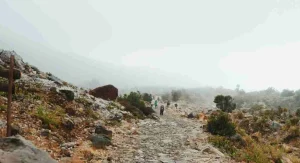

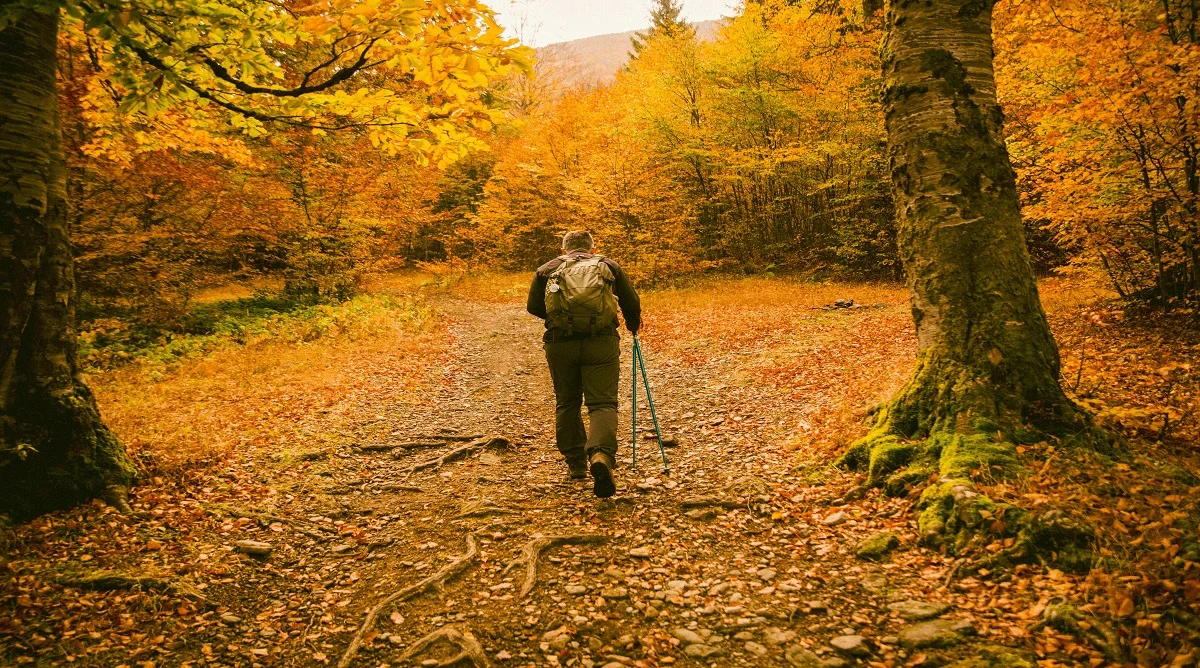
Changing trail surfaces often affect a hike before hikers fully realize what has shifted. A trail might start on smooth dirt and then quickly transition into gravel, roots, wet leaves, rock, or loose dust. At first, the difference can seem minor. Then the pace begins to slip, steps feel less steady, and the route suddenly becomes more tiring than it did earlier.
Outdoor educators often explain that trail awareness is not just about signs or direction. It also involves paying attention to how the ground behaves underfoot. Movement specialists note that many hikers only react to surface changes after their efficiency has already dropped. That delayed adjustment is one reason changing trail surfaces can quietly turn an easy hike into a slower, more demanding one.
Why changing trail surfaces are easy to overlook at first
Many hikers focus more on scenery, distance, or the next turn than on subtle changes in ground texture. The trail may look similar overall, so the brain assumes nothing has changed even when footing becomes less stable. Changing trail surfaces are often missed at first because the shift happens gradually rather than all at once.
Outdoor instructors often point out that hikers tend to notice the effect before the cause. They may feel slower or less steady, then later realize the surface has shifted from firm ground to something softer or more uneven.
How smooth dirt creates a different pace than rougher ground
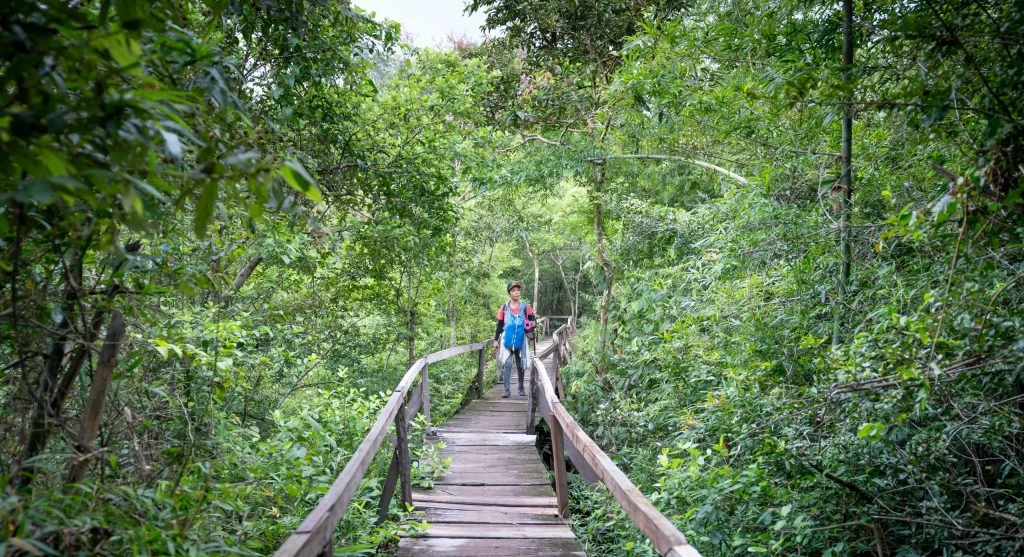
Smooth dirt trails usually support a steady, natural rhythm. The body can move without constant adjustment, making the pace feel efficient. When the surface shifts to uneven terrain, that rhythm begins to break. Each step requires more attention, and pace often slows even if the hiker is trying to maintain speed.
Fitness specialists often explain that efficient walking depends on consistent footing. When the surface becomes unpredictable, the body uses more energy to maintain balance and adjust movement. This extra effort often shows up as fatigue before the surface itself is recognized as the cause.
Why gravel and loose dirt change hiking pace quickly
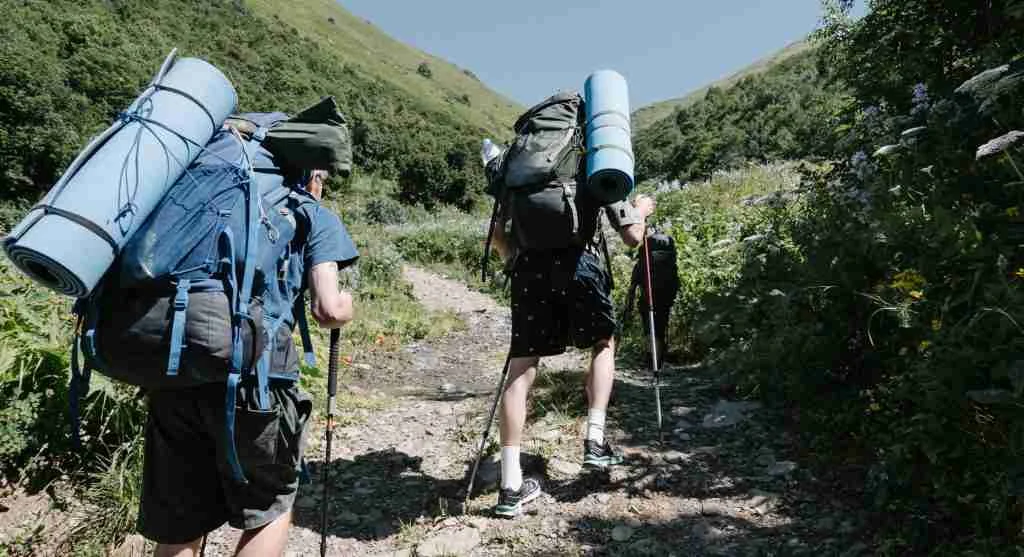
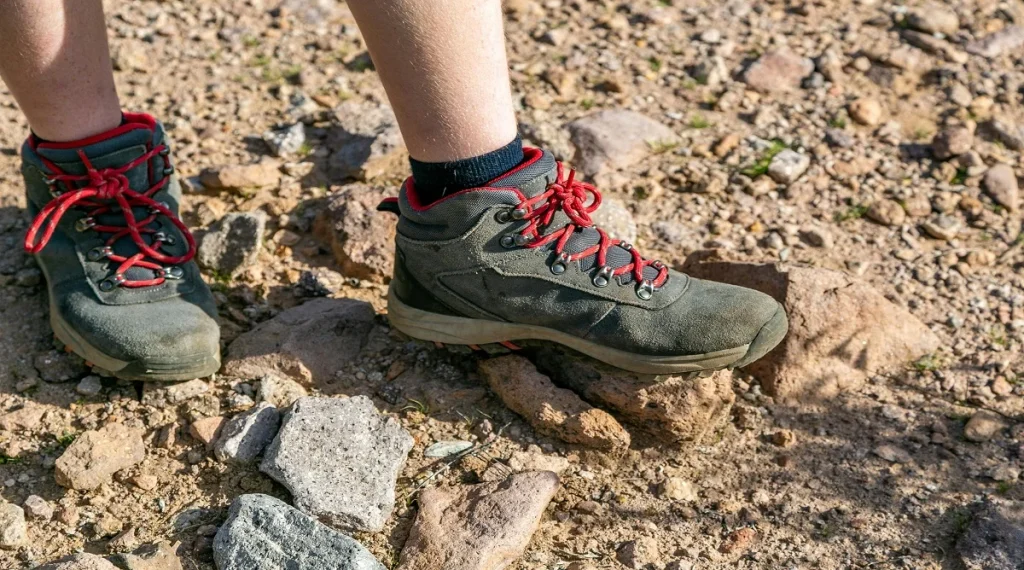
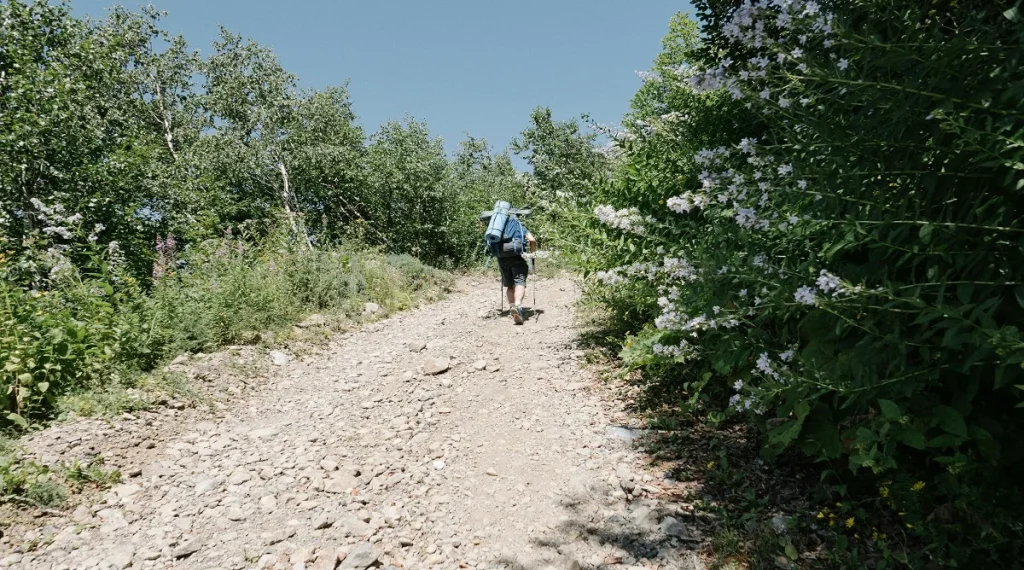
Loose gravel and dry, dusty surfaces often reduce traction without appearing especially difficult. At first, hikers may feel stable, but their steps don’t push off as cleanly as they do on firm ground. Changing trail surfaces like these can lead to subtle shifts in pace because the body naturally begins to move more cautiously, even without a conscious decision to slow down.
Trail safety specialists often note that loose surfaces are easier to manage with shorter steps and steadier movement. Hikers who try to maintain the same stride as they would on firm ground often use more energy correcting their balance than they realize.
Credit: Lisha Dunlap / Pexels
How roots and rock create uneven trail footing
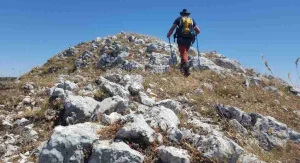
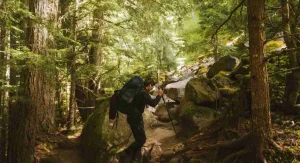
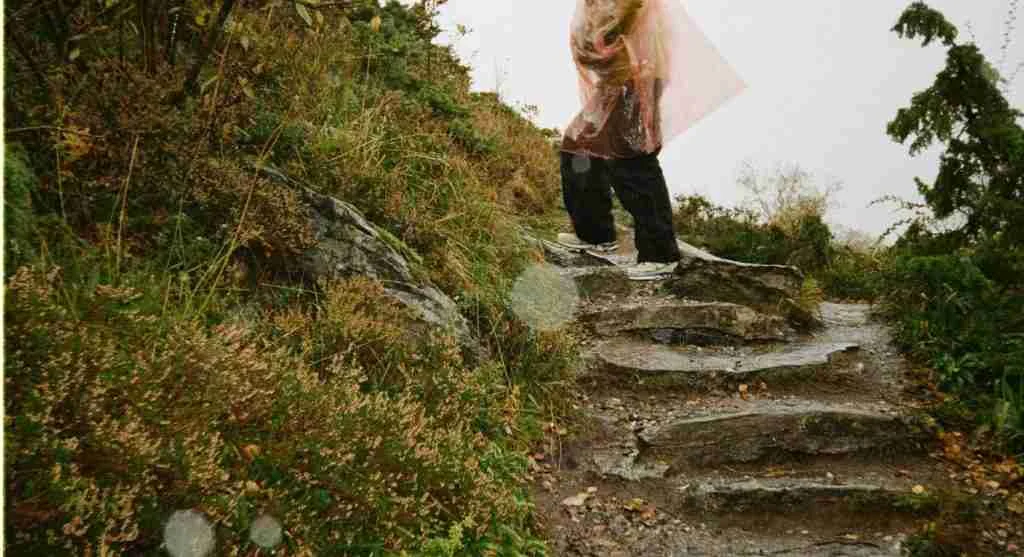
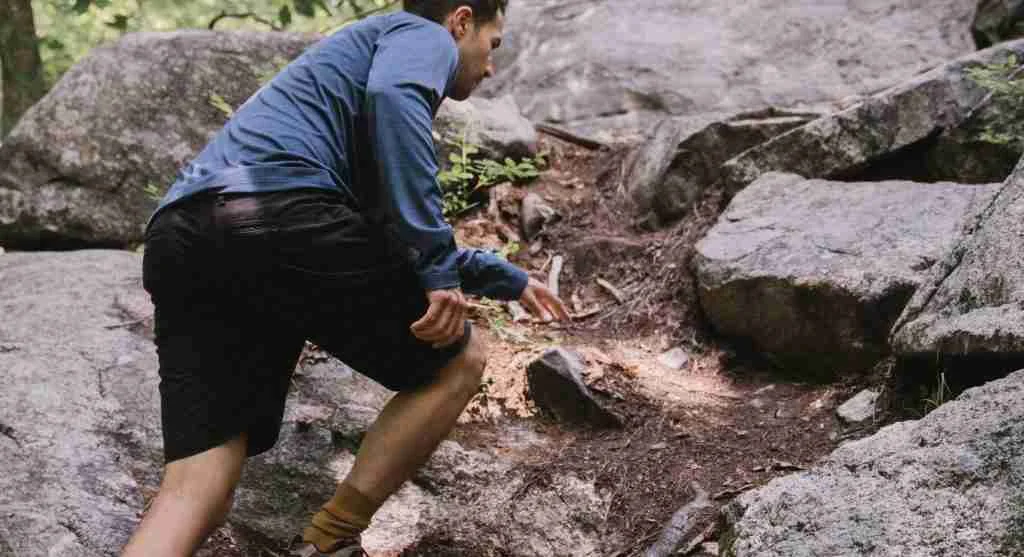
Roots and rocks affect the trail in a different way than loose surfaces. Instead of shifting underfoot, they change the shape and angle of each step. Uneven trail footing like this often requires more careful placement and frequent balance adjustments. From a distance, the trail may not look much slower, but once attention catches up, the body usually feels the difference right away.
Movement educators often explain that these surfaces demand more from the feet because each step may land on an angle or at a slightly raised point. This naturally leads to more cautious movement, which helps with safety but usually slows the pace as well.
Why wet leaves and damp ground can hide surface changes
Wet leaves, mud, and soft damp patches can make changing trail surfaces harder to read because they cover what’s underneath. A section may appear smooth but hide roots, holes, or slippery spots. This can disrupt confidence or rhythm, especially if the change is only noticed after a slight slip or awkward step.
Outdoor safety trainers often note that these conditions reward earlier awareness. Hikers tend to move more smoothly when they recognize signs like moisture and leaf cover before the footing becomes unstable.
How changing trail surfaces affect energy over longer hikes
The biggest impact of surface changes is often not immediate risk but gradual energy loss. A hiker may stay safe and keep moving, yet still use more energy because the body is constantly adjusting to uneven ground. Changing trail surfaces can make a route feel longer and more tiring without increasing the actual distance.
Endurance coaches often explain that this is why some hikes feel harder than expected, even in good weather and on moderate terrain. The ground itself can quietly increase effort over time.
Why trail awareness improves comfort as much as safety
Some hikers think surface awareness only helps prevent slips, but it also affects comfort, pacing, and energy use. Noticing the ground early helps hikers decide when to shorten stride, slow down slightly, or focus more on foot placement. These small adjustments often make the hike feel smoother, not just safer.
Outdoor instructors often point out that hikers who recognize surface changes early tend to move more naturally. Early awareness helps avoid the stop-and-start pattern that happens when the body is constantly reacting to unexpected footing.
How hikers can notice surface changes sooner
Hikers often improve by looking for patterns instead of waiting for a stumble. Changes in trail color, the appearance of loose stones, darker damp areas, visible roots, or a shift from soil to exposed rock can all signal that movement needs to adjust. These signs usually appear before pace changes become obvious.
Trail coaches often suggest asking simple questions from time to time: Does the ground still provide a firm push-off? Is the stride still smooth? Has balance needed more correction lately? These checks can reveal changing trail surfaces before the hike begins to feel difficult or unexpectedly tiring.
Credit: Darina Belonogova / Pexels
Frequently Asked Questions
Q: Why do changing trail surfaces slow hikers down so much?
A: They change how the body balances, lands, and pushes off with each step. Even small surface shifts can make movement less efficient and reduce pace over time.
Q: What trail surfaces cause the biggest pace changes?
A: Loose gravel, rocky ground, wet leaves, roots, and muddy patches often create the biggest changes because they reduce traction or interrupt stable foot placement.
Q: Is uneven trail footing always dangerous?
A: Not always, but it usually asks for more attention and energy. Even when it is manageable, it can still make the hike feel slower and more tiring than expected.
Q: How can hikers respond better when the trail surface changes?
A: Many hikers do better by shortening stride, slowing slightly, and noticing the next few steps more carefully. Early adjustments often make the trail feel smoother and less tiring.
Key Takeaway
[INTERNAL LINKING SUGGESTIONS]
- How to Cross Rocky Trail Sections Without Losing Rhythm or Wasting Energy
- Why Trail Distance Alone Does Not Tell Hikers How Hard a Route Feels
- Why Shorter Hiking Steps Often Make Tough Trails Feel More Manageable