
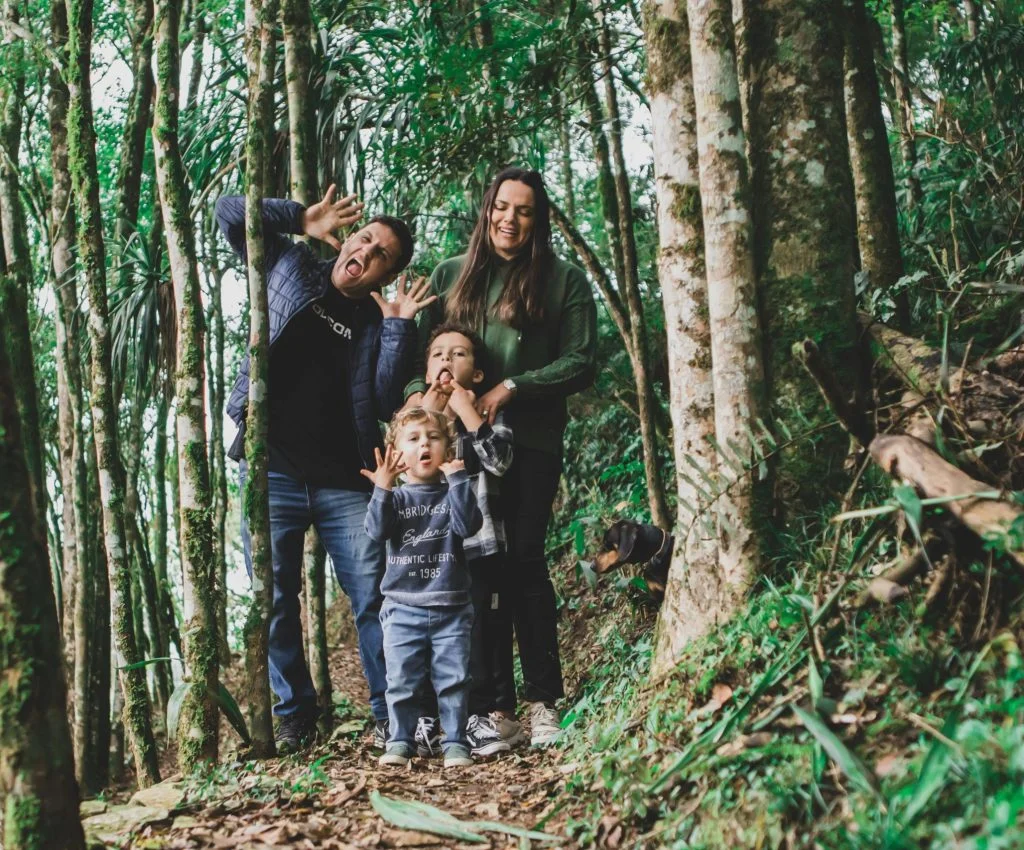
Early nature stops often make family hikes feel easier for young children because they match the way children naturally experience a trail. Adults may think of a hike mainly as a route from start to finish. Children often experience it through moments. A bug on a leaf, a bird sound, a patch of moss, or a fallen pine cone may matter more to them than the next half mile.
Outdoor family educators often explain that family hiking with children works best when movement and curiosity support each other instead of competing. Recreation specialists also note that kids trail attention often drops faster when the hike feels like only walking. Early nature stops can help keep the route interesting before boredom and fatigue begin building.
Why early nature stops help children settle into the trail
Young children often need a little time to adjust to the rhythm of a trail. The ground feels different, the pace feels different, and the setting may be full of new sounds and textures. Early nature stops help because they let children connect with the environment before the hike starts feeling like one long task.
Outdoor instructors often explain that a child who feels allowed to notice the trail early often becomes more willing to keep walking afterward. The route starts to feel like exploration rather than like a demand to keep up with adult pace from the first minute.
How family hiking with children changes the role of breaks
Adults often think of breaks mainly as rest. With young children, breaks can also be part of what makes the hike work. Early nature stops are often useful because they are not only about recovering energy. They also help children focus, stay interested, and feel that the trail includes things for them too.
Family recreation specialists often note that these early pauses can reduce later resistance. A child who has already had a few enjoyable trail moments may be less likely to become frustrated when the walk becomes longer or less exciting later on.
Why kids trail attention often fades when a hike feels too direct
Children usually pay attention differently than adults do. A long continuous stretch of walking may feel efficient to a parent but repetitive to a child. Early nature stops can help because they break the outing into smaller pieces that feel easier to understand and enjoy.
Outdoor educators often explain that attention is often the real challenge on family hikes, not only distance. Once children stop feeling curious, the route can quickly start feeling much longer. Small early pauses often protect curiosity before that shift happens.
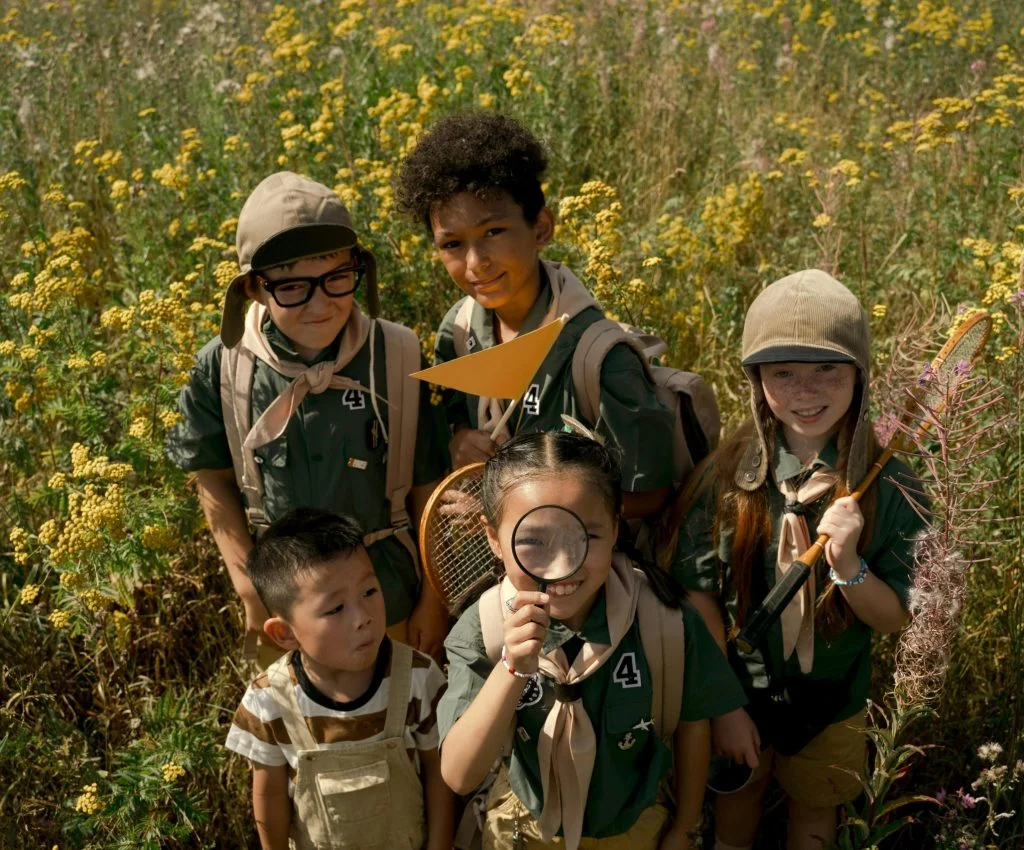
How early stops support easier family hikes later
Many parents expect the first part of the hike to be the easiest, so they try to keep moving while energy is still high. Sometimes that works. Often, early nature stops make easier family hikes later because they prevent the outing from becoming too adult-directed too soon. Children who feel connected early often continue more calmly afterward.
Outdoor parenting specialists often explain that trail cooperation usually improves when children feel seen in the experience. A short stop to notice a flower, bird, stream, or rock can do more for the next half hour of walking than repeated reminders to keep going.
Why these stops are different from long rest breaks
Early nature stops do not need to become long interruptions. In many cases, they work best when they are brief and light. A minute to listen for birds or notice a tree pattern may be enough. The goal is not to stop constantly. The goal is to let the child engage with the trail before it starts to feel too repetitive.
Outdoor guides often explain that this difference matters. Long breaks can sometimes make restarting harder. Short engaging pauses often do the opposite. They refresh attention without taking the family completely out of the hike’s rhythm.
How nature stops help children feel progress differently
Adults often measure trail progress by distance covered. Children often measure it by what they have noticed and experienced. Early nature stops help because they give the outing small memorable points. A child may remember the feather, the bridge, or the tiny mushroom patch more clearly than the mileage.
Family hiking educators often note that this can make the hike feel shorter to children. The trail no longer feels like one long stretch of walking. It becomes a series of interesting moments joined by manageable walking in between.
Why early stops often help before children seem tired
These pauses often work best before the child is already complaining or clearly fatigued. If parents wait until boredom is obvious, the trail may already feel long and difficult. Early nature stops help because they support the outing while the child is still open, curious, and willing to engage.
Outdoor coaches often explain that prevention usually works better than correction on family hikes. A short pause at the right early moment often protects the whole mood of the route better than trying to fix things once frustration has already begun.
How parents can choose good nature stop moments
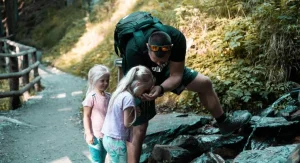
Good stops are often easy to find. A bird call, a shaded stream edge, a big tree root, a patch of flowers, or a trail sign with something visible nearby can all work well. The best early nature stops usually feel natural to the route rather than forced into it.
Outdoor family program leaders often recommend noticing what draws the child’s attention on their own. That interest often gives the parent the best signal for when a stop will help the most. When the pause fits the child’s curiosity, it usually feels smooth instead of disruptive.
Why easier family hikes often come from better rhythm, not shorter distance
Some family hikes feel difficult not because they are too long, but because the rhythm never matches the child. Early nature stops often create a rhythm that feels more balanced. Walking, pausing, noticing, and moving again can fit young children much better than expecting one steady adult pace from beginning to end.
Outdoor educators often explain that this rhythm can make a moderate route feel far easier than a shorter hike handled with constant pressure to keep moving. In many cases, the trail becomes easier because the family adjusted to the child, not because the child suddenly learned to hike like an adult.
Frequently Asked Questions
Q: Why do early nature stops help children on hikes?
A: They help children connect with the trail before boredom or tiredness builds. This often makes the walk feel more interesting and manageable.
Q: Do early nature stops make family hikes take too long?
A: Usually not. Short engaging pauses often improve cooperation and reduce later frustration, which can actually make the hike feel smoother overall.
Q: What makes a good nature stop for young children?
A: Good stops are usually simple and visible, such as birds, leaves, flowers, insects, tree roots, or water. The best ones match what the child already notices.
Q: Should parents wait until children seem tired before stopping?
A: Often no. Early nature stops usually work better before the child is clearly bored or tired because they help protect attention and mood from the beginning.
Key Takeaway
Early nature stops often make family hikes feel easier because they support kids trail attention, curiosity, and pacing before the route starts feeling long. Family hiking with children usually works best when short pauses are used to connect children with the trail instead of only asking them to keep moving. In many cases, a better early rhythm makes the whole hike feel simpler for everyone.