
A nice hike with the children can be the thing that makes a family day out lovely…or a drag that feels neverending to everyone. What adults find good for a walk isn’t necessarily good for kids. How far it is, what the ground is like, how interesting it looks and places to pause are all much more important when you’re hiking with your family.
People who teach outdoors usually say you should pick a path for a family hike that’s comfortable and will hold everyone’s attention, not one that is challenging. And specialists in fun outside say children will generally be happier on trails with little things to find, a slow and steady speed, and obvious markers of how much of the trail you’ve done.
Why kid-friendly hiking trails start with realistic distance
How far something is is typically the first thing families consider, and understandably so. Trails that are good for kids don’t seem too difficult as they allow for a slower pace, stops along the way, and little detours. Kids in fact will likely use up more energy on a trail than you might think; bumpy ground and hills need them to concentrate and work harder.
People who are experts in family fun suggest starting with shorter walks, even if the children are eager to start a long one. A trail that finishes well, with everyone feeling good, is more likely to give children confidence for the future, rather than one that is exhausting by the time you get to the end.
How trail surface affects hiking with kids
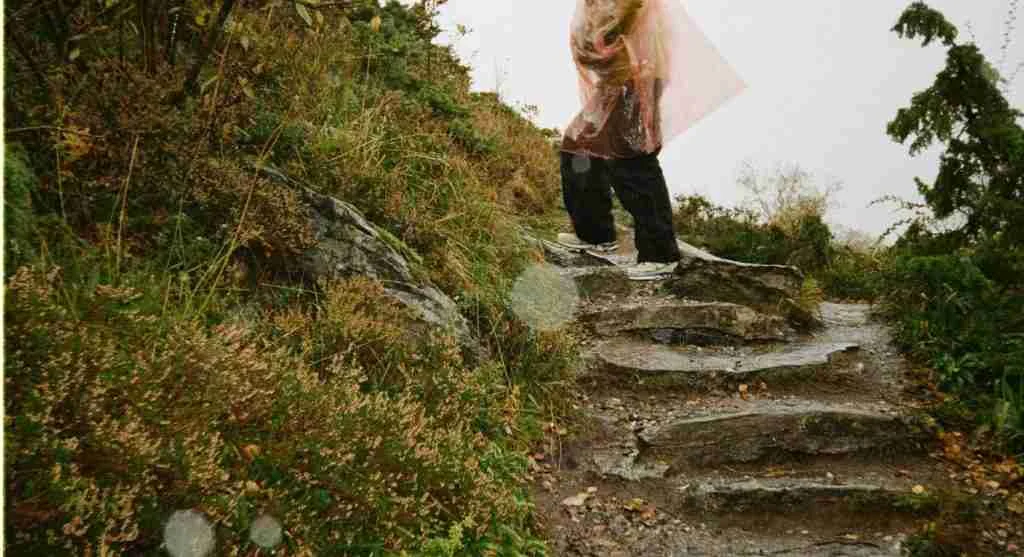
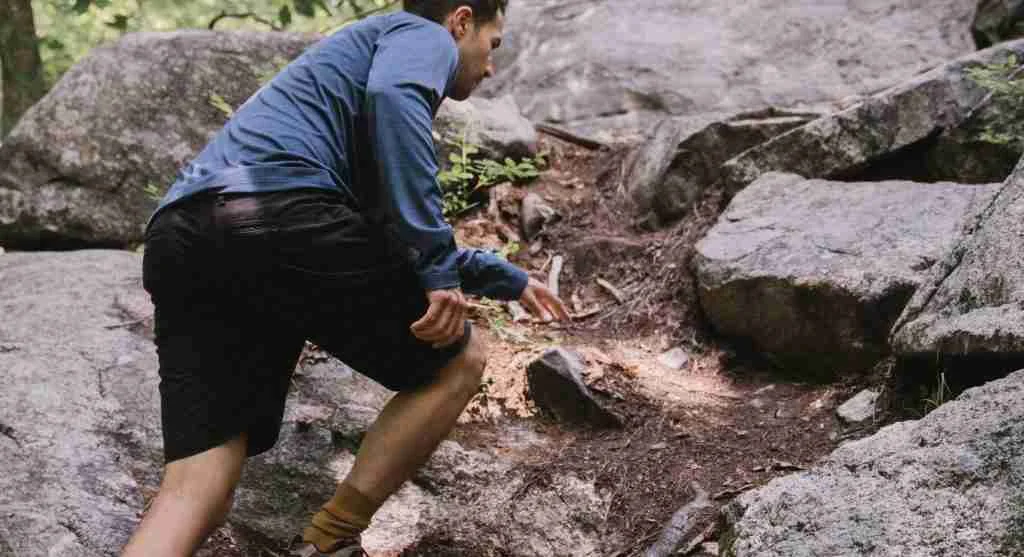
Trails that are easy for kids are generally much smoother and don’t have many things to unexpectedly get in the way. For children, paths of packed dirt, wide spaces to walk and gentle hills are a lot simpler than ground covered with stones or tree roots. With surfaces like that, kids can walk with more stability and won’t get as many annoying falls or trips.
People who teach about being safe outside say kids really notice how a trail feels to walk on. A trail that an adult thinks isn’t too bad might actually be exhausting or odd for little walkers, because they have to work at their balance with every single step.
Why interesting features matter on family hiking routes
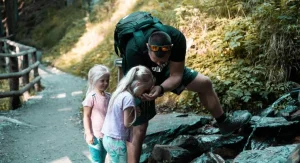
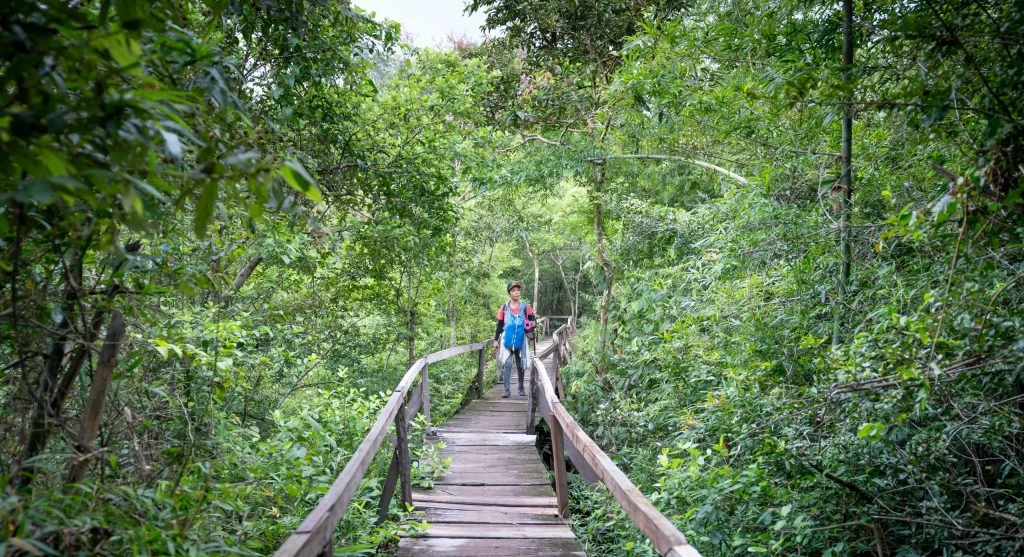
Kids generally enjoy a trail a lot more if there’s plenty to look at while walking. Things like streams, bridges, large trees, lovely views, birds, and interestingly shaped rocks all make a hike feel more interesting. Trails for children are normally more successful at keeping them occupied when the trail itself gives them little things to enjoy before they get to the end.
Experts in outdoor education regularly say that how interesting something is can be as important as how far it is. A short trail with lots of different things happening on it might actually seem easier to a child than a long, flat trail with nothing to break up the sameness.
Credit: Serg Alesenko / Pexels
How elevation changes influence easy trails for children
How much a path goes up and down can really alter a family hike. Slopes that aren’t too severe are generally good, as they keep things interesting without being overly exhausting. But noticeably steeper trails will likely wear kids out sooner, and getting back down will seem much more difficult.
Experts in being active say that when children walk uphill for a long time, it’s different for them to do because they’re more inclined to speed up and slow down by themselves. A long, steep climb could mean they have a harder time being cosy and wanting to continue.
Why access and facilities matter more for families
When hiking with children, trails are generally much better if they are easy to get to. Having a parking place that isn’t difficult, a trail start that’s obvious, toilets nearby, and a straightforward place to actually begin your walk can mean a lot less worry before you’ve even taken a step. Families do well with paths that are easy to get going on and also simple to abandon if something happens and you need to go back.
Park rangers have frequently said trails where it’s easy to find the beginning help families be more adaptable. A trail where you can turn around and go back relatively soon, and without needing to do anything difficult, will make the whole trip seem much easier to handle.
How pacing expectations shape the full trail experience
When you hike with children, you’re generally going to go at a speed more suited to them than if you were with only adults. They’ll frequently halt to examine bugs, leaves, water or interesting notices. It’s better for everyone if grown-ups plan on this being a slower journey from the start, and don’t see each stop as a setback.
Those who teach outdoors often suggest you should consider these little breaks to be a normal part of the hike, not things that get in the way. And a change in thinking like that is what frequently makes the whole experience much more peaceful and fun for all involved.
Why turnaround flexibility improves family hiking
Even if you’ve carefully selected a route, you might have to make it shorter. The weather can change quickly, kids can get bored, or the path might be more difficult than you thought. Trails that are good for children are generally the ones where you can easily change your plans without ruining the whole day.
Park professionals often say you shouldn’t judge a family hike by whether you finish the entire trail as you intended. In fact, a shorter walk where everyone is still feeling good about things is a much better way to build a lasting love of hiking in your family than trying to go too far.
How families can recognize a strong first trail
That first hike you take on a path should be fairly easy, hold a kid’s attention, and not be too punishing. It needs to have changes of scenery to be interesting, places to pause without being crammed in, and the option of slowing down or even going home. What looks like a little hike on a map is often a much more satisfying experience for children.
People who run outdoor activities recommend talking about the trip afterwards. Families can write down what the kids liked the best, when they began to get tired, and how long the trail was. These little details usually make picking the next hike for the family a lot easier.
Credit: Monika Balciuniene / Pexels
Frequently Asked Questions
Q: What makes a trail kid-friendly?
A: Kid-friendly hiking trails usually have manageable distance, gentler terrain, clear paths, and features that keep children interested. Flexibility and comfort are often more important than difficulty ratings alone.
Q: How long should a family hiking route be?
A: That depends on age, terrain, and weather, but shorter routes often work best at first. Families usually do well when they leave space for slower movement and regular stops.
Q: Are flat trails always best for children?
A: Not always. Gentle hills can add variety and interest, but steep or sustained climbs may feel tiring too quickly. The best easy trails for children usually balance comfort with enough change to stay engaging.
Q: Why do children sometimes struggle on short trails?
A: Trail surface, heat, boredom, or repeated climbs can all make a short route feel harder. Distance is only one part of how a trail feels for children.
Key Takeaway
When hikes are good for kids, they generally get things right with how far they are, what the ground is like, how interesting they are, and how easy it is to change plans. Families with children typically enjoy their hikes most when the path isn’t too long (so everyone stays happy!) but is interesting enough to keep them occupied. Planning a family hike with consideration for these things will help your kids have fun on the trail and will make it easier to arrange hikes in the future.