
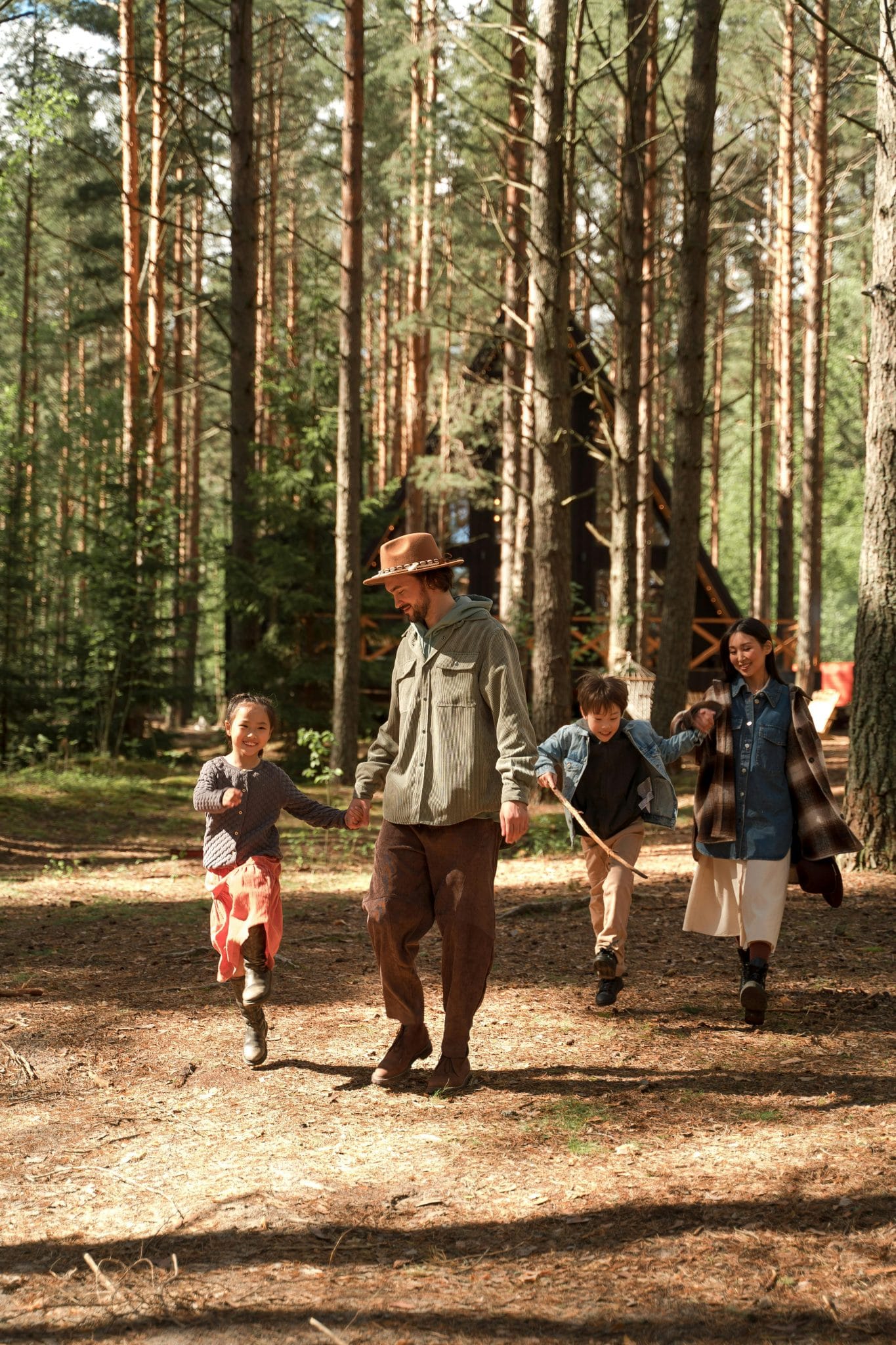
How quickly or slowly you go on a family hike is typically what makes it fun or completely draining. Kids aren’t generally happy going at the speed, for the length of time, or with the same flow that adults are. A trail an adult might think is easy could feel extremely long and tiring for a child if the walking speed doesn’t suit their energy levels, how much they can focus, and the nature of the ground.
Experienced outdoor instructors with kids say that getting the timing right is more important for a good hike than covering a certain number of miles. People who are in the business of fun also say children will be much happier on a hike that is consistent, can be changed to suit things, and has interesting points along the way instead of being hurried. And a good pace for a family on a trail will save everyone’s strength for the entire hike.
Why pacing a family hike should start slower than adults expect
Lots of grown-ups start a family hike as they normally would, but then the kids quickly drop behind or get bored. For a family hike, it’s generally better to begin at a pace that feels almost too relaxed, rather than a little too speedy. Kids require a bit of time to get used to the way the path is under their feet, the temperature outside, and changing from the buzz of the car park to a steady walking beat.
Experienced outdoor leaders will frequently suggest turning the very beginning of the hike into a calm warm-up for everybody. Starting more slowly allows the children to find their stride on the trail, and gives the adults a chance to figure out a sensible speed for the whole group before the path gets tougher.
How trail surface changes family trail pace
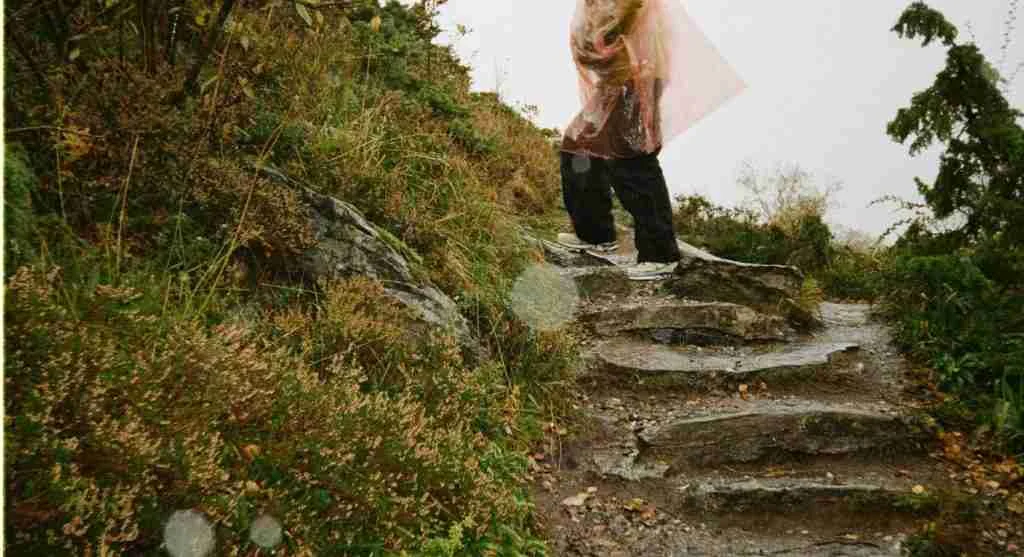
Trail surface affects children more than many adults expect. Smooth dirt paths, wide gravel trails, and mild slopes usually support a steadier family trail pace than rooted, rocky, or muddy terrain. Even children with plenty of energy may slow down quickly if every step requires balance and attention.
Outdoor safety specialists often note that kids hiking energy is influenced by more than distance alone. Uneven ground can make short trails feel tiring because the body is working harder with each step. A family hike often goes better when adults adjust speed to footing rather than only to the map.
Why children need more flexible pacing on climbs
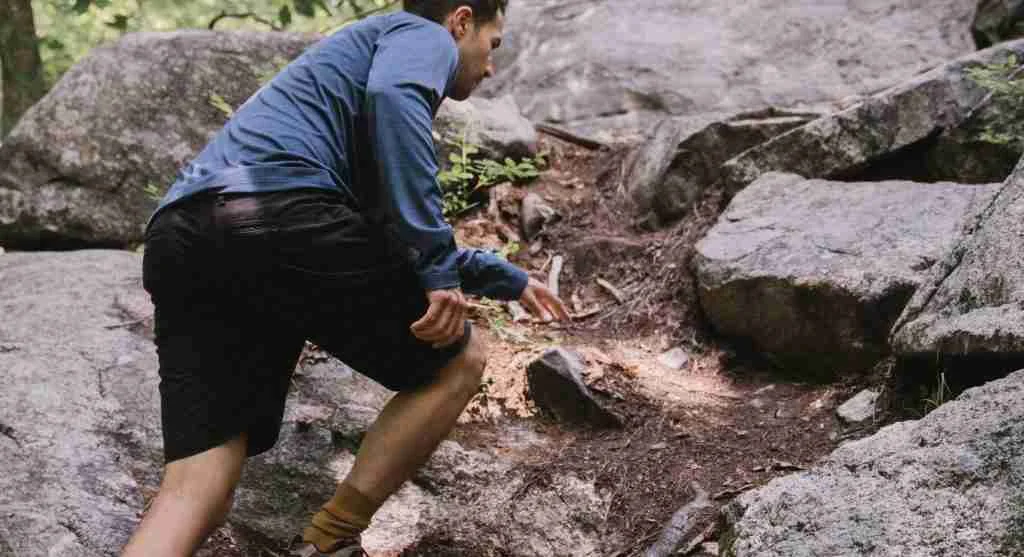
When you’re hiking uphill, a family trip feels quite different. Grown-ups will probably find themselves leaning into the climb and just continuing on, but kids’ speed is much more likely to change. Getting a family up a hill means you generally need to walk in small, energetic sections, go slower, and be a lot more patient than you would on a level path.
People who teach about being active say children don’t use up energy evenly. They’ll run around for a little while, then very quickly want to stop. It’s best to be able to adapt to this, rather than expecting them to keep going at one steady speed all the way to the summit like an adult.

Credit: Julia M Cameron / Pexels
How short breaks help without disrupting the full hike
Breaks can protect energy, but they often work best when they stay short and intentional. Long stops may cool children down too much, reduce focus, or make it harder to restart. Hiking with children usually feels smoother when families use short pauses for water, snacks, or observation before tiredness becomes obvious.
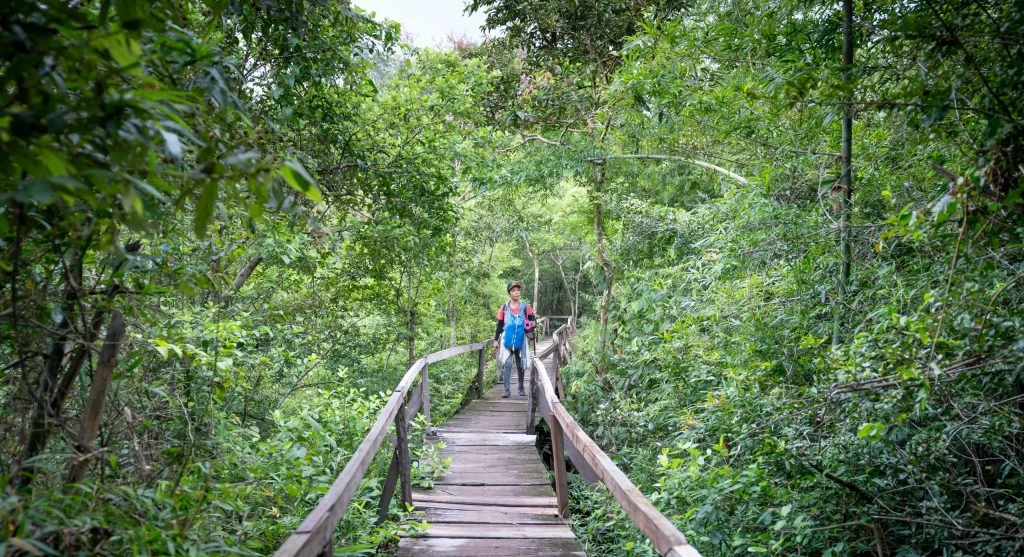
Recreation leaders often suggest using natural trail moments for breaks, such as a bridge, a large rock, or a small viewpoint. This gives children a clear reason to stop and restart without making every pause feel random.
Why interest level affects kids hiking energy
Children often stay active longer when the trail offers something to notice. Streams, birds, fallen logs, open views, and small trail features can all support energy because they shift attention away from distance. Pacing a family hike becomes easier when interest and movement work together instead of competing.
Outdoor learning specialists often explain that boredom can feel like tiredness on the trail. A child who complains about walking may respond differently once the hike includes a simple goal, a nature game, or something new to observe around the next bend.
How adults can avoid rushing the slowest hiker
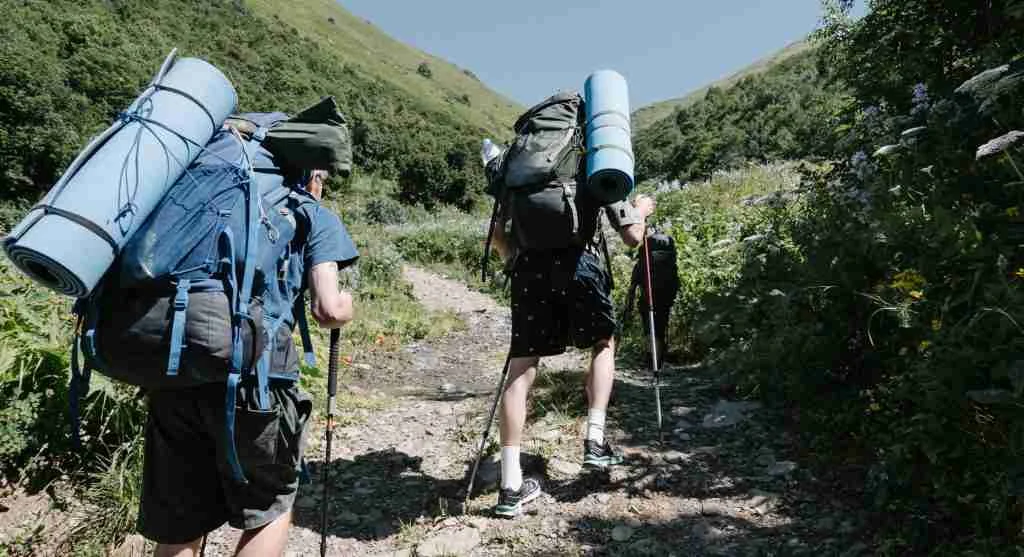
One of the most common family hiking mistakes is setting the pace by the strongest walker instead of the slowest one. When children feel rushed, they often use more energy, lose enjoyment, and become less steady on uneven terrain. A better family trail pace usually follows the person who needs the most time, not the person who needs the least.
Outdoor educators often remind families that group success is rarely about covering ground quickly. It is about helping everyone finish with enough comfort to enjoy the return and feel good about hiking again.
Why snacks and hydration support pacing a family hike
Kids are affected by food and water and how fast they go on a walk a lot more than grown-ups typically think. They can get slower or even grumpy when they’re hungry or haven’t had enough to drink, and this is true even on pretty easy trails. When you’re hiking with the family, things generally go better if the adults give out little snacks and drinks fairly often, before the children get completely exhausted.
People who are experts in being safe outside suggest getting food and hydration into the routine of things, instead of only dealing with them when the kids start to ask for something. It’s much more effective to give support in smaller amounts as you go, rather than to have to stop for a long break after the kids are already tired.
How to know the hike is moving at the right pace
A good pace usually feels calm rather than impressive. Children should be able to keep moving without constant pressure, and adults should still feel in control of time and energy. Family hiking often works best when the group can talk, stop briefly, and continue without repeated frustration.
Outdoor program leaders often suggest watching for simple signs. Stable walking, curiosity, normal conversation, and manageable breaks often show that the pace is working. Frequent complaints, dragging feet, or repeated stumbles often suggest it is time to slow down or shorten the route.
Frequently Asked Questions
Q: What is the best pace for hiking with children?
A: The best pace is usually the one that matches the slowest child comfortably. A steady and relaxed family trail pace often works better than trying to cover distance quickly.
Q: Why do children get tired early on some hikes?
A: Pace, terrain, boredom, heat, and lack of snacks or water can all affect kids hiking energy. Distance alone usually does not explain early fatigue.
Q: Should families take lots of breaks on hikes?
A: Short planned breaks often help more than long irregular ones. The goal is to protect energy without losing the overall rhythm of the hike.
Q: How can adults tell if the pace is too fast?
A: Frequent complaints, repeated stumbles, silence from tiredness, or children falling far behind often suggest the pace should slow down. Early adjustments usually help the full outing feel better.
Key Takeaway
Pacing a family hike usually matters more than hiking far or moving quickly. When adults match the route and rhythm to children’s energy, hiking with children often feels smoother, calmer, and more enjoyable. A steady family trail pace, short breaks, and simple flexibility can help children stay comfortable for the full outing.