
Autumn hikes are attractive because the air is cooler, the leaves are lovely shades of color, and it isn’t as scorching as in summer. However, as the weather changes in fall, a path you know well will feel different to walk on and you’ll have less time to finish it. That route which was perfect in August probably needs a revised approach by October.
When it comes to fall weather for hiking, instructors who work outside say it isn’t simply a matter of wearing an extra warm jacket. Park rangers add that with days being shorter, leaves on the ground, and much bigger changes in temperature, trails are often more difficult and take longer to traverse than many hikers realize. You’re a lot safer in the fall if you think of the season as a completely different hiking experience, rather than just a colder summer.
Why fall hiking trails often feel easier at first
When the air is cooler, it’s generally easier to push yourself, and this is really obvious on hills that would be exhausting in the summer heat. Lots of hikers say their breathing feels more even, and the trail generally feels nicer in the mornings. That’s a big reason why fall is a favourite time to hike.
However, fitness experts who work outside frequently point out that this ease can trick you into being too sure of yourself. Just because it feels simpler to walk because of the temperature doesn’t mean the length of the trail, how high you’re climbing, or how rough the ground is are any less important. You can easily find yourself underestimating how much time your hike will actually require because of how pleasant autumn is.
How shorter daylight changes autumn trail conditions
One of the biggest differences between summer and autumn trail conditions is available daylight. A route that feels flexible in midsummer may feel rushed later in the year when sunset comes earlier. Fall hiking trails often require earlier start times and clearer turnaround decisions.
Outdoor safety educators often recommend checking sunset time before leaving, not only the weather forecast. This simple step helps hikers avoid late returns, dim trail conditions, and poor visibility at important junctions.
Why leaf cover can make footing less predictable
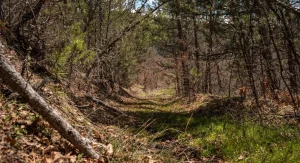
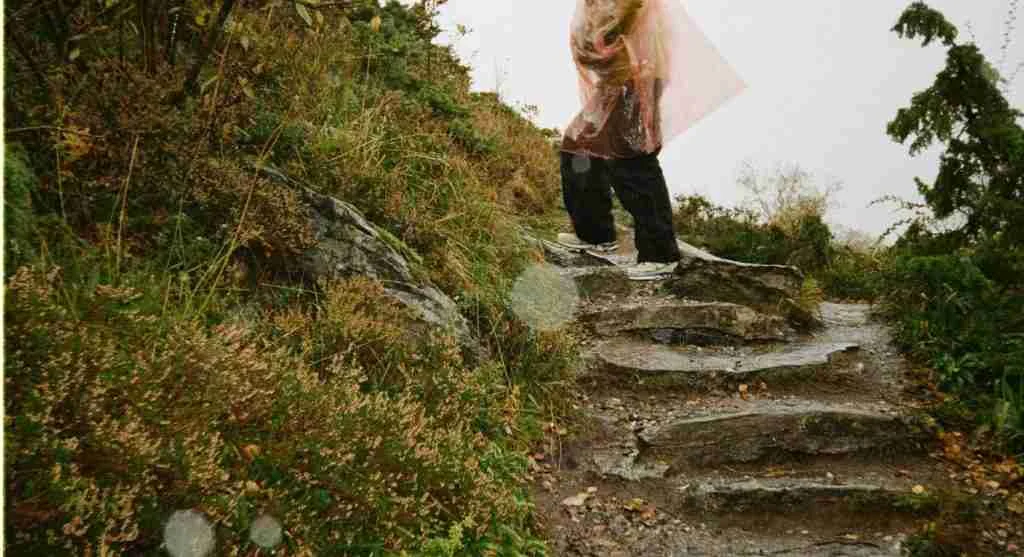
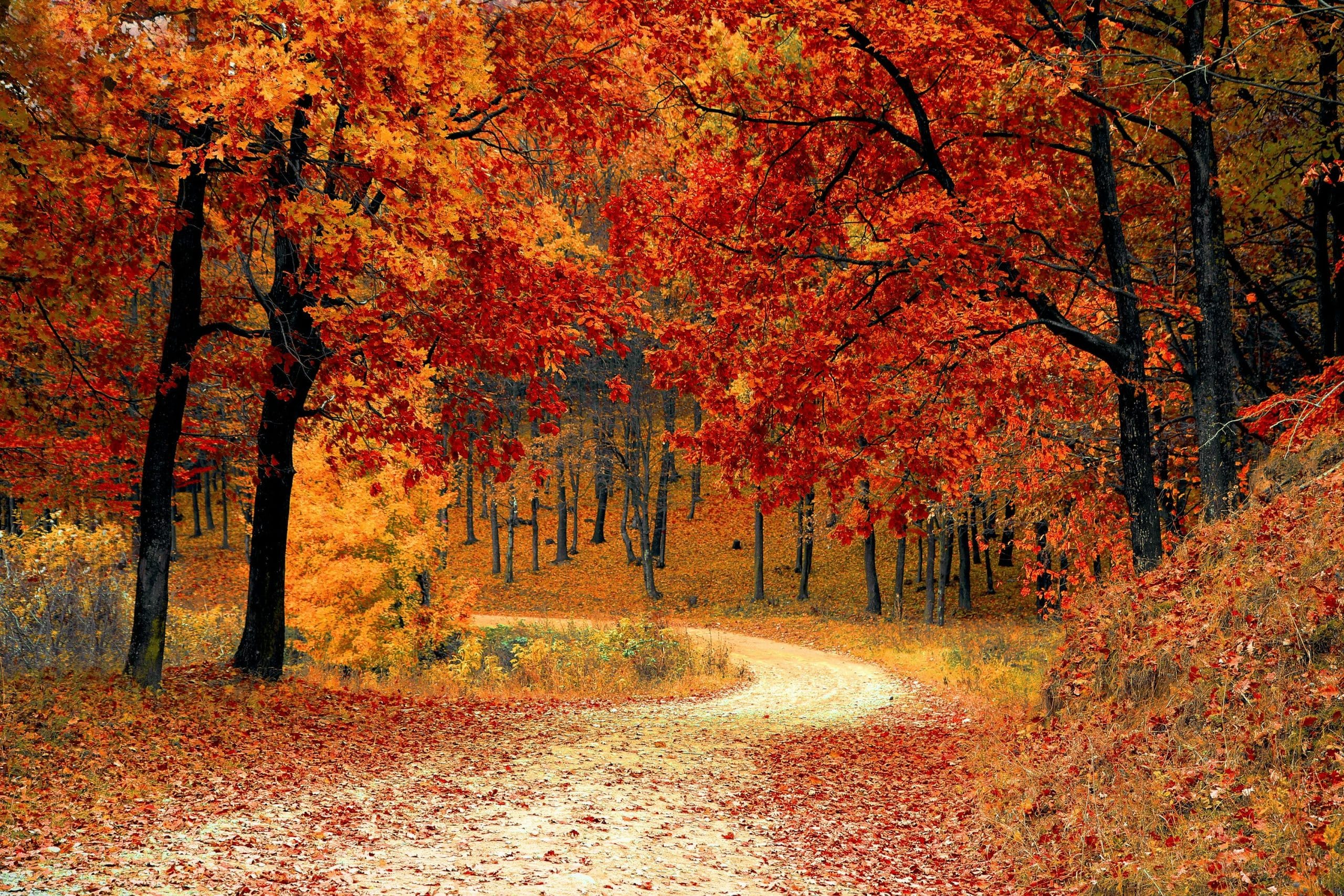
Leaves can give a path a nice, gentle appearance, and they cover up stones, roots, dips or wet spots. On autumn hikes, you’ll generally have to be a lot more mindful of where you’re putting your feet, because what you see isn’t necessarily what’s really there. In fact, a path you know really well can almost feel strange when lots of leaves are down.
People who teach about trail safety often say your speed should be a little slower with leaves. Shorter steps are a good idea, and when you are going downhill, pay extra attention because it’s harder to tell how stable the ground is under all those leaves.
Credit: Pixabay / Pexels
How hiking in fall weather requires better layering
The temperature in autumn swings up and down a lot during the day, probably more than you’d think when you’re going for a hike. It might be quite chilly at the beginning of your walk, then pleasantly warm around lunchtime, and cold again later on. For a fall hike, it’s generally best to wear a few lighter items of clothing that you can adapt to how hot you get or as the weather alters.
People who teach about clothes for being outside will frequently say you shouldn’t start your trek with a single, very heavy jacket. Staying safe while hiking in the fall is much easier when you can put layers on or off to get warmer or cooler, without needing to haul around tons of heavy clothing.
Why wind matters more on exposed fall hiking trails
Open ridges, overlooks, and exposed sections can feel much colder in autumn than nearby forested trails. Wind can quickly change comfort during breaks or at higher elevation. Fall hiking trails often feel mild until hikers leave tree cover and step into more open terrain.
Outdoor guides often explain that the body cools faster in breezy conditions, especially after a climb. A light outer layer that seemed unnecessary earlier may become important later in the route.
How fall weather can shift faster than hikers expect
Autumn weather is much more likely to shift and change from one state to another, unlike the fairly consistent weather we get in summer. You might have a sunny start to the day, but by afternoon it could be overcast, drizzly or blustery. And on the trail in autumn, spots where the sun doesn’t reach are generally cooler, meaning the ground will stay damp for longer after it rains or from dew.
Because of this, experts suggest looking at the forecast by the hour and if you can, reading up on recent conditions on the trail itself. Fall hikes are lovely, but you’ll have a better time if you prepare for many different types of weather, and don’t just expect the temperature and conditions to be consistent all day.
Why trail timing matters more in autumn
When you go hiking in the fall, it’s good to have a better idea of how the day will go. This isn’t about speeding up your hike, but about having a general idea of how quickly you’ll go, where the important path changes are, and when you should check if you’re still on track. Because the days are shorter and it gets colder in the late afternoon, keeping an eye on the time is more critical than it was during the summer.
Experienced outdoor guides suggest allowing for a little extra time in your route. This cushion will cover slower walking because of the ground, more breaks to add or remove clothing, and the way the weather in autumn naturally tends to slow you down.
How hikers can enjoy fall hiking trails more safely
Most fall hiking trails are more enjoyable when hikers respect the season’s small differences. Earlier starts, steady pacing, extra layer awareness, and more careful footing often lead to a better outing. The trail does not need to be treated as dangerous, but it should be treated as changed.
Outdoor educators often remind hikers that autumn offers some of the most rewarding trail experiences of the year. The key is preparing for shorter days, more variable surfaces, and the quiet ways seasonal change affects the route.
Credit: Johannes Plenio / Pexels
Frequently Asked Questions
Q: Why do fall hiking trails need earlier start times?
A: Autumn days are usually shorter, which leaves less margin for slower pace, extra breaks, or route mistakes. Earlier starts often reduce pressure later in the day.
Q: Are fall trails easier than summer trails?
A: Cooler temperatures can make effort feel easier, but leaf cover, shorter daylight, and changing weather can add other challenges. Fall hiking trails often feel better in some ways and harder in others.
Q: What is the biggest fall hiking safety issue?
A: For many hikers, the biggest issue is underestimating how much the season changes timing and footing. Hidden roots under leaves and early sunset often catch hikers off guard.
Q: What should hikers wear on fall trails?
A: Light adjustable layers usually work better than one heavy piece. Hiking in fall weather often feels most comfortable when hikers can adapt to temperature and wind changes throughout the day.
Key Takeaway
You need to prepare for trails in the fall in a way that’s different from summer, as things like how much sun you have, how stable the path is and how the weather will act all change in autumn. It’s generally a good idea to get going with your hike earlier in the day, wear clothes you can add or take off as needed, and be extra careful of the ground which is hidden by leaves. A little bit of extra thought for fall weather can make your entire hike much safer and much nicer.