
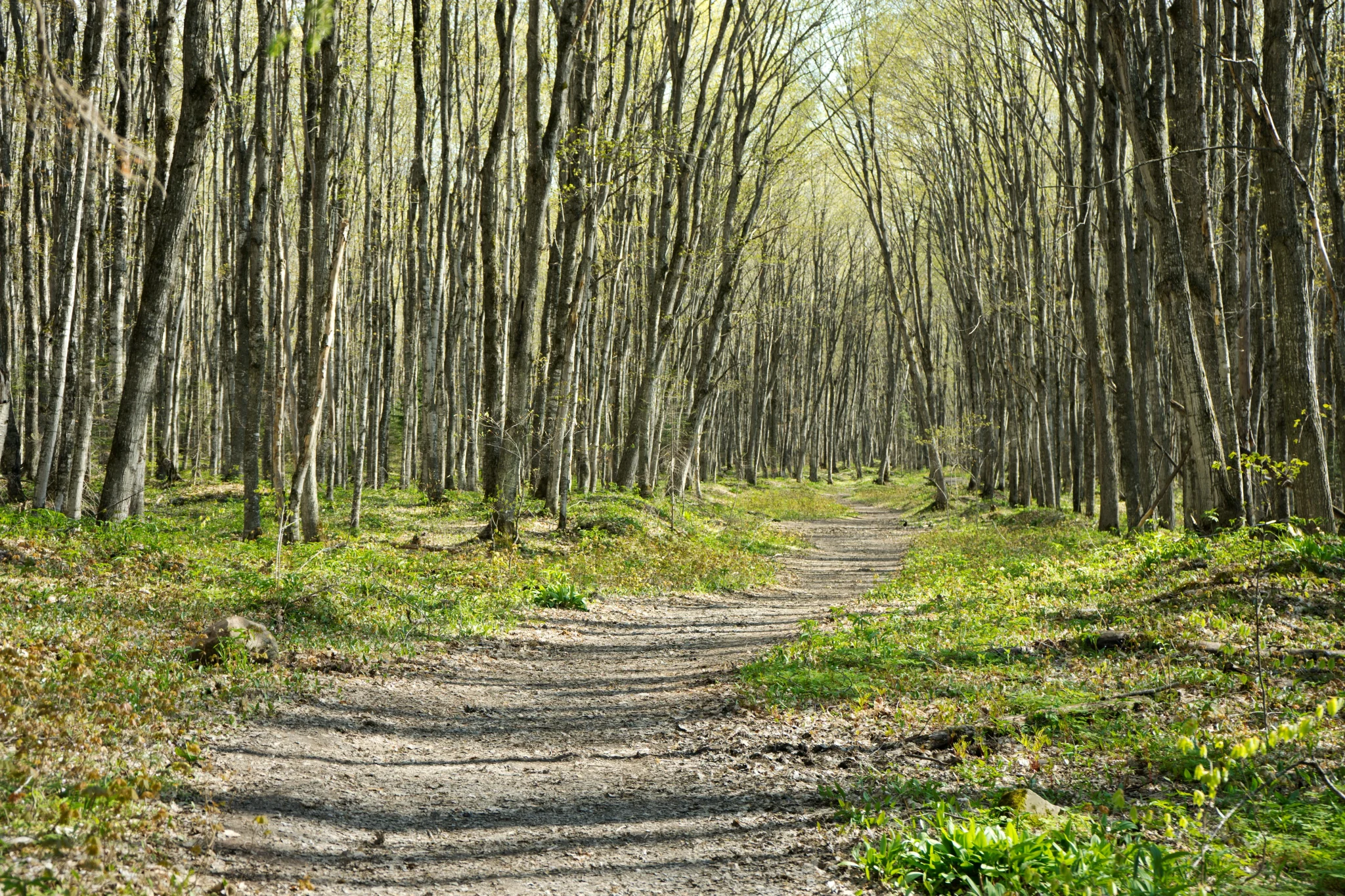
Spring mud on hiking trails can change a familiar route more than many hikers expect. A path that usually feels smooth and predictable may suddenly require slower steps, more balance, and more patience. The distance may stay the same, but the hike often feels longer because the ground is no longer giving the same support it did in drier seasons.
Outdoor educators often explain that seasonal trail conditions matter because they change how every step behaves. Park staff also note that wet spring trails often feel more tiring not because they are dramatic, but because they quietly reduce efficiency from the first mile onward. This is why a familiar trail in spring can feel like a different route altogether.
Why spring mud on hiking trails changes familiar routes so quickly
One reason spring mud on hiking trails feels so different is that hikers often expect familiar paths to behave the same way they did in fall or summer. In spring, however, melting ground, lingering moisture, and soft soil often change how the trail responds underfoot. A route that usually feels firm may now absorb steps, shift pace, and demand more attention.
Outdoor instructors often explain that familiarity can sometimes make the difference feel even bigger. Hikers already know how the trail normally feels, so the contrast becomes more noticeable when each step suddenly seems heavier or less secure.
How muddy trail conditions affect pace without looking extreme
Muddy trail conditions often slow hikers in subtle ways. The body may shorten stride, avoid wetter patches, and spend more time choosing where to land. None of these adjustments feels dramatic by itself, yet together they change the entire rhythm of the hike. Spring mud on hiking trails often affects pace long before hikers think of the day as difficult.
Fitness specialists often note that this is why a moderate route can still feel tiring in spring. The surface asks for extra control and repeated small corrections, which increase effort even when elevation and distance remain unchanged.
Why soft ground drains more energy than hikers expect
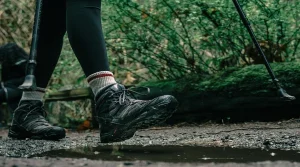
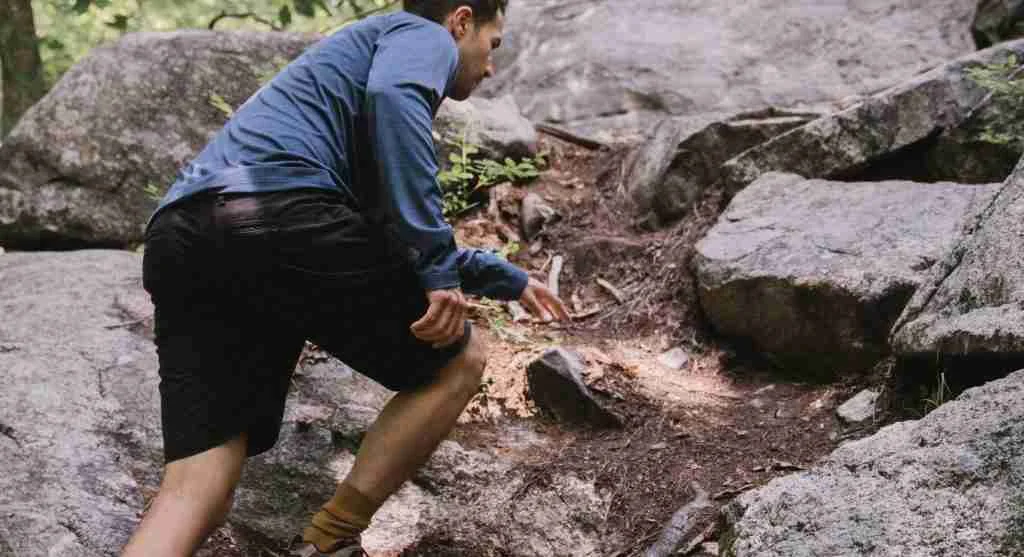
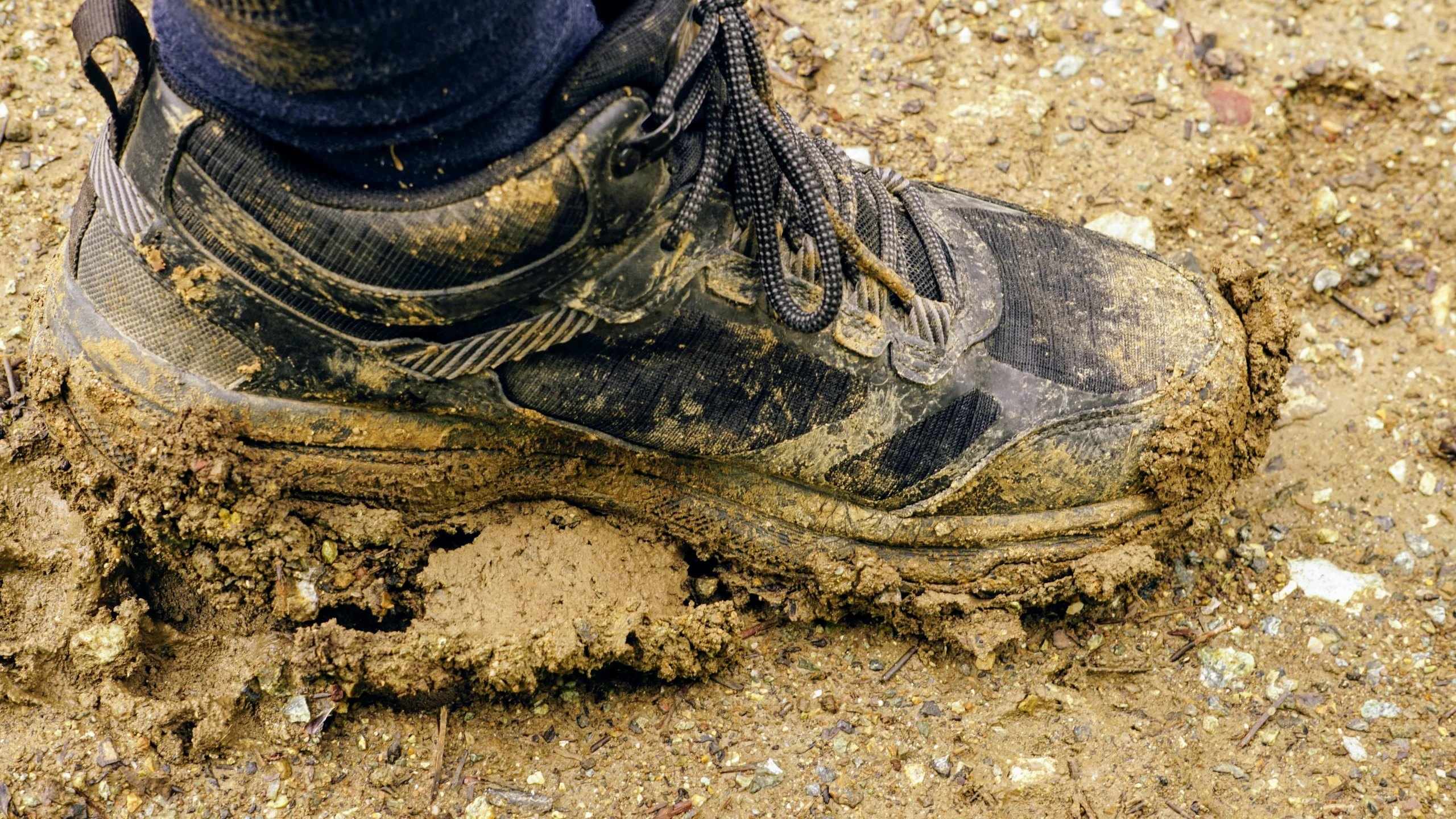
Firm trail helps the body move forward efficiently. Soft wet ground often does the opposite. Each step may sink slightly, slide a bit, or require extra push to move ahead. Spring mud on hiking trails can therefore drain energy because the body is working harder for the same amount of progress.
Movement educators often explain that hikers may feel this first in the calves, hips, or lower legs. The body is doing more stabilizing and more rebalancing with each step, even when the hike still looks mild from a distance.
Credit: Lisa Fotios / Pexels
How spring moisture hides the real shape of the trail
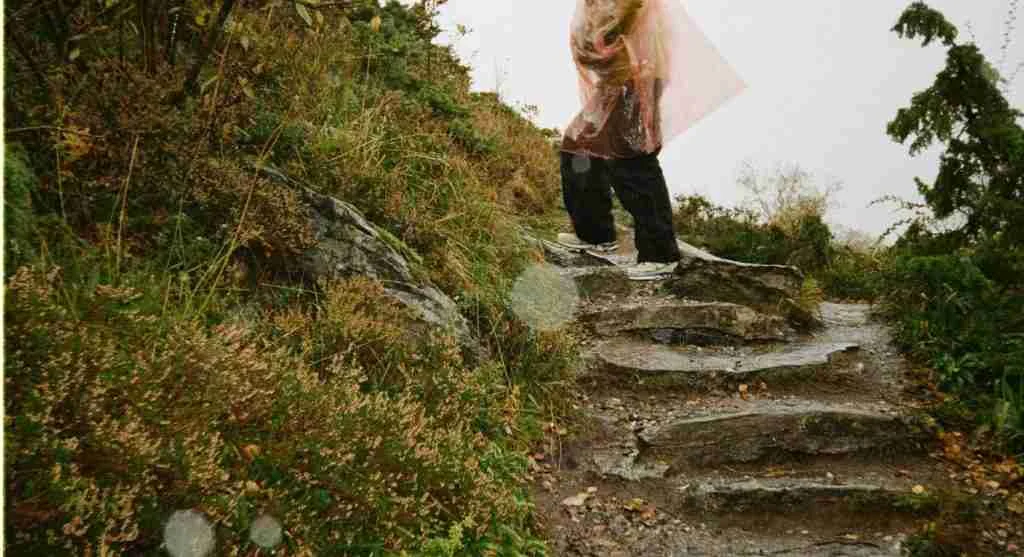
Wet spring trails often hide useful details. Shallow puddles may conceal uneven tread, mud may cover small rocks and roots, and softer edges may look more stable than they actually are. This makes the route feel less readable than usual. Spring mud on hiking trails often changes confidence because hikers can no longer trust the surface at a glance.
Trail safety educators often explain that this is why hikers may feel slower without knowing exactly why. The eyes are doing more work, the feet are getting less reliable feedback, and the body must stay ready for small changes with every step.
Why familiar shortcuts stop feeling useful in muddy weather
On dry days, hikers may know which parts of the trail feel quickest and easiest. In spring, those same sections may no longer save time. A shortcut through a low spot or a smooth-looking side edge may now be the softest or slickest part of the route. Spring mud on hiking trails often disrupts these familiar habits and makes previous trail knowledge less helpful than expected.
Outdoor guides often explain that seasonal conditions can change which line through the trail feels safest and most efficient. A route choice that worked well in dry months may simply not fit a muddy spring surface.
How muddy footing changes mental comfort too
Trail difficulty is not only physical. Mud also changes mood and attention. Hikers may feel more cautious, less willing to relax into their normal pace, and more aware of each uneven section. Spring mud on hiking trails often makes the route feel longer because the mind stays more engaged with footing problems instead of drifting easily through familiar scenery.
Outdoor psychologists often note that repeated small cautions can feel mentally tiring. Even when hikers are moving safely, the constant need to judge wet ground often makes the trail seem slower than its distance alone would suggest.
Why spring mud often matters more on the return
Mud can feel manageable on the first half of a hike, then much more tiring on the way back once the legs are less fresh. Return sections may feel slower because tired hikers make more careful choices, and each muddy patch demands more patience than it did earlier. Spring mud on hiking trails often becomes most noticeable later in the outing for this reason.
Outdoor safety specialists often explain that this is especially true on familiar out-and-back routes. Hikers may assume the return will feel routine, then find that the same muddy sections now take more time and more concentration than they did on the way out.
How hikers can move better on wet spring trails
Most useful adjustments are simple. Hikers often do better with shorter steps, calmer pace, and more attention to where the firmest line of the trail actually is. Trying to walk through mud with normal dry-trail rhythm usually wastes energy. Letting the surface set a more realistic pace often works much better.
Outdoor instructors often recommend paying attention to early clues. If the trail already feels softer than expected, it usually helps to treat the whole route as slower from the start rather than hoping the muddy sections will stay brief and unimportant.
Why spring trail planning should include surface, not only distance
Spring hikes often feel easier to judge by distance because the route is already known. Yet surface matters just as much. A short familiar trail may still feel demanding if the ground stays wet, soft, and uneven across the full route. Spring mud on hiking trails is therefore as much a planning issue as a walking issue.
Park educators often note that hikers usually have better spring outings when they leave extra time, accept a slower pace, and avoid expecting dry-season efficiency from muddy ground. Those small expectations often make the day feel much smoother.
Credit: Lum3n / Pexels
Frequently Asked Questions
Q: Why does spring mud make a familiar trail feel slower?
A: Mud changes footing, pace, and confidence. Even known trails often feel slower because each step requires more care and gives less efficient push-off than dry ground.
Q: Do muddy trails really use more energy?
A: Yes. Soft or slippery ground often makes the body work harder to balance and move forward, which can increase fatigue over the full hike.
Q: Should hikers keep their usual pace on muddy spring trails?
A: Usually no. A slightly slower pace with shorter steps often improves control and saves more energy than trying to walk as if the trail were dry.
Q: Why do muddy sections feel worse on the way back?
A: Tired legs and lower patience often make muddy sections feel more demanding later in the day. The same surface usually asks for more care once energy has already dropped.
Key Takeaway
Spring mud on hiking trails can make familiar routes feel slower because wet ground changes footing, balance, and overall pace more than hikers expect. Muddy trail conditions often increase both physical effort and mental caution, even on trails that normally feel simple. Hikers usually enjoy wet spring trails more when they expect slower movement and let the surface set the rhythm of the day.