
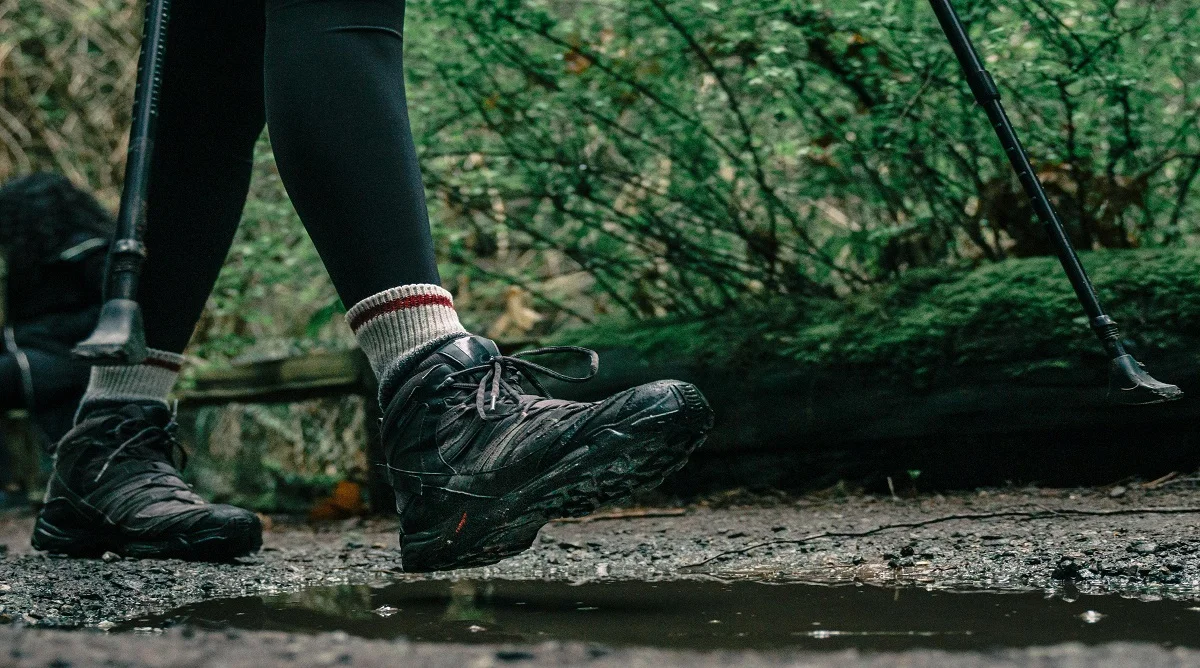
Spring mud can turn an easy hike into something slower and more demanding. Melting snow, seasonal rain, and saturated ground often create soft, uneven sections that affect both comfort and trail conditions. A path that felt simple in dry weather can suddenly feel slippery, heavier, and less predictable underfoot.
Outdoor educators often point out that spring conditions call for different decisions than summer or fall hiking. Park staff also note that muddy trails aren’t just about personal comfort—they influence trail wear, route choices, and how hikers move through shared spaces. A few small adjustments can make a noticeable difference.
Why spring mud on hiking trails feels harder than expected
Soft ground changes how each step works. Instead of pushing off a firm surface, hikers may sink slightly, slide, or lose traction. As a result, the body has to work harder to stay balanced and keep moving forward.
Fitness specialists often explain that muddy conditions increase effort even on flat terrain. A short hike can feel longer when every step requires extra control, which is why spring trails can be more tiring than they appear at first.
How wet trail footing changes pace and balance
Wet footing naturally slows things down. Hikers often need to shorten their stride and pay closer attention to where they place each foot. Mud, hidden puddles, and slick roots can all affect stability. A pace that feels comfortable on dry ground may feel risky or unsteady in softer conditions.
Outdoor safety trainers often recommend approaching muddy sections the same way you would any low-traction surface. Smaller steps and a steady rhythm tend to work better than trying to move quickly. Accepting a slower pace usually leads to safer and more comfortable progress.
Why spring mud on hiking trails can damage the route itself
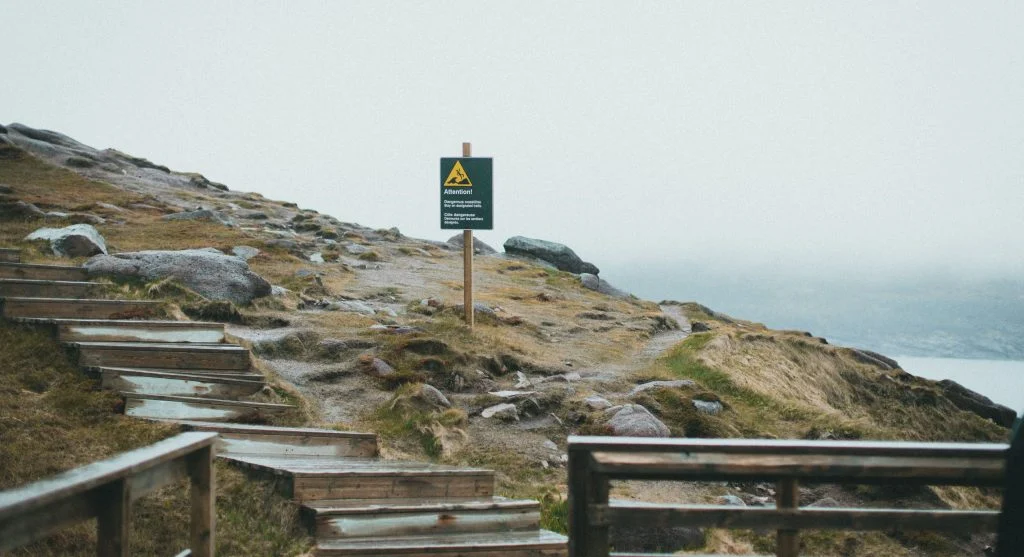
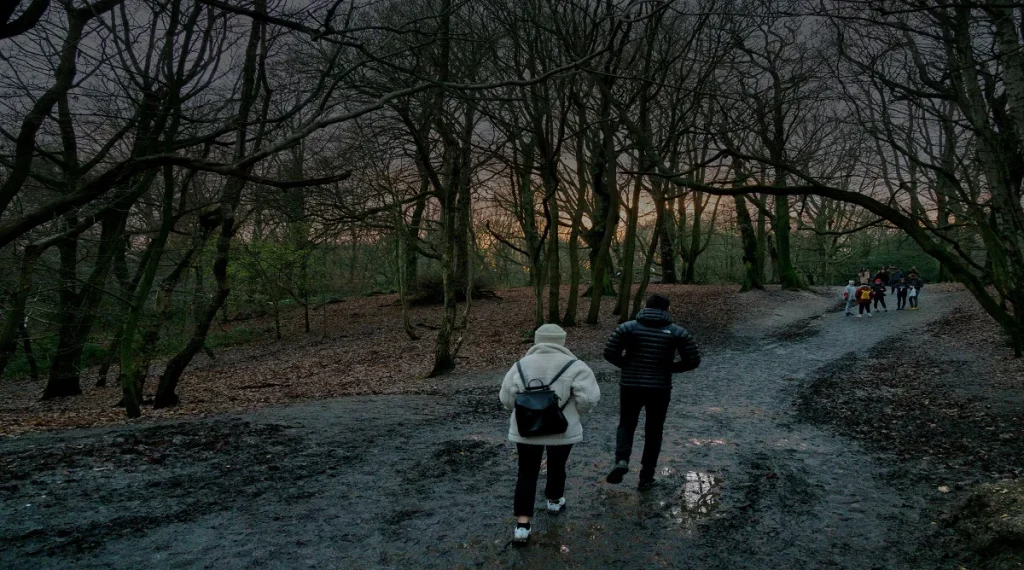
Muddy trails don’t just affect the hike—they also affect the trail itself. Soft ground is easily widened or deepened when hikers step off the main path to avoid mud. Over time, this can damage nearby vegetation and expand a narrow trail into a larger disturbed area.
Land managers often advise staying on the main tread, even when it’s muddy, to protect the surrounding environment. It may feel counterintuitive, but sticking to the trail helps limit long-term damage during wet seasons.
Credit: Amar Preciado / Pexels
How muddy trail hiking changes route planning
Muddy conditions often call for a more flexible approach to planning. A route that looks short on paper can take longer when pace slows and footing becomes less efficient. Some trails may be better avoided altogether if recent rain or snowmelt has left them especially soft, steep, or worn down.
Park staff often recommend checking recent trail updates, especially in spring. Outdoor guides also point out that low wooded areas, sections near streams, and shaded slopes tend to stay wet longer than expected. These details can make a noticeable difference once the hike begins.
Why footwear matters more in spring trail conditions
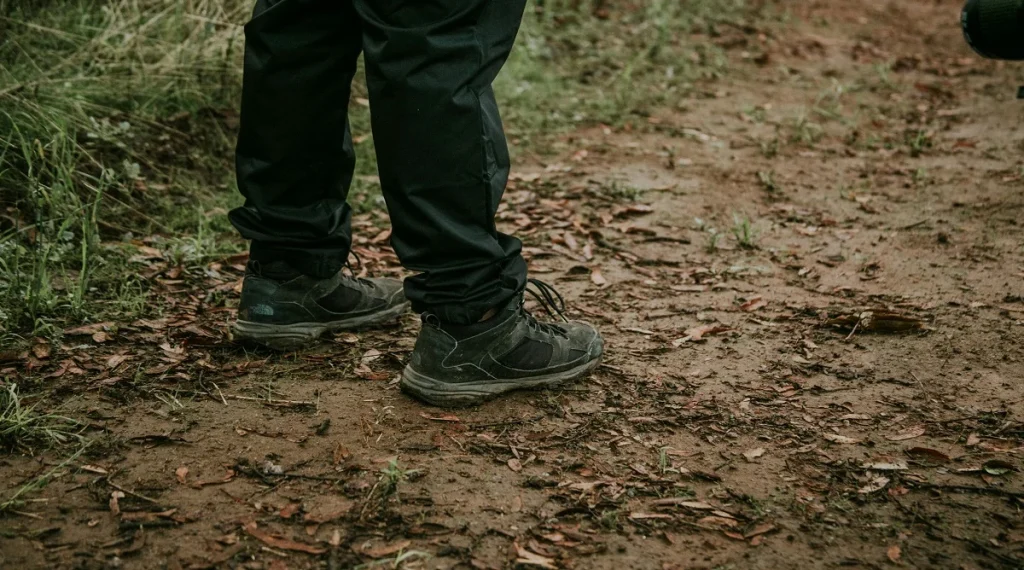
Footwear plays a bigger role in muddy conditions because grip, support, and comfort are all tested more. Mud can stick to the soles, shift footing unexpectedly, and increase the chance of slipping on roots or wet rock. Shoes or boots with solid traction can help hikers feel more stable.
Outdoor gear educators often note that no footwear eliminates all the challenges of mud. The goal isn’t perfect dryness or grip, but enough control to move steadily without constantly correcting your balance.
How hikers can protect energy on muddy trails
Soft ground tends to drain energy gradually rather than all at once. Hikers may not notice the extra effort until their legs feel heavy later in the hike. Muddy trails are often easier to manage when hikers slow down slightly, take shorter steps, and avoid sudden or sharp movements.
Endurance specialists often explain that calm, controlled movement preserves energy better than trying to push through quickly. When hikers rush, they’re more likely to slip, tense up, and tire sooner than expected.
Why spring trail conditions sometimes call for changing plans
Sometimes, a slower pace isn’t enough. If trails feel deeply saturated, steep sections are unstable, or the path is clearly deteriorating, it may make sense to shorten the hike or choose a different route. Spring conditions often reward flexibility, since a plan that looked reasonable at home may not match reality on arrival.
Outdoor safety educators often remind hikers that adjusting the plan isn’t a failure. In spring, good judgment often means responding to actual conditions instead of sticking rigidly to the original route.
How hikers can enjoy muddy spring trails more responsibly
Spring hikes can still be enjoyable, with cool air, fresh growth, and quieter trails. The experience tends to improve when hikers expect wet conditions, allow extra time, and accept that the trail may feel slower and messier than usual. That shift in mindset often makes muddy sections less frustrating.
Outdoor educators often suggest thinking of muddy trails as a seasonal version of the route, not a worse one. When hikers adjust early, spring conditions become easier to handle and less surprising.
Credit: Brett Jordan / Pexels
Frequently Asked Questions
Q: Why does spring mud make hiking so tiring?
A: Mud changes traction and makes each step less efficient. Hikers often use more energy because they have to stabilize, shorten stride, and work harder to move forward.
Q: Should hikers walk around muddy sections?
A: Usually no. Land managers often recommend staying on the main trail because going around the mud can widen the path and damage surrounding vegetation.
Q: What kind of trail stays muddy longest in spring?
A: Shaded areas, low spots, stream edges, and sections with poor drainage often remain wet longer. These places usually shape spring trail conditions more than exposed dry ground does.
Q: When should hikers change the plan because of mud?
A: A route may need adjusting if the trail is deeply saturated, unstable on steep sections, or clearly taking much longer than expected. A shorter or alternative hike is often the smarter choice in those cases.