
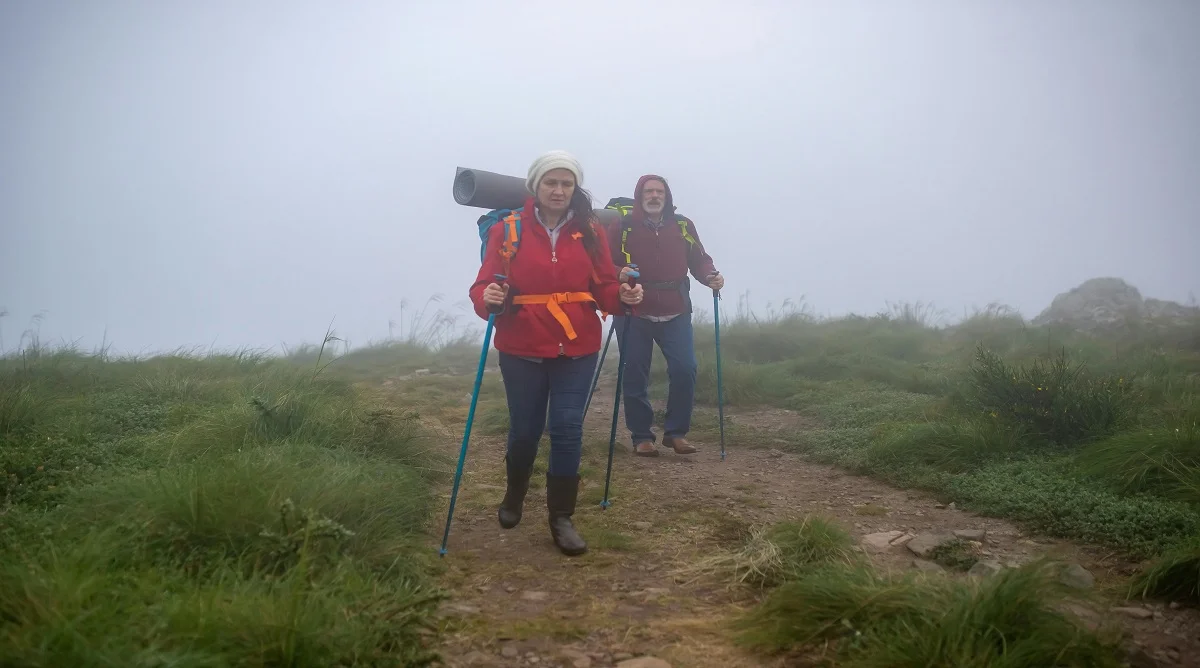
Small hiking mistakes often drain more energy than a single major problem on the trail. Many hikers expect fatigue to come mainly from distance or elevation, but in reality, it often builds from small habits that seem harmless at first. A rushed start, uneven pacing, missed hydration, or extra tension in movement can quietly make the hike feel harder with each mile.
Outdoor educators often explain that comfort on the trail comes down to many small decisions repeated over time. Fitness specialists also point out that hikers usually lose energy through inefficiency before trail difficulty alone becomes the issue. Paying attention to these small mistakes can help hikers feel more steady, comfortable, and in control throughout the day.
1. Starting faster than the trail actually allows
One of the most common mistakes is setting a pace based on how you feel at the trailhead rather than what the trail demands. The body may feel strong at the beginning, but hills, uneven ground, and time on the trail often make that early speed harder to sustain. It feels easy at first, but the cost shows up later.
Endurance coaches often note that pacing mistakes build gradually. A fast first twenty minutes might not seem like a problem right away, but it can make the later sections feel much heavier than necessary. Starting at a steadier pace usually helps conserve energy more effectively.
2. Taking longer steps than the terrain supports
Another common issue is overreaching on uneven terrain. Long steps over roots, rocks, or loose ground require more effort to stabilize, correct balance, and control movement. These small adjustments don’t always stand out, but over time they add up and increase fatigue.
Movement specialists often recommend shorter, more controlled steps when the terrain is uneven. This approach helps maintain balance and reduces the extra energy spent on constant corrections.
3. Waiting too long to drink water
Delayed hydration is another frequent cause of energy loss. Some hikers wait until they feel clearly thirsty before drinking, especially on shorter hikes or in cooler weather. However, energy levels often start to drop before thirst becomes noticeable.
Outdoor safety experts often suggest taking small, regular sips rather than drinking large amounts infrequently. A steady hydration pattern supports better energy and comfort than trying to catch up after fatigue or dryness has already set in.

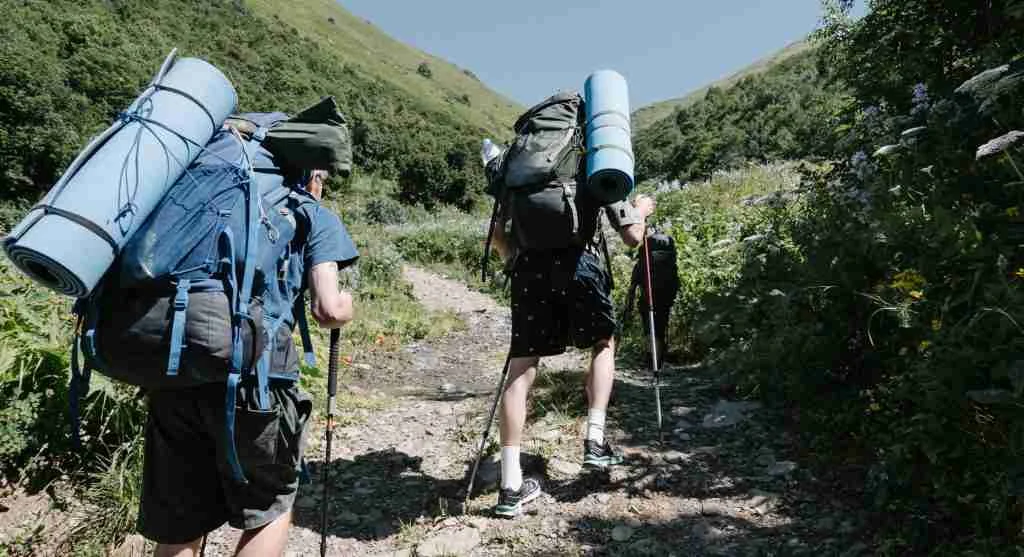
Credit: Pavel Danilyuk / Pexels
4. Carrying tension in the shoulders and upper body
Energy loss doesn’t come only from the legs. Many hikers carry unnecessary tension in the shoulders, neck, and arms—especially on climbs or uneven ground. Over time, that tension can make the entire body feel more fatigued, even if the trail itself hasn’t changed.
Fitness educators often point out that relaxed movement supports better breathing and steadier effort. Tight shoulders and a rigid posture tend to waste energy because the body is working harder than it needs to just to hold that tension.
5. Treating every uphill like something to conquer
Many pacing mistakes show up on climbs. It’s common to push harder on every uphill, trying to get it over with quickly. But that approach usually increases effort too fast and leads to earlier fatigue. These small mistakes often come from trying to beat the slope instead of settling into it.
Outdoor instructors often recommend using climbs to find a rhythm rather than speed. Accepting a slower pace on uphill sections often makes the entire route feel more manageable.
6. Waiting too long to take a break
Breaks tend to work best when they happen before you feel worn down. Some hikers wait until they’re already tired, thirsty, or frustrated before stopping. By then, the trail often feels more difficult than it should. Timing mistakes like this can make recovery slower and getting started again harder.
Recreation specialists often suggest taking short, intentional pauses along the way instead of waiting for exhaustion. Brief breaks can help preserve energy more effectively than longer stops taken too late.
7. Ignoring small discomforts at the trailhead
Minor issues at the start can turn into bigger problems later. An awkward pack, a small hot spot in your shoe, or a layer that already feels too warm might seem easy to ignore at first. But over time, these small discomforts can drain energy as your body keeps adjusting to them.
Outdoor safety educators often stress that these issues are easiest to fix early. A quick adjustment at the beginning is far easier than dealing with the same problem deeper into the hike.
8. Letting the trail dictate effort instead of adjusting pace
Some hikers instinctively increase effort when the trail gets steeper or more difficult, rather than slowing their pace. On rough or exposed sections, this can lead to unnecessary energy loss. Fatigue often builds when every challenge is met with more force instead of more control.
Endurance specialists often explain that experienced hikers adjust their pace to match the terrain. That flexibility helps conserve energy and maintain confidence throughout the hike.
9. Overlooking the mental effort required
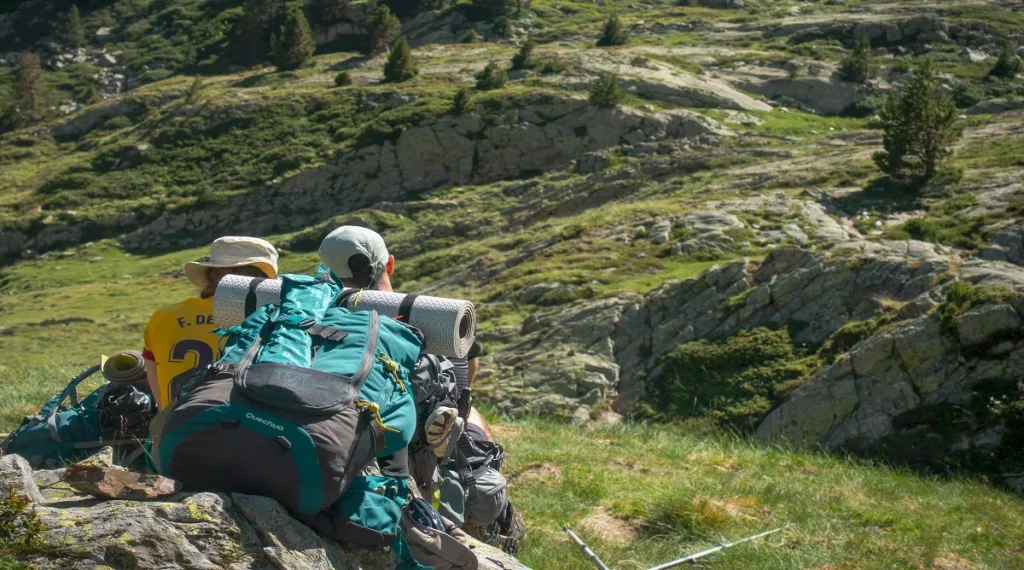
Not all fatigue is physical. Difficult terrain, navigation, changing weather, or crowded trails can quietly add mental strain as well. When hikers treat focus as unlimited, small mistakes become more likely. As attention drops, movement becomes less efficient, and the trail can start to feel harder.
Outdoor educators often recommend treating mental effort the same way as distance or elevation. Trails that require more attention often call for a slower pace and more deliberate decisions.
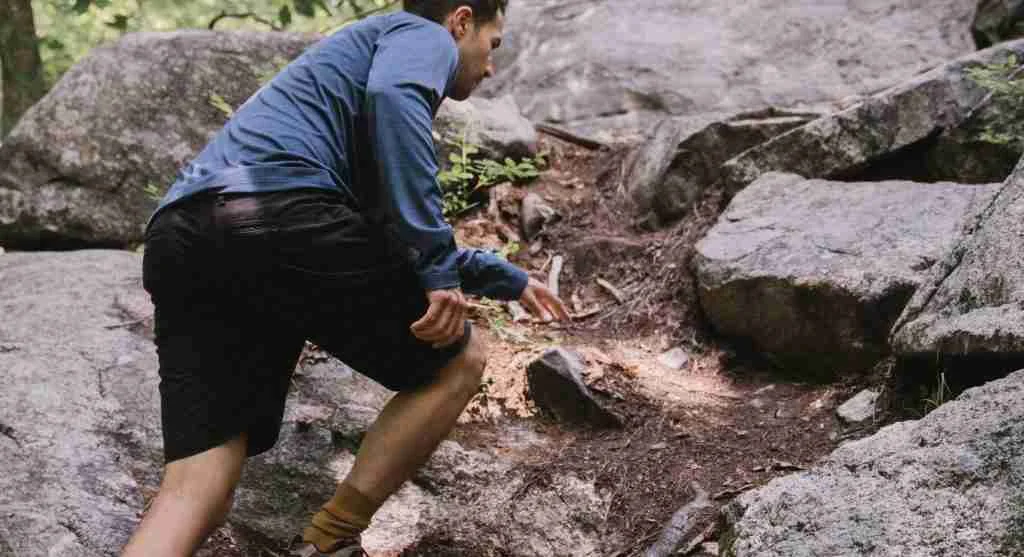
Credit: Masi / Pexels
Frequently Asked Questions
Q: What kind of hiking mistakes drain energy the fastest?
A: Fast starts, poor hydration habits, and inefficient movement often drain energy quickly. These habits usually feel small at first but become more noticeable as the hike continues.
Q: Why do hikers get tired on easy trails?
A: Easy trails can still feel tiring when small hiking mistakes build up over time. Pace, posture, footing, and hydration often matter more than hikers expect.
Q: Can short breaks really help with hiking energy loss?
A: Yes. Brief well-timed breaks often help more than waiting until fatigue feels heavy. Early resets can protect both energy and comfort across the full route.
Q: Are these mistakes mostly beginner problems?
A: Not necessarily. Beginners may notice them first, but hikers of all experience levels can lose energy through small inefficient habits if they stop paying attention to pace and movement.