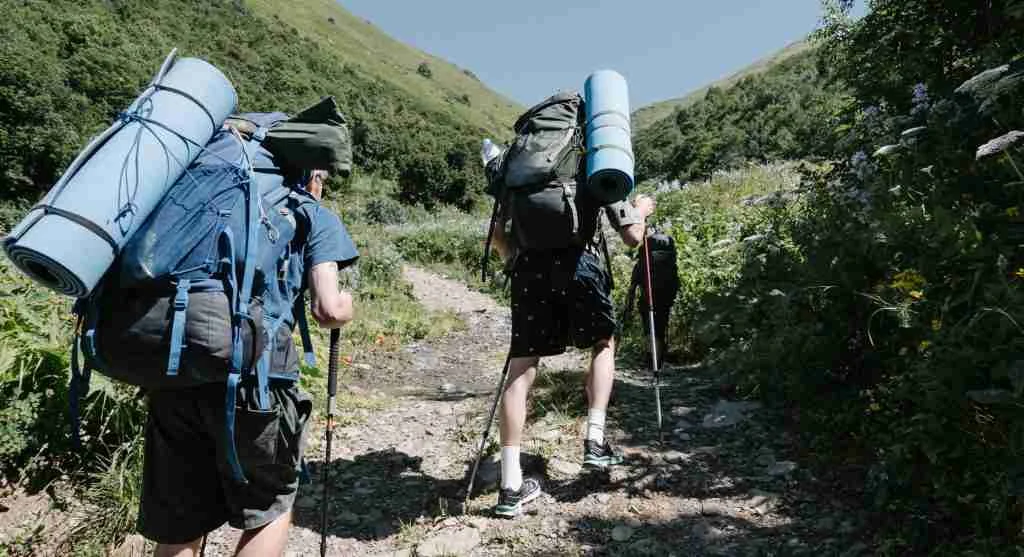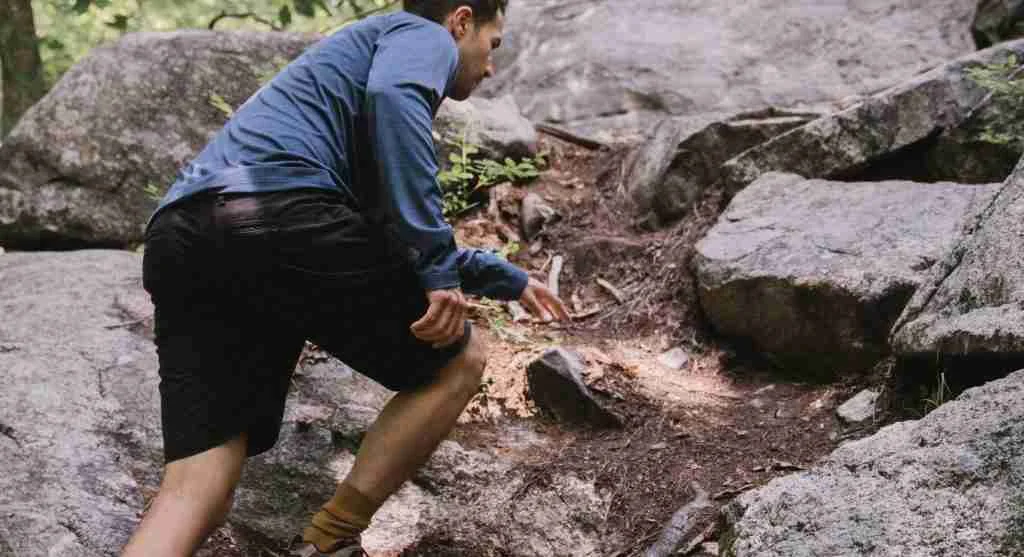


When you’re hiking, paying attention to what’s going on around you lets you go along safely and with assurance, and you don’t have to slow down or halt to do it. Loads of hikers think you need to stop all the time to be aware of your surroundings, but generally you can be aware perfectly well as you walk at a normal speed. Getting into some easy ways of looking at things can cut down on errors and make your hike better all around.
People who teach outdoors frequently say that being aware isn’t something you do as a separate step, it’s something that happens all the time. And being good at focusing on the trail means you’ll spot things you need to know, all while you’re enjoying how you’re moving and the views.
Why staying aware on a hiking trail begins with simple observation
You become aware of your surroundings by looking right where you’re going – at the path, trail signs, and which way you’re heading in general. Being safe on a hiking trail usually means constantly looking around, not just glancing up every so often. In fact, outdoor leaders commonly advise people to have their gaze a little bit beyond their feet; this helps you move forward safely.
How to scan the trail without slowing down
When you’re scanning while hiking, you look at the ground right in front of you, but also a little way down the trail. This way you can get ready for any changes to the land or where you’re going. A common suggestion for staying aware on a hike is to quickly move your gaze between things close and further away. Experts in finding your way suggest glancing around frequently for short spells, not stopping for long to look.
Why listening improves trail awareness
You can learn a lot about where you are from the sounds around you; the wind, the water, things moving all tell you the environment is shifting. When you’re out on a hiking trail, pay attention to what you hear as much as what you see.
People whose job it is to keep you safe outside will say that being calmly and quietly observant makes it simpler to pick up on small changes.
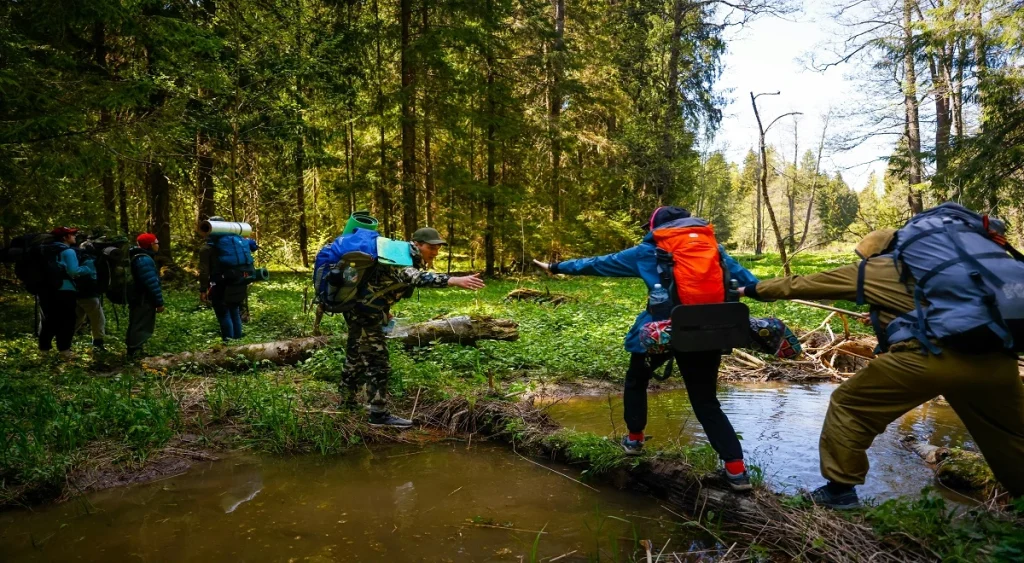
Credit: Dmitriy Ryndin / Pexels
How to recognize trail markers without stopping
Trail markers are usually spaced out the same distance from each other. When you’re walking, seeing them reassures you that you are going the right way. Being good at ‘trail focus’ means spotting those markers rapidly, all while still keeping your speed.
Guides who work outside will frequently advise you to look for the markers at times when you’re naturally slowing down, during a breath or a change in footing, and not to stop walking entirely.
Why posture affects awareness
How you hold yourself while hiking changes what you can actually see of where you are. If you look a bit ahead, not at your feet, you’ll have a better sense of the path and which way you’re going. In fact, being aware of your surroundings on a trail is usually a result of having good balance in your body.
And, as fitness professionals will tell you, standing up straight helps you to see better and feel much more comfortable when you’re on a longer hike.
How pacing connects to awareness
If you go too quickly, you’ll probably miss things, but a more even speed lets you keep watching what’s around you. Many suggestions for being more aware while hiking say to walk at a speed that fits the situation so you can stay concentrated. People who are really into long-distance activities generally say you should go at a speed that lets you move, look at things, and not get tired.
Why small adjustments improve trail focus
You’ll get a better sense of what’s happening if you make little changes like going a bit slower on rough areas or glancing where you’re going before you go around corners. Typically when we’re outside, being more aware comes from lots of these little tweaks, not from doing anything huge.
People who teach outdoors say your awareness gets better steadily as you do it, it’s not something that happens all at once with a lot of trying.
How to stay aware in busy or crowded trails
When trails are busy, you need to watch both where you’re going and the people around you. Being safe on a hike means looking for activity nearby and slowing down or speeding up as necessary. Park rangers frequently advise keeping a bit of distance and paying attention to all that’s happening to prevent unexpectedly halting or bumping into someone.
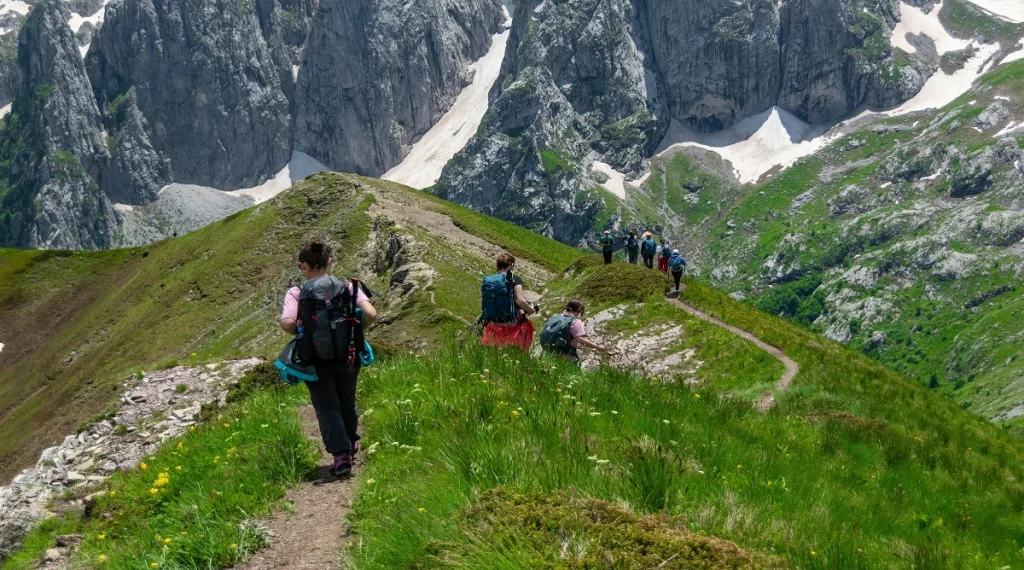
Credit: Luka Peric / Pexels
Frequently Asked Questions
Q: Do hikers need to stop to stay aware?
A: Not always. Awareness can be maintained through continuous observation while walking.
Q: What is the easiest way to improve trail awareness?
A: Looking slightly ahead, scanning regularly, and listening to surroundings can improve awareness.
Q: Why is awareness important on easy trails?
A: Even simple trails can include changes in direction or surface that require attention.
Q: Can fast hiking reduce awareness?
A: Yes, moving too quickly can make it harder to notice details and react to changes.
Key Takeaway
Being careful on a trail makes your hike both safer and more enjoyable because you’re watching, hearing and keeping a nice, even rhythm. Looking forward and paying attention to the trail’s signs are easy things to do, and they’ll stop you from getting lost while you’re walking. If you’re always paying attention to your surroundings, your hike will generally go much better and you’ll feel more sure of yourself.