
Familiar trails often feel easier because hikers already know the route, the surface, and roughly how long the outing will take. That comfort can be helpful, but it can also create a quiet risk. When a trail feels routine, attention often drops and that’s when small navigation mistakes begin.
Outdoor navigation educators often point out that wrong turns don’t only happen in unfamiliar places. They also happen on well-known routes, especially when memory replaces active observation. A junction may look slightly different, a marker may be less visible, or the hiker may simply move forward without checking the next turn carefully.
Why familiar trails can reduce route awareness
On familiar trails, hikers often rely on memory instead of observation. They may assume they know the direction and stop paying close attention to signs, landmarks, or subtle changes in the path. Over time, this reduces route awareness.
Outdoor instructors often explain that the brain tends to “fill in” expected details on routine routes. A sign may be glanced at but not fully read, or a path may be followed because it looks right rather than because it’s been confirmed.
How wrong turns on trails often begin with simple assumptions
Most wrong turns don’t start with confusion—they start with small assumptions. A hiker might follow a wider trail, expect a familiar bend to lead somewhere specific, or continue forward because the route feels correct. On familiar trails, these assumptions often replace careful checks.
Navigation specialists often note that mistakes can go unnoticed longer in these situations. Because the surroundings already feel known, it can take more time before the hiker realizes something is off.
Why seasonal changes make familiar trails look different
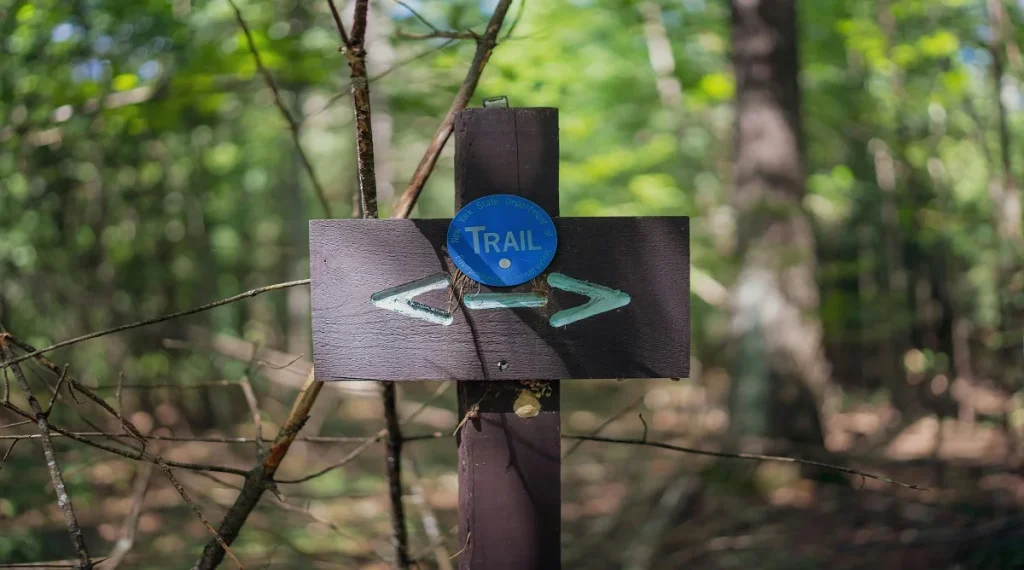
Trails don’t stay visually consistent throughout the year. Leaves can cover side paths in autumn, snow or mud can change trail edges in colder months, and summer growth can hide signs or narrow paths. A trail that once felt obvious may look quite different under new conditions.
Outdoor educators often explain that route memory from one season doesn’t always carry over to another. A turn that stood out clearly in winter may blend in during spring or summer. Changes in light, vegetation, or ground conditions can alter how the trail appears, even if the route itself hasn’t changed.
Credit: Connor Scott McManus / Pexels
How distractions make familiar trails more risky
Hikers often relax more on familiar routes, which can lead to more distractions. Conversation, music, photos, fatigue, or simple daydreaming can pull attention away right when a turn or marker matters. Familiar trails can create the feeling that full focus isn’t necessary anymore.
Outdoor safety trainers often note that this isn’t an issue on long, obvious stretches. The problem usually shows up at junctions, bridge crossings, side loops, or return connectors places where the route briefly becomes less clear. That’s where routine can lead to missed cues.
Why memory is less reliable than hikers expect
Memory tends to hold onto the general shape of a trail but lose smaller details. A hiker might remember a viewpoint, a climb, or a stream crossing, but forget exactly where a turn happens or how soon a side trail appears.
Outdoor psychologists often explain that people remember patterns more confidently than specifics. On the trail, this can create a sense of certainty even when key details like a sign or fork are overlooked.
How trail junctions create problems on known routes
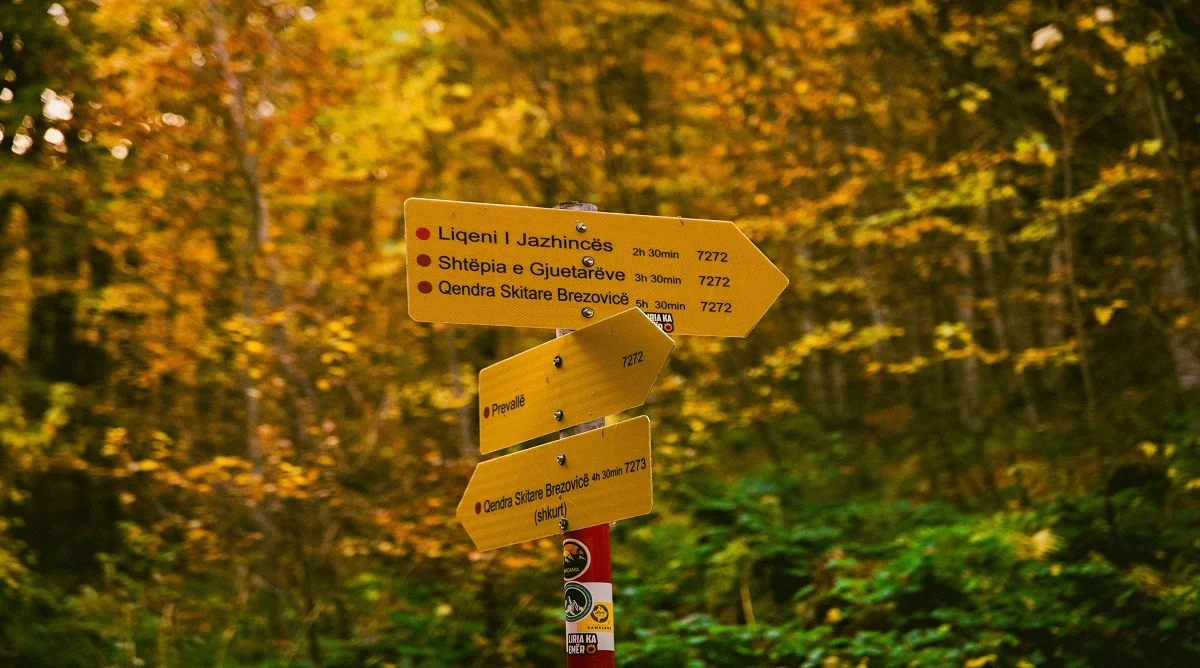
Junctions are where attention matters most, and they’re also where mistakes often happen on familiar trails. A hiker may move through a known intersection quickly, assuming they remember it, only to realize later that they missed a turn or followed a similar-looking path out of habit.
Park rangers often emphasize that junctions should be treated carefully every time. Reading the full sign, checking trail markers, and confirming the direction after turning are more reliable than relying on what usually happens there.
Why simple navigation habits still matter on familiar trails
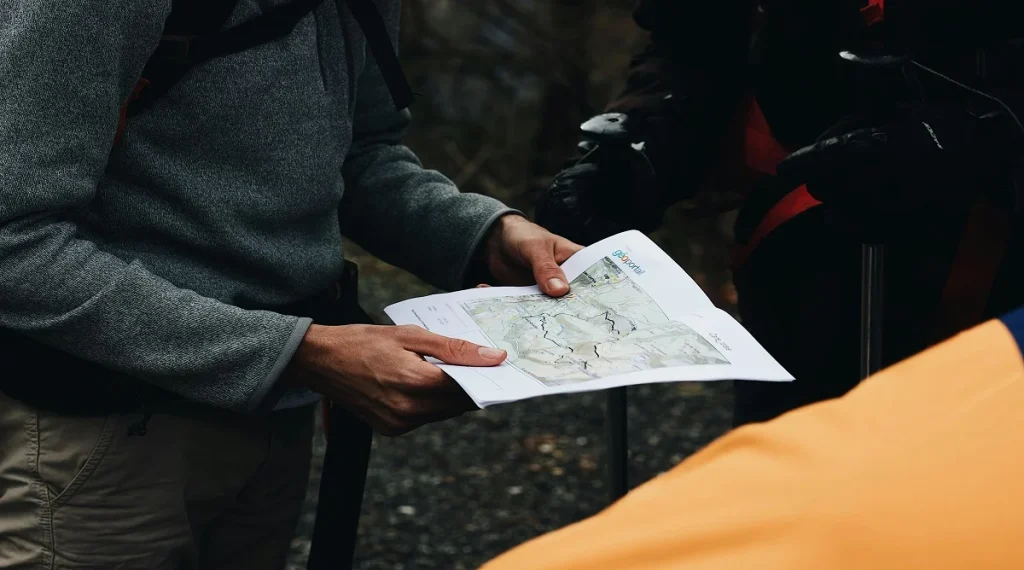
Basic navigation habits remain important even on well-known routes. Quick map checks, reading signs, confirming markers, and pausing briefly at decision points can prevent larger problems later. Familiar trails are safer when these habits stay in place instead of being replaced by routine.
Outdoor instructors often recommend staying proactive checking direction before doubt appears rather than reacting after something feels wrong. On a familiar trail, this often takes only a few seconds but can prevent unnecessary backtracking.
How hikers can stay aware without making the trail feel tense
Staying aware doesn’t mean making the hike stressful. It usually means being lightly alert at the right moments. Many hikers do well by relaxing on clear sections and giving more attention near turns, markers, and timing checks.
Outdoor coaches often suggest a simple mental check: “Where is the next decision point?” That one question helps bring focus back at the right time, keeping the hike both enjoyable and on track.
Credit: Maël BALLAND / Pexels
Frequently Asked Questions
Q: Why do hikers make wrong turns on familiar trails?
A: Many wrong turns on trails begin because hikers rely on memory and routine instead of checking signs or markers. Familiarity can reduce attention at the exact points where direction matters most.
Q: Are familiar trails easier to navigate than new ones?
A: Often yes, but they can still create mistakes if hikers stop paying attention. Familiar trails feel easier mainly because the overall route is known, not because every decision point becomes automatic.
Q: What parts of a familiar trail deserve the most attention?
A: Junctions, loop connectors, trail markers after turns, and sections that look different because of weather or season usually deserve the most attention.
Q: Should hikers still check maps on local trails?
A: Yes, especially at major turns or when the route includes several options. Brief checks often support hiking route awareness without slowing the hike very much.
Key Takeaway
[INTERNAL LINKING SUGGESTIONS]
- Why Hikers Miss Trail Junctions and How to Catch Direction Changes Early
- How to Stay on the Right Trail When Routes Split Unexpectedly
- Why Trail Maps Feel Confusing at First and How Hikers Learn to Read Them Better