
Lots of times when people are hiking, and even on trails that have been pretty straightforward all day, they get lost at places where trails split. You’re going along nicely on one good path, and all of a sudden you have two, three, or maybe even more choices that all look like they’ll get you where you want to be. If you aren’t paying close attention at that point, you’ll turn onto the wrong trail before you know it.
People who teach you to find your way in the outdoors say most of the time when a route goes wrong, the mistake is small to begin with. Maybe you don’t see a marker, or you quickly decide something without thinking it through, or you hurry at a trail split…and these things can lead you off course without you realizing it for a while.
Why trail junctions create confusion even on easy hikes
Many hikers expect navigation problems only on remote or difficult routes, but trail junctions often cause mistakes on beginner and moderate hikes too. The reason is simple. A clear trail encourages relaxed attention, and that relaxed attention may continue right into the exact place where the route stops being obvious.
Park staff often note that hikers usually miss trail junctions because they are moving with momentum. The body keeps following the most open-looking path, even when the correct route requires a smaller turn, a side path, or a less obvious continuation.
How speed affects decisions at trail junctions
You’d be surprised how important speed is while hiking. What feels like a good rhythm on the straightforward parts of a trail can be a bit too quick when you get to where the route divides. We get lost on hikes a lot of the time because we arrive at a meeting of paths before we’ve completely understood the sign, seen what color the trail markers are, or even realised the trail itself is altering its route.
Because of this, outdoor leaders frequently suggest slowing down a little before any significant split, intersection or fork in the trail. It won’t really break up your hike, but it gives you a chance to be sure you’re going the right way before you continue.
Why the widest path is not always the correct one
When you get to a place where trails split, your eye will likely be pulled to the biggest or most used trail. Lots of people just think the trail that looks like the main one must be the correct way to go. Actually, broader trails might take you somewhere else, perhaps a road for park staff or a very popular track with lots of walkers that isn’t on your map for a hike.
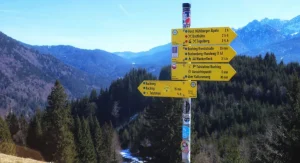
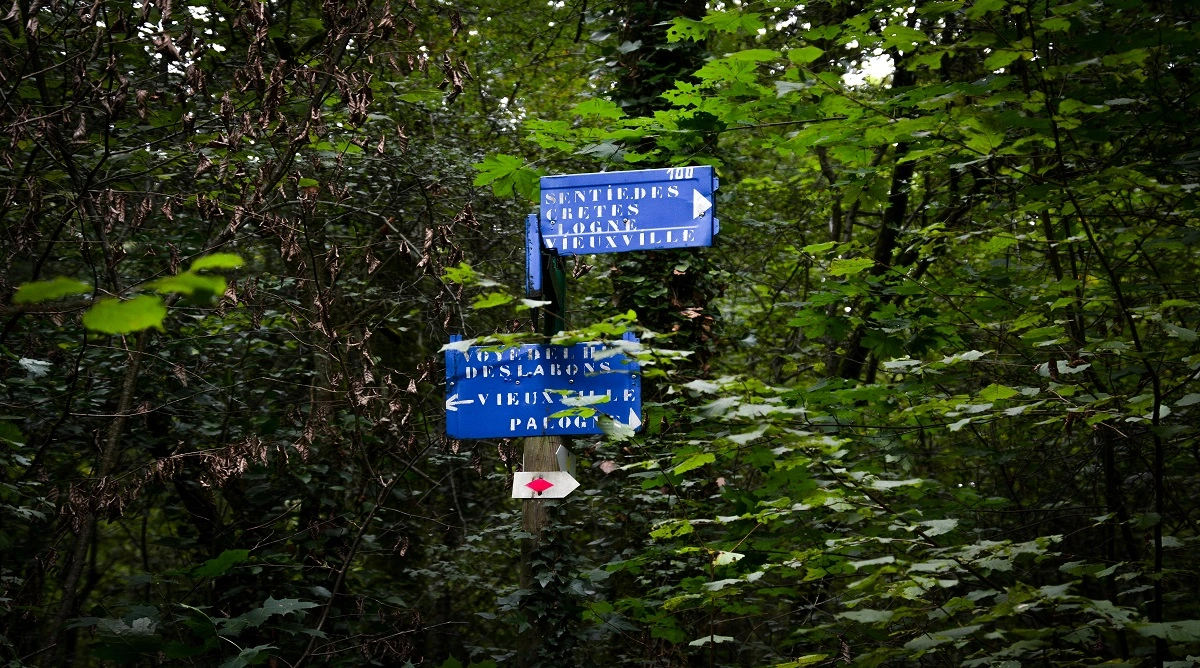
People who are really good at finding their way say keeping to the correct route is far more about looking at the official trail signs and markers than about which path is broadest. A smaller trail with the correct name or the correct color marking on it is generally a better bet than a wider trail that simply seems like it should be the one to take.

Credit: Kostas Dimopoulos / Pexels
How hikers can catch trail direction changes earlier
One of the best ways to avoid wrong turns is to expect trail direction changes before they appear. Hikers who know the next trail name, the next marker color, or the general shape of the route often make better decisions at trail junctions. Even a simple mental note can improve route awareness.
Outdoor educators often suggest reviewing the route before starting and again during breaks. When hikers already know that a left turn, loop split, or connector trail is coming, they are less likely to drift past it without noticing.
Why confirming the route after a turn matters
Just picking a direction isn’t all there is to finding your way while hiking. A good hiker will shortly after turning, look for something to prove they are on course. This could be a trail marker on a tree, a trail number, a location on your map that you saved, or any other landmark that matches where you thought you’d be.
Rescue experts frequently say that lots of little errors in direction get much worse as hikers go on and on without being sure the path they’re on is the one they intended. Looking for that early confirmation often means a possible mistake becomes a quick fix.
How distractions lead to hiking navigation mistakes
Conversation, photos, fatigue, hunger, and even excitement can reduce awareness near route splits. A hiker may see a sign without really reading it or may follow another group without checking whether they are going to the same place. Hiking navigation mistakes often come from partial attention rather than total confusion.
Outdoor safety educators often recommend treating trail junctions as decision points that deserve full attention, even on familiar routes. A few seconds of focus usually matter more than hikers think.
Why familiar routes can still lead hikers the wrong way
Knowing a trail really well can be useful, but it’s also where we start to just think we know what to expect. Changes with the seasons, detours on the trail, signs because of work being done, leaves on the ground, or even forgetting…all these can make a trail you’ve walked a hundred times look unlike how you remember it. Places where trails split that used to be easy to understand might now feel a little different with these new surroundings.
Park rangers say that people who hike the same paths over and over still get lost because they quit looking at things as closely. How strongly you’re used to going a route is important even on trails you are comfortable with, and this is particularly true when you’re expecting an easy day and so aren’t paying as much attention.
How to respond calmly after missing a trail split
If the route begins to feel wrong, calm reassessment usually works better than guessing forward. Hikers often benefit from asking where the last confirmed sign or marker was and whether the current path still fits the planned direction. Returning to the last known trail junction is often the clearest next step.
Navigation instructors often say that route correction is part of normal hiking, not proof of failure. Hikers who notice uncertainty early usually solve it quickly, while hikers who keep hoping the trail will make sense later often create a larger detour.

Credit: Ali Alcántara / Pexels
Frequently Asked Questions
Q: Why do hikers miss trail junctions so often?
A: Many hikers miss trail junctions because they carry their normal walking pace straight into the split and do not fully check signs or markers. Small attention drops often cause bigger route mistakes.
Q: Should hikers stop at every trail split?
A: Not always, but slowing slightly and confirming direction is often useful. Clear attention at trail junctions usually prevents unnecessary backtracking later.
Q: What should hikers trust most at a route split?
A: Trail names, official signs, marker colors, and pre-reviewed route details are usually the most reliable guides. The widest path is not always the correct one.
Q: How far should hikers continue before checking if a turn was correct?
A: Many hikers benefit from looking for a confirming sign or marker within a short distance after the turn. If none appears and the route feels wrong, early reassessment often helps.
Key Takeaway
Trail junctions often cause navigation mistakes because they interrupt the calm rhythm of the hike at the exact point where more attention is needed. Hikers usually stay on route more easily when they slow slightly, read signs fully, confirm marker colors, and check direction soon after every turn. Strong route