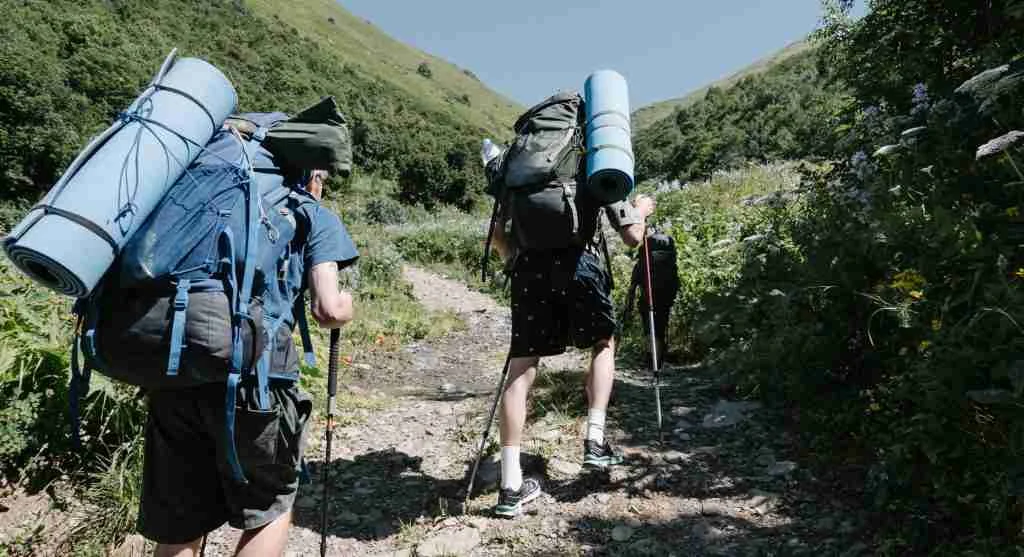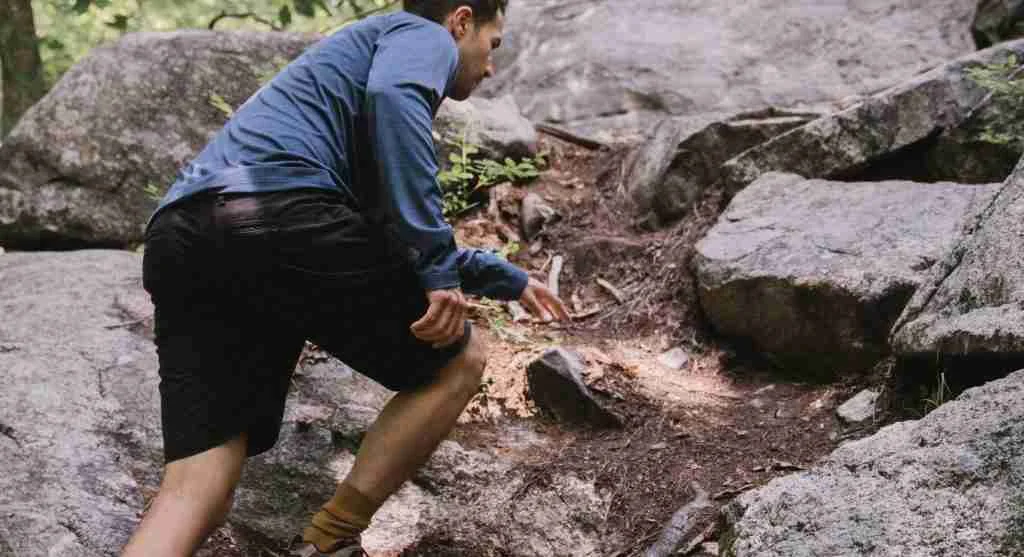

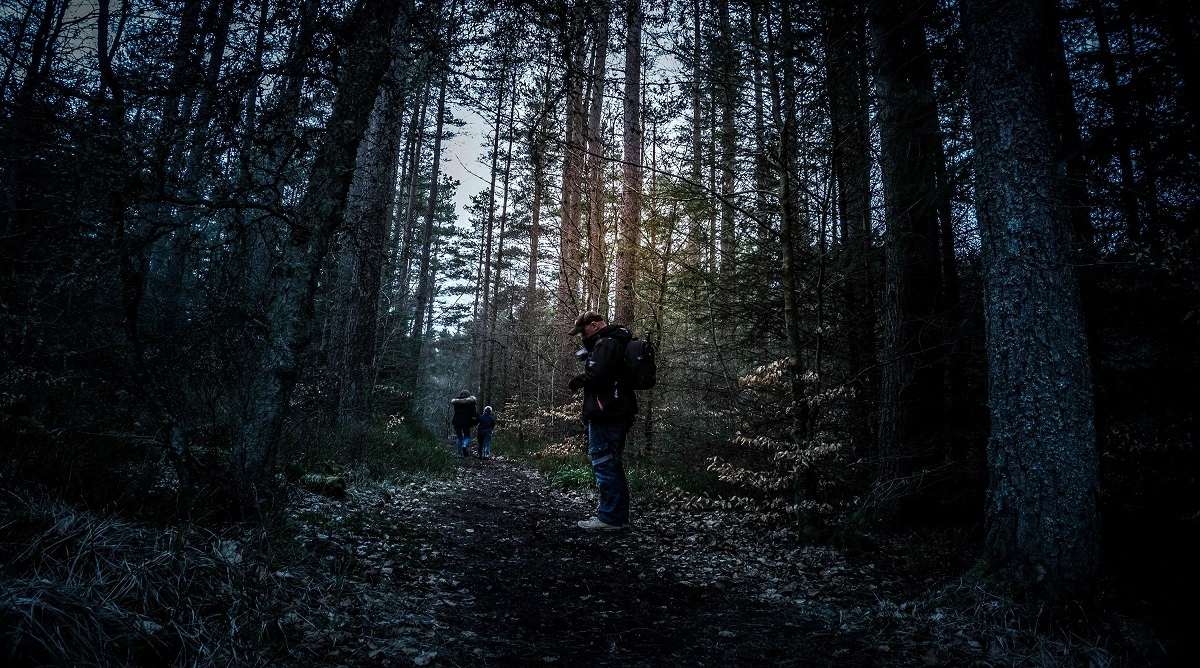
You’ll find seeing animals on a hike depends less on chance than you might think. Loads of hikers walk through places where a lot of animals are, but don’t even realise they’re close! It’s typically how fast you’re going, how much noise you make and how much you’re looking for that makes a difference. A trail will change completely if you start to actually look at it as you walk, rather than just getting from one end to the other.
People who teach about wildlife say animals are usually aware of us long before we are of them. And naturalists who spend time outside point out that you’re more likely to see things if you go at a fairly consistent speed, aren’t loud, and are looking for what’s normal for that place. Being more aware of the trail comes from being less disruptive, not from trying harder to find things.
Why noticing wildlife on hiking trails starts with slower movement
When you walk quickly, you tend to concentrate on less. People hiking and thinking about how fast they’re going, how far they have to go, or what the next hill will be like often don’t see animals in the trees, hear things rustling in the bushes, or notice small differences in the trail itself. It’s much simpler to spot wildlife on a hike if you slow down to a more relaxed speed, giving your eyes and ears a bit longer to take in all the small details.
Those who teach outdoors usually say a consistent speed is preferable to repeatedly stopping and starting. A quick shift in your body will get attention, but a smoother walk more easily lets you become a natural part of the trail’s flow.
How quiet movement improves trail awareness
Noise changes what hikers notice. Loud conversation, repeated gear sounds, or fast heavy steps can reduce the chance of seeing or hearing wildlife nearby. Trail awareness often improves when hikers keep voices low and allow natural sounds to stand out more clearly.
Wildlife specialists often explain that quiet does not guarantee sightings, but it does improve the chance of detecting birds, squirrels, deer, or other animals before they disappear. Sound is often the first clue that activity is nearby.
Why wildlife signs matter as much as direct sightings
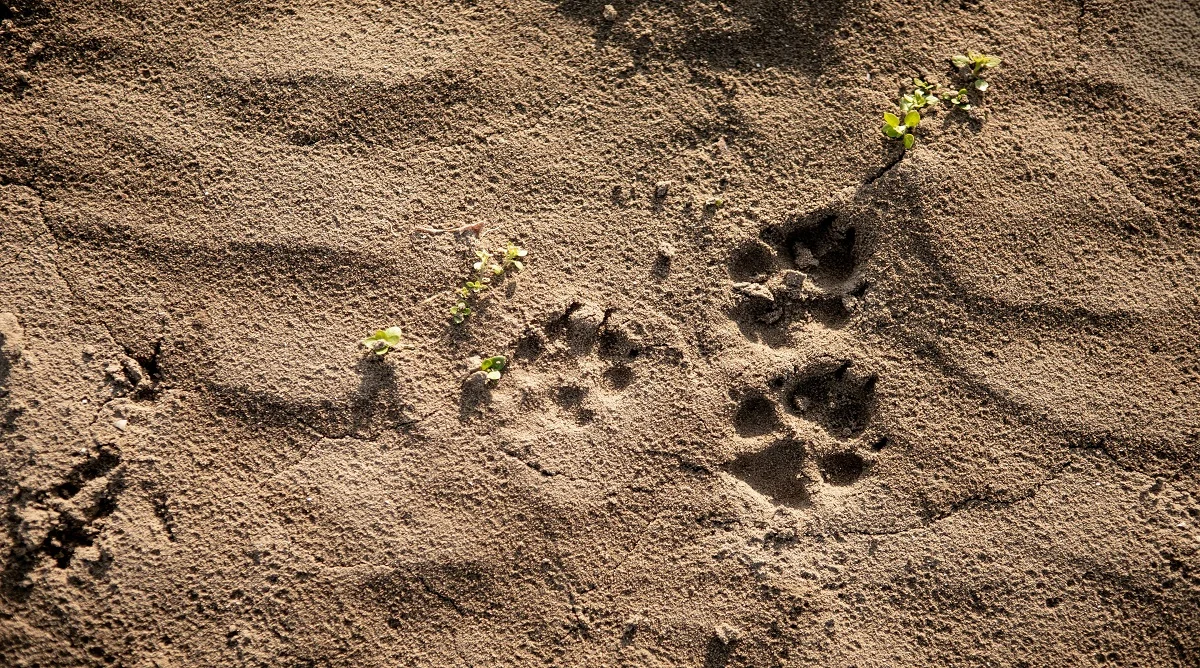
You won’t necessarily see all the animals, but you’ll usually find evidence they’ve been around on the trail. Look for things like footprints, feathers, nests, holes dug by animals, plants with bites taken out of them, or something moving in the bushes. When you’re hiking and want to find animals, it’s good to appreciate these clues rather than just hoping to actually see one.
Naturalists will say that these traces show you how animals are living in and with the land. A new track in damp earth or a collection of feathers at the base of a tree will in fact tell you more about what animals are doing around the trail than a quick, far away view of something running.
Credit: Lena Ti / Pexels
How hikers can use sound for nature observation
You usually hear animals before you see them. The sounds they make, leaves disturbed by their movement, things shaking in the trees, a disturbance in the water, or even a place in the woods that has fallen strangely silent, all tell you there’s wildlife around. If you’re trying to really understand nature, it’s better to pay attention to how the sounds of the trail are changing, instead of just letting them be something you don’t really notice.
Experienced observers of nature frequently suggest stopping for a short time in a quieter area and listening for what happens when you’ve been still for a minute or so. After the path is quieted down, you’ll generally find it much easier to pick up on the more subtle noises.
Why time of day changes what hikers notice
Wildlife activity often shifts with temperature, light, and human traffic. Early morning and later afternoon sometimes offer better conditions for noticing wildlife on hiking trails because temperatures are milder and some routes are quieter. Midday can still offer signs of activity, but direct sightings may be less common on busy paths.
Field educators often note that timing matters because many animals avoid the busiest hours of the day. A familiar trail can feel much more active simply because the hike began at a quieter time.
How trail surroundings shape wildlife visibility
You’ll find different animal activity in different places. Thick woods might conceal bigger creatures, yet make it much easier to hear birds. Wide open fields allow you to see things moving from farther away. And in marshes, you’re likely to hear and find footprints of animals more readily than actually see them. When you’re on a hiking trail and trying to spot wildlife, what you’d expect to find is a lot to do with what the environment around you generally displays.
People who teach about ecology frequently say hikers get the most out of a walk by changing what they expect to experience for the particular place. On some trails, you’ll be rewarded by listening closely, while on others you’ll see more animals running or walking in the distance over open areas or at the sides of streams or ponds.
Why respectful distance matters during wildlife sightings
You get the best experience with animals in the wild if they are relaxed and left alone. If you rush at them or are suddenly loud, you’ll probably stop being able to watch them. Being careful on a trail means understanding when you should just look, not actively do anything.
Scientists who study animals typically say to give them plenty of space, stick to the trail, and don’t try to get their attention or to go after them. Being respectful in these ways will generally make things safer and more natural for you and for the animal.
How hikers can build better wildlife observation habits over time
Nature observation usually improves with repetition. Hikers begin by noticing larger animals or loud bird calls, then gradually start recognizing tracks, movement patterns, or shifts in trail sound. Noticing wildlife on hiking trails becomes easier when each outing includes a little more attention to the surroundings.
Outdoor educators often suggest ending a hike by remembering one sign, one sound, or one small detail that stood out. That simple habit trains attention and makes the next trail feel richer without needing any special equipment.
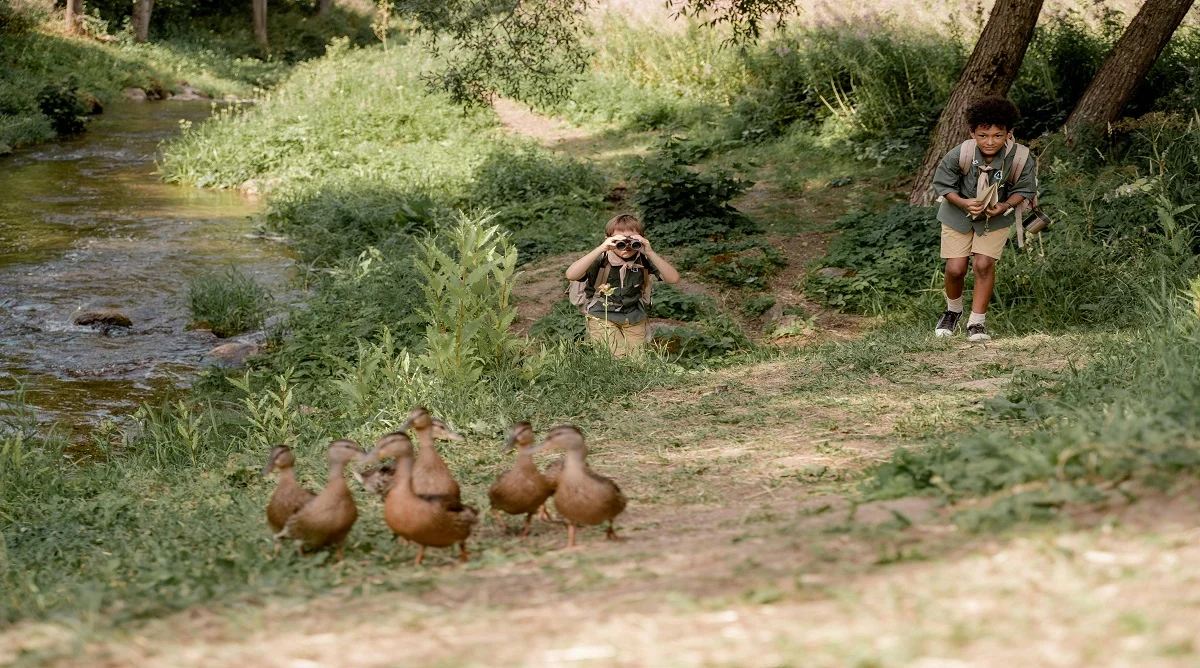
Credit: cottonbro studio / Pexels
Frequently Asked Questions
Q: What is the best way to notice wildlife on a hike?
A: Many hikers notice more by slowing down, reducing noise, and paying attention to sounds, movement, and signs on the trail. Wildlife observation often improves when the hike feels calmer.
Q: Are animal signs as useful as actual sightings?
A: Yes. Tracks, feathers, nests, and other wildlife signs often reveal that animals are active nearby even if they never appear in direct view.
Q: What time of day is best for nature observation?
A: Early morning and later afternoon often help because trails may be quieter and some animals are more active then. Conditions still vary by trail and season.
Q: Should hikers leave the trail to get a better wildlife view?
A: Usually no. Staying on the trail helps protect habitat and reduces disturbance. Respectful distance often creates better wildlife experiences than moving closer.
Key Takeaway
Noticing wildlife on hiking trails usually depends on pace, quiet movement, and stronger trail awareness rather than on luck alone. Hikers often see more when they pay attention to sounds, tracks, and small signs of activity instead of waiting only for clear sightings. Better nature observation often begins when the trail is treated as a living environment, not just a path to finish.