
Beginner hiking myths often shape expectations before anyone even steps onto the trail. Many new hikers assume a short route will feel easy, or that comfort mostly comes down to having the right gear. These ideas can make a first hiking trip feel more difficult than it needs to be, because they draw attention away from the habits that matter most.
Outdoor educators often point out that early success in hiking usually comes from simple, practical choices rather than complicated ones. Recreation specialists also note that beginners tend to improve quickly once common myths are replaced with more realistic expectations. A better first experience often starts with clearer thinking about pace, route, clothing, and overall effort.
Myth 1: Short trails are always easy
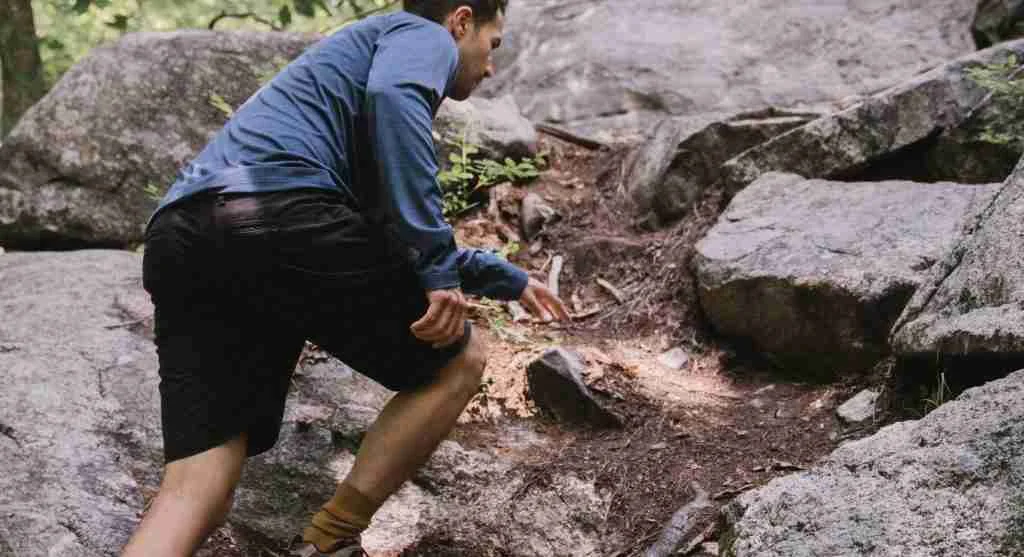
One of the most common beginner hiking myths is the belief that shorter distance means less effort. In reality, even a short trail can involve steep climbs, uneven terrain, or strong sun exposure that makes it feel demanding. Distance is helpful, but it doesn’t tell the whole story.
Outdoor guides often suggest looking at elevation gain, trail conditions, and estimated time instead of relying on mileage alone. Expectations tend to become more accurate when distance is treated as just one part of the decision.
Myth 2: Fast hikers are strong hikers
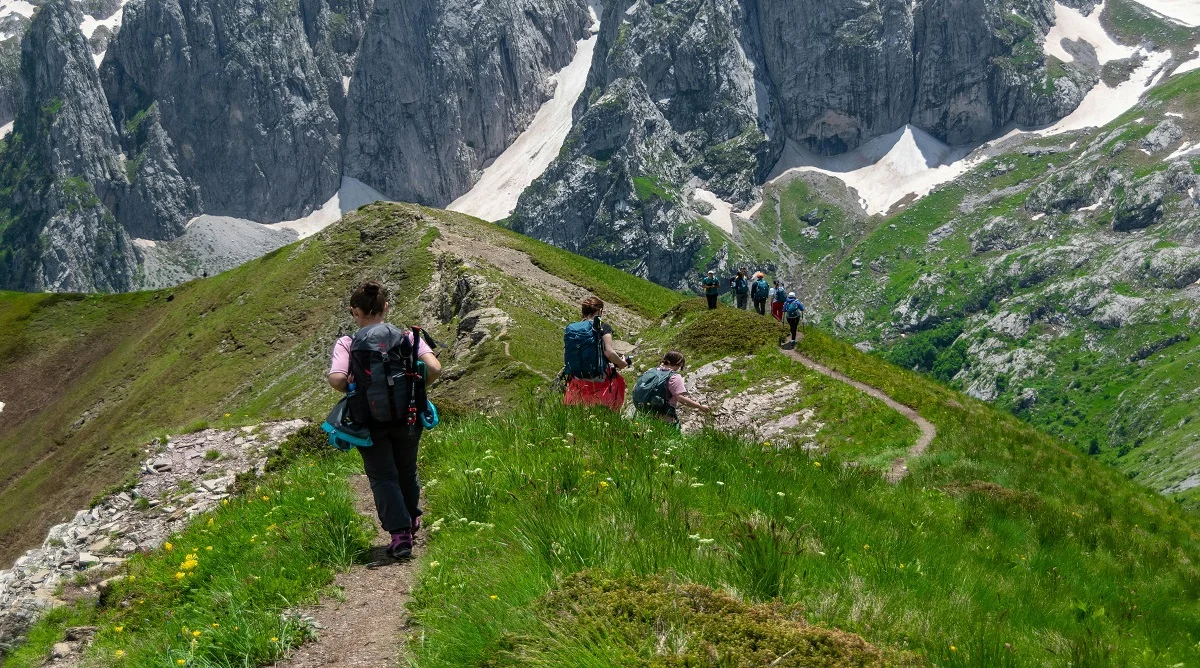
Many beginners assume that moving quickly shows fitness or confidence on the trail. On a first hiking trip, this often leads to early fatigue, as too much energy is used right at the start. A fast pace may feel good initially, but it can make the second half of the hike much harder.
Fitness specialists often explain that consistency matters more than speed. New hikers usually do better when they settle into a pace they can maintain for the entire route, rather than trying to prove strength early on.
Myth 3: Special gear matters more than simple preparation
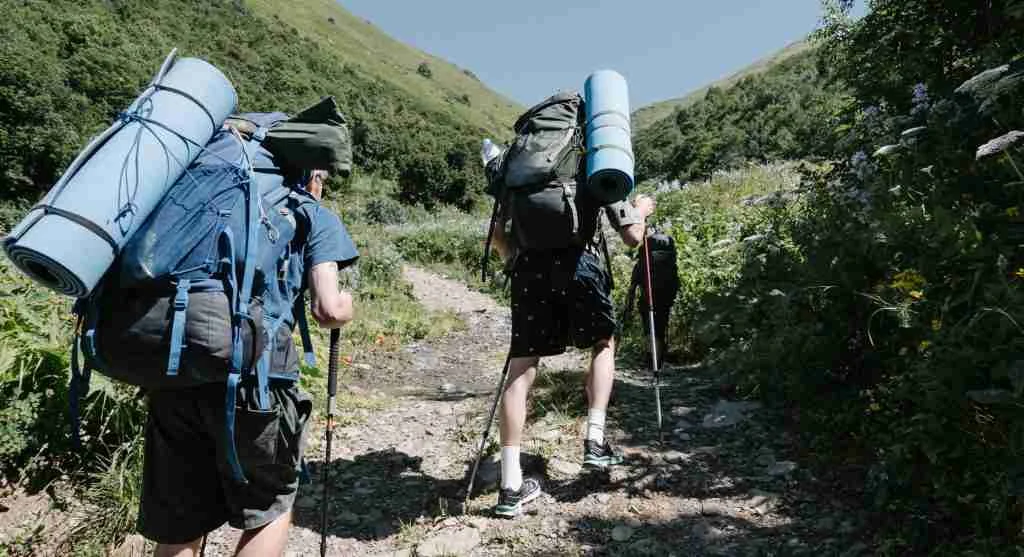
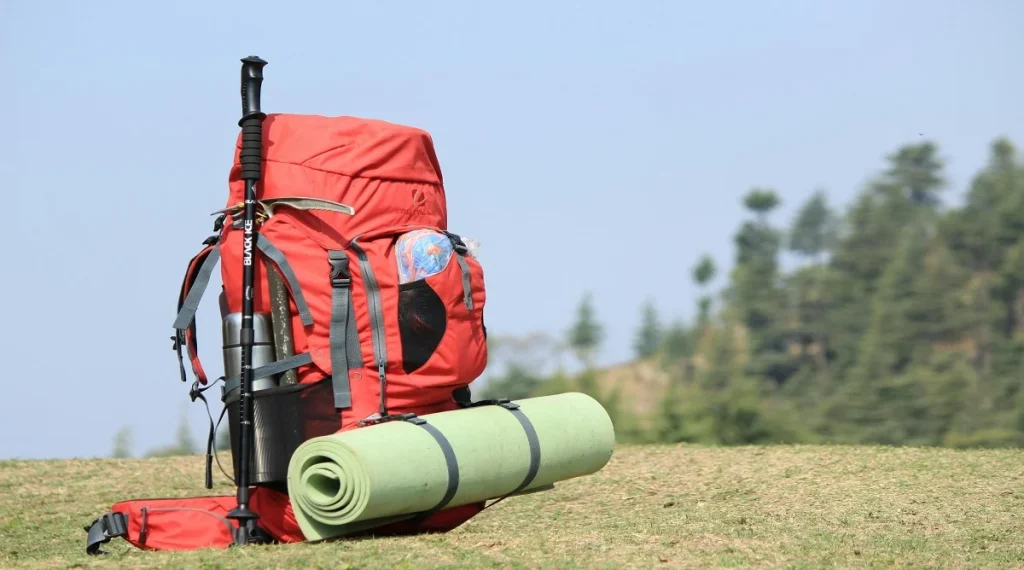
Another common belief is that hiking becomes easy once you have the right gear. While comfortable equipment does help, beginner hiking myths often place too much emphasis on gear and not enough on route planning, weather awareness, and staying hydrated. A new hiker with solid preparation often has a better experience than someone with expensive gear and a rushed plan.
Outdoor educators often note that supportive shoes, enough water, and light layers matter more than complex gear setups on beginner trails. In many cases, thoughtful planning improves comfort faster than buying new equipment.
Credit: Ravindra rawat / Pexels
Myth 4: Beginners should push through discomfort to improve
Some hikers believe that early discomfort on the trail should always be ignored as part of getting stronger. In practice, this mindset can lead to poor pacing, unsuitable route choices, or outings that end on a negative note. Beginner hiking myths like this often blur the line between healthy effort and unnecessary strain.
Outdoor coaches often explain that progress tends to come from repeating positive experiences, not from turning a first hike into a struggle. A beginner outing usually goes better when hikers respond early to signs like thirst, fatigue, heat, or discomfort from clothing and footwear.
Myth 5: Flat trails are the only good beginner trails
Flat routes can be helpful, but they’re not the only good starting point. Gentle hills often give beginners a chance to learn pacing, breathing, and foot placement without making the hike feel overwhelming. Easy trail expectations can become too limited when any elevation is avoided entirely.
Outdoor instructors often recommend a bit of variety rather than complete simplicity. A route with small climbs, stable footing, and a manageable distance can feel more engaging while still being beginner-friendly.
Myth 6: Hiking is mostly about fitness
Fitness plays a role, but a first hike is also shaped by timing, weather, footwear, terrain, and awareness of the route. Beginner hiking myths often treat hiking as just a workout, even though it also involves balance, observation, and decision-making. Someone who is reasonably fit can still struggle if the route doesn’t match the conditions of the day.
Recreation specialists often note that comfort on the trail depends on several factors working together. New hikers tend to feel more confident once they understand that the goal isn’t just endurance, but choosing conditions that support a manageable experience.
Myth 7: The first trail should feel impressive
Many beginners assume their first hike should include a big viewpoint, a steep climb, or a long distance to count as “real” hiking. This often leads to overly ambitious choices. In reality, first trails tend to work best when they’re simple enough to finish with energy to spare.
Outdoor educators often suggest measuring a first hike by how repeatable it feels, not by how dramatic it looks in photos. A modest route that builds confidence is usually more helpful in the long run than one that feels overwhelming.
Myth 8: If the weather looks mild, planning does not matter much
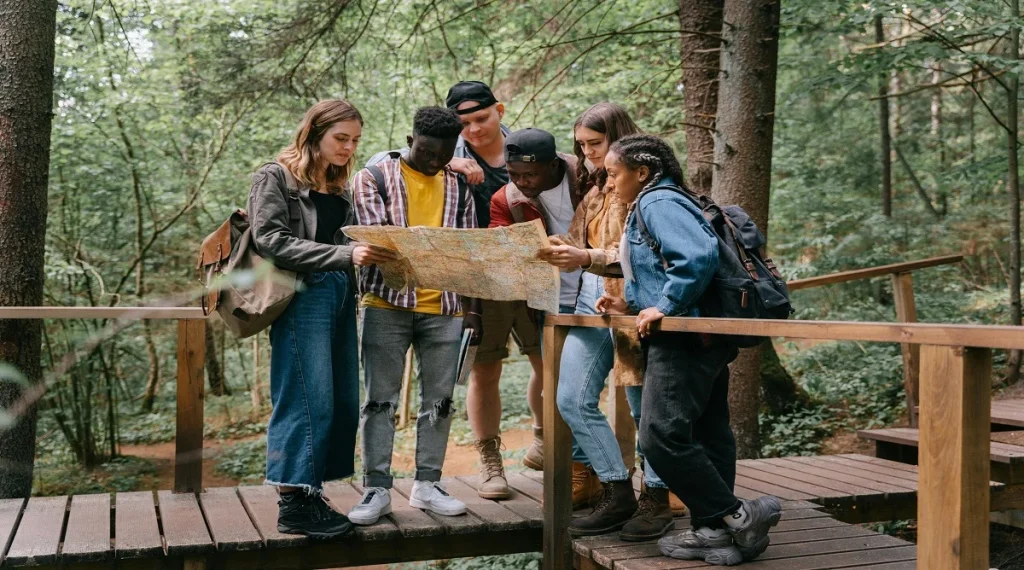
Mild weather can make a hike feel less demanding, which sometimes leads beginners to skip basic planning like reviewing the route, packing enough water, or checking timing. Even in pleasant conditions, factors like sun exposure, wind, or a slower pace can change how the hike feels. Beginner hiking myths often come from the idea that good weather removes the need to plan ahead.
Outdoor safety specialists often recommend doing a simple pre-hike check every time. Knowing the route, carrying enough water, and keeping an eye on time usually support beginners far more than relying on a calm-looking day alone.
Credit: Ivan S / Pexels
Frequently Asked Questions
Q: What is the biggest beginner hiking myth?
A: One of the biggest beginner hiking myths is that short mileage always means an easy hike. Terrain, elevation, heat, and pace often change how a trail feels far more than distance alone.
Q: Should beginners avoid all hills?
A: Not always. Gentle climbs can help beginners learn pacing and trail rhythm. The better goal is manageable elevation, not zero elevation.
Q: Does a first hiking trip need special gear?
A: Usually not much. Practical clothing, supportive shoes, water, and a simple route plan are often enough for many beginner hikes.
Q: What makes a first trail go well?
A: A strong first trail usually has realistic distance, manageable footing, steady pace, and enough preparation to keep the outing comfortable. Confidence often grows from simple success.