
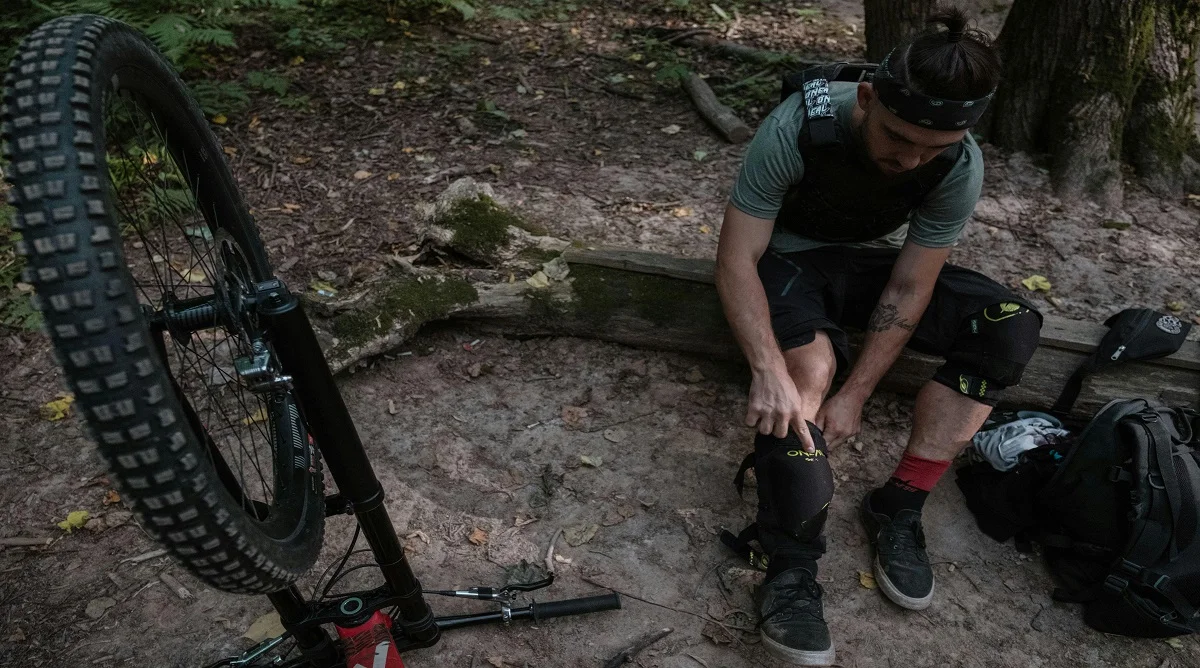
Many hikers expect the climb to be the hardest part of the day, then feel surprised when they’re more tired after the descent. Downhill sections may look easier because gravity helps with movement, but the body is still working hard to stay controlled and stable. That effort often builds quietly until the legs start to feel heavy, shaky, or less steady.
Outdoor fitness educators often explain that downhill fatigue is different from climbing fatigue. Instead of pushing upward, the legs spend long stretches slowing the body down, absorbing impact, and adjusting to uneven terrain. Trail coaches often note that this kind of strain is easy to miss at first, which is why it tends to catch hikers off guard later.
Why hikers often feel more tired after descents than after climbs
One of the main reasons is that downhill movement requires constant control. Each step acts like a small braking action, especially on longer descents. Over time, that repeated effort can lead to heavy, tired legs even if breathing feels easier than it did during the climb.
Fitness specialists often point out that this can be misleading. The heart and lungs may feel less strained, but the muscles in the thighs, knees, calves, and hips are still working continuously. That steady effort is often what leads to fatigue later in the hike.
How downhill hiking fatigue builds gradually
Fatigue on the way down usually builds slowly. A hiker may start the descent feeling strong, then notice that steps feel less smooth, footing takes more effort, or rhythm begins to slip. This doesn’t always happen because the trail gets steeper—it often happens because the legs have been absorbing impact for longer than expected.
Outdoor movement educators often explain that the body can mask this fatigue for a while. A steady pace can continue even as muscles become less efficient. By the time the tiredness is obvious, there may still be a significant portion of the descent left.
Why balance work adds more strain than people expect
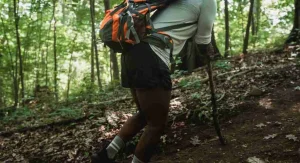
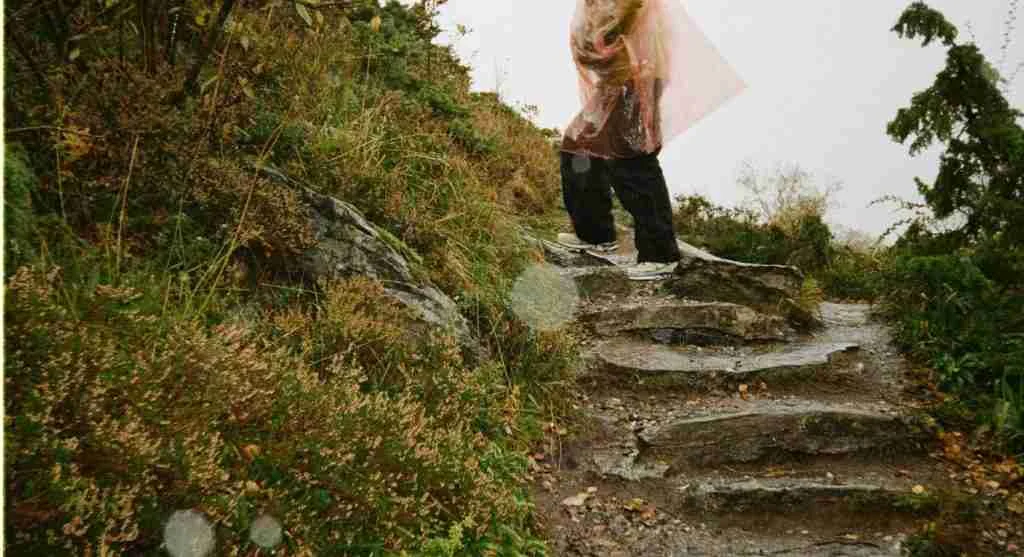
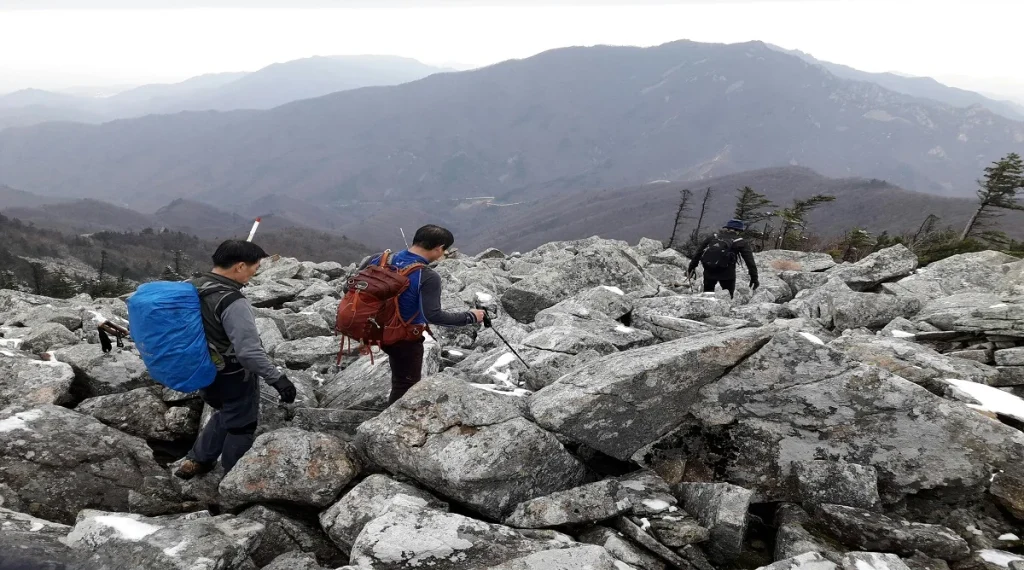
Downhill trails often include loose gravel, roots, angled rocks, leaf cover, or uneven steps. These features require constant small adjustments to maintain balance. Even on moderate terrain, the body rarely moves without needing to correct itself.
Trail safety trainers often explain that this balancing work adds hidden strain. The body isn’t just moving downhill it’s also stabilizing, adjusting posture, and preventing slips with each step. That combination keeps many muscles engaged at once, which contributes to the overall fatigue hikers feel by the end of a descent.
Credit: Christian Anghelo Muñoz Ramos / Pexels
How long descents create hiking leg strain
Long descents often lead to leg strain because the muscles don’t get much of a break once the downhill begins. On climbs, hikers naturally slow down, pause, or shift rhythm. On descents, many keep moving continuously since it feels easier. That steady movement means the muscles are working longer without enough recovery time.
Outdoor coaches often point out that descents require more intentional pacing than people expect. A controlled pace and smaller steps can reduce unnecessary strain. Without that control, the legs end up absorbing more force over the entire descent.
Why steep descents feel different from moderate descents
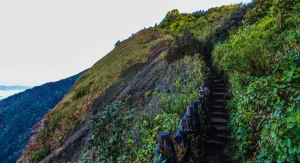
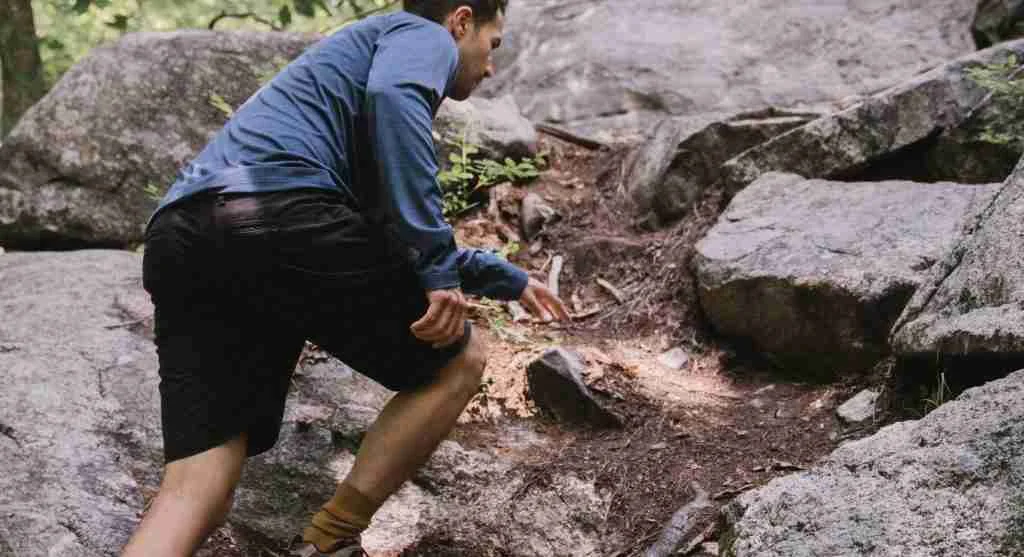
Steeper descents tend to increase fatigue because each step requires stronger braking. Even a slight overstride can lead to harder impact and make balance corrections more difficult. This is why hikers often feel more tired after steep downhill sections compared to longer but gentler slopes.
Movement specialists often recommend shorter steps and a centered posture on steep terrain. These habits help reduce impact and limit the strain that builds quickly in the thighs and knees.
How pace can make downhill effort worse
Some hikers speed up on the way down, either to finish sooner or because the trail feels easier than the climb. In reality, moving faster often increases impact and reduces control. Many hikers who feel extra tired after descents simply started a bit too fast for the terrain.
Endurance educators often explain that efficient downhill movement looks controlled rather than quick. Slowing down slightly often saves energy by reducing heavy landings and constant corrections.
Why hiking leg strain can last after the trail ends
Downhill fatigue often lingers because the muscles have been working to resist movement rather than just produce it. Hikers may notice sore thighs, tired knees, or shaky legs even after reaching flat ground. Recovery can feel slower after long descents because of this repeated strain.
Outdoor fitness specialists often note that a hike with more downhill than uphill doesn’t always feel easier the next day. Descents can leave the body more fatigued than expected.
How hikers can reduce fatigue before it becomes obvious
Hikers usually do better when they treat descents as a skill, not just the easy finish. Shorter steps, a steady pace, brief pauses before long downhill sections, and careful foot placement can make a significant difference.
Outdoor instructors often recommend paying attention early in the descent, not just when fatigue sets in. Starting with control usually keeps the rest of the downhill more manageable and helps prevent that heavy, worn-out feeling later.
Credit: Taryn Elliott / Pexels
Frequently Asked Questions
Q: Why do hikers feel more tired after descents than after climbs?
A: Descents require repeated control, balance, and impact absorption. Even when breathing feels easier, the legs may still be working very hard with each step.
Q: Is downhill hiking fatigue normal?
A: Yes. Many hikers feel more tired after descents because downhill movement creates steady muscle strain, especially on steep or uneven terrain.
Q: What helps reduce hiking leg strain on descents?
A: Shorter steps, a steadier pace, good footing awareness, and brief resets before long downhills often help reduce unnecessary strain and improve control.
Q: Why do descents cause sore thighs later?
A: The thigh muscles often spend a long time slowing the body with every step. That repeated braking effort can create soreness that becomes more noticeable after the hike ends.
Key Takeaway
[INTERNAL LINKING SUGGESTIONS]
- How to Walk Down Steep Trails Without Wasting Energy or Losing Balance
- How to Prepare Your Legs for a Longer Hike Without Complicated Training
- Why Shorter Hiking Steps Often Make Tough Trails Feel More Manageable