
Packing a light extra layer is one of the simplest ways hikers can stay comfortable as trail conditions change. A route that feels warm at the start can turn cool in shade, windy on a ridge, or chilly during a longer break. Many hikers only realize how useful an extra layer is once they wish they had brought one.
Outdoor educators often explain that trail comfort depends on being prepared for change, not just for the starting temperature. Gear specialists also note that handling small weather shifts doesn’t require bulky clothing. In most cases, a light extra layer adds very little weight while making the overall hike much easier to manage.
Why packing a light extra layer matters on short and moderate hikes
It’s easy to think extra clothing is only necessary for long or remote trips, but even shorter hikes can include noticeable temperature changes. Shade, early start times, wind, or a slower pace can all make a trail feel cooler than expected. A light extra layer helps because body temperature doesn’t stay constant throughout the hike.
Outdoor instructors often point out that trails create their own microclimates. A calm trailhead might lead to a breezy overlook, or a warm climb might end at a cool resting spot. A light layer gives hikers a simple way to adjust without carrying unnecessary gear.
How hiking layer planning prevents common comfort problems
Good layer planning is about flexibility rather than extremes. The goal isn’t to prepare for every possible condition with heavy gear, but to bring one extra layer that can handle cooler, windier, or slower moments on the trail.
Outdoor clothing educators often note that many comfort issues come from dressing only for movement. Hiking uphill may feel warm, but stopping for even a short break in shade can feel quite different. A light extra layer helps bridge that gap between moving and resting comfort.
Why wind and shade make an extra layer more useful
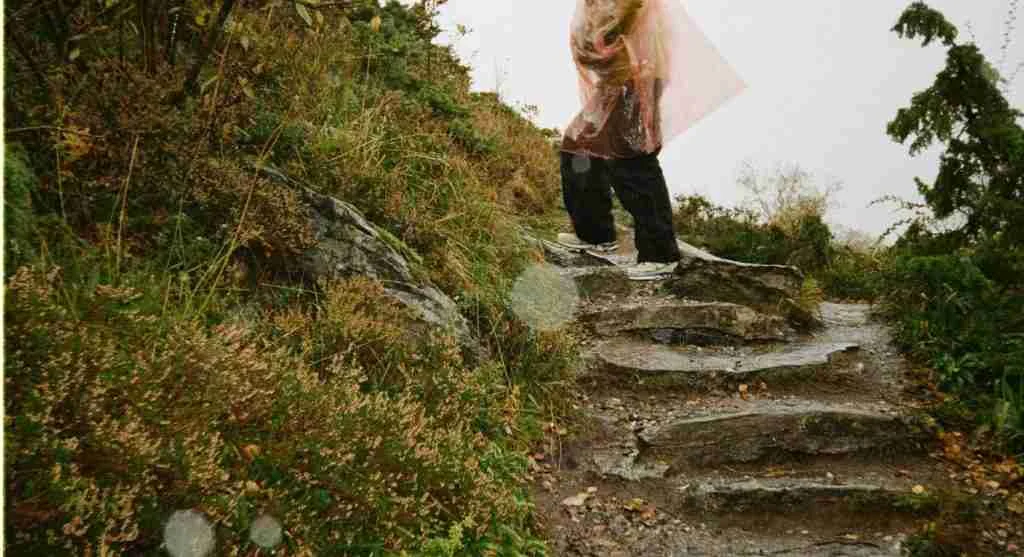
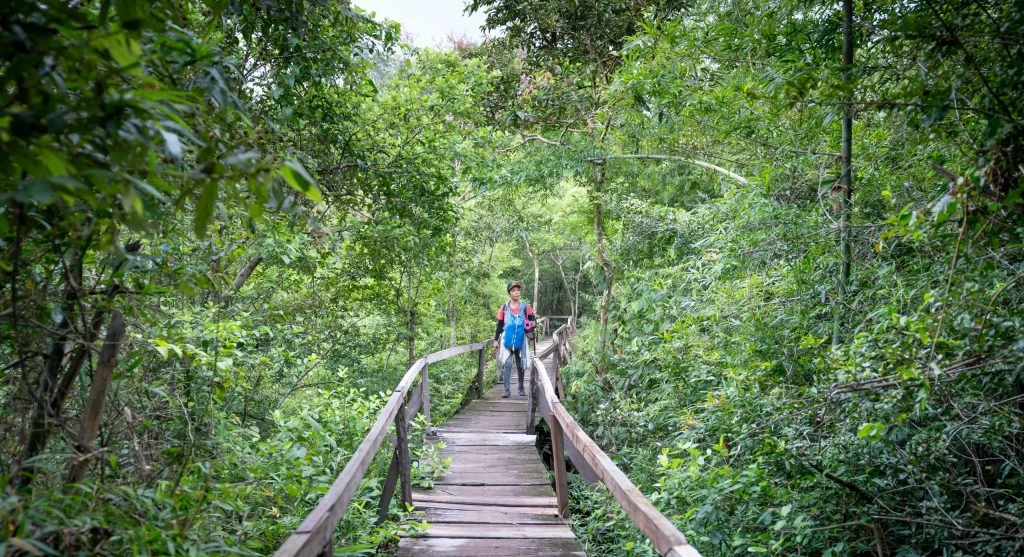
Wind and shade are two of the most common reasons hikers want extra coverage. Even a light breeze can cool the body quickly, especially after sweating during a climb. Forested sections can also stay cooler much longer than open areas. A light layer makes it easy to adjust without adding bulk.
Outdoor safety specialists often explain that comfort can shift quickly when the body stops generating as much heat. A layer that feels unnecessary while moving can become very useful at an overlook, near water, or during a longer shaded descent.
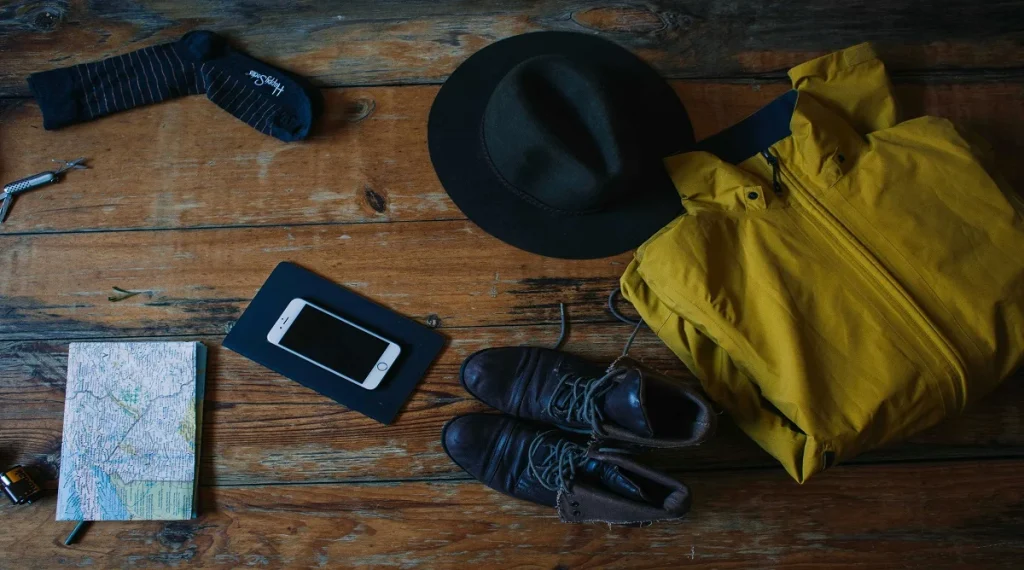
Credit: Rachel Claire / Pexels
How to choose a light layer without making the pack feel heavy
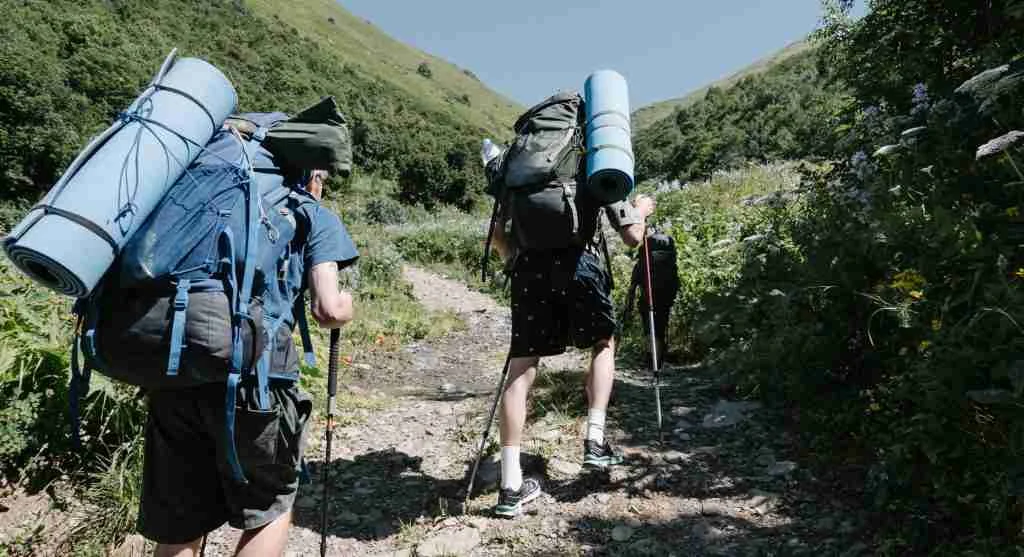
The most useful extra layer is usually the one that feels easy to carry and easy to use. If it’s bulky or awkward, hikers are more likely to leave it behind or pack it so deep that it rarely gets used. A good light layer folds down compactly and fits the conditions expected for that day.
Gear educators often recommend choosing a layer based on the most likely change in conditions. On a windy day, a light outer layer may be enough. On a cool morning, a simple warming layer might be more useful. The goal isn’t to pack more it’s to pack smarter for the situation.
Why access matters as much as the layer itself
Bringing an extra layer doesn’t help much if it’s buried in the pack. When it’s hard to reach, hikers often delay using it and end up uncomfortable longer than necessary. A light layer works best when it’s stored somewhere easy to grab without unpacking everything else.
Outdoor guides often point out that gear only helps when it’s used at the right time. Keeping a layer near the top of the pack or in an accessible pocket makes it more likely to be used early, before discomfort builds.
How packing a light extra layer helps with pace changes
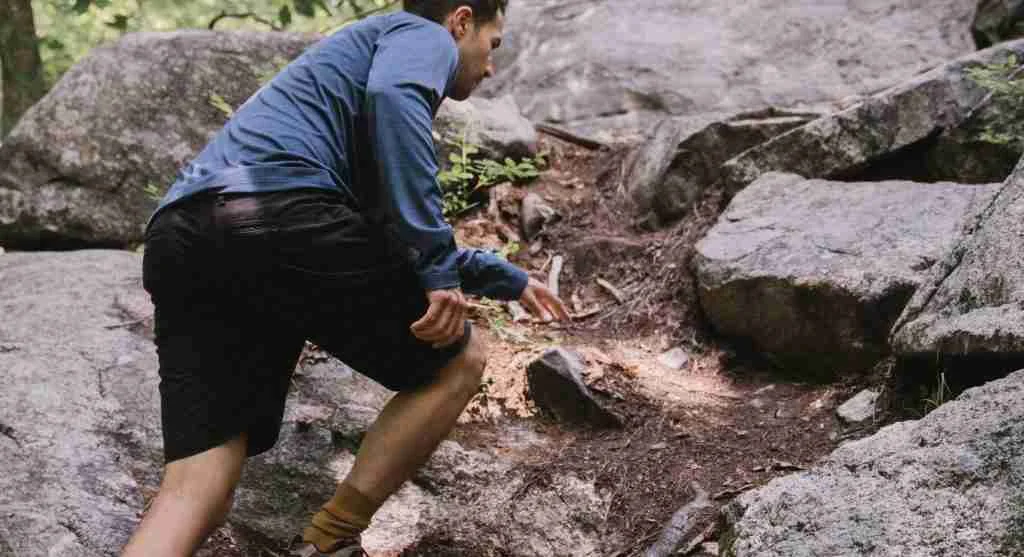
Trail pace often shifts throughout a hike. Slower sections, rest stops, viewpoints, or waiting for others can all change how the body feels. These moments can make a previously warm hike feel cooler. A light layer helps manage that change without needing to rush or push harder just to stay warm.
Fitness specialists often note that comfort affects pacing more than many hikers expect. When people feel chilled, they may speed up unnecessarily. A simple extra layer can help maintain a steadier, more comfortable pace.
Why beginners often overlook day hike clothing flexibility
Many beginners dress only for how the weather feels at the trailhead and don’t yet expect how much conditions can change along the route. This is a normal learning step. Over time, hikers realize that factors like elevation, shade, wind, and effort all affect comfort.
Outdoor educators often explain that the goal isn’t to complicate clothing choices it’s to add flexibility. One light extra layer is often enough to handle most small changes without overpacking.
How hikers can review what worked after the trail ends
After a hike, it can be helpful to reflect on whether the extra layer was used, when it was needed, and whether it felt like the right choice. These small observations make future planning easier and more accurate.
Gear specialists often suggest paying attention not just to whether the layer was worn, but also how easy it was to access and pack away. These practical details often determine whether the layer truly adds value or just takes up space.
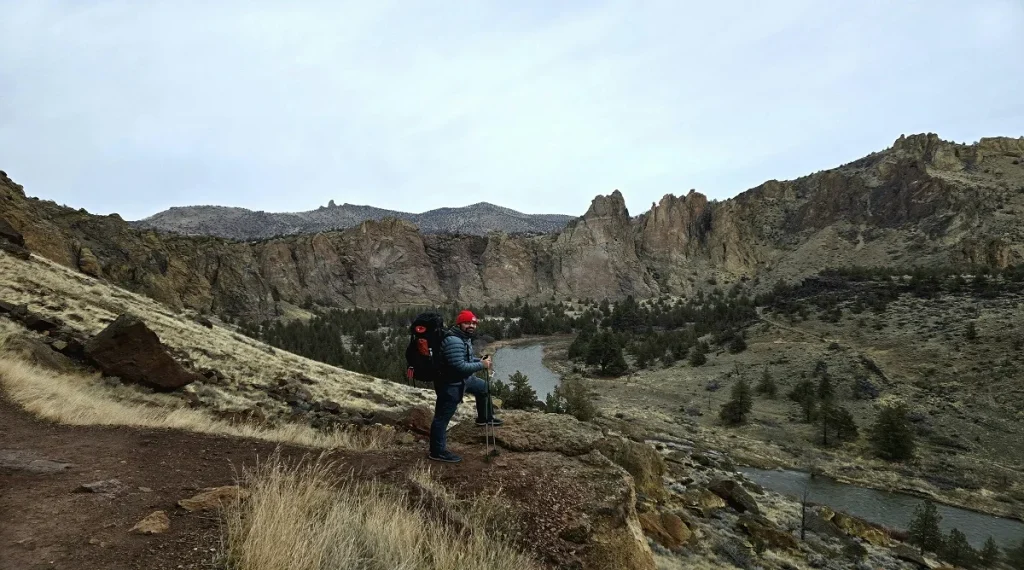
Credit: Michael Vest / Pexels
Frequently Asked Questions
Q: Why should hikers bring an extra layer on a day hike?
A: Conditions often change with wind, shade, pace, and elevation. Packing a light extra layer can help hikers stay comfortable without adding much weight.
Q: Does a short trail still need extra clothing?
A: Sometimes yes. Even short hikes can include cool shade, breezy overlooks, or slower sections where body temperature drops more than expected.
Q: What makes a good extra layer for trails?
A: A useful extra layer is usually light, easy to pack, and easy to reach. It should match the likely trail conditions instead of adding unnecessary bulk.
Q: Where should hikers pack the extra layer?
A: It often helps to keep it near the top of the pack or in an easy-access section. A layer is more useful when hikers can put it on before discomfort becomes strong.