
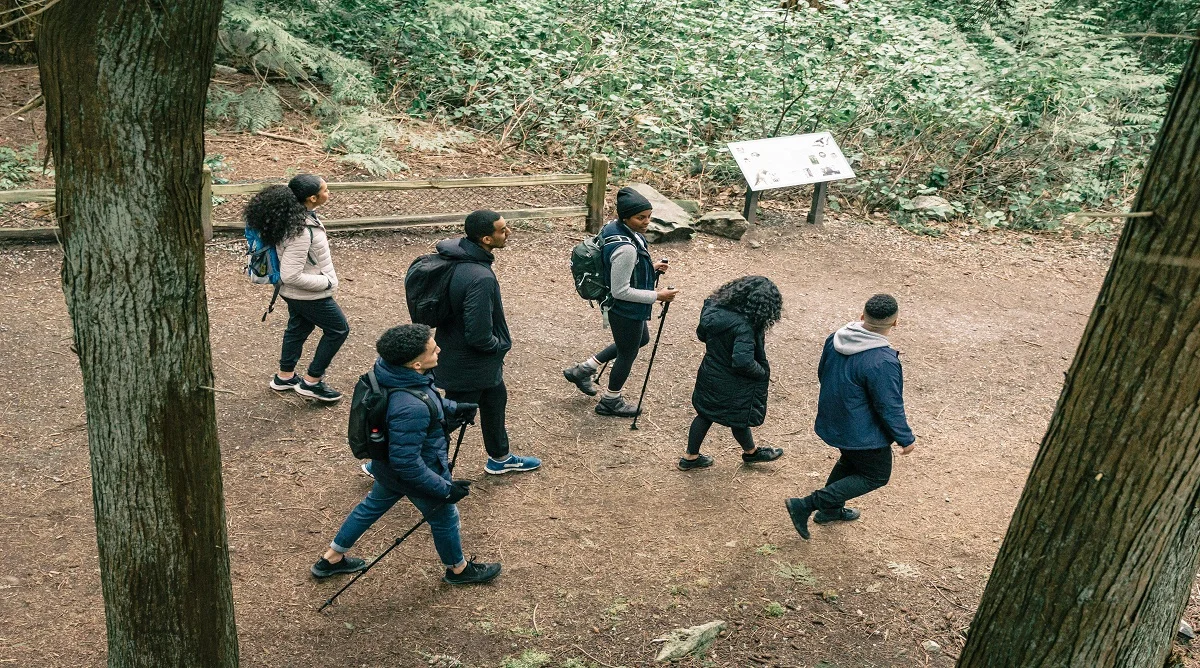
Easy walking before a hike might seem too simple to make a difference, but it often shapes how the entire outing feels. Many hikers start quickly because they feel fresh at the trailhead, only to notice tightness, heavier breathing, or early fatigue sooner than expected. A more gradual start often makes the trail feel smoother from the very beginning.
Outdoor fitness educators often explain that the body responds better to a steady build-up than to a sudden jump in effort. Recreation specialists also point out that improving trail comfort isn’t always about pushing harder—it’s often about giving the body a little more time to adjust before the hike becomes demanding. That’s why an easy start can matter more than it seems.
Why easy walking before a hike helps the body adjust gradually
The body isn’t always ready for immediate effort the moment a hike begins. Muscles, breathing, posture, and overall rhythm usually need a few minutes to settle into movement. Starting with easy walking creates a smoother transition from being still—like sitting in a car—to active hiking.
Fitness specialists often note that this gradual start helps reduce the feeling of sudden strain in the legs and lungs. Even if the hike becomes more challenging later, the early transition feels less abrupt when the body has already eased into motion.
How early hike pace affects trail comfort later
A hike often feels harder than expected because the opening pace was too fast. Starting quickly may feel efficient at first, but it can lead to fatigue that lingers throughout the rest of the route. Easy walking helps set a pace that’s more sustainable as the terrain becomes more demanding.
Outdoor coaches often suggest treating the first stretch of a hike as a warm-up rather than a test. A good trail day usually depends on steady energy, not on how fast the first few minutes go.
Why breathing often feels easier after a gradual start
Breathing is one of the clearest signals of how well the body is adjusting. When hikers start too quickly, breathing can become heavy before the body has found its rhythm. Beginning with easy walking allows breathing to align more naturally with movement.
Endurance specialists often explain that steady breathing supports better pacing choices. When the hike starts calmly, it’s easier to sense whether the effort feels sustainable or if the pace needs to be adjusted early on.
Credit: Mahmut yılmaz / Pexels
Credit: Roman Biernacki / Pexels
Frequently Asked Questions
Q: Why does a gradual start help so much on hikes?
A: A gradual start gives muscles, breathing, and pace time to adjust. That often improves trail comfort and reduces the early fatigue that comes from moving too fast too soon.
Q: Is easy walking before a hike only useful for beginners?
A: No. Beginners and experienced hikers both benefit from a calmer beginning because it helps the body respond better to the real trail conditions.
Q: How long should the warm-up part of a hike last?
A: It depends on terrain and fitness, but many hikers benefit from taking the first several minutes at a calmer pace before letting effort rise naturally with the route.
Q: Does a slow start make the hike take too long?
A: Usually not in a meaningful way. A slightly slower beginning often improves overall pacing and can make the rest of the hike feel more efficient and controlled.