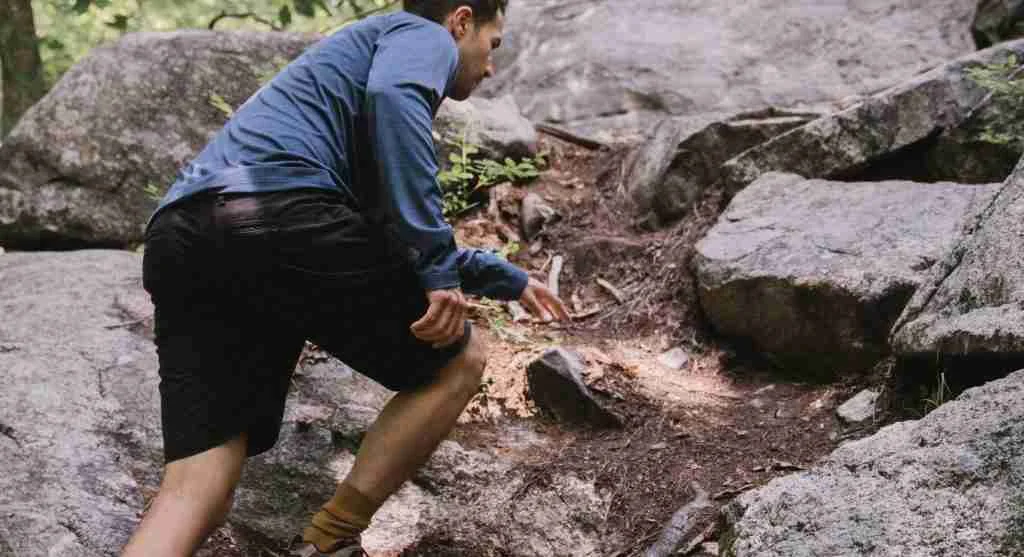

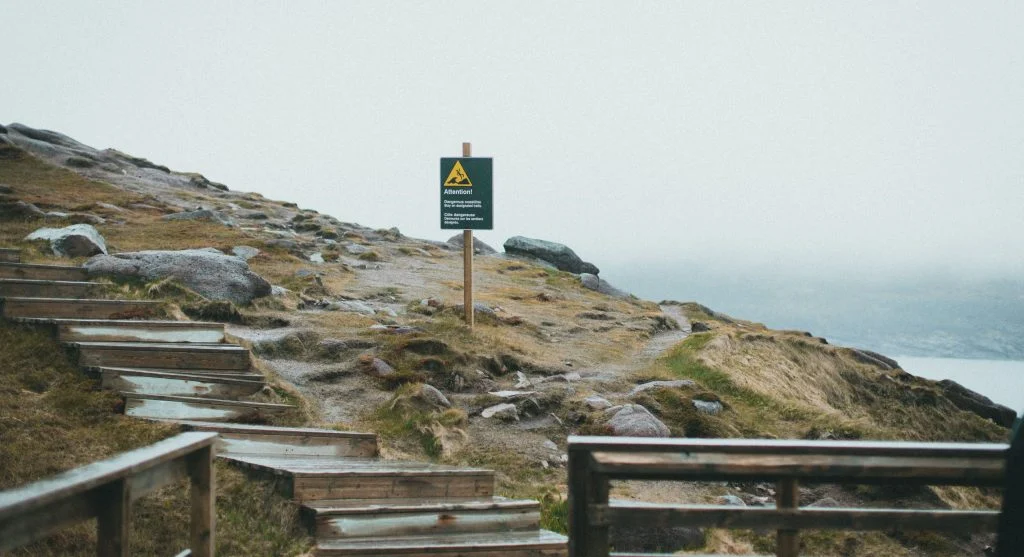
Most hikers have had the same reaction after a small slip. One foot slides a little, balance comes back quickly, and the body keeps moving as if nothing important happened. Because there was no fall and no major stumble, it is easy to treat the moment as random. On many trails, though, that first slip is not random at all. It is often the clearest early warning the route gives before footing problems become more serious.
Outdoor educators often explain that trail safety signals usually begin small. Guides and trail workers also note that hikers often respond too late because the first warning feels easy to ignore. This is why it often helps to slow down after the first slip instead of waiting for a bigger one. A small early adjustment usually costs far less than recovering from a second mistake on worse footing.
Why the First Slip Often Matters More Than Hikers Think
One reason the first slip matters is that the body usually notices changing traction before the mind fully accepts what the trail is doing. A foot may slide only an inch, but that inch often reveals a real change in the surface. The ground may be dustier, looser, slicker, wetter, or less supportive than the last few steps suggested.
Outdoor instructors often explain that hikers tend to dismiss these early warnings because the body recovered quickly. Recovery feels like proof that the trail is still manageable. In reality, it often only proves that the first mistake happened while there was still enough balance to fix it. The next one may not be as forgiving.
How Small Slips Reveal Changing Trail Conditions
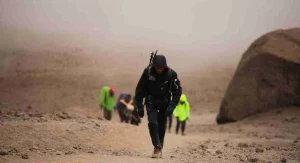
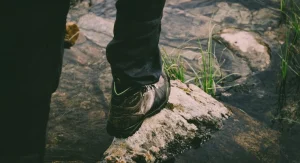
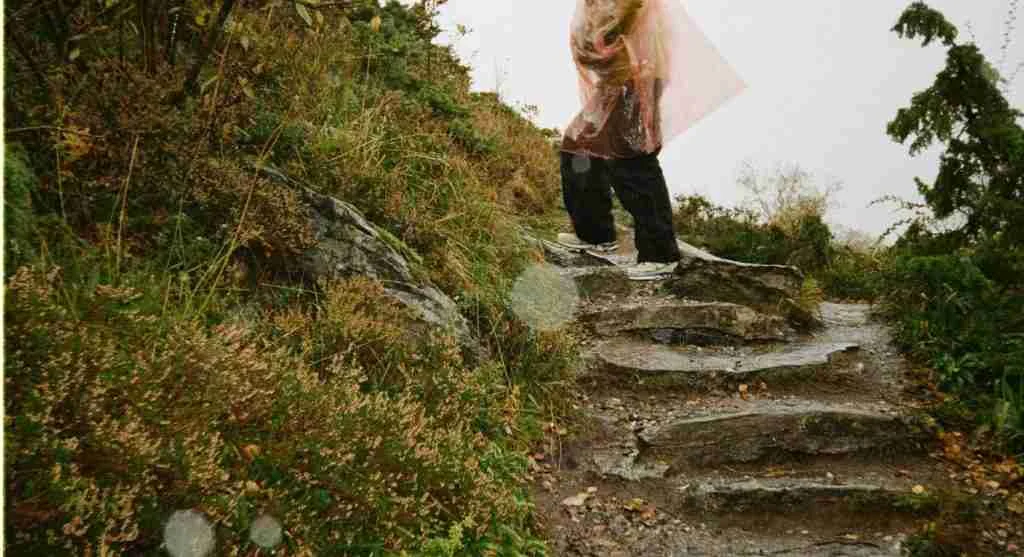
A slip often happens because something in the trail has changed, even if that change is subtle. Dry dust may be sitting on hard rock. Small gravel may be rolling under the boot. Roots may be smoother than they looked. A side slope may be pushing weight toward the outer edge. None of these need to look dramatic to change how a foot lands.
Trail safety specialists often note that changing trail conditions rarely announce themselves clearly. Hikers often get the message through movement first. A slip, weak push-off, or small sideways correction can all be the trail’s way of showing that the next steps need a different pace and more attention.
Why Hikers Often Keep the Same Pace After a Slip
Many hikers keep the same pace because slowing down feels unnecessary if the slip seemed minor. The body is still moving, the route still looks walkable, and no serious mistake seems to have happened. There is also a strong human habit at work. Once people are moving comfortably, they usually want to believe the trail still supports that movement.
Outdoor coaches often explain that this is why the first slip is easy to waste as useful information. The trail offers a warning, but the hiker treats it as an exception instead of feedback. That choice often carries the same stride and the same confidence onto ground that has already proven it deserves more care.
How One Small Slip Can Lead to a Bigger Second Mistake
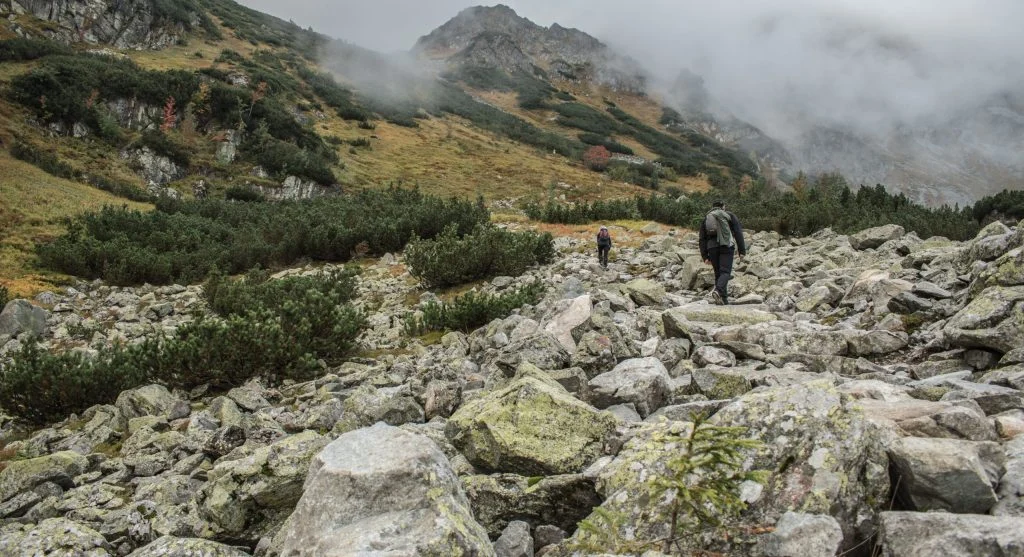
The biggest danger of ignoring the first slip is not the slip itself. It is the assumption that the same speed and stride are still appropriate. If the trail has changed and the hiker has not, the next few steps often happen under the same poor conditions. That makes a second mistake more likely, and the second one may come with less warning time and less room to recover.
Outdoor educators often explain that trail accidents often happen in sequences, not in isolation. First comes the minor warning. Then comes the choice to keep moving the same way. Then comes the bigger stumble, slide, or awkward landing that might have been avoided with one earlier adjustment.
Why Descents Make the First Slip Especially Important
On descents, a first slip deserves even more respect. Going downhill already asks the body to manage forward momentum, braking, and balance. If traction is changing too, the body has fewer easy ways to correct a second mistake. A small slide that feels harmless on flat ground can mean something more serious on a descent because the trail gives less room for recovery.
Movement educators often note that hikers often mistake downhill comfort for downhill safety. A descent may look smooth and easy enough to continue quickly, yet one early slip often proves that the ground is not as predictable as it appeared from a few feet higher.
How Slips Affect Confidence Even When Hikers Do Not Admit It
Even when hikers say a small slip did not matter, the body often responds as though it did. Stride may become slightly less natural, shoulders may tighten, or one foot may start landing more cautiously than the other. This creates a strange middle ground where pace stays too fast for the surface, yet the body is no longer fully relaxed within that pace.
Outdoor instructors often explain that this is one reason trails feel awkward after a slip. The hiker may not have slowed enough to truly adapt, but may already have lost some of the easy rhythm that made the earlier pace work. That combination often wastes energy without improving safety.
Why Slowing Down Early Usually Saves More Time Later
Many hikers avoid slowing down because they do not want to lose momentum or time. In reality, slowing after the first slip often protects both. A short early pace adjustment is usually much cheaper than a later stop to recover from a harder stumble, clean a scrape, regain confidence, or manage an irritated ankle or knee.
Trail guides often explain that strong pacing is not about holding one speed no matter what. It is about matching speed to the ground that is actually underfoot. Once the first slip shows the surface is less reliable, speed that ignores that message is no longer efficient speed at all.
How Hikers Can Respond Better After the First Slip
The best response is usually simple. Slow slightly, shorten the next few steps, and pay closer attention to how the trail is behaving under the boots. A quick look at the surface often helps too. Is there loose grit, damp root, angled rock, soft dust, or a crumbling edge nearby? The goal is not panic. The goal is to let the trail’s first warning change the next few choices.
Outdoor safety educators often recommend treating the first slip as information rather than embarrassment. When hikers stop acting as if the trail made a random mistake and start reading it as a clear signal, the route often becomes easier to handle almost immediately.
Why This Habit Improves Many Other Trail Skills
Slowing down after the first slip improves more than one moment of safety. It teaches hikers to trust small body signals, read surfaces earlier, and respond before the route forces a stronger correction. Those habits often carry into wet roots, narrow tread, dusty descents, wooden bridges, and many other trail situations where the earliest warning is the most useful one.
Outdoor coaches often explain that many strong trail skills come from respecting the smallest clues. The trail rarely needs to shout to be understood. One minor slip often says enough. Hikers who listen sooner usually move more smoothly, stay steadier, and finish the route with much less wasted energy.
Frequently Asked Questions
Q: Why should hikers slow down after a small slip?
A: Because even a small slip often signals that traction or footing has changed. Slowing down gives the body time to adapt before the next step becomes a bigger problem.
Q: Does one slip always mean the trail is dangerous?
A: Not always, but it usually means something about the surface deserves more attention. It is often a useful warning, even if the route is still manageable.
Q: Is this most important on downhill trails?
A: It matters everywhere, but it often matters more on descents because downhill momentum gives the body less room to recover from a second mistake.
Q: What should hikers do right after the first slip?
A: Many hikers do better by slowing slightly, shortening stride, and looking for the surface change that caused the slip before continuing at the same pace.
Key Takeaway
Hikers should slow down after the first slip because small slips often reveal real changes in traction before bigger mistakes happen. A brief early adjustment in pace and foot placement usually protects balance, saves energy, and keeps the trail from becoming more difficult than it needs to be. In many cases, the smartest response to a small slip is simply to treat it like the warning it already is.