
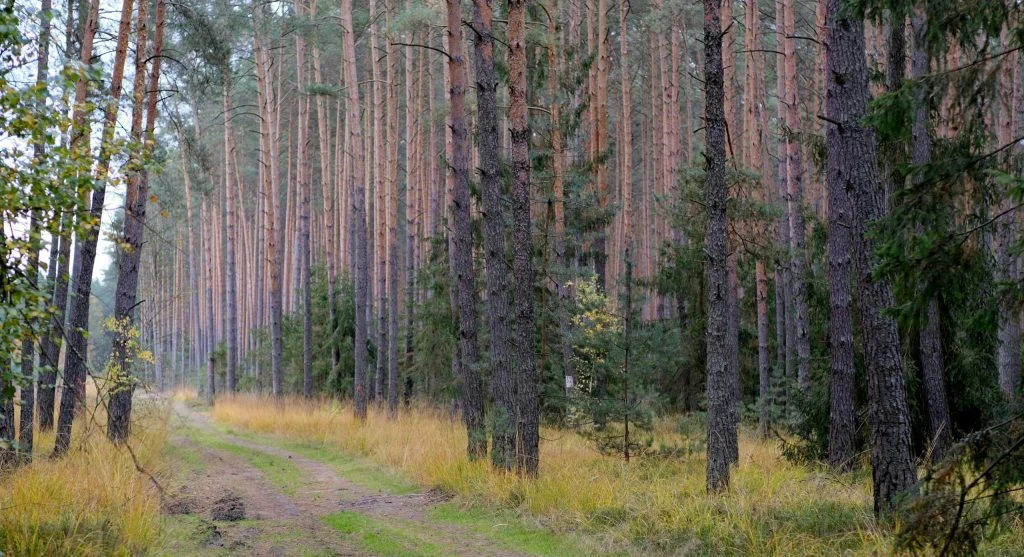
Long straight trails often feel slower than winding routes, even when both cover the same distance. Many hikers notice this feeling without immediately knowing why. A straight path may look simple, open, and efficient on a map. But once you are actually on the trail, that direct line can make the distance feel more obvious and the time feel longer.
Outdoor educators often explain that the body does not experience trail distance through mileage alone. It also experiences distance through attention, visible progress, and the way the route unfolds ahead. This is one reason long straight trails can feel slower than winding routes that break the distance into smaller visual sections.
Why long straight trails often feel slower right away
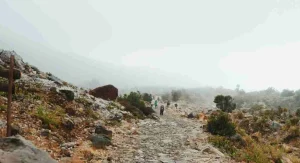
One reason long straight trails feel slower is that they reveal too much of the route at once. When hikers can see a long stretch ahead, the distance feels fully exposed instead of divided into smaller parts. That can make even a moderate walk feel mentally longer before the body has really started to tire.
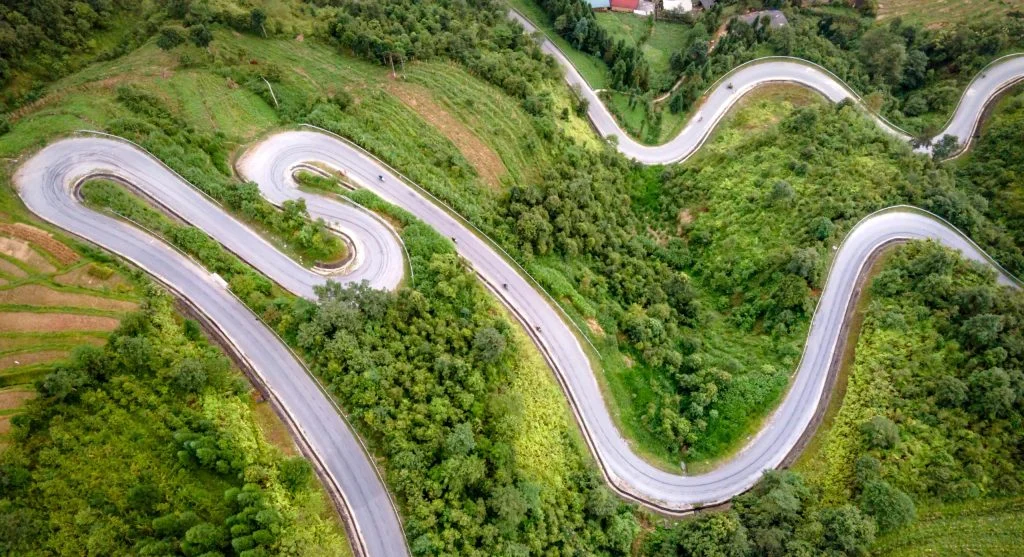
Outdoor instructors often explain that winding routes usually create the opposite effect. They hide part of the distance around bends, trees, or small shifts in direction. This makes the trail feel more contained and often more manageable, even when the total mileage is the same.
How visible distance changes trail time perception
Trail time perception often changes when the eyes keep measuring what is still ahead. On long straight trails, hikers may look forward again and again and see what feels like a large amount of trail still waiting. That repeated visual reminder can make the outing feel slower than it actually is.
Outdoor psychologists often note that people usually handle distance better when it arrives in smaller pieces. A route that unfolds gradually often feels shorter because the mind focuses on the next section instead of the entire visible stretch at once.
Why winding routes often feel more engaging
Winding routes often feel more engaging because they create small moments of change. A bend appears, the scenery shifts slightly, or a new section of trail opens into view. These changes help the mind stay active and curious. Long straight trails may feel slower partly because they offer fewer of those natural resets.
Outdoor recreation specialists often explain that this does not mean winding routes are physically easier. It means they often feel easier because the route keeps changing what the hiker sees and expects. Straight trails may be simpler in shape, but they often provide less variety in how progress feels.
How repeated scenery makes straight routes feel longer
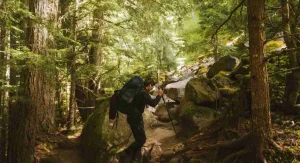
Repeated scenery is another reason long straight trails often feel slow. If the surroundings look similar for a long stretch, hikers may begin to feel as if they are moving through one extended section rather than passing through a series of different places. That sameness can quietly stretch the felt length of the trail.
Naturalists often explain that the environment itself may still be beautiful, but repetition changes how the mind reads progress. A winding trail can make the same forest feel more varied simply because different angles and smaller scene changes keep appearing.
Why exposed straight sections can feel even slower
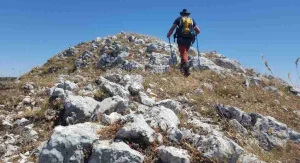
Long straight trails often feel slowest when they are also exposed. Sun, wind, or open ground can make the visible distance feel even larger because there are fewer visual breaks and less shelter along the way. A straight route through open terrain may therefore feel slower than a curving shaded trail of the same length.
Outdoor weather educators often note that exposure changes how each section feels physically and mentally. When a hiker sees a long, open, straight line ahead, the route may feel more demanding simply because it looks so fully revealed.
How pace awareness changes on straight trails
Hiking pace awareness often becomes more complicated on long straight routes. Some hikers start too quickly because the path looks simple. Others begin to feel slower because the visible distance makes progress seem smaller than it really is. In both cases, the route can feel less satisfying than a winding trail that hides and reveals distance more gradually.
Fitness specialists often explain that this is one reason pace on straight routes can feel oddly frustrating. The body may be moving well, yet the visual feedback of progress may not feel rewarding enough to match the effort being used.
Why straight trails can feel mentally longer near the end
Later in the hike, long straight trails may feel even slower because fatigue makes the remaining distance more noticeable. A hiker who is already a little tired may see one more long clear section ahead and feel as if the finish keeps staying farther away than expected. This often makes the final part of the route feel stretched out.
Outdoor psychologists often note that visible unfinished distance tends to feel larger when energy is lower. Winding routes often soften this effect because they keep the next part of the trail smaller and less fully exposed to view.
How hikers can make straight routes feel more manageable
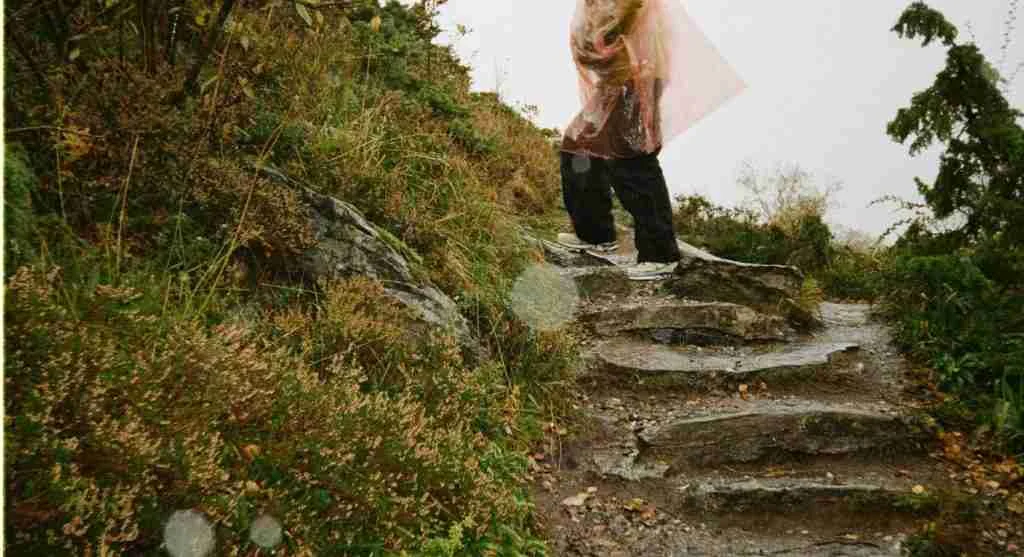
Many hikers do better when they stop thinking of a straight route as one long visible line and instead break it into smaller sections. Natural markers such as a trail sign, shade patch, bridge, or change in ground texture can help divide the route into manageable pieces. This often improves how long straight trails feel without changing the actual distance.
Outdoor instructors often recommend using attention more actively on straight sections. Noticing sounds, surface changes, plant life, or sky conditions can keep the route from becoming only about the long line ahead. That often helps the trail feel more present and less drawn out.
Why route shape matters as much as route distance
Hikers often compare trails mainly by mileage, but shape matters too. Long straight trails and winding routes can cover the same ground while creating very different experiences of time and progress. One may feel exposed and slow, while the other feels varied and easier to absorb.
Trail planners often explain that understanding this helps hikers choose routes more realistically. A direct line is not always the route that feels quickest. In many cases, the route that hides distance better is the one that feels easier to finish.
Frequently Asked Questions
Q: Why do long straight trails feel slower than winding ones?
A: Long straight trails often show too much visible distance at once. That can make progress feel slower and the route feel mentally longer than a winding path of the same length.
Q: Are winding routes actually easier?
A: Not always physically. They often just feel easier because they break the trail into smaller visual pieces and create more variety along the way.
Q: Do straight trails always feel longer?
A: Not always, but they often do when scenery repeats, exposure stays high, or the remaining route remains visible far ahead for long stretches.
Q: How can hikers make straight trails feel shorter?
A: Many hikers do better by using smaller landmarks, paying attention to trail details, and thinking in sections instead of focusing only on the long visible line ahead.