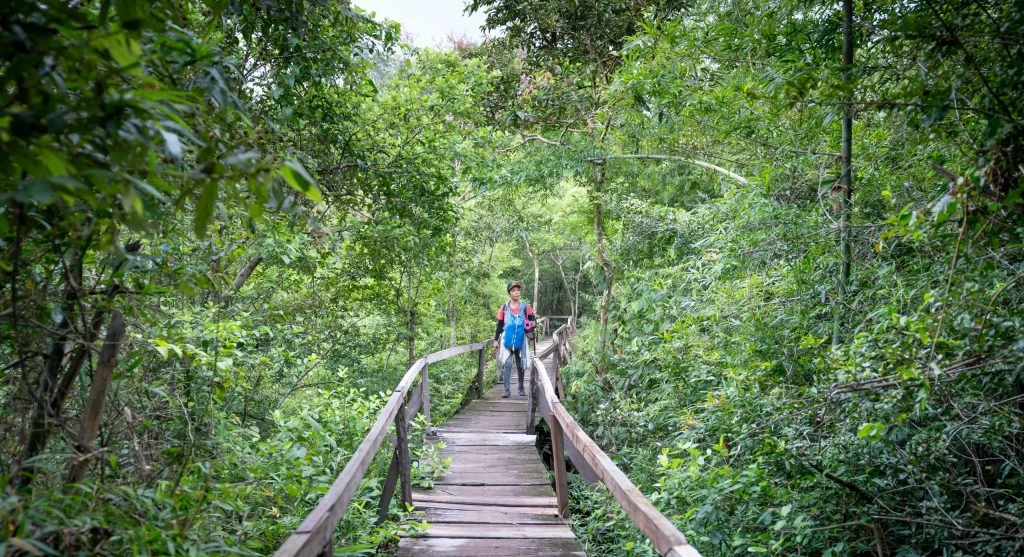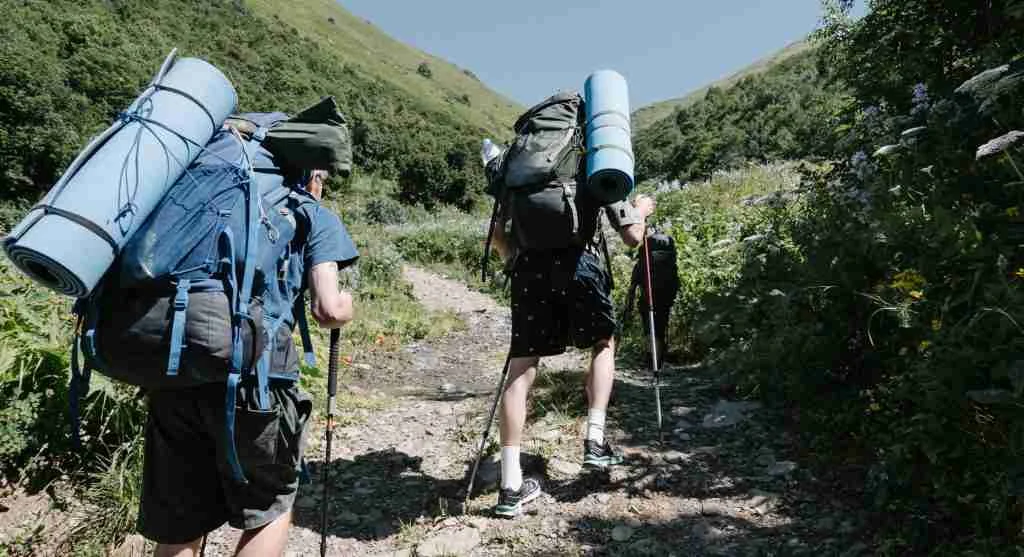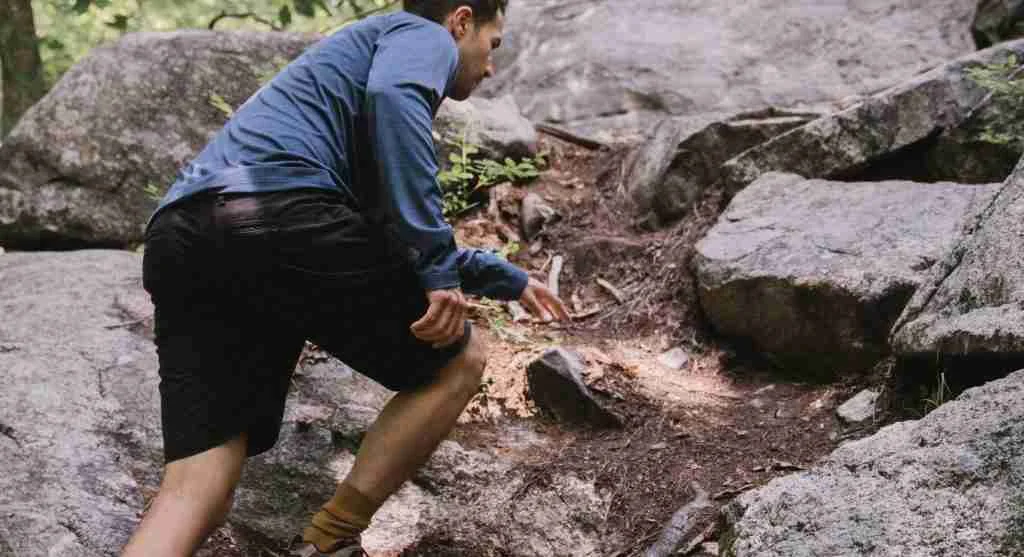

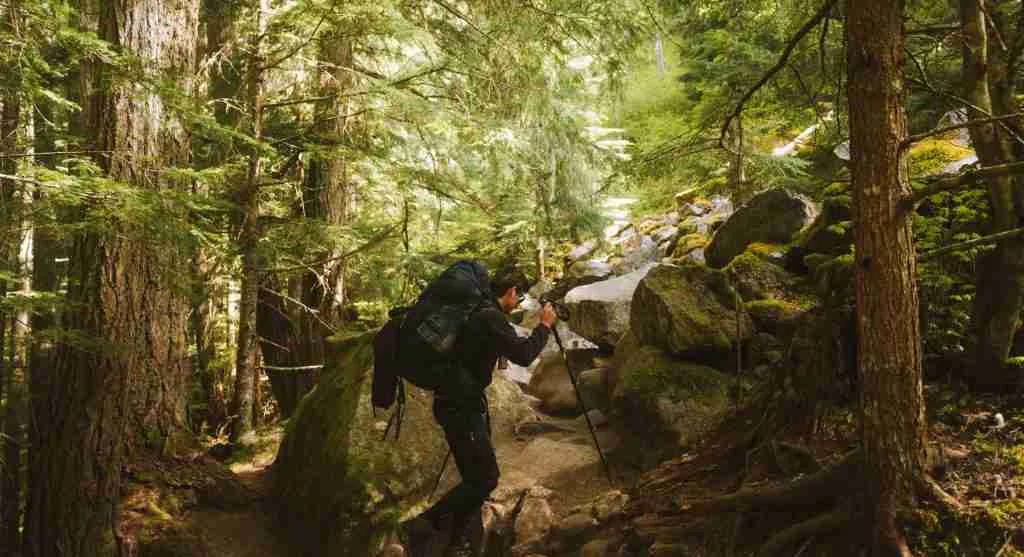
Outdoor educators often explain that hikers usually notice discomfort faster than they notice energy loss. On shaded trails, discomfort often stays lower for longer, which can make the body seem fresher than it really is. This is why shaded trails can hide hiking fatigue longer than many hikers expect, especially when the route still includes distance, mild climbing, rough footing, or repeated small effort that the body is quietly absorbing.
Why shaded trails feel easier even when the body is still working
One reason shaded trails feel easier is that they remove some of the most obvious signs of strain. Cooler air, less direct sun, and softer light all help the hike feel more comfortable. That comfort often makes hikers believe the body is spending less energy than it actually is. The route may still be asking for steady movement, but the environment is keeping the effort from feeling harsh.
Outdoor instructors often explain that comfort and low effort are not always the same thing. A trail can feel pleasant while still taking a meaningful amount of energy from the legs, feet, and breathing over time.
How hidden trail fatigue builds quietly
Hidden trail fatigue usually appears when energy drains faster than discomfort rises. On a shaded hike, the body may stay cool enough that the trail never feels especially punishing. Yet distance still accumulates, repeated steps still add up, and small surface adjustments still cost effort. The hiker often notices the truth later, when pace drops or the return starts feeling heavier than expected.
Fitness specialists often note that hikers tend to trust how the route feels in the moment. On shaded trails, that can delay useful adjustments because the body seems fine until a larger amount of energy has already been spent.
Why softer light affects trail perception
Light changes the feel of a trail more than many hikers realize. Bright exposed routes often make strain easier to notice because the environment itself feels more demanding. Shaded trails usually feel calmer on the eyes and mind, which makes the whole hike seem gentler. That often improves enjoyment, but it can also reduce awareness of how much work the body is quietly doing underneath that calmer feeling.
Outdoor psychologists often explain that when a route feels visually settled, hikers often read the whole hike as easier. The trail may still be steadily draining energy, but the softer environment delays how clearly that message reaches attention.
How easy-feeling conditions can delay good pacing decisions
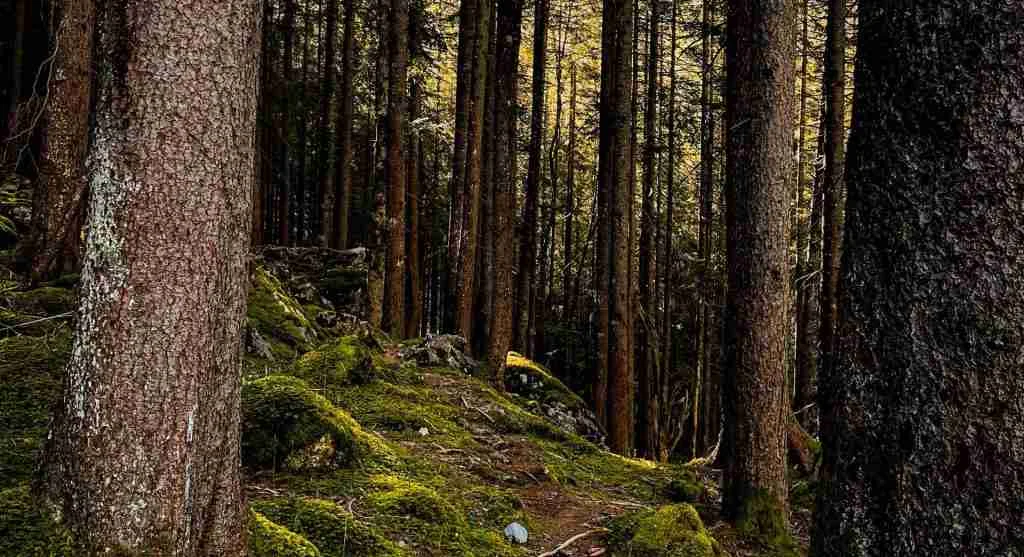
When the trail feels comfortable, hikers are often less likely to slow down early, eat sooner, or pay close attention to steady energy use. The body may not feel a strong need for those choices yet, so they get postponed. Later, when the trail becomes rougher, longer, or less shaded, the body may already have less margin left than the hiker expected.
Outdoor coaches often explain that shaded comfort can quietly encourage optimistic pacing. A hiker may move at a speed that feels harmless in the moment but becomes more expensive once the full route unfolds.
Why repeated mild effort often hides best in the woods
Long forest trails are especially good at hiding gradual fatigue. The route may include gentle uphill sections, soft turns, small roots, and rolling ground that never feel severe at any one point. Because the environment stays pleasant, those little costs often go unnoticed for longer than they would on an exposed trail. The hike still adds up. It just does so quietly.
Movement educators often note that the most tiring routes are not always the ones that feel hard right away. Sometimes they are the ones that feel mild enough for too long while the body keeps paying in small steady amounts.
How shaded trails affect thirst and food timing
Shaded conditions often delay thirst and hunger signals in ways that can make later fatigue feel surprising. A hiker who is not feeling hot may not think about water as often. A route that still feels calm may not seem to need an early snack. Then, later in the hike, pace softens and energy feels flatter than expected, even though the trail never felt especially demanding in the beginning.
Outdoor health educators often explain that lower discomfort often reduces urgency. On shaded trails, that means support habits sometimes arrive later than they should, not because hikers are careless, but because the route feels comfortable enough to keep postponing them.
Why the first exposed section often reveals the truth
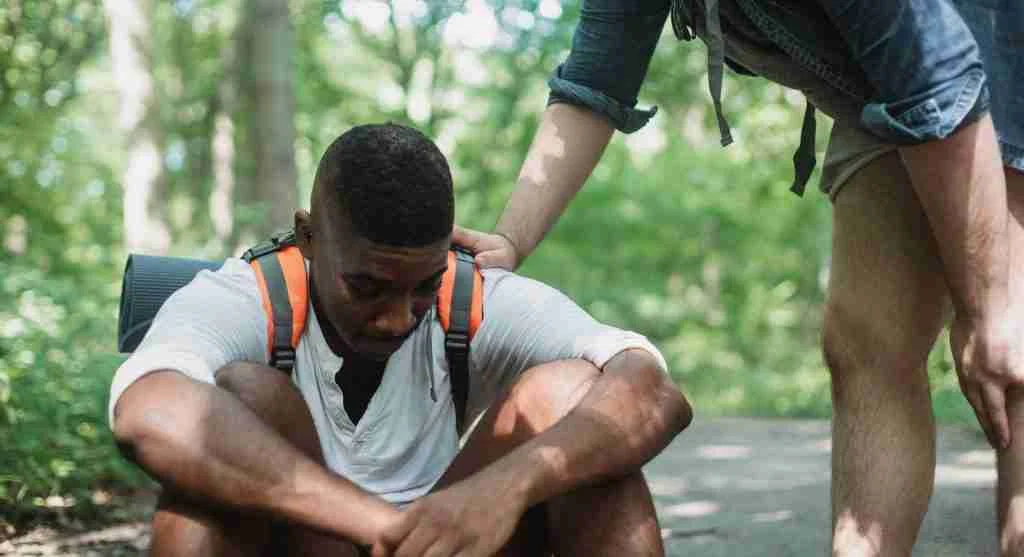
Many hikers first realize how tired they are when the trail leaves shade. A brighter, warmer, or more open section often makes the body’s true energy level much easier to feel. What seemed like a manageable day inside the trees suddenly feels heavier once the environment stops hiding the strain. The trail may not be dramatically harder. It simply stops covering the signs so well.
Outdoor instructors often explain that this is why hikers sometimes think the open section ruined the hike. In many cases, the open section only revealed the fatigue that had already been building in the shaded one.
How repetitive shaded scenery can add to the effect
On some hikes, long shaded sections also include repetitive scenery. That can make time and effort harder to judge. The route feels calm, but progress cues become less obvious, so hikers may not realize how much distance has already passed. When the body finally begins feeling the cost, the fatigue often seems to arrive suddenly, even though it had been building through steady miles all along.
Outdoor guides often explain that repeated wooded scenery can make a trail feel peaceful while also making it harder to estimate how much energy the day has already used.
How hikers can respond better on long shaded routes
The best response is usually simple. Hikers often do better when they treat shade as comfort, not as proof that the hike is costing very little. That means using steady pacing, drinking before strong thirst, eating before strong hunger, and checking energy honestly even when the route still feels pleasant.
Outdoor coaches often recommend asking a few quiet questions during longer shaded hikes. Does the pace still feel truly easy. Are the legs as light as before. Would this route feel different if the same effort were happening in open sun. Those questions often reveal the trail’s real cost sooner.
Why understanding this makes shaded hikes easier to manage
Shaded trails are often some of the most enjoyable routes to walk. The point is not to distrust them. The point is to understand that they can feel easier than they are. Once hikers recognize that comfort can hide fatigue, these trails become easier to pace well and much less likely to create late surprises.
Outdoor educators often explain that good hiking awareness is not only about noticing obvious discomfort. It is also about recognizing when the body is working steadily under conditions that make the effort feel smaller than it really is. Shaded trails often do exactly that.
Frequently Asked Questions
Q: Why can shaded trails hide fatigue?
A: Because cooler comfort and softer light reduce obvious discomfort, which makes the body’s energy loss harder to notice early.
Q: Does that mean shaded trails are harder than exposed trails?
A: Not always. They often feel better to walk, but that comfort can delay awareness of how much steady effort the route is still taking.
Q: Why do hikers often feel more tired when the trail leaves the trees?
A: Open sections often reveal fatigue more clearly because shade is no longer softening the body’s sense of strain.
Q: What helps most on long shaded hikes?
A: Many hikers do better with honest pacing, earlier water and food support, and regular energy checks even when the route still feels comfortable.
Key Takeaway
Shaded trails can hide hiking fatigue longer than hikers expect because comfort often delays the body’s clearer warning signs. The route may feel calm and easy while steady effort is still adding up through distance, footing, and pace. When hikers understand that, they usually manage energy much better before the trail starts feeling harder all at once.