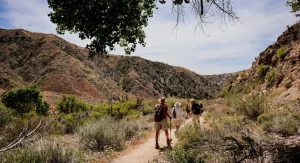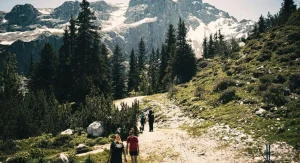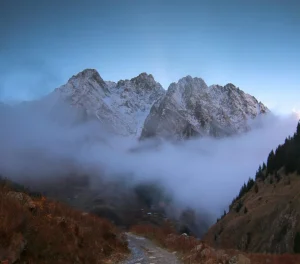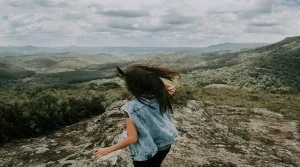

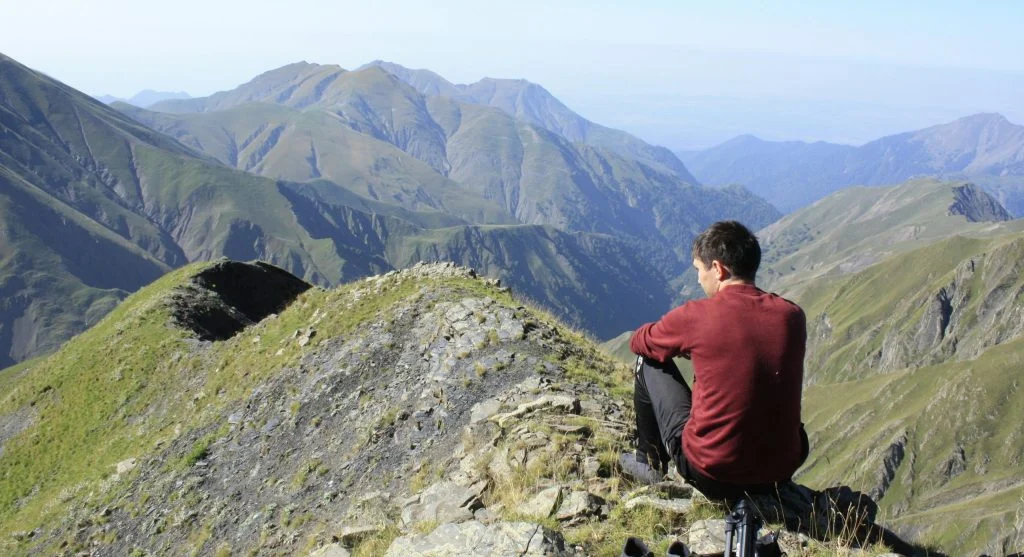
Cool wind after a climb often feels sharper than hikers expect. A person may work uphill, feel warm during the ascent, and assume the body will stay comfortable once the harder section is over. Then the trail reaches a ridge, overlook, or open gap, and the temperature suddenly feels very different. Air that seemed pleasant lower down may now feel cold against damp clothing and tired muscles.
Outdoor educators often explain that hiking temperature changes can happen quickly when effort drops but exposure increases. Weather specialists also note that wind affects comfort most when hikers stop moving after building body heat on a climb. This is one reason cool wind after a climb can surprise people, even on days that did not seem especially cold at the start.
Why cool wind after a climb often feels colder than the forecast suggests
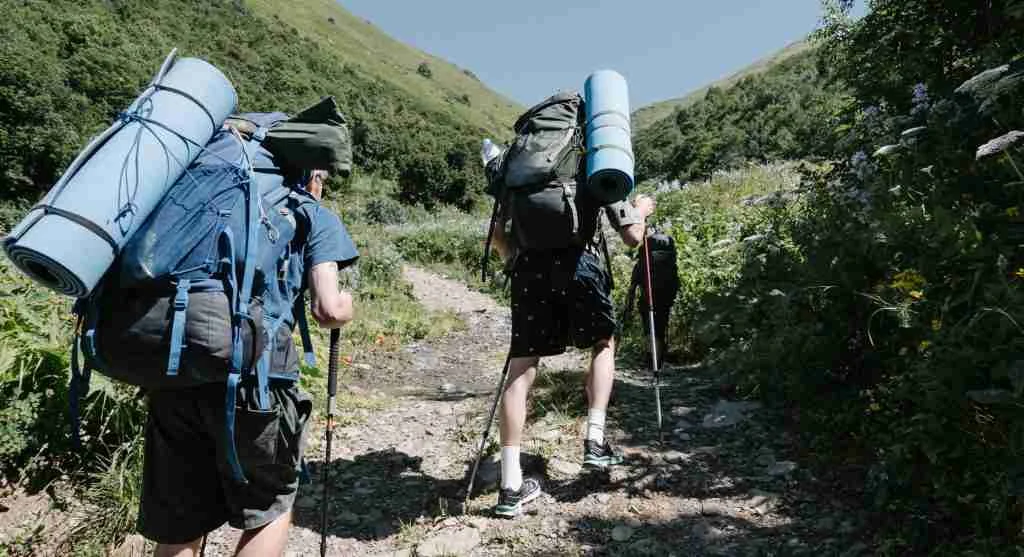
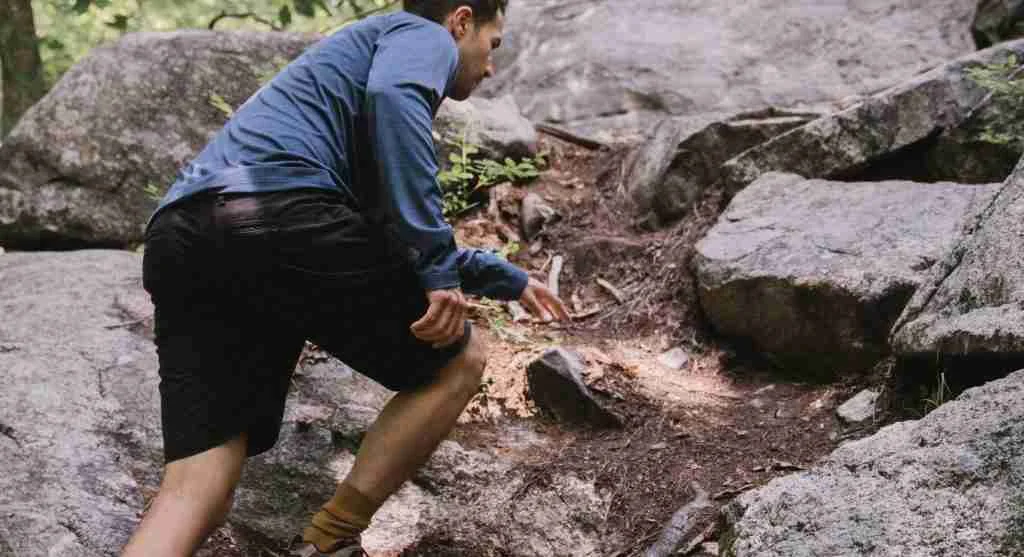
One reason cool wind after a climb feels stronger than expected is that hikers often judge the weather by the trailhead or by the uphill section itself. During a climb, the body is producing heat and the legs are working steadily. That effort can hide how cool the surrounding air really is. Once the trail levels out and effort drops, the real feel of the air becomes much more noticeable.
Outdoor instructors often explain that this is why exposed tops and ridgelines can feel so different from the route below. The air temperature may not have changed much, but the hiker’s body is meeting it in a different state.
How sweat changes post-climb comfort
Sweat is one of the biggest reasons cool wind after a climb can become uncomfortable so quickly. During the ascent, moisture on clothing or skin may not feel like a problem because the body is still warm from movement. Once the hiker reaches open ground and slows down, that same moisture often starts cooling the body much faster.
Outdoor health educators often note that hikers sometimes mistake this for a sudden weather shift. In many cases, the bigger change is the combination of damp layers and reduced effort. The wind simply reveals what uphill exertion had been hiding.
Why exposed trail conditions matter most right after the effort ends
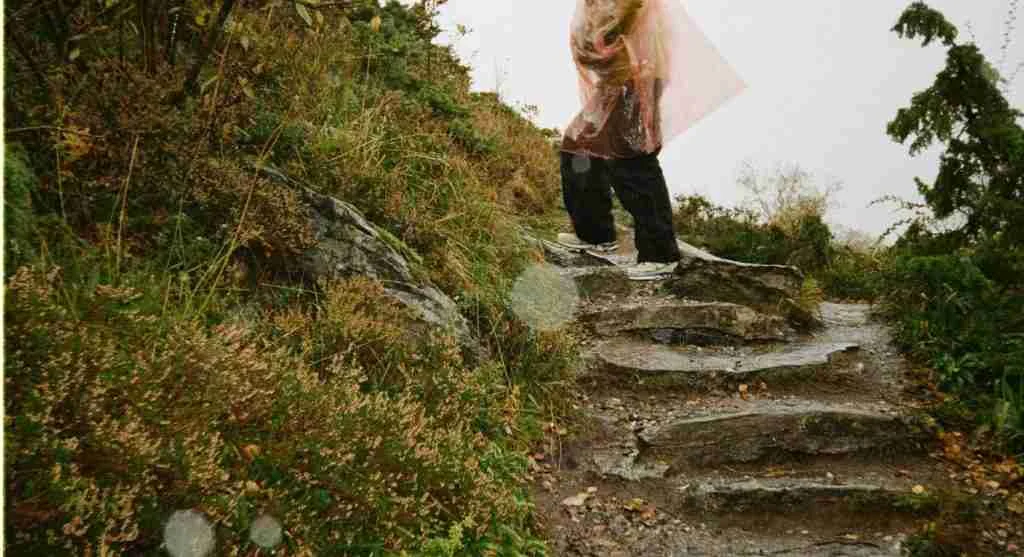
Exposed trail conditions often feel strongest in the first few minutes after a climb because the body is between two states. It is no longer producing as much heat, but it has not fully adjusted to the new environment either. Cool wind after a climb often matters most during this transition, when hikers pause for a view, a photo, or a short breath and suddenly feel the air much more sharply.
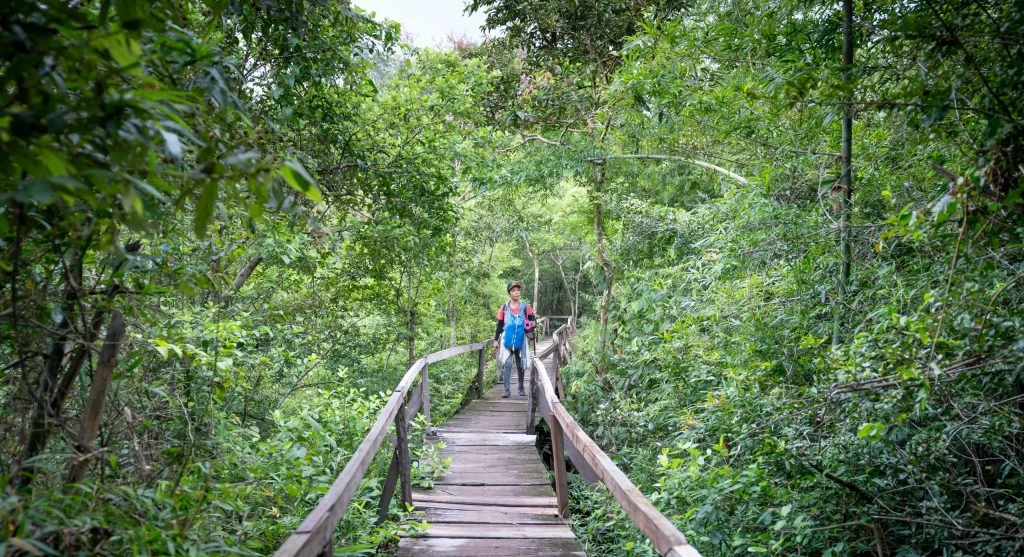
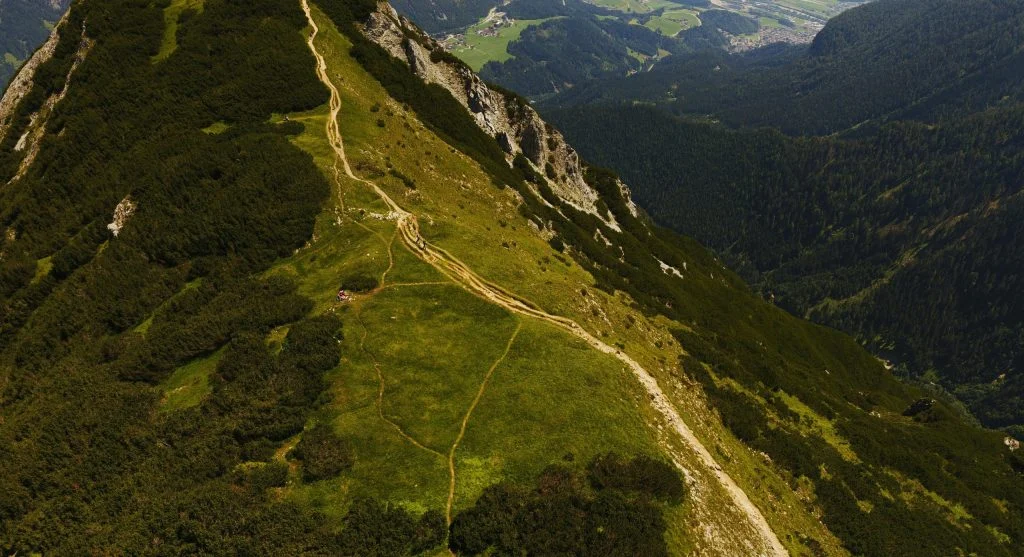
Weather educators often explain that ridges, saddles, viewpoints, and open rock sections tend to make this effect stronger. These areas usually receive more direct wind and less shelter than the forested climb below.
How reduced movement changes the way temperature feels
While climbing, even cool air can feel welcome because it balances the body’s rising heat. Once movement slows, that same air may begin to feel harsh. This is one of the most important hiking temperature changes to notice. The body is no longer matching the conditions with the same level of effort, so the air starts affecting comfort in a new way.
Fitness specialists often note that hikers sometimes stand still too long after a climb because the route feels complete for the moment. That pause can be useful, but it can also allow cooling to happen faster than expected, especially in windy open areas.
Why light layers can suddenly feel inadequate at the top
A layer that feels too warm during the climb may suddenly feel exactly right, or even too light, once the trail opens into wind. This often confuses hikers, especially on spring and fall routes where temperatures feel moderate overall. Cool wind after a climb can quickly show whether the clothing setup was chosen only for the uphill effort rather than for the exposed pause or ridge section that follows.
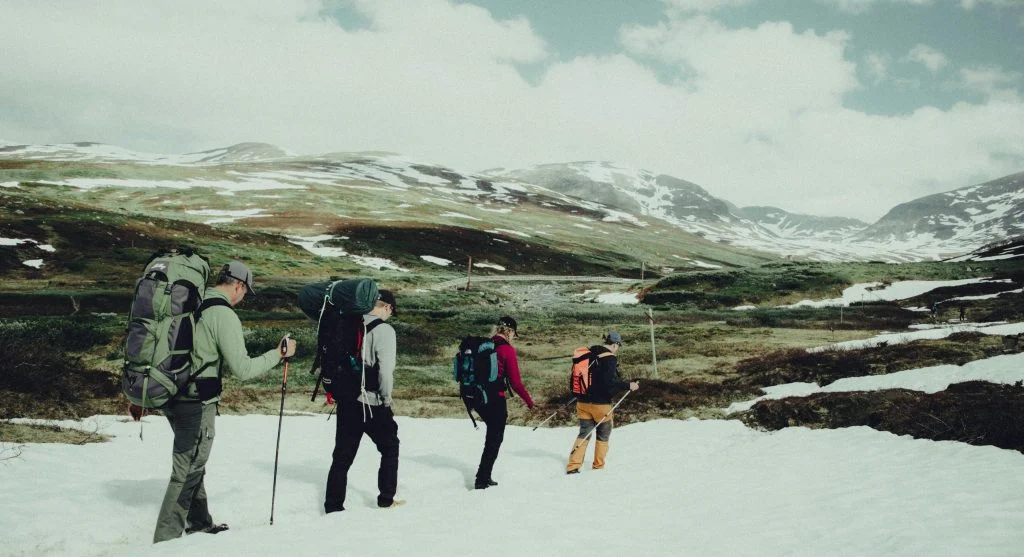
Outdoor clothing educators often explain that trails with mixed shelter and exposure usually require flexible layering instead of one perfect outfit for the whole route. The body may need cooling on the way up and protection almost immediately afterward.
How fatigue can make cool air feel sharper
Tiredness often changes how the body experiences wind and temperature. After a climb, the hiker may feel strong enough to keep going, yet still be carrying enough effort that comfort adjusts more slowly than expected. Cool wind after a climb can therefore feel more uncomfortable when the ascent was longer, steeper, or warmer than it first seemed.
Outdoor coaches often explain that this is one reason some viewpoints feel colder than they logically should. The hiker is not only standing in cooler air. The hiker is also arriving there with reduced energy and less heat being produced than a few minutes earlier.
Why open viewpoints often exaggerate the change
Open viewpoints usually combine several factors at once. Wind reaches the body more directly, movement stops, and the hiker often stands still longer to enjoy the scene. These moments are rewarding, but they also allow the cooling effect to build quickly. Cool wind after a climb often feels strongest when hikers remain still on open ground after working hard to get there.
Outdoor recreation specialists often note that the scenic reward of a climb can unintentionally make the comfort shift stronger. The very place hikers want to enjoy most is often the place where shelter is least available.
How hikers can handle the transition more comfortably
The most helpful response is often simple. Notice the wind early, use a light outer layer before getting fully chilled, and avoid waiting until the discomfort becomes strong. Many hikers also feel better when they keep moving lightly for a short time instead of stopping completely the moment the climb ends.
Outdoor instructors often recommend thinking ahead near the top of the climb. If the trail is about to open into wind, it often helps to prepare for that shift before reaching the exposed section. Small early actions usually protect comfort much better than reacting only after the cold feeling arrives.
Why this weather shift often teaches better trail awareness
Hikers often remember this experience because it shows how quickly trail conditions can change without any dramatic forecast change at all. Cool wind after a climb is a useful reminder that effort, moisture, shelter, and exposure all shape how the body feels outdoors. The trail does not need extreme weather to create a strong comfort shift.
Weather educators often explain that hikers usually get better at planning once they understand these transitions. A route becomes easier to manage when clothing, pace, and stop timing are built around the full pattern of the trail instead of only the hardest uphill section.
Frequently Asked Questions
Q: Why does cool wind feel so strong after a climb?
A: During the climb, body heat often hides how cool the air really is. Once movement slows and sweat begins cooling, the wind feels much sharper.
Q: Is this mainly a problem on cold days?
A: No. It can happen on moderate days too, especially where trails move from sheltered forest into open windy sections after steady uphill effort.
Q: Why do viewpoints feel colder than the trail below?
A: Viewpoints often have more wind exposure, less shelter, and more time spent standing still. Those conditions make post-climb cooling happen faster.
Q: What helps most when this happens?
A: Many hikers do better by noticing exposure before the climb ends, using an easy extra layer, and avoiding long still pauses before body heat has dropped too far.