• Trail Awareness
  • Why Hikers Often Miss That a Trail Is Tilting Sideways Until One Leg Starts Working Harder

    A trail is tilting sideways and changing how a hiker stands and balances

    Some trail problems are easy to notice right away. A steep climb, muddy patch, or rocky descent usually gets attention quickly. Sideways-tilting trails are different. A trail can lean just enough to change how the body works without looking dramatic at first. Many hikers feel the result before they recognize the cause. One leg starts getting more tired, one hip feels tighter, or balance seems slightly less relaxed than it did a few minutes earlier.

    Outdoor educators often explain that hiking balance awareness is not only about what is directly in front of the feet. It is also about how the whole trail is shaping the body underneath those feet. Movement specialists also note that side slope hiking often creates quiet extra effort because the body is no longer working evenly from left to right. That is why hikers often miss that a trail is tilting sideways until one side of the body has already started doing more work.

    Why Hikers Often Miss That a Trail Is Tilting Sideways

    One reason hikers miss this is that a side tilt often develops gradually. The trail may begin almost level, then slowly angle more toward one side. Because the change is not sudden, the body starts adjusting without drawing much conscious attention to it. The hiker keeps walking and only later notices that movement no longer feels as smooth as it did before.

    Outdoor instructors often explain that the eye also tends to focus forward more than sideways. Hikers usually watch the next few steps ahead, not the exact angle of the whole trail surface under both feet. That makes it easy for a side-leaning path to affect posture before the mind clearly identifies what changed.

    How Side Slope Hiking Changes the Body’s Effort

    Side slope hiking often forces one leg to work from a slightly higher position and the other from a slightly lower one. This means the body is no longer pushing evenly from both sides. One ankle may need more control, one hip may need more stability, and one knee may begin handling repeated strain in a way that would not happen on level ground.

    Movement educators often note that this kind of uneven trail effort does not always feel intense at first. It usually feels subtle. The problem is that subtle imbalance, repeated over many steps, can still create real fatigue, especially on longer sections where the slope never fully levels out.

    Why One Leg Often Feels the Problem First

    On a sideways-tilting trail, the body often loads one side differently with every step. The downhill leg may feel stretched and less stable, while the uphill leg may feel as if it is working harder to keep the body lifted and centered. Because these roles repeat again and again, one leg often starts feeling more tired before the hiker fully realizes the trail itself is causing the difference.

    Outdoor coaches often explain that hikers sometimes blame themselves first. They may assume one side of the body is simply weaker or more tired that day. In many cases, the trail angle is the real reason the effort suddenly feels less even.
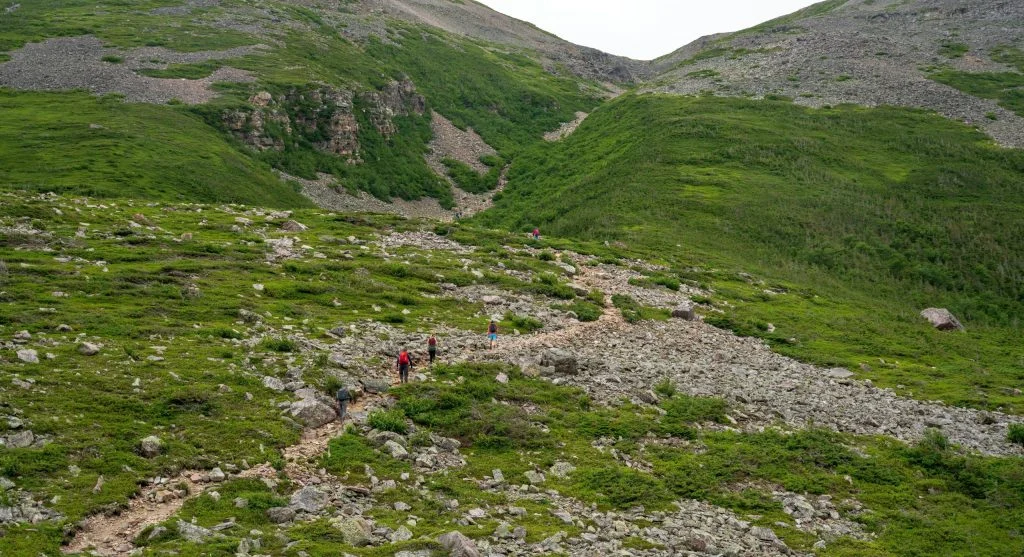
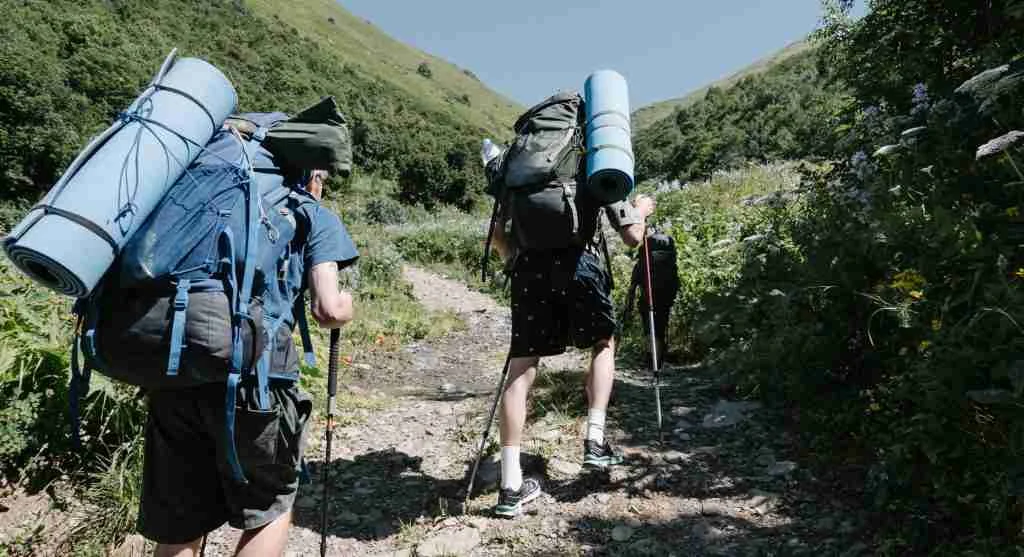
    Side slope hiking often makes one side of the body work harder than the other
    Credit: Hyukman Kwon / Pexels

    How Sideways Tilt Affects Hiking Balance Awareness

    Balance often feels different on a side slope because the body cannot settle into the same centered posture it uses on flatter trail. Hikers may lean slightly uphill, shorten one side of the stride, or place their feet more carefully than usual. These adjustments are often helpful, but they also show that the trail is quietly demanding more control.

    Trail safety specialists often explain that side slopes are tricky because they do not always look dramatic enough to command respect. A hiker may feel only mildly off-balance, yet that slight imbalance can continue long enough to drain more energy than expected.

    Why the Trail Can Feel Rougher Even When the Surface Looks Simple

    A sideways-tilting trail does not need loose rock or major obstacles to feel awkward. Even firm dirt can become tiring when the body is working against the angle of the tread. This is one reason hikers often describe these sections as strangely uncomfortable. The ground itself may look simple, but the sideways lean turns ordinary walking into a more complicated movement pattern.

    Outdoor educators often note that hikers tend to notice direct hazards more easily than position-based strain. A side slope often creates the second kind. The trail may not look difficult, but it still changes how efficiently the body can move through it.

    How Longer Side-Tilting Sections Quietly Build Fatigue

    A few steps on a slanted trail may not matter much. A long section often does. Repeated side-loading can make the hips, knees, ankles, and even the lower back feel less comfortable than expected. The body is doing extra correction with nearly every step, so the fatigue often builds gradually instead of arriving all at once.

    Fitness specialists often explain that this kind of fatigue is easy to misread because breathing may still feel fine. The hiker may not feel out of shape or clearly overworked. Instead, the route simply begins feeling less easy to walk than its distance or steepness would seem to explain.

    Why Descents Across Side Slopes Often Feel Especially Awkward

    When a trail tilts sideways and also trends downhill, the effect often becomes much more noticeable. The body is already managing forward momentum, and now it must also manage sideways imbalance. This can make one leg feel as if it is constantly catching the body while the other struggles to stay steady on the higher side of the tread.

    Outdoor safety educators often explain that these sections deserve slower, more deliberate movement not because they are extreme, but because they combine two different control demands at once. That combination often explains why one leg suddenly seems to be working harder than it should.

    How Hikers Can Notice the Problem Earlier

    Several clues often appear before stronger discomfort begins. One foot may keep landing on a slightly lower edge, the shoulders may start leaning uphill, or steps may feel less even from side to side. A hiker may also notice one calf or hip drawing more attention than the other. These are often useful signs that the trail is tilting sideways enough to affect movement.

    Outdoor instructors often recommend asking a simple question when one side starts feeling busier than the other: is the trail making my body uneven right now? That question often helps hikers recognize a side slope sooner instead of waiting until one leg feels clearly overworked.

    Why Small Adjustments Often Help Quickly

    Once the sideways tilt is noticed, small changes often improve comfort. A slightly calmer pace, more deliberate foot placement, and occasional posture resets can help the body stop drifting into the least efficient pattern. On some trails, even choosing the firmer or flatter part of the tread makes a noticeable difference.

    Movement specialists often explain that the goal is not to fight the trail. It is to stop ignoring what the trail is already asking from the body. When hikers adapt earlier, the section often feels much more manageable and less tiring than it would after many more uneven steps.

    Why This Awareness Makes Many Trails Feel Easier

    Many hikers think balance problems come mainly from rough surfaces. Sometimes they come from angle. Once hikers begin noticing when a trail is tilting sideways, they often understand the route much better. What once felt like random one-sided fatigue begins to make sense as a response to the shape of the tread itself.

    Outdoor educators often explain that this kind of awareness is one of the quiet skills that improves hiking comfort over time. The trail may still lean, but the hiker no longer loses as much energy wondering why one side of the body suddenly feels like it is doing more than its share.

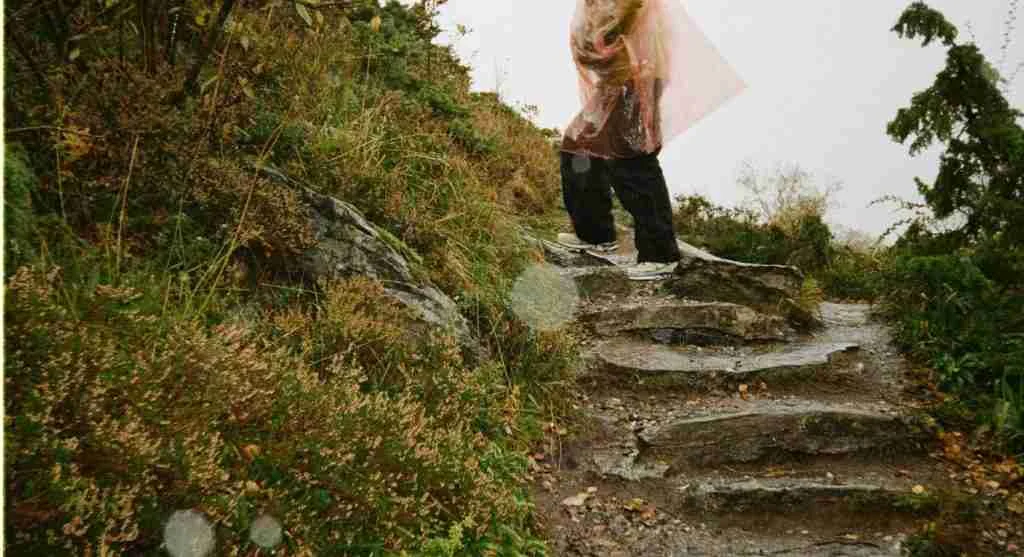
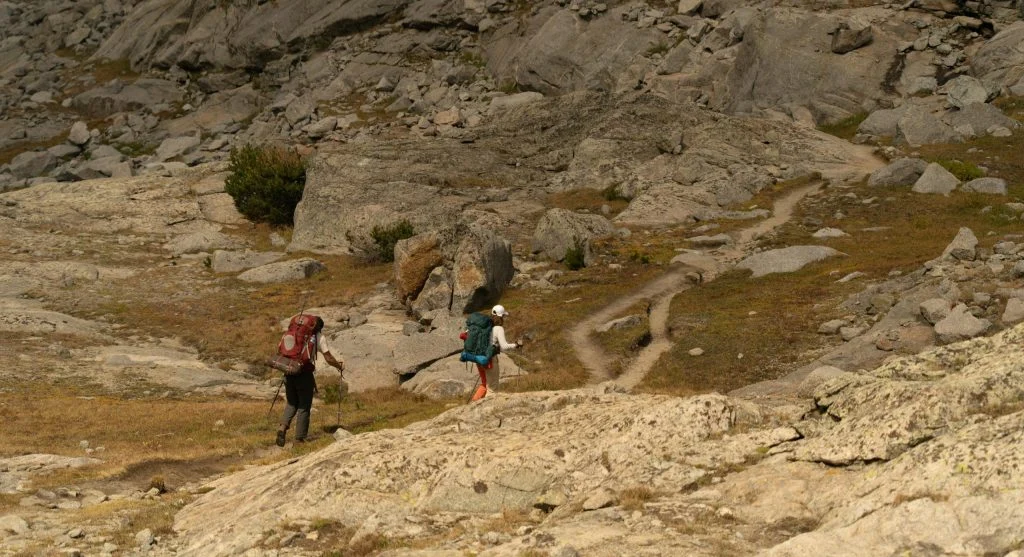
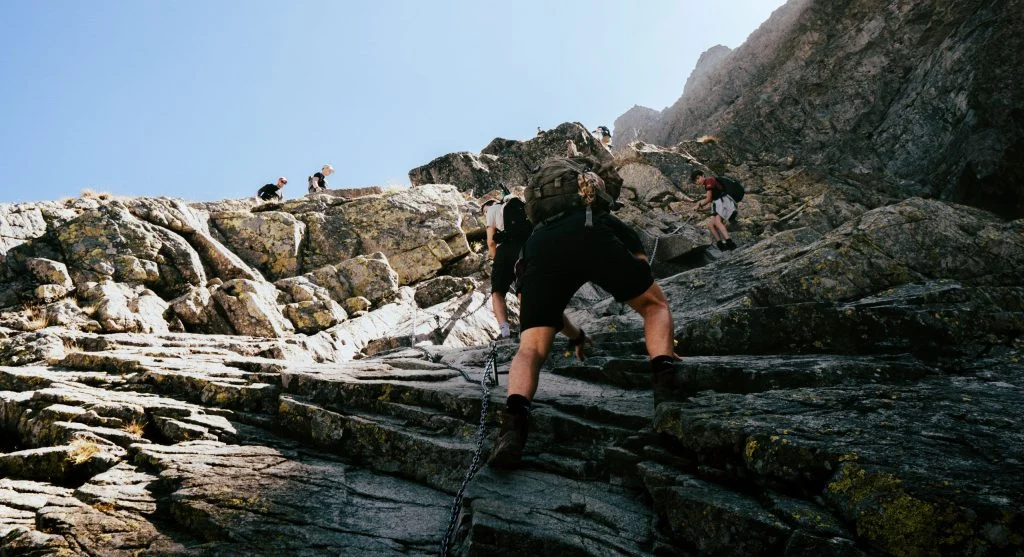
    A trail is tilting sideways and requires more balanced controlled steps from hikers
    Credit: Artūras Kokorevas / Pexels

    Frequently Asked Questions

    Q: Why does one leg feel more tired on a sideways trail?
    A: A tilted trail often loads each side of the body differently. One leg may work harder to lift and stabilize while the other handles more stretching or catching work.

    Q: Can a side slope feel difficult even if the trail looks easy?
    A: Yes. The surface may look simple, but the angle of the tread can still create uneven effort and balance work over many repeated steps.

    Q: What is the first sign that a trail is tilting sideways enough to matter?
    A: Common signs include less even steps, a slight uphill lean in posture, or one hip, calf, or leg beginning to draw more attention than the other.

    Q: What helps most on side-tilting trails?
    A: Many hikers do better with a slightly slower pace, more deliberate foot placement, and quick posture checks to avoid drifting into a one-sided movement pattern.


    Key Takeaway

    Hikers often overlook a sideways-tilting trail because the body begins adjusting before the eyes fully notice the angle of the path. That subtle side slope can make one leg work harder, reduce balance, and create uneven effort over time. Once hikers learn to spot the pattern earlier, these sections usually become much easier to understand and manage.

    Avatar photo

    Sarah Mitchell

    Beth Atencio is a nature enthusiast and seasoned hiker who turned a personal journey of healing into a life on the trail. Her experience spanning everything from lakeside day hikes to rugged backcountry routes allows her to deliver practical trail guides, honest gear reviews, and real world hiking tips for all skill levels. Beth's goal at AllAboutHike is to help every reader feel confident and prepared before they hit the trail.

    Leave a Reply

    Your email address will not be published. Required fields are marked *

    8 mins