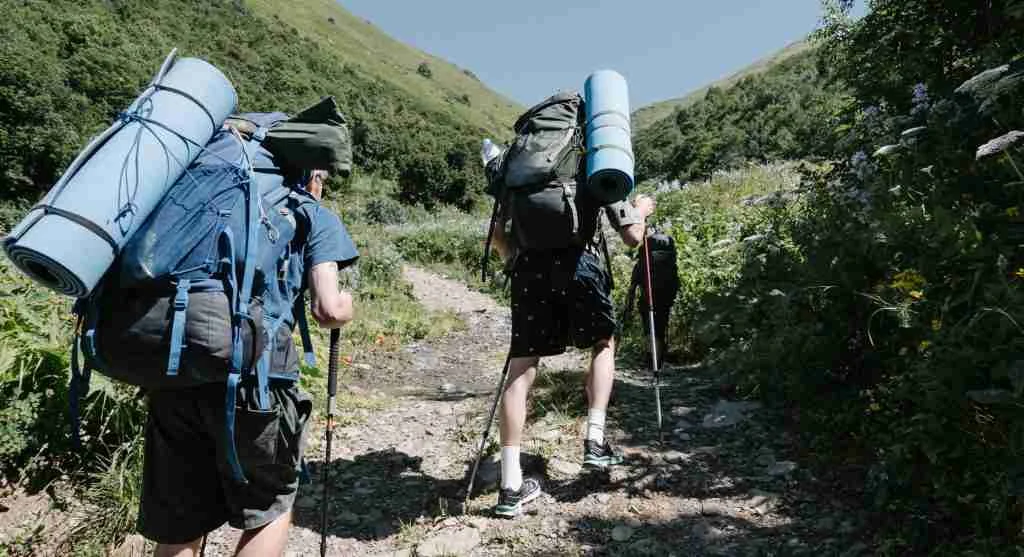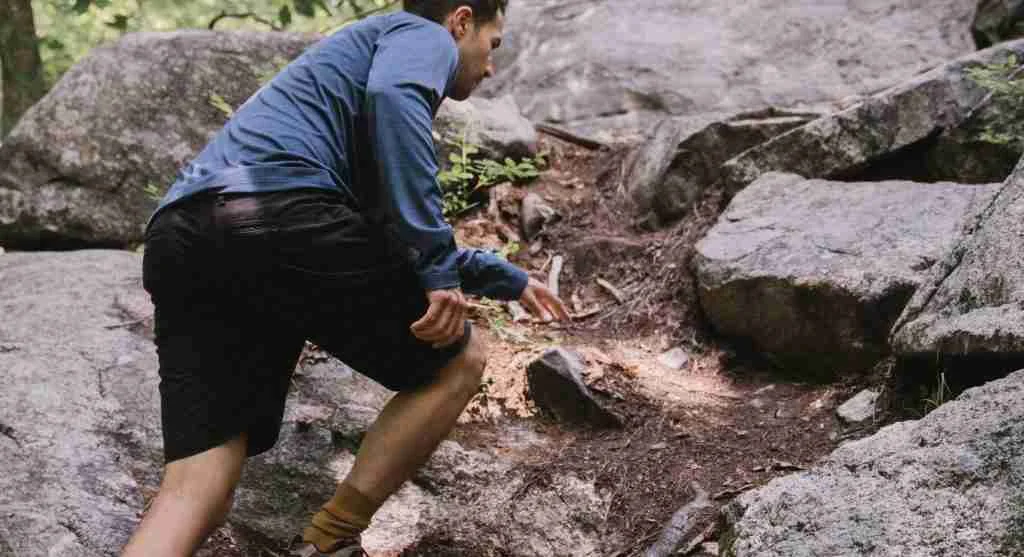

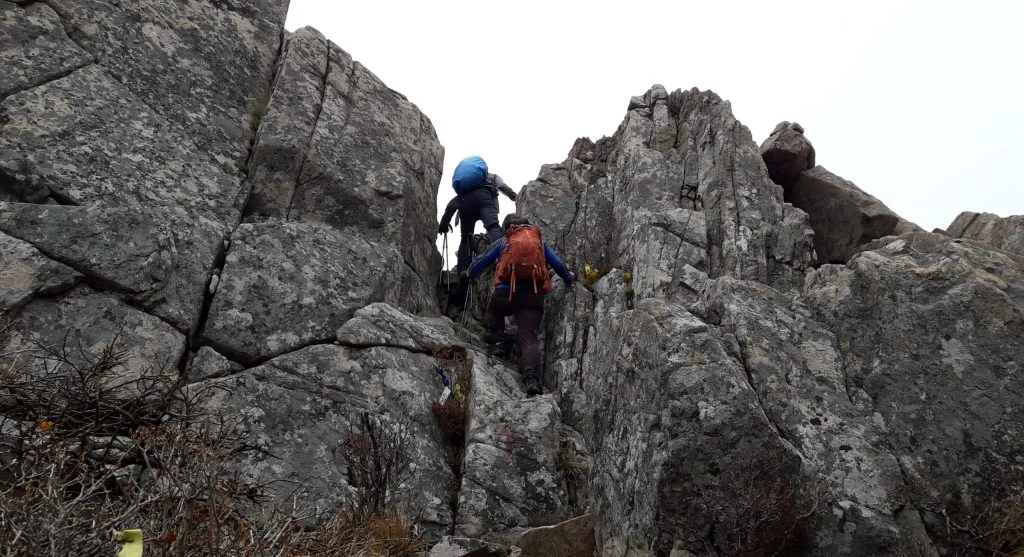
Many hikers lose smooth movement not because the trail suddenly becomes dangerous, but because one step lands farther ahead than the surface can comfortably support. The ground may look simple enough for a normal stride, yet the landing spot turns out to be looser, more angled, or more broken than expected. That one long step often creates a small awkward correction, and repeated corrections can make the whole route feel harder than it should.
Outdoor educators often explain that hiking foot placement matters most when the trail looks almost easy. Movement specialists also note that hikers often step too far forward on uneven trails when visual confidence rises faster than real footing support. This is why a route can feel fine one moment and suddenly less smooth the next, even without any major obstacle appearing.
Why Hikers Often Step Too Far Forward on Uneven Trails
One reason hikers overreach on uneven ground is that the eye often reads the general surface faster than it reads the exact landing quality. A trail may appear open and walkable, which encourages a normal stride. The problem is that a normal stride sometimes belongs to smoother ground than the trail is actually offering.
Outdoor instructors often explain that hikers do not usually make this mistake because they are careless. They make it because the trail looks close enough to ordinary walking that the body tries to keep an ordinary rhythm. The landing then reveals that the surface needed a little more respect than it first seemed to need.
How Uneven Trail Balance Gets Disrupted by One Long Step
Uneven trail balance often depends on keeping the body centered over each landing. When a step reaches too far forward, the body has less room to react if the surface shifts, tilts, or provides less grip than expected. That often leads to a quick correction through the ankle, knee, hip, or upper body.
Movement educators often note that the issue is not only the step length itself. The issue is that a longer step reduces options. A shorter step usually allows easier adjustment. A longer one asks the landing spot to behave exactly as hoped, which uneven trails do not always do.
Why the Ground Often Looks Easier Than It Really Is
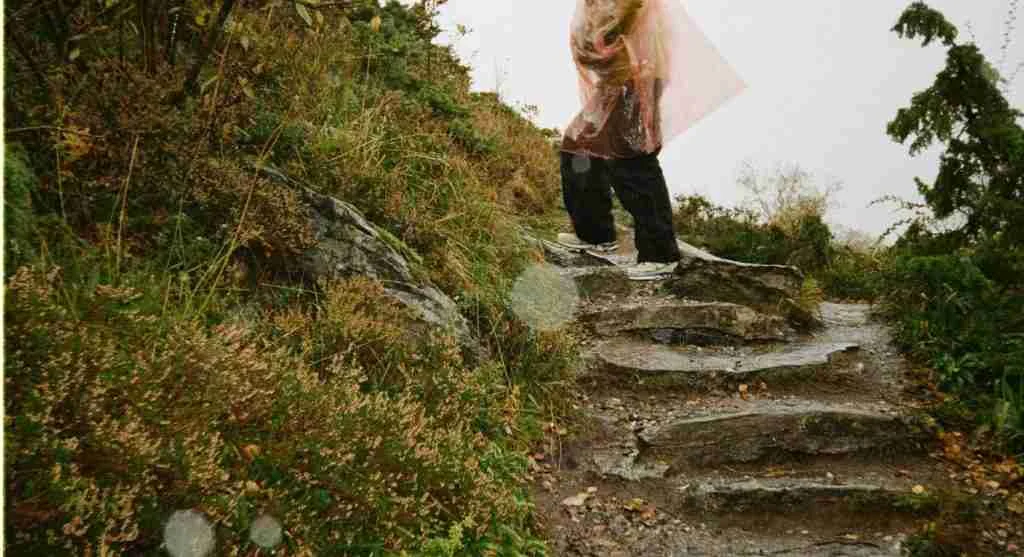
Uneven ground can be visually misleading in several ways. Flat color, dry dust, light leaf cover, and small stones often hide subtle changes in angle or firmness. A spot that looks harmless may actually be sloped, loose, or broken just enough to interrupt a clean landing. This is one reason hikers often step too far forward on uneven trails before realizing the surface was less reliable than it looked.
Trail safety specialists often explain that the most deceptive sections are not always the roughest ones. They are often the sections that look almost simple. Truly rough ground usually earns caution. Almost-smooth ground often invites more confidence than it deserves.
How Long Forward Steps Break Walking Rhythm
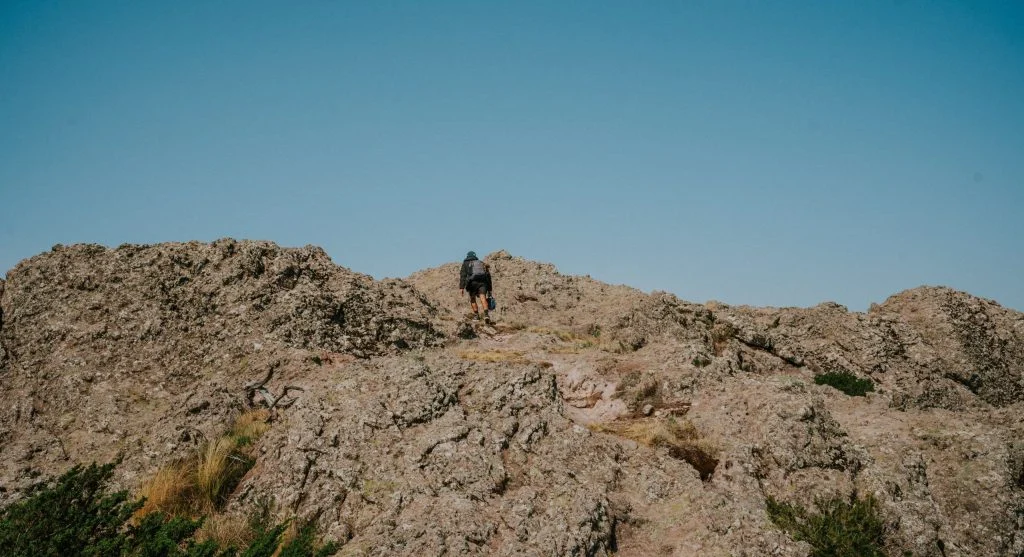
Walking rhythm depends on repeated, predictable landings. When hikers step too far forward on uneven trails, rhythm often breaks because the landing needs a last-second fix. The foot may slide slightly, the body may pause, or the next step may become shorter to recover from the one before it. That repeated stop-start feeling often drains more energy than hikers expect.
Outdoor coaches often explain that many tiring trails are tiring because they break rhythm again and again. One long awkward step is small. Ten or twenty of them across a route can make the hike feel much heavier than the distance suggests.
Why Descents Make This Mistake More Common
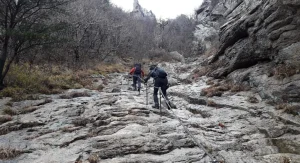
On descents, hikers often reach slightly farther forward to control speed. That can work on smoother ground, but on uneven trails it often becomes risky. A landing that is too far ahead is harder to correct because the body is already managing downhill momentum at the same time. This is one reason longer forward steps often feel most awkward on rocky or dusty descents.
Outdoor safety educators often explain that downhill sections reduce the margin for late correction. When the foot lands farther ahead than the trail can support well, the body may need a bigger recovery than it would need on flatter ground.
How Fatigue Makes Overstepping Happen More Often
Fatigue often changes foot placement before hikers clearly notice it. A tired hiker may stop reading each landing as carefully and start trusting a more automatic stride. On uneven terrain, that often leads to more forward-reaching steps than the surface can comfortably handle. The trail may not be getting worse, but the body may be giving it less careful attention than earlier.
Fitness specialists often note that this is one reason awkward landings often increase later in the day. The body wants simpler movement, and a normal walking stride starts returning even when the trail still requires more deliberate choices.
Why Shorter Steps Often Feel Surprisingly Easier
Many hikers think shorter steps will slow them down too much. On uneven trails, shorter steps often do the opposite over time. They keep the body more centered, reduce the size of corrections, and make each landing easier to read. This often leads to smoother movement overall, which is usually more efficient than a faster-looking stride that keeps getting interrupted.
Movement specialists often explain that trail landing control improves when hikers give themselves more than one option at each step. Shorter steps provide those options. Longer steps often remove them.
How Hikers Can Tell They Are Stepping Too Far Forward
Several clues often appear before the pattern becomes obvious. Landings may feel slightly jarring, the body may keep making small balance corrections, or the next step may repeatedly shorten after one awkward reach. Hikers may also notice that one foot keeps landing less cleanly than expected on ground that looked easy enough from a few feet away.
Outdoor instructors often recommend paying attention to these quiet signs instead of waiting for a more serious slip. If the trail keeps creating the same long-step correction, it often means the current stride is trusting the ground more than the ground deserves.
How to Improve Foot Placement on These Trails
The most helpful adjustment is usually simple. Slow slightly, shorten the next few steps, and look just far enough ahead to notice landing quality instead of only general trail shape. The goal is not to walk timidly. The goal is to let the stride match the actual support of the surface rather than the appearance of easy ground.
Outdoor guides often explain that better foot placement usually feels calmer almost immediately. Once the body stops reaching too far into uncertain landings, the trail often feels smoother and less frustrating within a few minutes.
Why This Small Skill Makes Many Trails Feel Easier
Many hikers assume difficult trails require more strength first. Often, they require better step judgment first. When hikers stop stepping too far forward on uneven trails, they usually reduce awkward landings, improve rhythm, and save more energy than they expected. The route may still be uneven, but it begins feeling more manageable because the body is working with the trail instead of arguing with it.
Outdoor educators often explain that strong trail skills are often small and quiet. Matching step length to actual ground support is one of those skills. Once hikers build it, many routes begin feeling smoother without the trail itself changing at all.
Frequently Asked Questions
Q: Why do hikers step too far forward on uneven trails?
A: The ground often looks smoother than it really is, which makes a normal stride feel appropriate until the landing reveals less support than expected.
Q: Why is a long step a problem on uneven ground?
A: A longer step gives the body less room to adjust if the landing spot is loose, sloped, or awkward. That often leads to balance corrections and broken rhythm.
Q: Does this happen more on descents?
A: Often yes. Descents encourage farther forward steps for braking, but uneven downhill ground gives those longer landings less room for safe correction.
Q: What helps most on trails like this?
A: Many hikers do better by slowing slightly, using shorter steps, and paying attention to landing quality instead of trusting the general appearance of easy ground.
Key Takeaway
Hikers often step too far forward on uneven trails because the surface looks easier than it really is, which encourages a stride the landing cannot support comfortably. Shorter, more centered steps usually improve balance, protect rhythm, and reduce awkward corrections. In many cases, the trail feels easier not because it changed, but because the step length finally matched it.