
Many hikers carry trekking poles and still wait too long to use them. The poles stay collapsed on the pack or in one hand until the trail already feels rough, awkward, or tiring. By then, the route may already be affecting balance, rhythm, and confidence more than it needed to. In many cases, the poles would have helped most a little earlier than the hiker first thought.
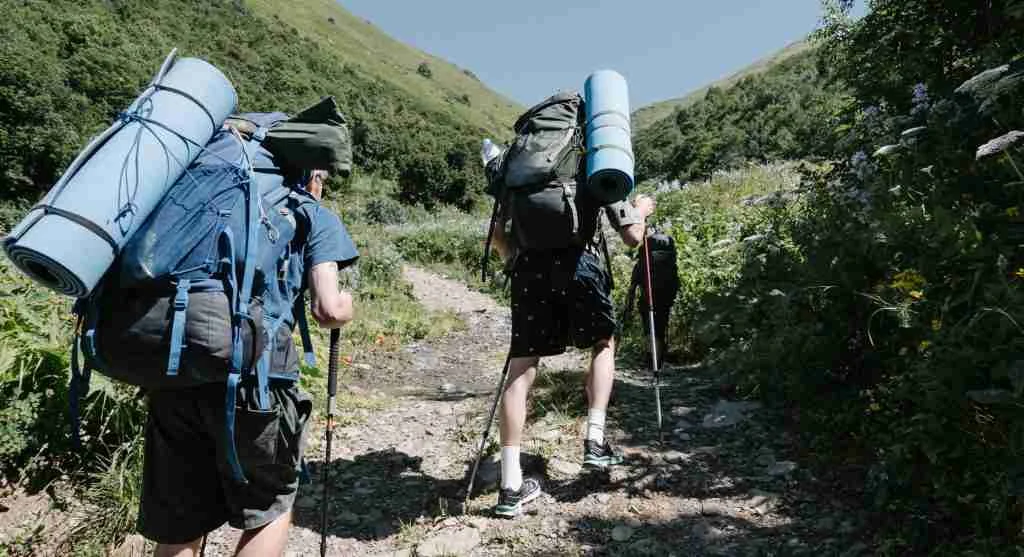
Outdoor educators often explain that trekking poles work best as early support rather than as a late rescue tool. Movement specialists also note that hikers often decide to use them only after the trail has already started changing pace and posture. This is why many people use trekking poles too late on trails that had already begun asking for more stability and control.
Why hikers often use trekking poles too late
One reason hikers wait is that the trail may not look difficult enough yet. A route can feel only slightly rougher at first, which makes pole use seem unnecessary. The hiker may think the section is still manageable without extra support and decide to wait until the terrain becomes obviously harder. That delay often means the best moment for easy adjustment has already passed.
Outdoor instructors often explain that hikers usually compare the current section with an imagined worse section ahead. If the trail does not look bad enough yet, the poles stay unused. The problem is that uneven ground often affects movement before it looks dramatic enough to deserve that kind of gear response.
How uneven trail support works best before balance drops
Uneven trail support is usually most helpful before the body starts compensating heavily on its own. Once steps become more careful, stride shortens, or the upper body begins tightening for balance, the trail is already asking more from the hiker. Poles can still help at that point, but they often would have helped more if they had come out just before the rhythm began changing.
Movement educators often note that this is true for many trail tools. Gear often works best when it supports a good pattern early instead of trying to repair a disrupted pattern later. Trekking poles are a strong example of that kind of timing.
Why hikers often wait for obvious rough ground
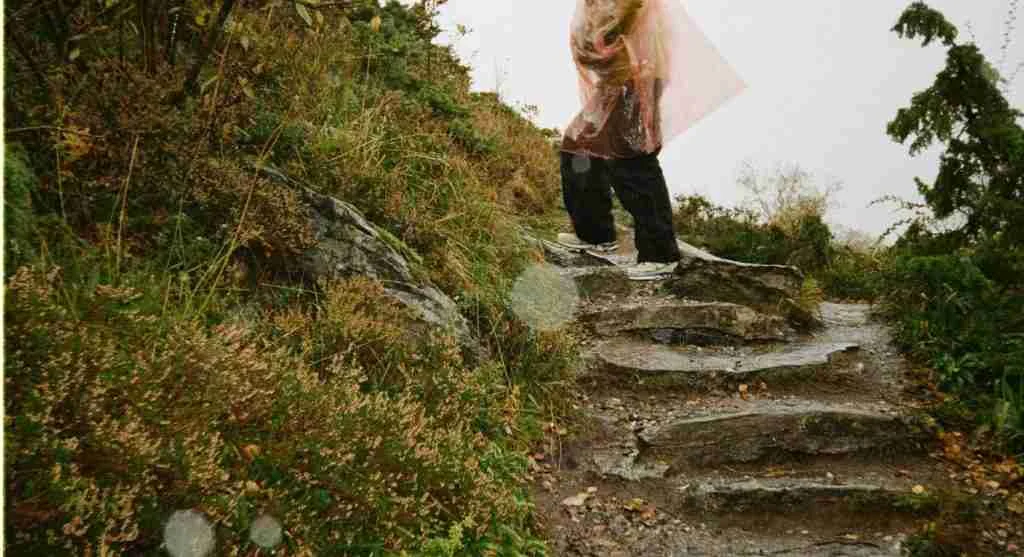
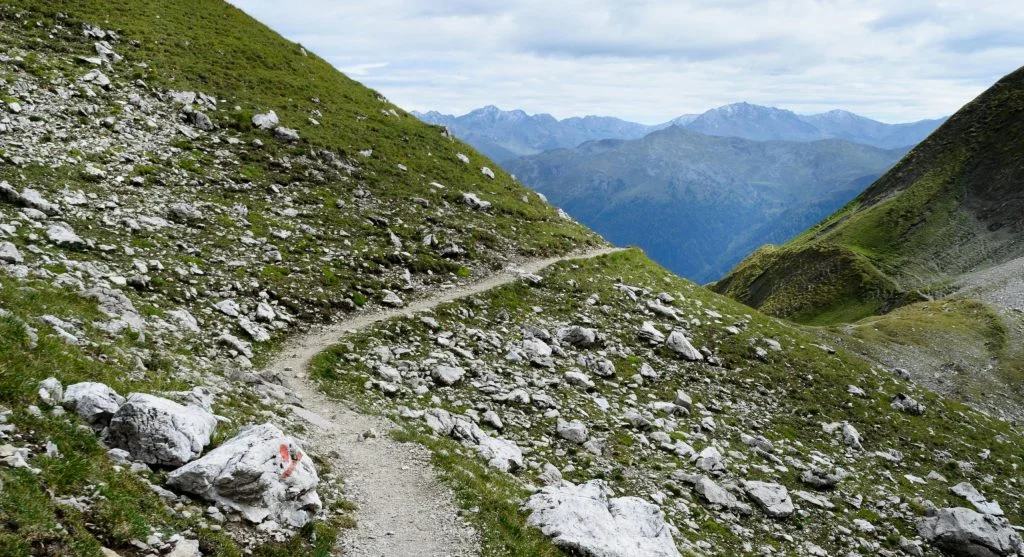
Many hikers expect rough terrain to announce itself clearly through steep climbs, large rocks, stream crossings, or obvious descents. In reality, trails often become more demanding in quiet ways. A few loose stones, a longer side slope, repeated roots, or small uneven steps can all increase effort without creating one dramatic problem. This is one reason hikers often use trekking poles too late.
Outdoor guides often explain that the body usually feels these changes first through reduced smoothness. The trail may not look severe, yet the hiker may already be working harder to stay centered and steady than just a few minutes earlier.
How late pole use changes hiking rhythm
When poles come out late, hikers often need a few minutes to rebuild movement around them. The body has already settled into one adaptation pattern without support, and now it has to create a new pattern with support added in. That adjustment can still improve the hike, but it often feels less smooth than if the poles had been introduced before the awkward rhythm began.
Outdoor coaches often explain that good pole timing usually protects rhythm. Late pole timing often interrupts it. That does not mean late use is wrong. It means earlier use often makes the transition feel more natural and helpful.
Why descents often reveal the delay most clearly
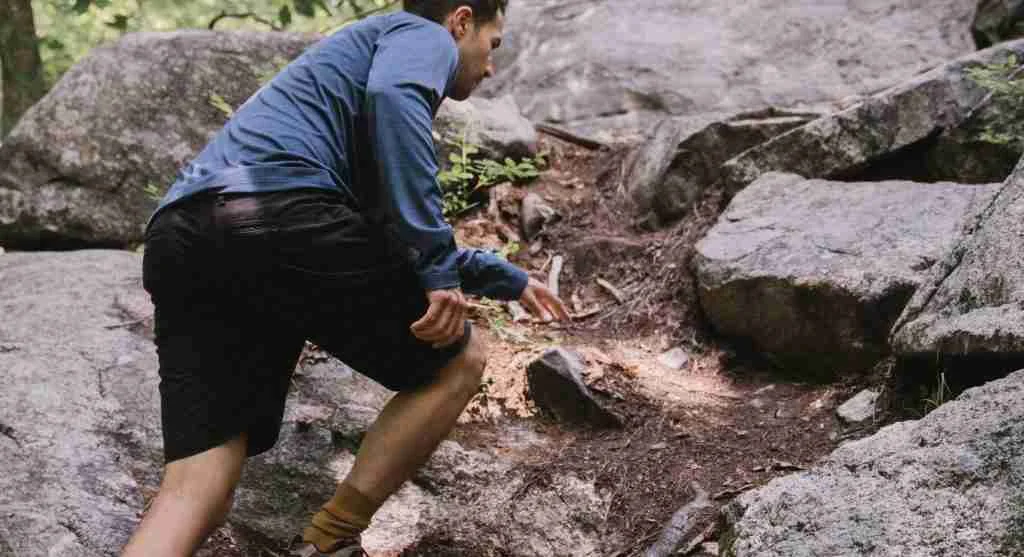
Descents are often where hikers notice they should have started using poles sooner. A downhill section increases the need for balance and braking, especially when footing becomes loose or uneven. If poles are still packed away when the descent begins feeling less stable, the hiker may already be carrying more strain in the legs and hips than necessary.
Trail safety educators often explain that poles are especially useful when the trail starts asking for control rather than raw strength. Descents do that quickly. Waiting until the body already feels less confident often means the poles are arriving after the hardest part of the transition has begun.
How early pole use can reduce quiet fatigue
Trekking poles do not only help with obvious slips or large obstacles. They also help with smaller repeated demands. A trail with many uneven steps, small drops, or constant rough tread can slowly drain the body through balance work and repeated correction. Earlier pole use often spreads some of that work more evenly and keeps the route from feeling as tiring later.
Fitness specialists often note that this is why some hikers feel surprisingly better after starting poles earlier on long uneven routes. The trail may still be rough, but the accumulated strain often feels lower because the body has not spent as long handling everything alone.
Why hikers sometimes see poles as a last-resort tool
Some hikers think poles are mainly for very steep climbs, very difficult descents, or older and more cautious walkers. That view often makes people hesitate to use them until the trail feels clearly demanding. In practice, poles are often most useful in the middle ground where the terrain is not extreme but is becoming less efficient and more tiring to walk.
Outdoor educators often explain that seeing poles as only an emergency tool can reduce their real value. On many routes, they are best understood as a way to keep movement smoother before the trail starts creating bigger problems.
How hikers can notice the right moment sooner
Several clues often suggest the right moment is close. Steps may feel slightly less smooth, the trail may start asking for more careful placement, or the body may begin making more small balance corrections than before. Hikers may also notice that one hand keeps wanting extra contact with the environment, such as brushing trees, touching rock, or hovering for balance. Those are often strong signs that support would help now rather than later.
Outdoor instructors often recommend paying attention to how the trail feels instead of waiting for how dramatic it looks. If the body is already changing the way it moves, the poles will usually help more now than after another ten minutes of rougher walking.
Why easier access often leads to better timing
Ease of access matters too. If poles are strapped away awkwardly or packed where they take effort to reach, hikers are more likely to delay using them. A tool that is inconvenient to deploy often becomes a tool used too late. When poles are easy to grab and ready to extend quickly, the timing usually improves.
Gear specialists often note that this is true for many trail essentials. Useful gear works best when the hiker can respond early without turning the moment into a long interruption. Trekking poles are no different. Simple access often leads to smarter use.
Why earlier use often makes the whole trail feel easier
Hikers who start using poles slightly earlier often find that the route feels steadier, less tiring, and more predictable. The trail may not have become easier on its own, but the body is now handling it with better support before strain builds too far. That often protects confidence and energy for the sections still ahead.
Outdoor coaches often explain that the strongest trail decisions are often small and early. Trekking poles usually help most when they arrive before the trail has fully changed the way the hiker is moving. That is why earlier use so often feels better than waiting until the unevenness becomes impossible to ignore.
Frequently Asked Questions
Q: Why do hikers often wait too long to use trekking poles?
A: Many hikers wait because the trail does not look difficult enough yet. By the time it clearly looks rough, the body may already be working harder than it should without support.
Q: When is the best time to start using trekking poles?
A: Often a little before the trail feels truly awkward. Early signs include less smooth steps, more balance corrections, and terrain that is becoming uneven or less predictable.
Q: Are trekking poles only for steep trails?
A: No. They often help on moderate uneven trails too, especially when the ground is slowly becoming rougher and the body is losing rhythm.
Q: Why do poles help more when used earlier?
A: Because they support balance and rhythm before strain builds too far. Earlier use often keeps the trail from feeling as tiring and awkward later.
Key Takeaway
Hikers often use trekking poles too late because they wait for the trail to look clearly difficult instead of responding when the body first feels the change. Earlier support usually improves balance, protects rhythm, and reduces the quiet fatigue that uneven ground creates over time. In many cases, the best time to use poles is just before the trail feels like it truly needs them.