
Many hikers expect climbs to be the hardest part of a trail and assume short downhill sections will feel like relief. Sometimes they do. On longer routes, though, small downhill sections can tire hikers more than expected. Even brief descents may ask the body to brake, stabilize, and control momentum in ways that quietly add effort throughout the hike.
Outdoor educators often explain that hiking effort is not only about going uphill. Movement specialists also note that downhill trail fatigue often builds through repeated control work rather than obvious heavy breathing. This is why a trail with many short descents can leave hikers feeling more worn out than the map first suggests.
Why Small Downhill Sections Often Feel Easier Than They Really Are
One reason small downhill sections get underestimated is that they usually do not look dramatic. They may seem brief, gentle, and easy enough to ignore during route planning. Because the trail is going down instead of up, hikers often treat these sections as rest rather than work.
Outdoor instructors often explain that this is where the misunderstanding begins. A short descent may not challenge breathing very much, but it can still demand a lot from balance and leg control. When that happens again and again, the trail may feel much more tiring later than expected.
How Downhill Trail Fatigue Builds Through Braking
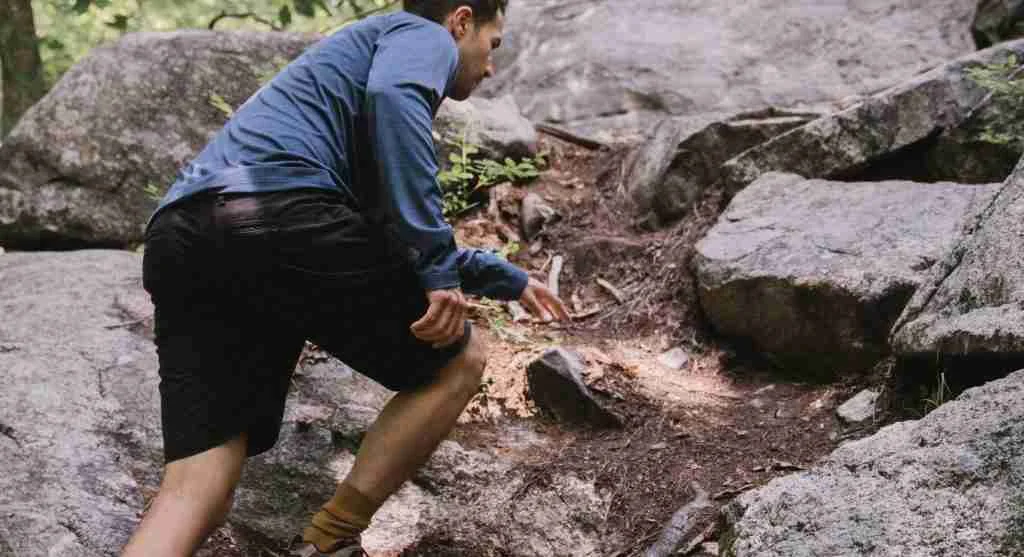
Going downhill often means the body is not only moving forward. It is also slowing itself down. Each step may involve a small braking action, especially on loose dirt, rocky ground, or uneven tread. Small downhill sections can tire hikers because those repeated braking efforts keep working the legs even when the trail looks easy.
Fitness specialists often note that hikers usually notice this later as heaviness in the thighs, knees, or hips rather than classic uphill strain. The body has been controlling motion again and again, and that work often becomes clear only after many short descents have added up.
Why Repeated Control Work Is Easy to Miss
Control work often feels less dramatic than pushing uphill, which is one reason hikers overlook it. The route may still feel comfortable in the moment, and the descent may be over quickly. Yet the body still had to stay careful with every landing. That kind of effort often hides inside normal movement until the trail has repeated it many times.
Movement educators often explain that this is why small downhill sections can be so deceptive. Each one seems too brief to matter much. Together, they can change the entire feel of the route.
How Footing Changes Make Short Descents More Tiring
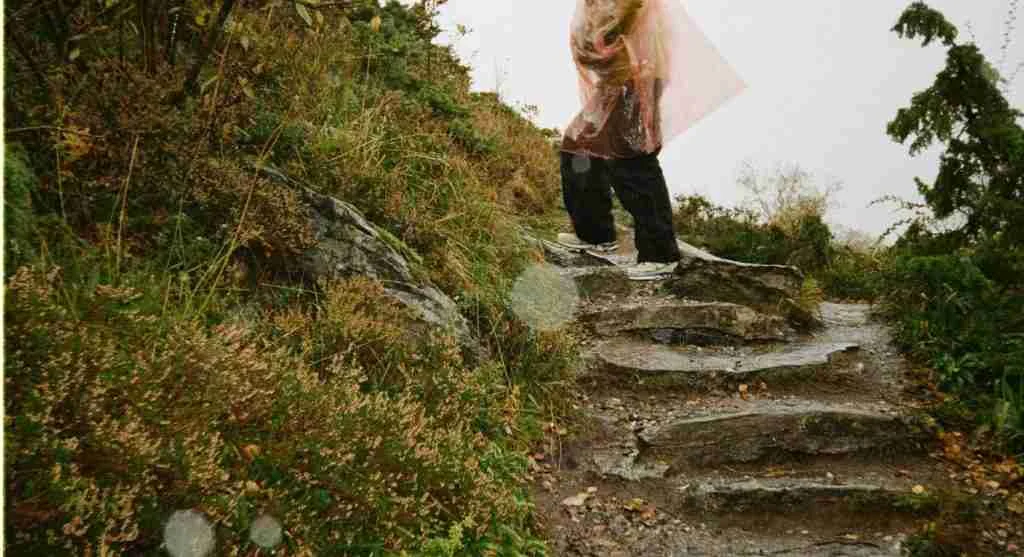
Not all downhill sections feel the same. A smooth packed descent may be easy to manage. A short downhill with roots, loose gravel, angled tread, or small rock steps often demands much more. Small downhill sections can tire hikers faster when the surface keeps interrupting smooth foot placement and forcing extra corrections.
Trail safety specialists often explain that this is one reason hikers sometimes feel more worn down on moderate trails than expected. The route may never include one major obstacle, yet many short descents with uneven footing quietly raise the total effort.
Why Lower Body Fatigue Often Appears Later
One confusing part of downhill effort is that fatigue may not show up right away. A hiker can move through several short descents and still feel fine. Later, the legs may begin feeling heavier on flat sections or small climbs. At that point, it may not be obvious that the earlier downhill control work helped create that change.
Outdoor coaches often note that this delayed effect is exactly why shorter descents get underestimated. The effort hides in the body until the trail asks for something else, and then the earlier work becomes easier to feel.
How Short Descents Affect Trail Rhythm
Downhill sections often interrupt rhythm, even when they are small. A hiker may shorten steps, shift posture, and move more carefully for a few moments before returning to a normal walking pattern. When this happens repeatedly, the trail can feel more tiring because movement never stays fully smooth for long.
Outdoor instructors often explain that rhythm matters a lot on longer hikes. A route with many small downhill interruptions may feel harder than a route with fewer but more predictable elevation changes simply because the body never gets to settle as fully.
Why Descents Can Feel Harder When Hikers Are Already Tired
Later in the day, even small downhill sections often feel more demanding because the body has less margin for control. Ankles, knees, and hips may already be carrying earlier trail effort. At that point, short descents can require more attention and more careful movement than they did during the first hour of the hike.
Fitness educators often explain that this is why hikers sometimes think a trail became rougher later on. In reality, the terrain may be similar, but the body is now meeting it with less fresh control than before.
How Hikers Can Manage Small Downhill Sections Better
Most helpful adjustments are simple. A calmer pace, shorter steps, and earlier attention to footing often help the most. Hikers usually do better when they stop treating short descents as automatic rest and instead treat them as places where control still matters.
Outdoor guides often recommend noticing the first signs of heavier leg effort instead of waiting for stronger fatigue. If the trail includes many repeated descents, small early adjustments often protect comfort much more effectively than pushing through them without changing pace.
Why These Short Descents Matter in Route Planning
When hikers think about trail effort, they often focus on total elevation gain and overlook how the route spreads its ups and downs. Yet a trail with many small downhill sections may still feel surprisingly demanding because each descent adds hidden work. Longer trail effort is often shaped not only by major climbs, but also by the repeated control needed between them.
Outdoor educators often explain that route planning improves when hikers ask how the trail moves, not only how high it goes. A route with many short drops may feel much less restful than its profile first suggests.
Why Understanding Downhill Effort Makes the Whole Trail Feel More Logical
Many hikers feel better once they realize that tired legs after several descents are not random. The trail has been asking for control all along. Understanding that usually helps hikers pace more realistically and respond sooner when the body starts feeling less smooth. In many cases, the route begins making much more sense once downhill effort is given the same respect as uphill effort.
Outdoor coaches often explain that this is one of the quieter lessons of hiking fitness. The trail does not need a huge climb to create real fatigue. Sometimes it only needs many small downhill sections that keep asking the body to work in ways hikers did not fully count at the start.

Frequently Asked Questions
Q: Why do small downhill sections make hikers tired?
A: They often require repeated braking, balance, and controlled foot placement. Those small efforts can quietly add up over a longer trail.
Q: Are descents always easier than climbs?
A: Not always. They may feel easier for breathing, but they can still be tiring for legs, knees, and balance because of the control work involved.
Q: Why does the fatigue from short descents show up later?
A: The body can absorb the effort for a while, then reveal it later through heavier legs and less smooth movement on the next flat or uphill section.
Q: What helps most on repeated short descents?
A: Many hikers do better with a calmer pace, shorter steps, and earlier attention to footing instead of treating every small downhill as automatic recovery.
Key Takeaway
Small downhill sections can tire hikers more than expected because they require repeated braking, balance, and leg control instead of obvious uphill effort. That work often stays hidden until later in the hike, when the body starts feeling heavier and less smooth. Hikers usually manage these descents better when they respect them early instead of treating every downhill stretch as free recovery.