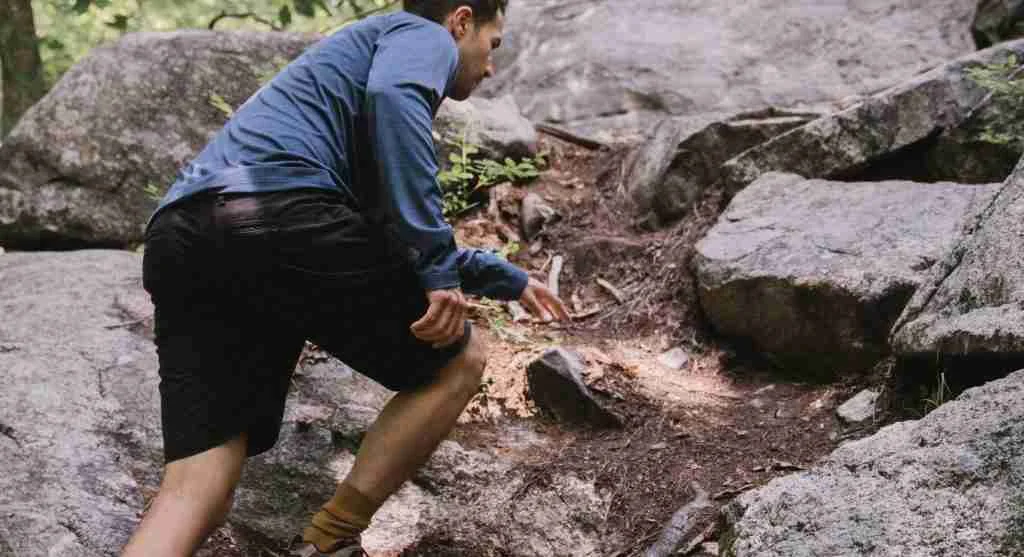


Many hikers expect long climbs to be the main source of trail fatigue. Yet some routes feel tiring for a different reason. They are filled with small upward steps that do not look important enough to take seriously. A root ledge here, a rock lip there, then another uneven rise a few steps later. None of these features feels like a major climb on its own, but together they can drain far more energy than hikers expect.
Outdoor educators often explain that hiking leg fatigue can build through repeated small lifting work rather than one dramatic uphill section. Movement specialists also note that trails with constant short step-ups interrupt efficient walking in ways maps rarely show clearly. This is why a route with many little rises can feel surprisingly tiring, even when the total elevation does not look extreme.
Why Repeated Short Step-Ups on Trails Feel Harder Than They Look
One reason these trail features feel deceptively tiring is that each step-up seems too small to matter. A hiker may barely register one rocky rise or one root step as real effort. The problem is that the body still has to lift weight upward every time. When that pattern repeats again and again, the route starts costing more energy than its general trail profile first suggests.
Outdoor instructors often explain that hikers tend to respect long visible climbs more than scattered small ones. A long ascent encourages careful pacing. Short step-ups often slip under attention, which makes it easier to spend energy too casually early in the hike.
How Hiking Leg Fatigue Builds Through Small Lifting Work
Every step-up asks the legs to do a little more than ordinary walking. The body must lift, stabilize, and then settle onto a new level before moving forward again. On smooth ground, walking often feels more rolling and efficient. Repeated short step-ups on trails break that efficiency by turning movement into constant little lifts instead of one steady flow.
Fitness specialists often note that this is why hikers sometimes feel their legs getting heavy on routes that never seemed especially steep. The body has been doing repeated upward work in small pieces, and that effort often adds up quietly across the full trail.
Why Broken Rhythm Makes These Trails Feel Longer
Trails with many little step-ups often interrupt rhythm as much as they increase effort. A steady stride becomes harder to maintain because the body keeps shifting from normal walking into brief lifting motions. That broken rhythm can make the hike feel longer and less smooth even before strong fatigue appears.
Movement educators often explain that rhythm matters because it helps the body conserve effort. Once the trail keeps interrupting that rhythm, hikers may feel more drained even when breathing still feels fairly controlled. The route becomes tiring through inefficiency rather than one obvious challenge.
How Balance Changes Add Hidden Effort
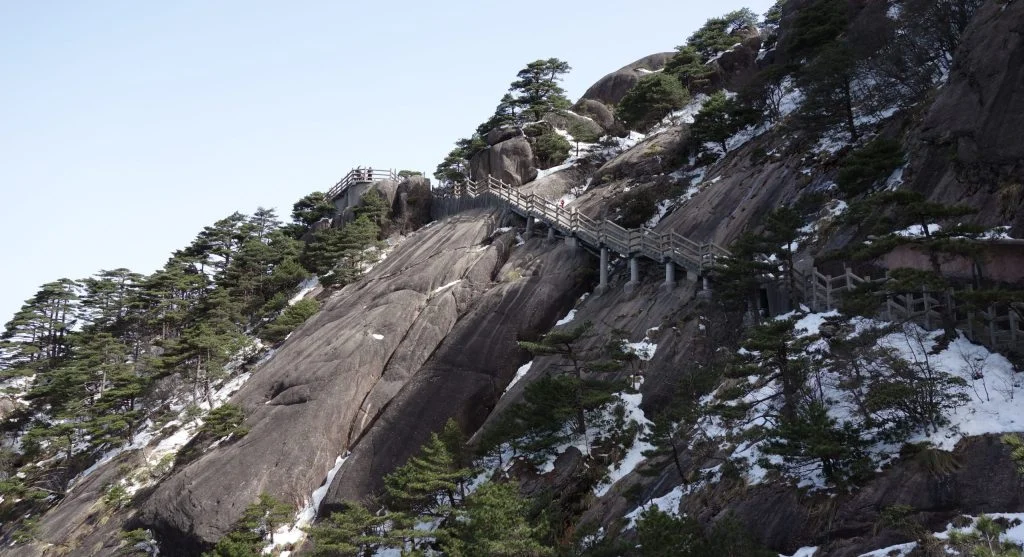
Short step-ups are not only about lifting. They also change balance. The body often has to place one foot carefully, rise onto it, and then bring the trailing foot up in a controlled way. If the trail surface is narrow, angled, or uneven, this balancing work adds even more hidden effort to what still looks like a small obstacle.
Trail safety specialists often explain that hikers may not feel this as clear strain right away. Instead, the route simply becomes less relaxing to walk. More control is needed with each small rise, and that steady demand often drains attention and energy at the same time.
Why Root-Heavy and Rocky Trails Feel Tiring So Quickly
Root-heavy and rocky trails often create exactly this pattern. The ground never becomes one smooth climb, yet it also never allows truly easy walking for long. Small step-ups keep appearing often enough that the body never fully settles. This is one reason forested or stony trails sometimes feel harder than their mileage suggests.
Outdoor guides often explain that hikers sometimes describe these routes as annoying rather than difficult. That description makes sense because the trail is not overwhelming in one place. It is simply demanding in many small places without enough smooth sections in between.
How Short Step-Ups Affect the Second Half of a Hike
One of the hardest parts of this kind of effort is that the cost often shows up later. A hiker may move through the first half of the route without much concern, then notice heavier legs on flatter ground, slower pace on descents, or less comfort on the return. At that point, the earlier step-up work becomes easier to feel, even though it did not seem important while it was happening.
Fitness educators often note that this delayed effect is why repeated short step-ups on trails are so easy to underestimate. The trail may not feel hard enough in one moment to earn caution, but the accumulated result often appears once the body has less extra energy left.
Why Smaller Hikers and Beginners May Feel This More Strongly
Trail features are experienced differently by different bodies. A short rock rise for one hiker may feel like a more significant step-up for another. Beginners may also feel these sections more because they have not yet developed the movement habits that make uneven lifting feel smoother and less wasteful. This can make a modest-looking trail feel much harder than expected.
Outdoor instructors often explain that this is another reason route difficulty is not fully captured by distance. Repeated small obstacles can feel very different depending on stride length, balance experience, and how efficiently a hiker handles uneven movement.
How Hikers Can Manage These Trails Better
Most useful adjustments are simple. A calmer pace, shorter approach steps, and more deliberate foot placement usually help the most. Instead of treating every little rise as something to step over quickly, many hikers feel better when they accept the trail’s broken rhythm and move through it more evenly.
Outdoor coaches often recommend seeing these sections as repeated work instead of random interruptions. Once hikers recognize that the trail is asking for steady lifting effort, they often pace more honestly and protect their legs much better for the rest of the hike.
Why Smoother Technique Matters More Than Extra Speed
On trails with many small step-ups, smoother movement usually matters more than speed. Good foot placement and controlled lifting often save more energy than trying to maintain a faster overall pace. When hikers rush, they often turn each rise into a slightly heavier correction instead of one clean, efficient step.
Movement specialists often explain that the easiest trails are usually the ones that let people move smoothly. When a route is built from constant little lifts, the best answer is usually not more speed. It is better control and better rhythm wherever the trail allows it.
Why Understanding This Pattern Improves Route Planning
Many trails feel harder not because of one big problem, but because of many small upward movements scattered through the route. Once hikers understand that repeated short step-ups on trails can create real fatigue, route choices often become more realistic. A moderate trail with constant uneven lifting may deserve more respect than a longer route with smoother ground.
Outdoor educators often explain that better trail planning usually begins when hikers stop judging effort only by distance and major climbs. Small repeated trail features often shape the full day much more than they first appear to do.

Frequently Asked Questions
Q: Why do short step-ups tire hikers so much?
A: Because each one requires small lifting and balancing work. When these repeat often, the effort adds up much faster than hikers usually expect.
Q: Are repeated small rises harder than one long climb?
A: Sometimes they can feel harder because they keep interrupting walking rhythm and force the body to lift and stabilize again and again.
Q: What trails usually have this problem?
A: Root-heavy forest trails, rocky paths, and uneven routes with many small ledges or natural steps often create this kind of hidden fatigue.
Q: What helps most on these trails?
A: Many hikers do better with a calmer pace, smoother foot placement, and more realistic respect for the repeated small upward work the trail is asking for.
Key Takeaway
Repeated short step-ups on trails can drain energy faster than hikers expect because they combine constant lifting, balance work, and broken rhythm. These small rises rarely look dramatic enough to deserve much attention, yet they often shape the whole feel of a hike. When hikers respect them early, the route usually feels smoother and less tiring later on.