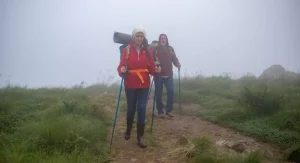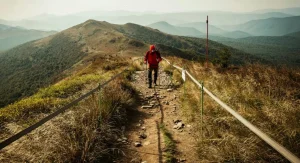

Many hikers notice a small warm rubbing spot on the foot and decide to keep moving. At first, that choice feels reasonable. The trail is going well, the discomfort seems minor, and stopping can feel unnecessary. Later, though, that same small problem can change the whole hike. Pace slows, stride becomes uneven, and attention keeps returning to the same painful area. By then, it is no longer just a small annoyance.
Outdoor educators often explain that early foot hot spots deserve attention because they rarely stay small once the trail keeps repeating the same movement. Footwear specialists also note that the body often begins adjusting around rubbing before the hiker fully decides to fix it. This is why many people ignore the first warning signs and only stop once the route already feels less comfortable than it should.
Why Hikers Often Ignore Early Foot Hot Spots
One reason hikers ignore early foot hot spots is that the first warning usually feels manageable. The foot may only feel slightly warm, tender, or irritated. That can seem too minor to interrupt a good hiking rhythm. Many people tell themselves they will deal with it later, especially if the trail still feels enjoyable and the body still feels strong.
Outdoor instructors often explain that this reaction is common because a hot spot does not always feel serious right away. The problem is that trails repeat the same friction thousands of times. A spot that feels small over ten steps may feel very different after another half hour of walking.
How Hiking Foot Discomfort Changes Stride Before Hikers Realize It
Hiking foot discomfort often changes movement before hikers fully notice what they are doing. The stride may shorten slightly, weight may shift toward one side, or the foot may begin landing differently to avoid the sore area. These changes can feel almost invisible at first, yet they often make the hike less efficient.
Movement specialists often note that the body usually protects sore areas automatically. That can help in the short term, but it can also spread strain into the ankle, calf, knee, or hip if the original friction problem stays unresolved for too long.
Why Small Foot Problems Often Make the Whole Trail Feel Harder
One small rubbing spot can change the full feel of a hike because the feet shape every step of the route. When one part of the foot stops feeling dependable, the whole body starts working around it. Even easy ground may begin feeling less smooth, and moderate sections can suddenly seem more tiring than they did earlier.
Outdoor coaches often explain that hikers often blame the trail first. They may think the route became rougher or that fatigue arrived early for no clear reason. In many cases, the real problem began with one small point of foot friction that kept growing in the background.
How Friction Keeps Building on Longer Hikes
Friction problems on hikes usually grow through repetition, not through one sudden mistake. A sock seam, slightly loose heel, small wrinkle, damp fabric, or boot pressure point may not feel severe at the start. Over time, that constant rubbing often creates a much bigger issue than the hiker first expected.
Footwear educators often explain that early foot hot spots are valuable because they are still warnings, not full problems yet. Once skin becomes more irritated, the body usually needs more time and more attention to restore comfort than it would have needed at the first sign.
Why Hikers Delay Stopping Even When the Foot Keeps Drawing Attention
Many hikers delay action because they do not want to break pace, interrupt a group, or sit down on a good section of trail. Others think the discomfort may go away on its own once the body warms up more fully. That often turns into repeated delay. The foot keeps drawing attention, but the hiker keeps walking because the problem still does not feel dramatic enough to justify stopping.
Outdoor instructors often note that repeated awareness is usually the clearest sign that a stop would help. If the same area keeps asking for attention, the problem is already affecting the hike, even if it has not become sharply painful yet.
How Terrain Makes Early Hot Spots Worse
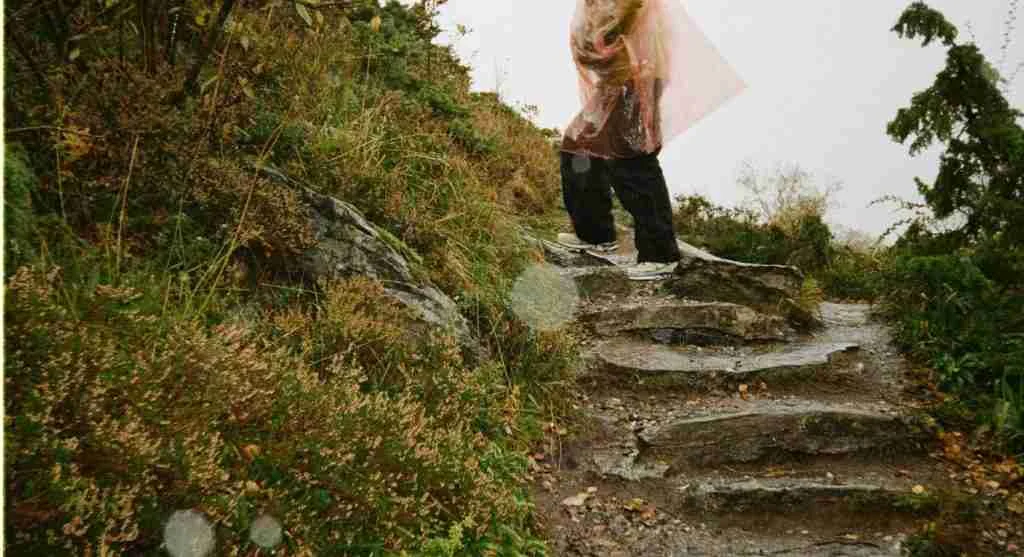
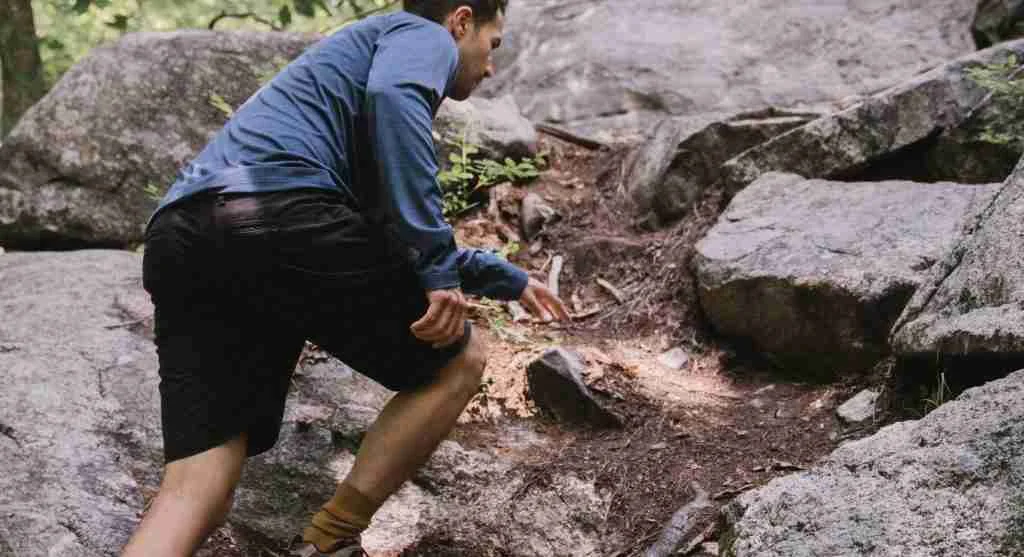
Uneven ground, descents, loose surfaces, and repeated climbs often make foot rubbing more noticeable because the foot moves differently inside the shoe. A spot that felt mild on smooth tread may become much more irritating once the trail begins asking for more precise footing or stronger braking.
Trail safety specialists often explain that this is one reason hikers sometimes feel the problem get worse all at once. The discomfort may have been building quietly, then a rougher section makes the same rubbing much harder to ignore.
Why Dampness Often Speeds Up the Problem
Sweat, stream crossings, morning dew, and humid conditions often change how socks and footwear interact with the foot. Even light dampness can make the skin more vulnerable to rubbing over time. Early foot hot spots often become more serious once moisture enters the pattern, even if the boot still feels generally fine in every other way.
Outdoor health educators often note that hikers may not connect moisture with discomfort right away because the foot does not always feel obviously wet. Still, small changes in fabric and skin contact can make friction build faster than expected.
How Early Action Often Saves the Whole Second Half of the Hike
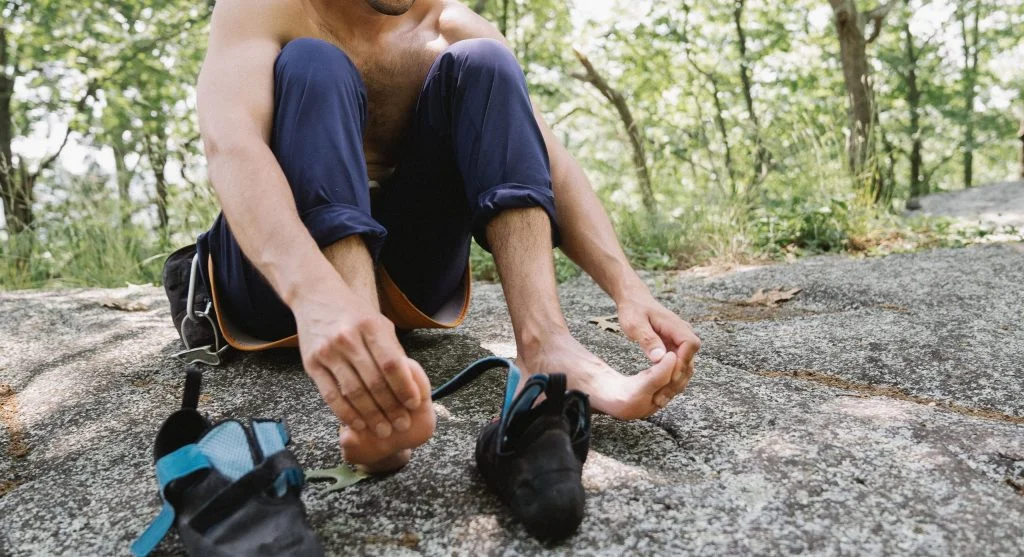
One short early stop can make a big difference. Adjusting a sock, removing debris, changing lacing tension, drying the foot, or protecting the hot spot quickly often keeps the rest of the route far more comfortable. These small actions may feel inconvenient in the moment, but they usually cost far less than continuing until the foot changes the whole hike.
Outdoor coaches often explain that early action works because the body has not yet spent a long stretch compensating for the discomfort. Once the stride has already been altered for too long, solving the rubbing point may help, but the rest of the body may still carry the effects for a while.
Why the Right Moment to Stop Usually Comes Earlier Than Hikers Think
Many hikers wait for pain to become clear before acting. In practice, the best moment is usually when the discomfort becomes repeatable, not when it becomes severe. If the same spot keeps feeling warm, tender, or distracting, that is often enough information to pause and deal with it.
Foot care specialists often explain that the goal is to treat the warning as useful data. The body is telling the hiker that friction has started. Waiting for stronger pain often means choosing a harder and slower fix later.
Why Paying Attention to Hot Spots Improves More Than Foot Comfort
When hikers deal with early foot hot spots quickly, they often improve the entire route, not only the sore area. Stride becomes smoother, balance usually feels more natural, and mental focus returns to the trail instead of staying trapped on one foot. The hike often feels easier almost immediately after a simple adjustment.
Outdoor educators often explain that this is one of the clearest examples of how a small comfort problem can shape the whole day. On trails, the easiest way to protect energy is often to fix the smallest issue before it has time to spread into everything else.
Frequently Asked Questions
Q: What is an early foot hot spot on a hike?
A: It is a small area of warmth, rubbing, or tenderness on the foot that suggests friction is beginning to build before a larger problem develops.
Q: Why do hikers often ignore hot spots at first?
A: Early warning signs often feel minor, and many hikers do not want to stop when the trail still seems to be going well.
Q: Can a small hot spot really affect the whole hike?
A: Yes. It can change stride, posture, pace, and attention, which often makes the route feel harder even if the original rubbing area is small.
Q: What helps most when a hot spot starts?
A: Early action usually helps the most. Small changes such as adjusting socks, laces, moisture, or adding protection often prevent the problem from growing.
Key Takeaway
Early foot hot spots often seem too small to matter, but they can quietly change stride, balance, and comfort across the whole trail. Hikers usually feel much better when they respond to the first repeated warning instead of waiting for stronger pain. In many cases, one short early stop protects the rest of the hike far more than pushing onward ever does.