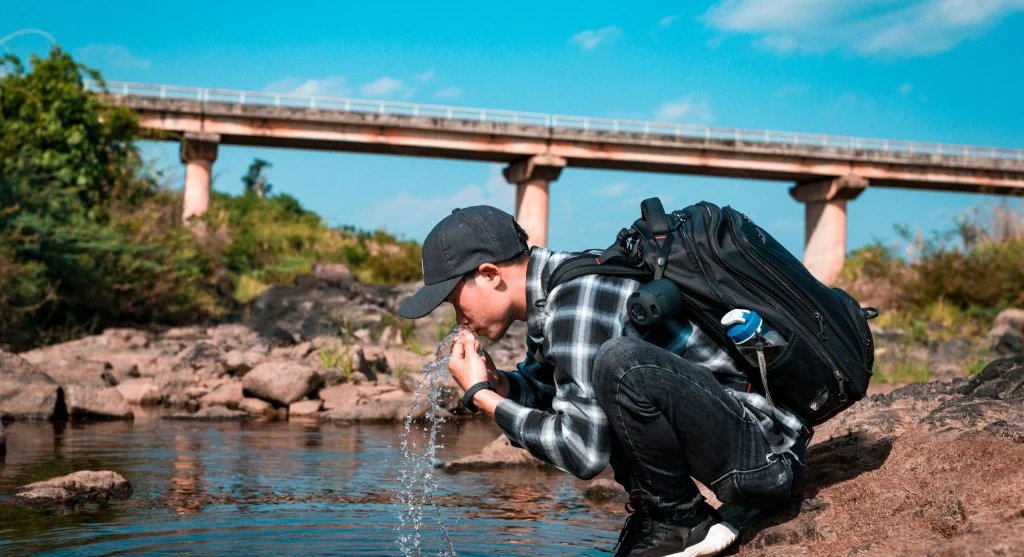

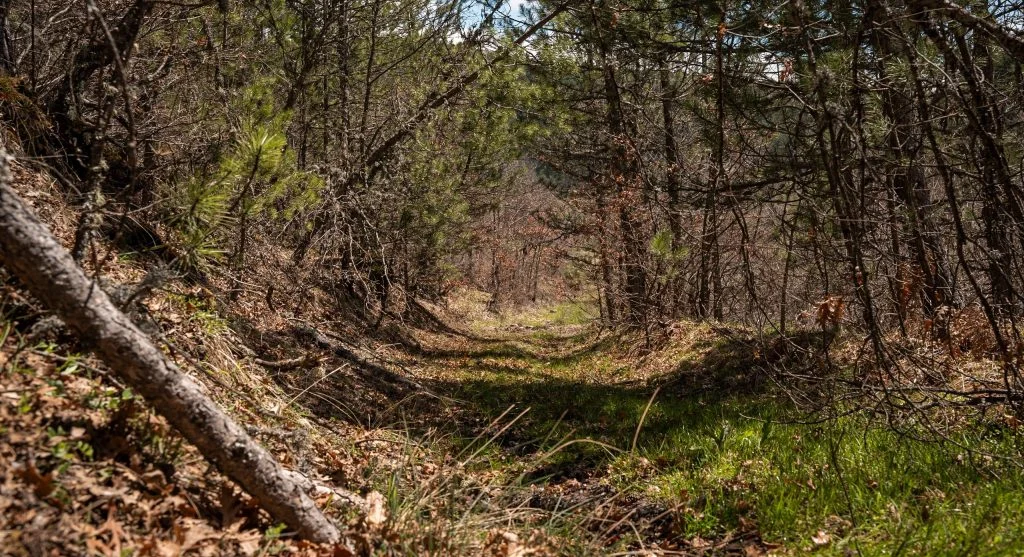
Many hikers expect trails near streams, ponds, and lakes to feel peaceful and refreshing in spring. Often, they do. Yet those same routes can also feel slower than nearby dry trails, even when the distance looks almost the same. The reason is usually not one major obstacle. It is a mix of small surface and comfort changes that quietly interrupt the way the body wants to move.
Outdoor educators often explain that spring hiking conditions near water can shape pace in ways hikers may not fully notice at first. Trail workers also note that damp trail footing, softer edges, and cooler air patterns often make these routes feel less efficient than a drier path nearby. This is why spring trails near water often feel slower, even when they do not look especially difficult on a map.
Why Spring Trails Near Water Often Feel Slower Right Away
One reason spring trails near water feel slower is that moisture changes the ground before hikers always have a clear visual reason to slow down. The trail may still look fairly simple, but the surface often responds differently underfoot. Push-off can feel softer, edges may seem less dependable, and the body may begin making more small balance adjustments than it would on dry tread.
Outdoor instructors often explain that hikers usually notice the slowdown first through movement rather than sight. The route simply stops feeling smooth. That loss of easy rhythm is often the first sign that the nearby water is influencing the trail more than expected.
How Damp Trail Footing Changes Walking Rhythm
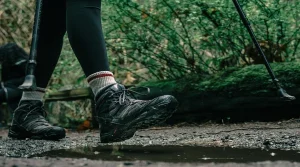
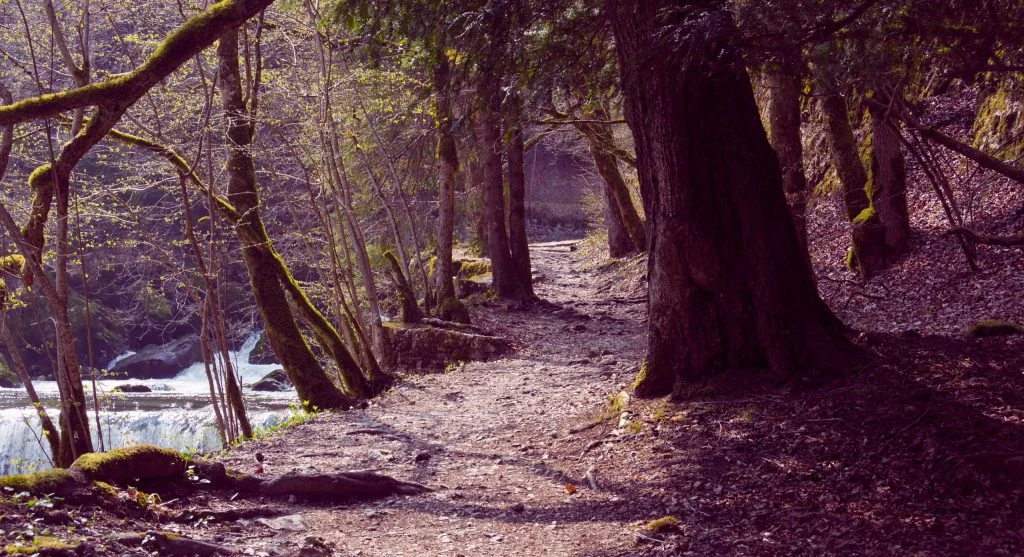
Damp trail footing is one of the biggest reasons these routes feel slower. Moist soil, slick roots, dark leaf cover, and soft tread often require more careful steps. A hiker may not need to stop often, but they may still shorten their stride and place their feet more deliberately. These quiet changes can reduce pace across the full route.
Movement educators often note that rhythm matters more than many hikers realize. A dry trail usually allows repeated steps to feel predictable. Spring trails near water often break that predictability by mixing firmer patches with softer or slicker ones. The body then has to keep adjusting instead of staying relaxed and steady.
Why Soft Edges Near Water Make the Whole Path Feel Smaller
Trail edges near water often feel less reliable in spring. Even if the main tread remains usable, the sides may hold extra moisture or slight erosion. That reduces how much room hikers feel they actually have. The trail may look wide enough, but the safe and comfortable walking line may be narrower than it appears.
Trail safety specialists often explain that people respond to effective width, not just visible width. When one side feels soft or less stable, the body naturally tightens movement and stays more centered. That usually makes the route feel slower, even if no single step feels dramatic on its own.
How Cooler Air Near Water Affects Pace in Spring
Water often changes the feel of the air too. In spring, low areas near streams or lakes may stay cooler and damper than nearby open trails. That can feel pleasant at first, but it can also change how the body experiences longer walking. Cool, damp air sometimes makes hikers slow slightly without fully noticing, especially when the route shifts between sun and shade or between dry patches and cooler water-side sections.
Outdoor weather educators often explain that hikers tend to think of weather only in broad daily terms. On trail systems near water, small local conditions matter a great deal. The path may move through pockets of cooler air, shade, and moisture that keep changing the feel of effort across a short distance.
Why Roots and Boards Near Water Often Need More Caution
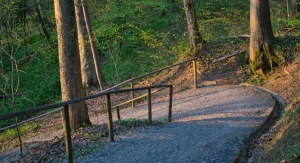
Routes near water often include exposed roots, small bridges, boardwalks, or wet wooden sections. In spring, these features usually deserve more attention than they do in drier seasons. A root that felt harmless in late summer may feel slicker in spring. A boardwalk may look fine but still offer less grip than the soil before it.
Outdoor guides often explain that these repeated caution points matter because they keep interrupting flow. The trail does not allow one simple steady pattern for long. It keeps asking for tiny resets in footing and attention, which makes the whole route feel slower than a dry path with more consistent tread.
How Scenery Can Make the Slowdown Harder to Notice
Trails near water are often beautiful, and that beauty changes how hikers perceive pace. Moving beside a stream or wetland often invites more observation, more listening, and more brief natural pauses. None of this is bad. It is part of what makes these trails appealing. But it can hide how much the surface itself is already slowing movement.
Outdoor psychologists often note that scenic routes can reduce time awareness while increasing small, uncounted delays. That means spring trails near water may feel calm and enjoyable while still taking longer than nearby dry routes that allow more direct, uninterrupted walking.
Why These Trails Often Feel Slower on the Return Too
The return section can feel even slower once the body is less fresh. A damp patch that was easy to manage earlier may feel more annoying later. Small footing corrections begin adding up more clearly, and the cooler, softer route may no longer feel as light as it did in the first half of the hike. This often makes water-side trails feel longer than their mileage suggests.
Fitness specialists often explain that these routes rarely challenge hikers in one major moment. Instead, they slowly ask for a little more balance, a little more patience, and a little more control throughout the day. The second half is often where that quiet cost becomes easier to feel.
How Hikers Can Move Better on Spring Trails Near Water
Most useful adjustments are simple. Hikers often do better with a calmer pace, earlier attention to surface changes, and more respect for sections that look slightly darker, softer, or more root-heavy than the trail around them. Accepting that these routes may walk slower than dry trails often improves the whole experience.
Outdoor instructors often recommend treating spring water-side trails as rhythm trails rather than speed trails. The goal is usually not to force the route to move like dry ground. It is to let pace match the softer, more variable surface conditions the trail naturally offers.
Why Slower Does Not Mean Worse on These Routes
Many of these trails are worth walking precisely because they feel different. The cooler air, spring water movement, softer light, and calmer pace can make them some of the most rewarding routes of the season. Slower is not always a problem to solve. It is often just the honest speed of the environment.
Outdoor educators often explain that better hiking often starts with matching the trail instead of arguing with it. Spring trails near water usually feel best when hikers expect a steadier, more careful rhythm and enjoy the route for what it is rather than comparing it to the speed of a drier nearby path.
Frequently Asked Questions
Q: Why do spring trails near water feel slower than dry trails?
A: They often include damp footing, softer edges, slick roots, and repeated surface changes that interrupt smooth walking more than dry nearby routes do.
Q: Are trails near water always harder?
A: Not always harder in a dramatic way, but they often feel slower and more effortful because the body needs more balance and more careful foot placement.
Q: Does cooler air near water make hiking easier?
A: Sometimes it feels nicer, but it does not always make movement easier. Cooler damp conditions can still change rhythm and comfort in ways that slow the hike down.
Q: What helps most on spring water-side trails?
A: Many hikers do better with a calmer pace, early attention to damp patches and edges, and realistic expectations that these trails may walk more slowly than dry ones.
Key Takeaway
Spring trails near water often feel slower than nearby dry routes because damp footing, soft edges, cooler air, and repeated surface changes reduce smooth walking rhythm. These trails usually ask for a steadier and more deliberate pace, even when they look calm and inviting. Hikers often enjoy them most when they respect that slower rhythm instead of expecting dry-trail speed.