
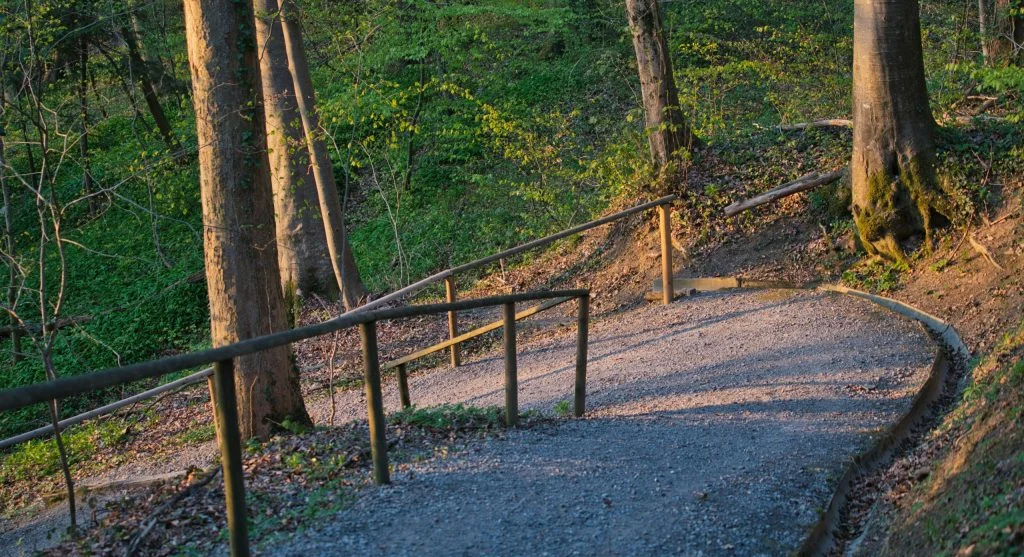
Warm spring afternoons often make short hikes feel longer than people expect. A route that sounds easy by distance may still feel heavier when the sun is higher, the trail is softer, and the body has already spent part of the day moving through changing spring conditions. What looks like a simple outing on paper can become slower and more tiring once the afternoon warmth settles in.
Outdoor educators often explain that spring hiking conditions are shaped by timing as much as by mileage. Park staff also note that hikers often compare a short afternoon route to how similar trails feel in the cooler morning. That comparison can be misleading because the same path may behave very differently later in the day.
Why warm spring afternoons often change a trail more than expected
Spring weather can feel mild at first, which makes afternoon hikes sound simple. Yet warm spring afternoons often change how the route feels because the air is no longer carrying the same cool support it offered earlier in the day. Even on shorter trails, the body may work a little harder once direct light, warmer surfaces, and drier air begin shaping the outing.
Outdoor weather educators often explain that spring warmth is sometimes underestimated because it does not always feel extreme. The day may still seem pleasant, which can hide how much it is influencing pace and comfort over the course of the hike.
How afternoon trail fatigue builds on short routes
Afternoon trail fatigue often feels surprising because hikers expect short distance to protect them from feeling worn down. In reality, the body responds to more than mileage alone. Warm spring afternoons often increase effort through sun exposure, softer footing, and reduced cooling, which can make a short trail feel more demanding than its length suggests.
Fitness specialists often note that shorter hikes are sometimes paced too quickly for this reason. Hikers assume the outing is brief enough that timing will not matter much. Later, the trail still feels longer because the body is paying for conditions that were overlooked at the start.
Why short hikes feel longer when the sun is stronger
Short hikes feel longer when the sun stays on the body without much relief. Morning routes often include cooler air, longer shade, and lower heat on exposed ground. Warm spring afternoons often remove those quiet advantages. A trail that felt inviting earlier may now feel more open, brighter, and less forgiving.
Outdoor health educators often explain that strong sun does not need summer-level heat to matter. In spring, hikers may be less prepared for how quickly comfort can change once direct light and warmer surfaces build through the afternoon hours.

How softer spring ground can slow the route
Spring trails often hold moisture differently later in the day. Ground may soften, edges may loosen, and previously firm sections may feel slightly less supportive underfoot. Warm spring afternoons can therefore affect pace not only through air temperature, but also through how the trail surface behaves.
Trail safety educators often note that this kind of slowdown may be small but steady. Hikers may not notice one dramatic problem. Instead, the route simply stops feeling as efficient as it would on firmer morning ground.
Why afternoon timing changes trail rhythm
Trail rhythm often depends on how easily the body settles into movement. Warm spring afternoons can interrupt that rhythm by making hikers stop for water more often, look for shade more often, or shorten stride slightly on exposed sections. Each adjustment is reasonable, yet together they can make the route feel longer than expected.
Outdoor coaches often explain that hikers usually notice this as a change in flow rather than as one obvious difficulty. The trail just stops feeling smooth, even though distance alone does not explain why.
How spring hiking conditions affect mental comfort too
Afternoon hikes often feel mentally different from morning outings. A trail that would feel fresh at the start of the day may feel flatter, brighter, and more tiring once the afternoon has settled in. Warm spring afternoons often change not only physical comfort but also how long the route seems to take.
Outdoor psychologists often note that mild discomfort changes time perception. When the body is warmer and the trail feels less easy than expected, even short stretches may begin to seem longer than they actually are.
Why hikers often underestimate short afternoon routes
Many hikers assume short routes need less planning. That works in some conditions, but it can lead to underestimating afternoon trail fatigue. Warm spring afternoons often create a mismatch between expectation and experience because the route sounds small enough to ignore timing, yet the conditions still shape every step.
Outdoor instructors often explain that this is especially common in spring because the season feels moderate overall. That general feeling can make people less alert to the difference between morning comfort and afternoon effort on the same trail.
How hikers can plan better for warm spring afternoons
Planning often gets better when hikers treat afternoon timing as part of the route, not as a background detail. A short trail in full afternoon sun may need steadier water use, slightly calmer pace, and more realistic comfort expectations than the same route in morning shade.
Outdoor educators often recommend noticing how exposed the trail becomes later in the day, whether the ground softens in spring warmth, and whether the route has enough shade to keep effort comfortable. These details often matter more than distance alone.
Why early adjustments often make the whole trail feel shorter
Small early changes can make a short afternoon hike feel much easier. A slower starting pace, earlier water break, or light layer adjustment often helps before the body begins feeling surprisingly heavy. Warm spring afternoons usually become much easier to manage when hikers respond to the conditions sooner rather than later.
Outdoor coaches often explain that the best response is usually simple. Accept that the same short trail may feel different at a different hour, then let pace and comfort habits match that reality. In many cases, the trail feels shorter again once expectations become more accurate.
Frequently Asked Questions
Q: Why do short hikes sometimes feel longer in the afternoon?
A: Warm spring afternoons can increase sun exposure, soften the trail, and reduce comfort, which often changes pace more than hikers expect on shorter routes.
Q: Are afternoon spring hikes always harder than morning hikes?
A: Not always, but many afternoon hikes feel more tiring because the trail is warmer, brighter, and often less forgiving than it was earlier in the day.
Q: Does spring warmth really matter on short trails?
A: Yes. Even a short route can feel longer if warmer conditions affect pace, hydration, and footing over the full outing.
Q: What helps most on warm spring afternoon hikes?
A: Many hikers do better with a slightly calmer pace, earlier water use, and more realistic expectations about sun and softer trail conditions.
Key Takeaway
Warm spring afternoons can make short hikes feel longer because spring hiking conditions change pace, footing, and comfort more than hikers often expect. Afternoon trail fatigue usually builds through stronger sun, softer ground, and quieter losses in efficiency rather than through one obvious problem. Hikers often enjoy these routes more when they plan for the hour of the hike, not only for its distance.