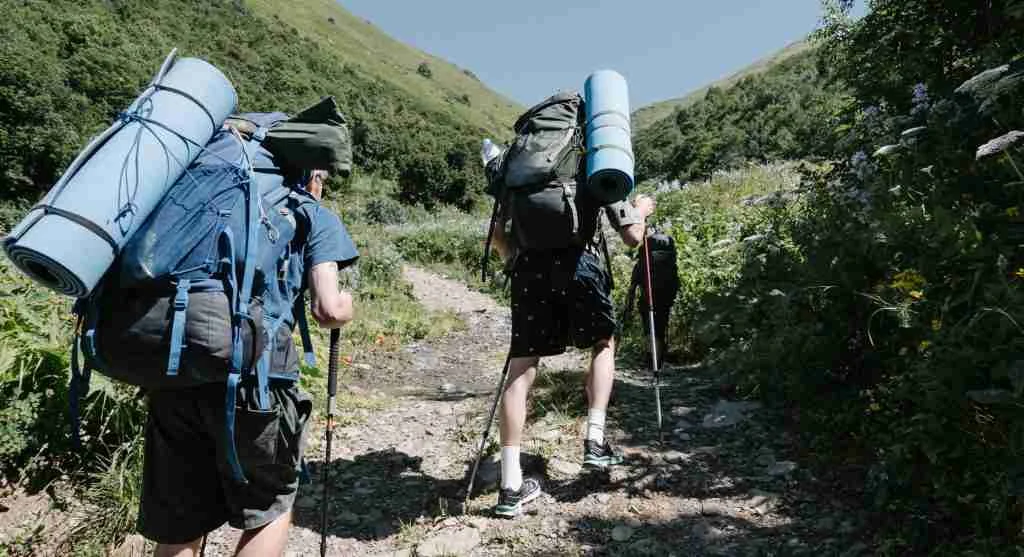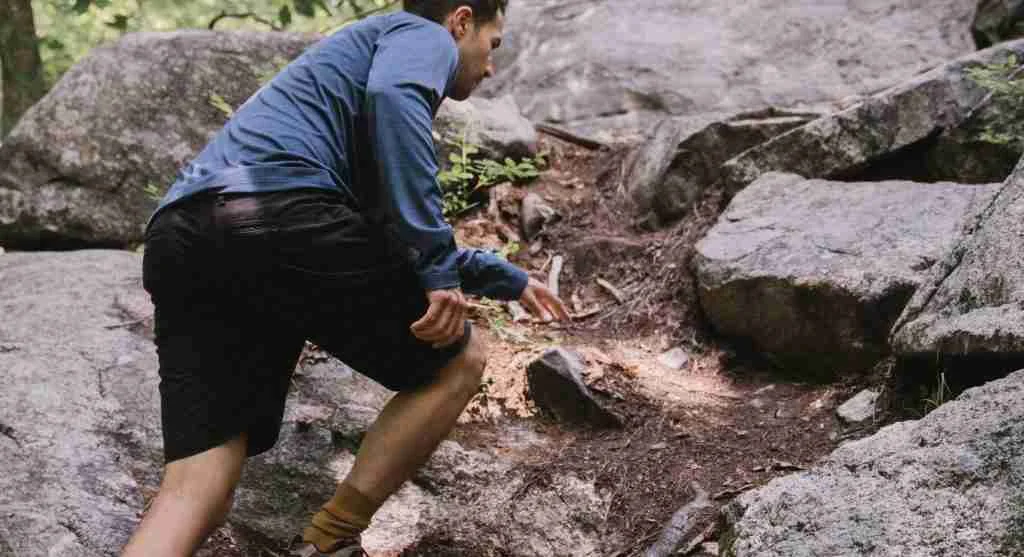

Longer family hikes often go better when children are not asked to think about the whole distance all at once. Many children do not respond well to broad ideas like another mile or forty more minutes. They often respond much better to smaller goals that feel close, visible, and easy to understand. This is why short trail goals often help children stay happier on longer family hikes.
Outdoor family educators often explain that family hiking with children usually works best when the trail is broken into manageable pieces. Recreation specialists also note that kids trail motivation tends to stay stronger when progress feels immediate and clear. A long route may still be the same length, but short goals often make it feel much more possible from a child’s point of view.
Why short trail goals work so well for children
One reason short trail goals help is that children often think in near moments rather than in long-range plans. Adults may naturally picture the full route and understand how today’s effort fits into the whole hike. Children often focus much more on what is directly ahead. The next tree, the next bend, or the next bridge usually makes more sense to them than the whole outing.
Outdoor instructors often explain that this difference is normal. A child is not failing to understand the hike. The child is simply experiencing it in smaller pieces. When adults use short trail goals, they match the hike to that way of thinking instead of working against it.
How longer family hikes feel smaller with near goals
Longer family hikes often become harder when children start feeling that the end is too far away to picture. That can make the whole route feel heavy very quickly. Short trail goals help because they reduce the size of the task. Instead of asking a child to finish the whole trail, the family asks only for the next easy part.
Outdoor parenting specialists often note that this usually changes the mood of the hike right away. The child is no longer carrying the full distance mentally. The child is only working toward something close enough to believe in.
Why kids trail motivation often drops on vague timelines
Children often lose motivation when adults use goals that feel abstract. Phrases like almost there or not much farther may not mean much if the child already feels tired. A vague promise can even make the trail feel longer if it does not match what the child sees and feels. Short trail goals often work better because they are concrete and visible.
Outdoor educators often explain that clear small goals build trust. When a parent says let’s walk to that big rock or let’s reach the next patch of shade, the child can see the target and understand the task. That usually feels much fairer than being asked to keep going without a clear near endpoint.
How small goals support better trail rhythm
Short trail goals do more than improve mood. They also help create a smoother rhythm. A child who feels overwhelmed may slow down, complain more, or stop cooperating with the pace of the hike. A child focused on one reachable goal often keeps moving more steadily. That steadier movement can make the full family hike feel easier for everyone.
Outdoor coaches often explain that rhythm matters a great deal on family hikes. It is often easier to keep children moving with calm small goals than to keep restarting them after they have already disengaged from the route.
Why natural landmarks make the best trail goals
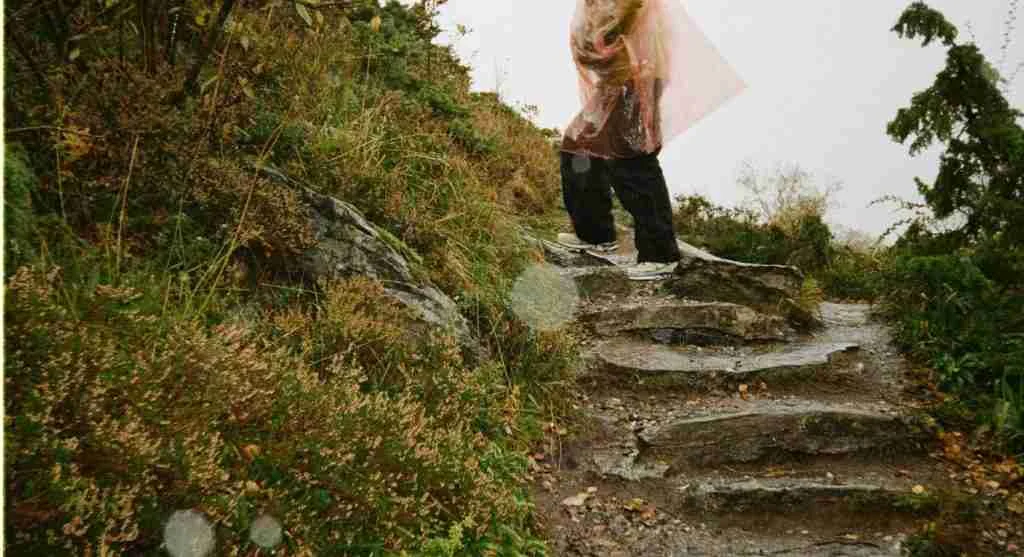
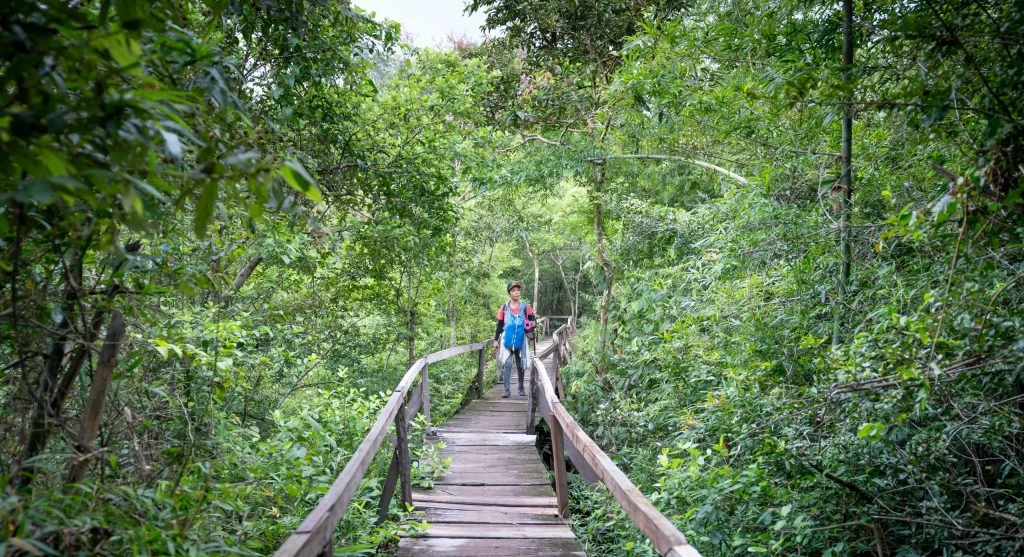
The most useful short trail goals are often built from what the trail already offers. A bridge, a bend, a fallen log, a wooden sign, a lookout, or a patch of flowers can all become the next marker. These goals work well because they feel real and immediate instead of invented only to push the child along.
Outdoor family leaders often note that natural landmarks also make the hike feel more interesting. The child is not just walking for the sake of distance. The child is moving toward something that belongs to the trail itself.
How short trail goals reduce resistance before it starts
Many family hiking problems start before the child is truly exhausted. They begin when the hike starts feeling endless. Short trail goals often prevent this by giving the child a series of finishes instead of one distant finish. Each small success keeps the outing feeling possible and often reduces the chance of frustration building all at once.
Outdoor parenting educators often explain that prevention usually works better than repair on longer family hikes. It is easier to keep motivation alive than to rebuild it after the child has already decided the trail is too long.
Why these goals help parents pace better too
Short trail goals often help adults as much as children. Parents may become less likely to rush, over-explain, or use distance language that does not fit the child’s experience. The whole family begins working with the same immediate target, which often improves patience and shared focus.
Outdoor recreation specialists often note that longer family hikes usually feel smoother when adults stop measuring success only by speed or mileage. A family that moves well together often does better than a family that tries to move quickly.
How to choose the right size of trail goal
The best goal is usually close enough to feel reachable but far enough to feel meaningful. If the target is too far away, it stops helping. If it is too small, it may not create enough sense of progress. On many hikes, useful goals are just a few minutes apart and easy to point to clearly.
Outdoor instructors often recommend adjusting based on the child’s energy. Early in the hike, goals may be slightly farther apart. Later, when the child is more tired or less focused, shorter trail goals often work much better and keep the route feeling manageable.
Why small successes often change the whole hike
Children often respond strongly to repeated success. Reaching one tree, then one bridge, then one bend creates a pattern of finishing that can carry a surprising amount of motivation through the route. The distance may still be long by adult standards, but the child experiences it as a series of doable parts rather than as one giant demand.
Outdoor educators often explain that this is why short trail goals help children stay happier on longer family hikes. They turn the trail into a series of understandable wins. That often makes the whole outing feel more positive, more cooperative, and much easier to finish.
Frequently Asked Questions
Q: Why do short trail goals help children on hikes?
A: They make the route feel smaller and easier to understand. Children often respond better to a nearby visible goal than to the full distance of the hike.
Q: What kinds of goals work best on family hikes?
A: Natural landmarks usually work well, such as bridges, rocks, shade patches, signs, bends, or anything else the child can clearly see ahead.
Q: Do short trail goals make hikes take longer?
A: Not necessarily. They often improve cooperation and keep children moving more steadily, which can make the full hike feel smoother for everyone.
Q: Should parents use the same size goal the whole time?
A: Usually no. Many families do better by using slightly larger goals early in the hike and shorter ones later if the child becomes more tired.
Key Takeaway
Short trail goals often help children stay happier on longer family hikes because they make distance feel smaller and progress easier to see. Family hiking with children usually works better when the route is broken into nearby visible targets instead of one faraway finish. In many cases, these small goals create the calm rhythm that makes the whole hike more enjoyable.