


Outdoor educators often explain that hiking comfort depends on how easily the body can repeat good steps, not only on how much visible room a trail provides. Movement specialists also note that broader uneven paths often create more small decisions, more shifting foot placement, and more broken rhythm than hikers first expect. This is why many people feel better on a trail that clearly shows where the best steps belong.
Why a clear walking line often feels easier
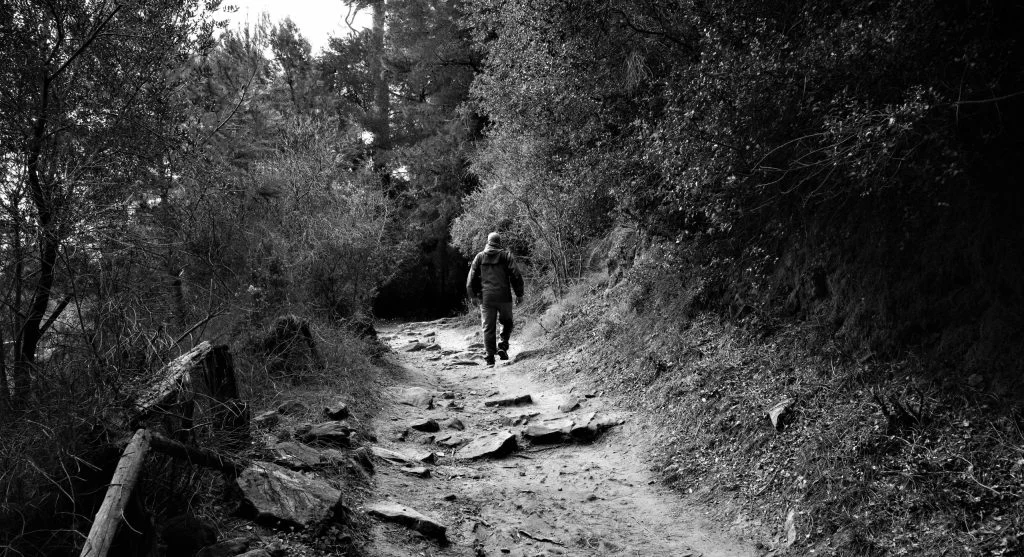
One reason a clear walking line feels easier is that it reduces uncertainty. The body quickly learns where the firmest tread is, where the edges are less useful, and how each step is likely to land. Once that pattern becomes obvious, movement often feels steadier and less tiring.
Outdoor instructors often explain that the body usually likes repeatable conditions. When the trail offers a strong central line, hikers spend less attention guessing where the next step should go. That often makes the entire route feel smoother than a wider surface that keeps offering too many imperfect options.
How wider uneven paths create more hidden effort
Wider uneven paths often look easier than they really are because extra width can hide the fact that no single line through the route feels especially good. One side may be dusty, another rocky, and the middle broken by loose patches or shallow ruts. The hiker keeps shifting slightly left or right, trying to find the best ground without ever fully settling.
Movement educators often note that this kind of constant small adjustment creates hidden effort. The body may not feel sharply challenged, but it also never gets the support of one dependable path. Over time, that can feel more tiring than a narrower trail that quietly tells the feet exactly where to go.
Why fewer decisions often mean better trail comfort
Every step includes a decision, even when hikers do not think about it consciously. On a clear walking line, that decision is often simple. On a wider uneven path, the decision becomes more active because several possible lines compete at once. None may look terrible, but none may look clearly right either.
Outdoor coaches often explain that hiking comfort improves when the trail removes unnecessary choices. The body usually moves better when it can trust one line instead of negotiating several half-good ones over and over again.

How a strong tread line improves rhythm
Rhythm matters more than many hikers realize. When the trail offers a clear line, the body often begins moving with more natural timing. Foot placement becomes more predictable, stride stays cleaner, and push-off feels more efficient. That rhythm usually saves energy even if the trail itself is not especially smooth.
Fitness specialists often explain that wider uneven paths tend to break rhythm because they keep interrupting simple movement. A hiker may not stop, but the feet keep making slight corrections. Those interruptions often add up until the broader trail feels oddly less relaxing than the narrower one nearby.
Why broad rough trails can feel mentally busier
Some trails are tiring not only because of physical effort, but because they keep the mind more active. A wide rough route often asks hikers to scan, compare, adjust, and re-choose the best tread every few seconds. That extra attention may seem minor, but it often makes the trail feel mentally busier than a route with one clear line through it.
Outdoor psychologists often explain that comfort on the trail is partly a question of how much mental work the route requires. A clear walking line reduces that work. A broad uneven surface often increases it by making the hiker solve the same small puzzle again and again.
How edge conditions matter on wider paths
Wider paths often include edges that look usable but are not as supportive as they appear. Loose grit, softer dirt, slight slope, or broken tread near the sides can make the outer lines less helpful than expected. Hikers may keep drifting toward them because the trail looks open, then drift back inward once the footing feels worse.
Trail guides often explain that a wider path is only truly easier if the width is equally supportive. When the usable part of the trail is much smaller than the visible part, hikers often feel more comfortable once they stop treating the full width as equally walkable.
Why narrow but clear trails can feel more trustworthy
A narrow trail with one reliable line often feels trustworthy because the body quickly understands its rules. The tread may be compact, but it behaves consistently enough that the hiker stops wondering about each step. That trust often makes the route feel easier than a broader surface where good footing keeps changing from one side to the other.
Outdoor instructors often note that hikers often confuse width with security. In practice, consistency often matters more. A clear line gives the body a predictable pattern, and predictable patterns usually feel safer and calmer than scattered choices do.
How fatigue changes the effect of trail width
Later in a hike, the difference often becomes more noticeable. A fresh hiker may not mind a wide uneven path very much. A tired hiker often feels the cost of those extra decisions much more clearly. At that stage, the body usually prefers the trail that makes movement obvious, even if that trail is narrower.
Fitness educators often explain that this is why trail comfort often changes across the day. What seemed like harmless unevenness earlier can feel frustrating later, while a clear central tread continues to feel manageable because it still asks less from attention and foot placement.
Why clear lines matter on descents too
On descents, a clear walking line often matters even more because the body is already managing forward momentum. A wide uneven path may tempt hikers to step all over the surface, but that often creates more awkward landings and more braking corrections. A strong visible line through the descent usually improves comfort because it gives the feet one better route to trust.
Trail safety specialists often explain that descending well often depends on reducing unnecessary choices. A clear line helps the body commit to better steps instead of spreading effort across too many uncertain options.
How hikers can use this insight on real trails
Most hikers benefit from asking one simple question: where is the best repeated line through this section? On a broad rough trail, the answer is often narrower than the path looks. Once hikers identify that line and stop wandering across the whole width, movement often becomes noticeably smoother.
Outdoor coaches often recommend choosing consistency over appearance. The widest-looking route through a section is not always the easiest one. The best line is usually the one that lets the body repeat stable steps with the least correction.
Why understanding trail shape makes hiking more comfortable
Many hikers feel better once they stop assuming that more visible space automatically means easier walking. A trail with a clear walking line often wins because it reduces wasted movement, lowers mental effort, and protects rhythm. The route may look simpler or smaller, but it often walks much better.
Outdoor educators often explain that strong trail awareness often begins with noticing how the path actually supports movement instead of how generous it looks from a distance. Once hikers understand that difference, many trails become easier to read and much easier to enjoy.
Frequently Asked Questions
Q: Why can a narrow trail feel easier than a wide one?
A: Because a narrow trail may offer one dependable walking line, while a wider uneven path can create more foot-placement decisions and more broken rhythm.
Q: Does a wider trail always mean easier footing?
A: No. A wider trail may still have loose edges, rough patches, or several weak lines instead of one strong tread through the section.
Q: What is a clear walking line?
A: It is the part of the trail that consistently offers the most stable, repeatable, and comfortable steps through a section.
Q: What helps hikers on wide uneven paths?
A: Many hikers do better by identifying the best repeated line and following it steadily instead of using the full width of the trail as if every part were equally supportive.
Key Takeaway
Key Takeaway: Hikers often feel more comfortable on trails with a clear walking line because steady footing, simpler choices, and better rhythm usually matter more than extra visible width. Wider uneven paths can look easier while quietly asking for more correction and more attention. When hikers find and trust the best repeated line, the whole trail often feels smoother and less tiring.