
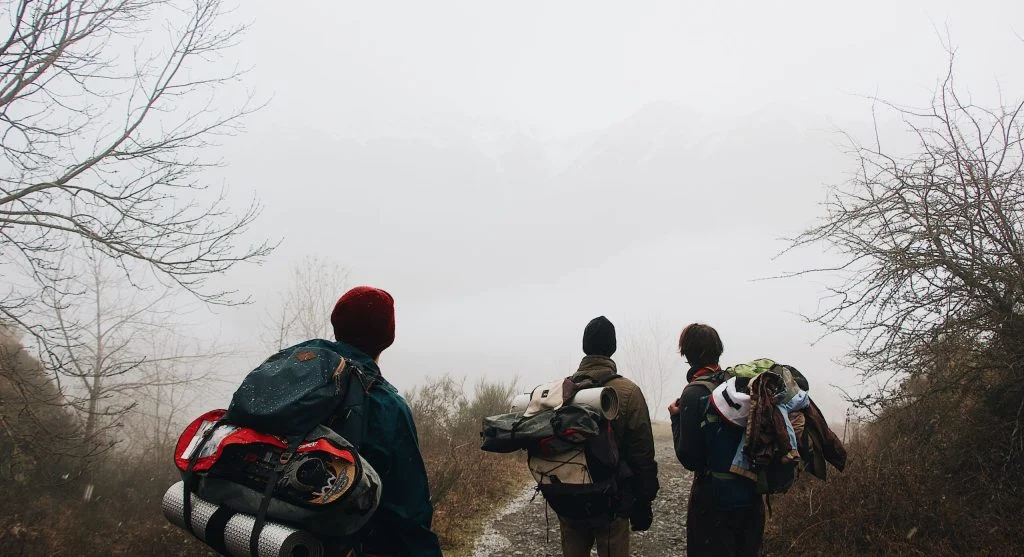
Many trail interruptions begin with something that seems harmless. A hiker wants to sip water, tighten a strap, take a quick photo, or check a map. The stop may last only a few seconds. On a busy trail, though, even a short pause in the middle of the walking line can affect everyone nearby. The person stopping may feel still and harmless, while other hikers suddenly have to slow down, wait, or step around them on worse footing.
Outdoor educators often explain that hiking etiquette is not only about being polite. It is also about keeping shared trails smooth, predictable, and safe. Park staff also note that crowded or active routes work best when hikers keep the main tread open for movement as much as possible. This is why people usually help the trail most when they step aside for breaks instead of stopping in the middle of busy trails.
Why Stopping in the Middle of Busy Trails Creates Problems Quickly
One reason this habit causes trouble so quickly is that busy trails depend on constant small movement. People may be approaching from behind, coming from the opposite direction, or walking in small groups. A stopped hiker may think the pause is too brief to matter, but the trail around them is still in motion. That means one person’s quick stop can become everyone else’s sudden obstacle.
Outdoor instructors often explain that the issue is usually not the break itself. Hikers need breaks. The real problem is where the break happens. On a busy route, the center of the trail is the main line of movement, and blocking that line changes the experience for everyone sharing it.
How Shared Trail Flow Gets Disrupted by One Short Stop
Shared trail flow often depends on predictability. Hikers expect the people ahead of them to keep moving unless they clearly step aside. When someone stops in the middle of a busy trail, that expectation breaks. People behind may slow sharply, bunch together, or make quick passing decisions they would not have needed otherwise.
Outdoor recreation specialists often note that this kind of disruption can spread farther than hikers expect. One stop can affect not only the next person, but also several people behind them, especially on popular trails where spacing between users is already tight.
Why “Just a Few Seconds” Often Feels Longer to Everyone Else
To the person taking the break, the stop may feel extremely short. To the people arriving behind them, the timing often feels different. A hiker moving at a steady pace suddenly has to slow, wait, choose a passing side, or speak up to get through. That small interruption often feels bigger because it arrives without warning and because the main path no longer feels open.
Outdoor guides often explain that short delays feel longest when they happen in the only easy walking line. In a wide open area, a quick stop may barely matter. On a trail, the same stop can feel much larger because the route offers fewer comfortable alternatives.
Why Narrow Trails Make Quick Breaks Feel Much Bigger
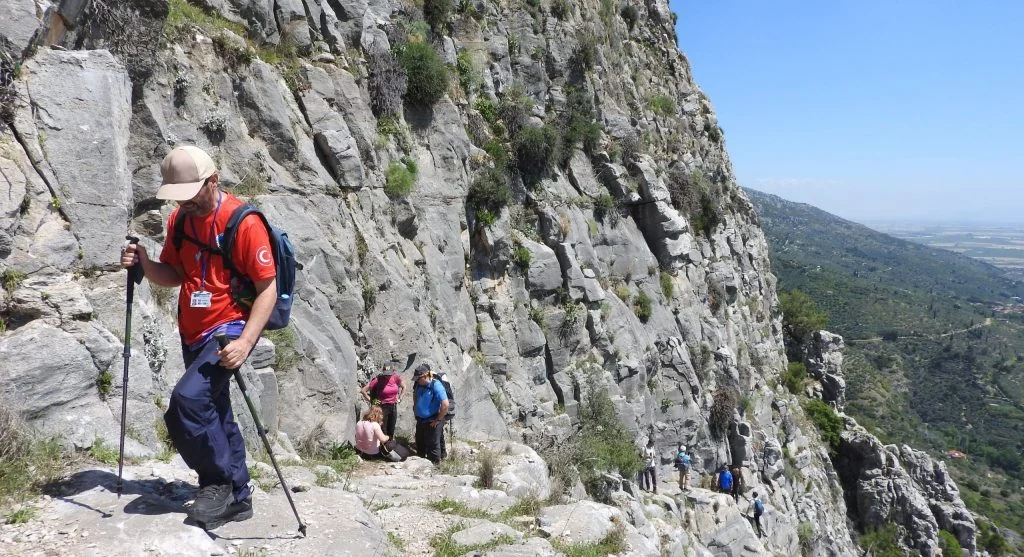
Narrow trails often make this issue more obvious because there is little room to pass comfortably. If someone stops in the middle of a busy trail where the tread is narrow, others may need to step into brush, loose dirt, roots, or sloped edges. That turns a simple break into a small safety problem as well as an etiquette problem.
Trail safety educators often explain that hikers rarely intend to create this kind of trouble. They simply do not always realize how much usable tread they are taking up. On narrow trails, though, even one person standing still in the center can remove most of the easiest walking space.
How Groups Can Block Trails Without Meaning To
Groups often create a larger version of the same problem. One person stops, another joins them, and soon two or three people are standing across the trail for what was supposed to be a quick pause. This often happens near scenic spots, signs, trail junctions, and water crossings where people naturally want to look around or talk briefly.
Outdoor leaders often note that groups usually do better when one person notices the stop early and moves everyone to the side before the conversation begins. Once people settle into a break in the middle of the tread, the trail can become blocked almost instantly.
Why Busy Trails Require More Awareness Than Quiet Trails
On quiet trails, a short stop in the path may not affect anyone for several minutes. On busy trails, the situation changes much faster. Other hikers may appear around bends, from behind, or over short rises with little warning. This means hikers cannot always rely on the trail looking empty at the exact second they decide to pause.
Park staff often explain that busy trail habits should assume other users are close even when they are not immediately visible. That mindset encourages better break placement and helps keep the route smoother for everyone.
How Stepping Aside Improves Trail Courtesy Immediately
Stepping aside is one of the easiest courtesy habits hikers can build. It clearly communicates that movement can continue. Other trail users do not have to guess whether the person ahead is about to keep walking or stay still. The break can still happen, but it happens without passing the cost of that pause onto everyone else.
Outdoor educators often explain that strong trail courtesy usually works quietly. When hikers move out of the main line before stopping, the trail continues feeling natural and open. That small action often improves the experience for others without requiring any words.
Why Even Map Checks and Photos Deserve Better Placement
Some stops are necessary. A map check, water break, layer adjustment, or quick photo all have reasonable places in a hike. The issue is not whether hikers should stop. The issue is whether they stop where others can still move smoothly. Busy trails usually work better when these tasks happen at a wider shoulder, trail edge, turnout, overlook, or another spot that keeps the active tread clear.
Outdoor instructors often explain that a better stop location usually improves the task too. A hiker can check the map more carefully, take a steadier photo, or adjust gear without feeling rushed by people trying to pass through the same space.
How Hikers Can Tell if a Stop Point Is Good Enough
A simple rule often helps: if another hiker would need to step off the easiest tread to get around, the stop point is probably not good enough. On busy trails, it usually makes sense to walk a few more steps until a natural side area or wider section appears. That tiny delay often prevents much bigger awkwardness right afterward.
Outdoor coaches often note that hikers do not need perfect pullouts every time. They usually only need enough room to keep the center line open. That small change is often the difference between a courteous pause and a disruptive one.
Why the Best Trail Breaks Are the Ones Others Barely Notice
The strongest etiquette habits often feel almost invisible because they prevent friction before it starts. A hiker steps aside, handles the break, and returns to the trail without forcing anyone else to slow, stop, or reroute. That kind of action is easy to overlook, which is exactly what makes it so effective on busy trails.
Outdoor educators often explain that shared routes work best when individual decisions do not create unnecessary obstacles. Not stopping in the middle of busy trails is one of the simplest ways to help the full path feel smoother, safer, and more respectful for everyone using it.
Frequently Asked Questions
Q: Is it really a problem to stop for a few seconds in the middle of a trail?
A: On busy trails, yes. Even very short stops can block the main walking line and force others to slow, wait, or step onto worse footing.
Q: What should hikers do instead of stopping in the middle?
A: It usually helps to step to a wider side spot, turnout, or trail edge where the active tread can stay open for people who are still moving.
Q: Does this matter more on narrow trails?
A: Yes. Narrow trails offer less room to pass safely, so stopping in the middle tends to create bigger etiquette and safety problems there.
Q: Are group stops worse than solo stops?
A: Often yes, because one person stopping in the tread can quickly turn into several people blocking most or all of the usable trail space.
Key Takeaway
Hikers should avoid stopping in the middle of busy trails because even quick breaks can disrupt shared trail flow and create awkward passing problems right away. The trail works best when the main tread stays open for movement and short pauses happen from the side instead. In many cases, one small step aside is all it takes to make the whole route feel more courteous and safer for everyone.