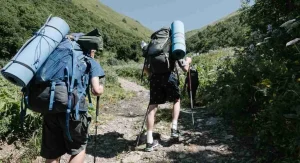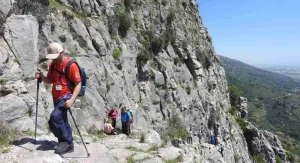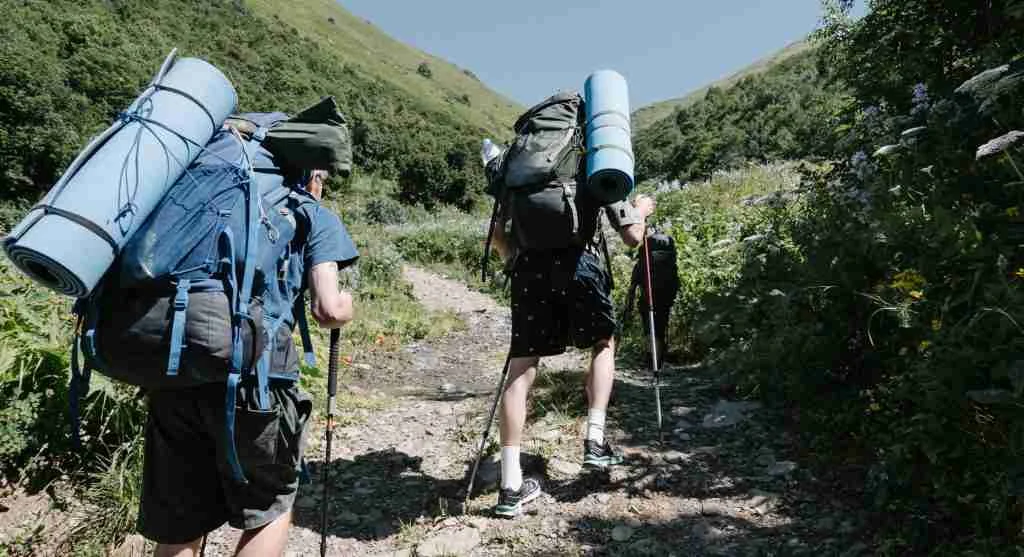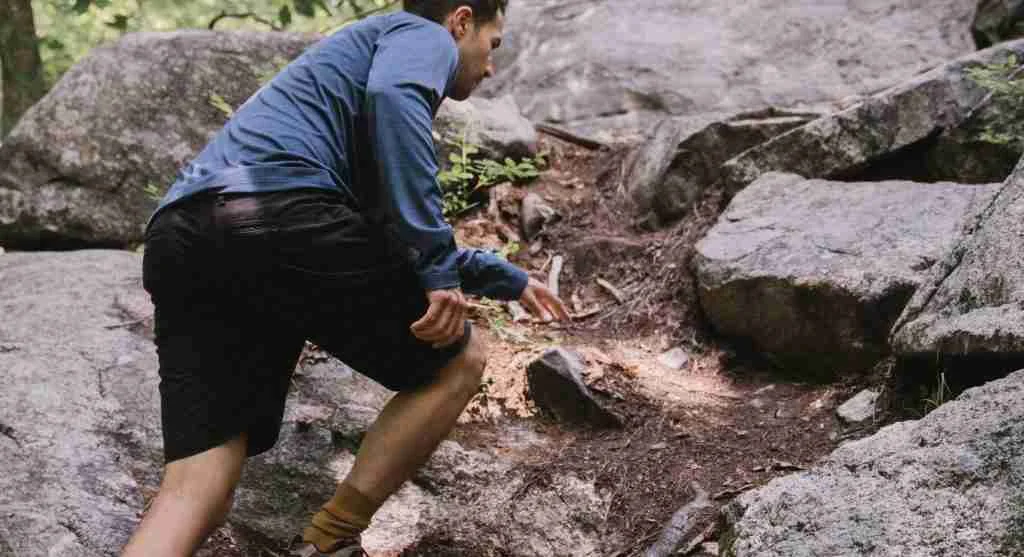

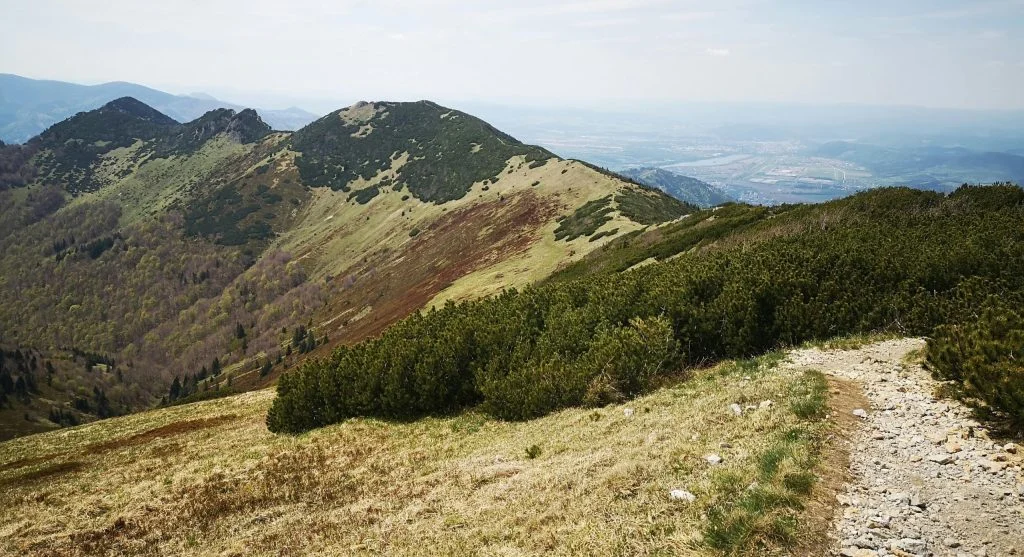
Checking phones on narrow trails often seems like a small pause that will last only a few seconds. A hiker may want to read a map, answer a message, take a photo, or check the time. On a narrow trail, though, even a short stop in the main walking line can quickly affect other people using the path. What feels minor to one person may create awkward passing, broken pace, or unsafe footing for someone else.
Outdoor educators often explain that hiking etiquette includes how hikers use shared space, not only how they pass each other. Park staff also note that narrow trails work best when movement stays predictable, and the tread remains as open as possible. This is why hikers usually help the trail most when they step aside before checking phones on narrow trails instead of stopping where others still need to move through.
Why checking phones on narrow trails creates problems quickly
Narrow trails usually give hikers very little extra room to work with. When someone stops in the center of the tread to look at a phone, the walking line can become blocked almost immediately. Hikers behind may need to slow sharply, step onto unstable edges, or wait in a section that was never meant for standing still.
Outdoor instructors often explain that this happens so quickly because narrow trails depend on constant, small movement. Even one person stopping in the middle changes the flow for everyone else nearby. The phone check itself may be short, but the effect on the trail can spread beyond that moment.
How shared trail safety depends on staying out of the main line
Shared trail safety often depends on keeping the most stable part of the route open for movement. On narrow trails, the best footing is usually in the center. When hikers stop there to check phones, others may need to pass on sloped edges, loose dirt, roots, or brushy ground. That increases the chance of awkward steps and small slips.
Trail safety specialists often explain that people do not always realize how much space they are taking because they are focused on the screen rather than on the trail around them. A hiker looking down at a phone may feel stationary and harmless while still blocking the only easy line through the section.
Why does phone use change awareness more than other short pauses?
Many short trail pauses still leave a hiker aware of what is happening around them. Phone use often reduces that awareness. The eyes drop, the attention narrows, and the hiker may stop noticing footsteps, voices, or approaching traffic as quickly as before. This is one reason checking phones on narrow trails creates a bigger etiquette problem than a normal glance around or a quick strap adjustment.
Outdoor recreation specialists often note that phones change how people hold themselves, too. A person looking at a screen may drift slightly wider, stop longer than planned, or remain in place after others are already trying to pass. That combination of blocked space and reduced awareness is what often makes the situation feel frustrating to other trail users.

How stepping aside improves trail courtesy for everyone
Stepping aside before using a phone is one of the simplest forms of trail courtesy. It tells other hikers that the person stopping understands the trail is a shared moving space. The phone use can still happen, but it happens without transferring the cost of that pause to everyone else on the route.
Outdoor guides often explain that small courtesy habits often matter most on narrow trails because there is so little extra room for correction. A hiker who steps two or three feet off the main line may completely change how easy the trail feels for everyone approaching.
Why narrow trails make small stops feel bigger
On wider paths, a quick phone check may barely matter. On narrow trails, the same stop often feels much larger because the trail has fewer options. Other hikers may not know whether to wait, squeeze by, or step into rough ground to keep moving. A small pause therefore becomes a bigger shared decision than the person checking the phone may realize.
Outdoor instructors often explain that this is why location matters more than intention. A hiker may not mean to block anyone. On narrow trails, though, good intentions do not create passing space. Only stepping aside does that.
How groups can make the problem worse without noticing
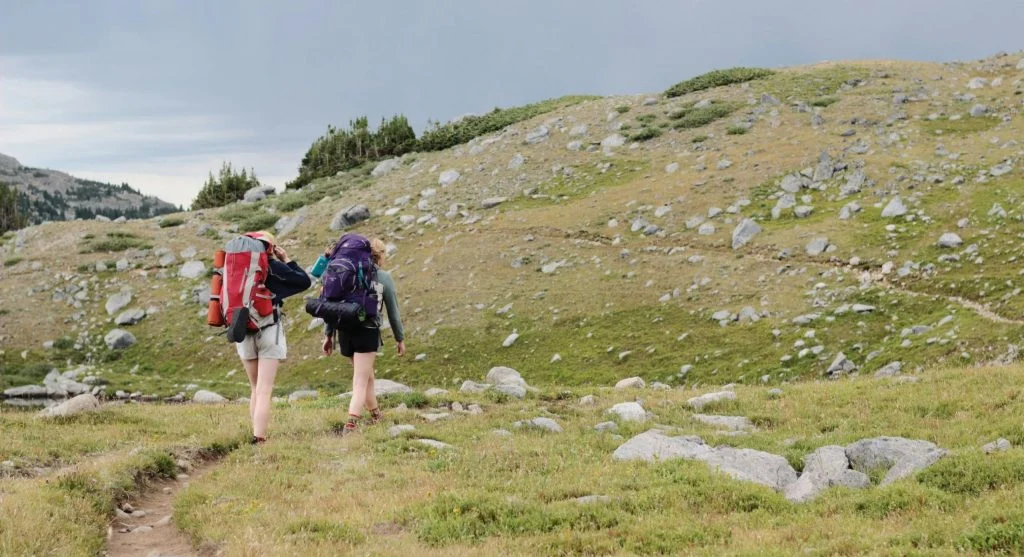
Groups often multiply this problem. One person stops to check a phone, another joins them, and soon several people are standing across the usable tread. Checking phones on narrow trails becomes more disruptive in group settings because the pause widens naturally and lasts longer than expected.
Group hiking leaders often note that this often happens near turns, viewpoints, or junctions where people are already slowing down. Moving the whole stop off the main line usually keeps the route calmer and prevents a simple phone check from turning into a full trail blockage.
Why maps and navigation checks still need better placement
Some phone checks are practical and important. Map reading, route confirmation, and weather checks all matter. The issue is usually not whether the hiker should use the phone. The issue is where that use happens. On narrow trails, navigation often works better when the hiker first finds a wider shoulder, turnout, or naturally safe pause point.
Outdoor educators often explain that a map check usually becomes more useful when the hiker is fully out of the flow anyway. The person can look carefully, think clearly, and avoid pressure from approaching trail users at the same time.
How hikers can tell whether a stop point is good enough
A useful rule is simple: if another hiker cannot move past comfortably without stepping off the tread, the stop point is probably not good enough. On narrow trails, that often means continuing just a few more steps until a wider patch, flatter edge, or natural turnout appears. Those small waiting moments usually protect both safety and courtesy.
Outdoor coaches often explain that hikers rarely need a perfect stopping area. They usually just need one that keeps the main walking line open. That small shift often solves the whole problem.
Why the best phone check is the one others barely notice
Strong trail etiquette often works quietly. A hiker steps aside, handles the phone task, and rejoins the route without forcing anyone else to stop or reroute. That kind of action is easy to overlook, which is exactly why it works so well. It keeps the trail feeling smooth instead of making one person’s pause everyone else’s problem.
Park staff often explain that the best shared trail habits usually feel almost invisible because they prevent disruption before it starts. Stepping aside before checking phones on narrow trails is one of those habits. It is small, practical, and often makes the full trail experience much better for everyone using it.
Frequently Asked Questions
Q: Is it okay to check a phone briefly on a narrow trail?
A: Yes, but it usually helps to step aside first. The main issue is not the phone itself. It is blocking the active walking line while using it.
Q: Why is phone use different from other short pauses?
A: Phone use often narrows attention more than other stops do. Hikers may become less aware of approaching people and less aware that they are blocking the trail.
Q: What if the phone is needed for navigation right away?
A: The best option is usually to move to a wider, safer spot first, then check the route. That often makes the navigation check easier and less disruptive too.
Q: Does this matter only on busy trails?
A: It matters most on narrow and shared-use trails, especially when other hikers may appear suddenly. Even lighter-traffic routes benefit from keeping the main tread open.
Key Takeaway
Checking phones on narrow trails is usually safer and more courteous when hikers step aside before stopping. Narrow routes depend on keeping the main walking line open, and phone use often reduces awareness more than hikers realize. In many cases, one small move off the tread protects both trail courtesy and shared trail safety at the same time.