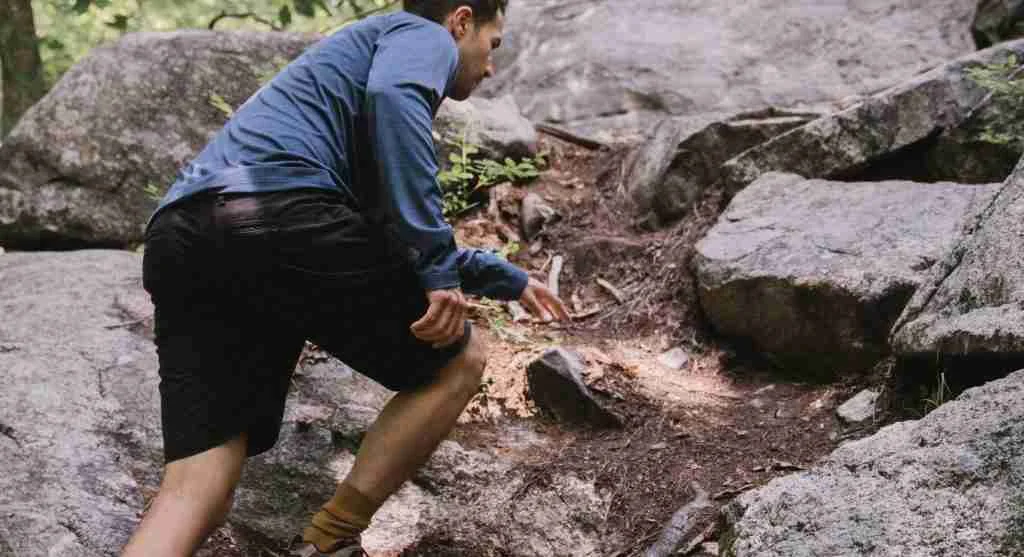

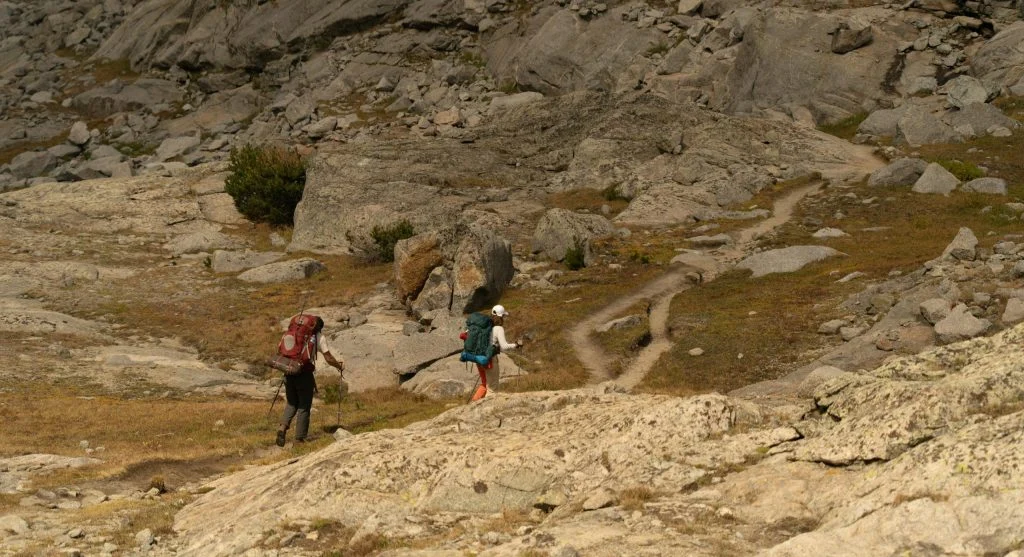
Some trail problems are easy to notice right away. A steep climb, muddy patch, or rocky descent usually gets attention quickly. Sideways-tilting trails are different. A trail can lean just enough to change how the body works without looking dramatic at first. Many hikers feel the result before they recognize the cause. One leg starts getting more tired, one hip feels tighter, or balance seems slightly less relaxed than it did a few minutes earlier.
Outdoor educators often explain that hiking balance awareness is not only about what is directly in front of the feet. It is also about how the whole trail is shaping the body underneath those feet. Movement specialists also note that side slope hiking often creates quiet extra effort because the body is no longer working evenly from left to right. That is why hikers often miss that a trail is tilting sideways until one side of the body has already started doing more work.
Why Hikers Often Miss That a Trail Is Tilting Sideways
One reason hikers miss this is that a side tilt often develops gradually. The trail may begin almost level, then slowly angle more toward one side. Because the change is not sudden, the body starts adjusting without drawing much conscious attention to it. The hiker keeps walking and only later notices that movement no longer feels as smooth as it did before.
Outdoor instructors often explain that the eye also tends to focus forward more than sideways. Hikers usually watch the next few steps ahead, not the exact angle of the whole trail surface under both feet. That makes it easy for a side-leaning path to affect posture before the mind clearly identifies what changed.
How Side Slope Hiking Changes the Body’s Effort
Side slope hiking often forces one leg to work from a slightly higher position and the other from a slightly lower one. This means the body is no longer pushing evenly from both sides. One ankle may need more control, one hip may need more stability, and one knee may begin handling repeated strain in a way that would not happen on level ground.
Movement educators often note that this kind of uneven trail effort does not always feel intense at first. It usually feels subtle. The problem is that subtle imbalance, repeated over many steps, can still create real fatigue, especially on longer sections where the slope never fully levels out.
Why One Leg Often Feels the Problem First
On a sideways-tilting trail, the body often loads one side differently with every step. The downhill leg may feel stretched and less stable, while the uphill leg may feel as if it is working harder to keep the body lifted and centered. Because these roles repeat again and again, one leg often starts feeling more tired before the hiker fully realizes the trail itself is causing the difference.
Outdoor coaches often explain that hikers sometimes blame themselves first. They may assume one side of the body is simply weaker or more tired that day. In many cases, the trail angle is the real reason the effort suddenly feels less even.
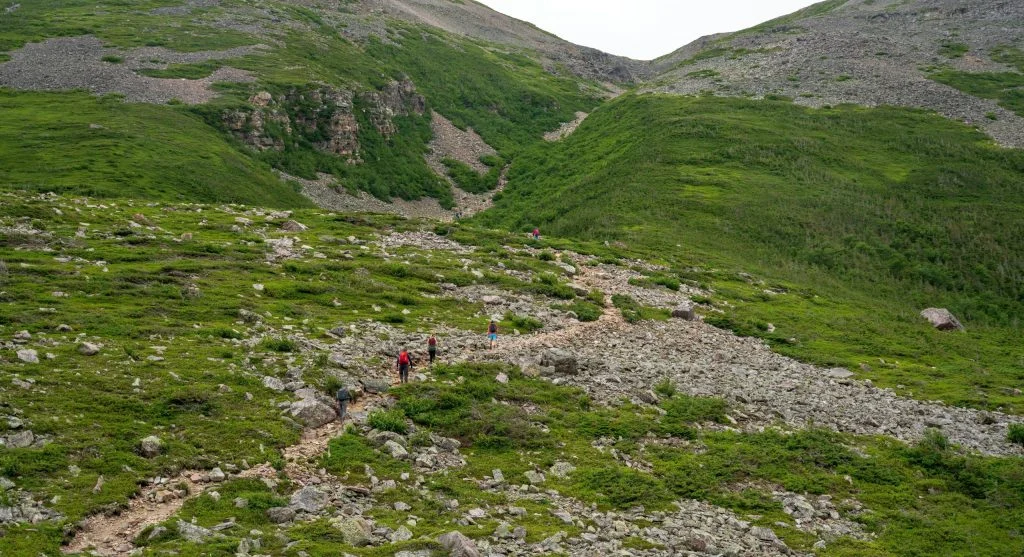
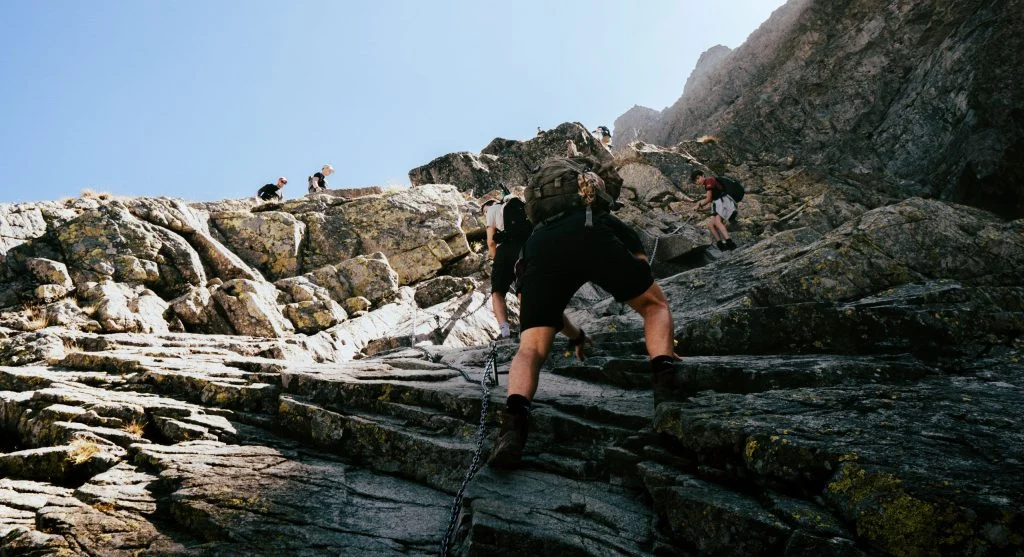
Frequently Asked Questions
Q: Why does one leg feel more tired on a sideways trail?
A: A tilted trail often loads each side of the body differently. One leg may work harder to lift and stabilize while the other handles more stretching or catching work.
Q: Can a side slope feel difficult even if the trail looks easy?
A: Yes. The surface may look simple, but the angle of the tread can still create uneven effort and balance work over many repeated steps.
Q: What is the first sign that a trail is tilting sideways enough to matter?
A: Common signs include less even steps, a slight uphill lean in posture, or one hip, calf, or leg beginning to draw more attention than the other.
Q: What helps most on side-tilting trails?
A: Many hikers do better with a slightly slower pace, more deliberate foot placement, and quick posture checks to avoid drifting into a one-sided movement pattern.