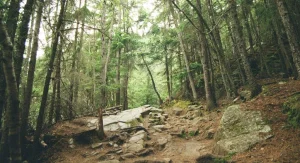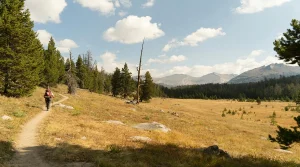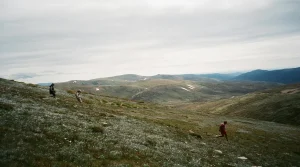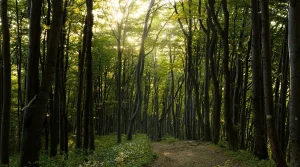

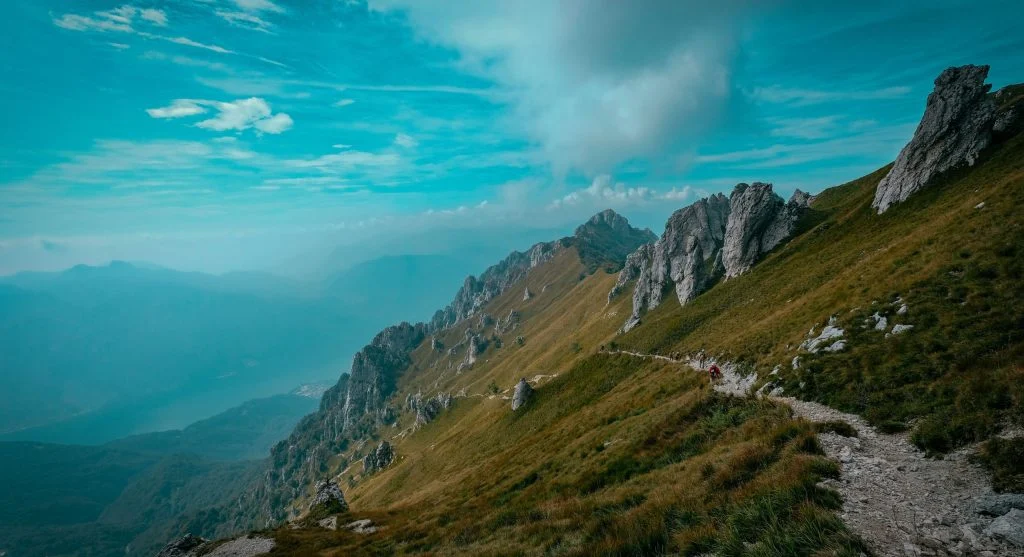
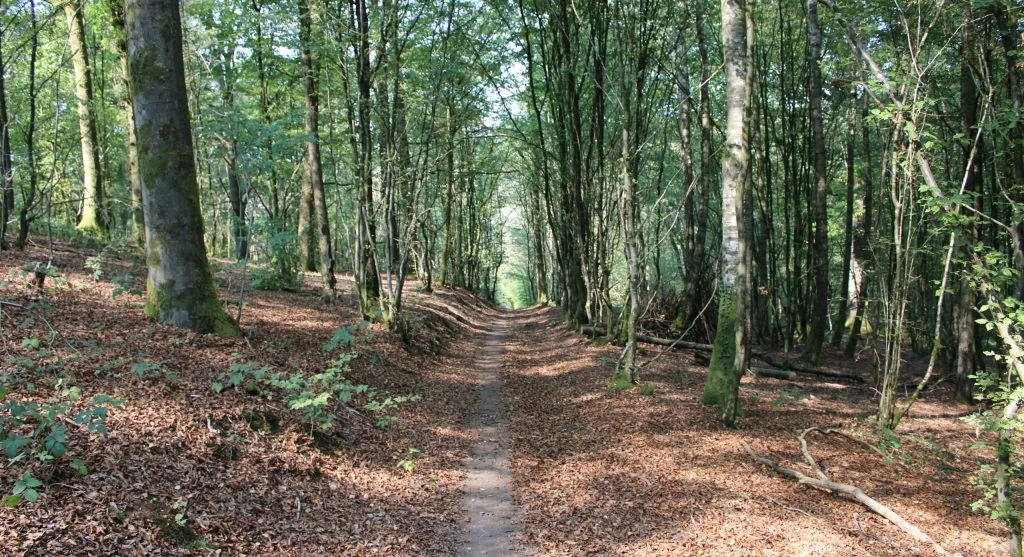
Many hikers notice that one section of a trail can feel much harder than another, even when the distance is about the same. A forest path may feel calm and manageable, but once the trail climbs onto an open ridge, the hike can suddenly feel more tiring. The footing may not be much worse, and the route may not even be noticeably steeper. Still, the body often senses the change almost immediately.
Outdoor educators often explain that hiking comfort is shaped by more than elevation and mileage. Weather specialists and trail guides also point out that open ridge trails expose hikers to wind, sun, and wider visibility in ways that affect both physical effort and mental pacing. That is why open ridge trails often feel more tiring than forest paths on the same hike.
Why open ridge trails often feel harder right away
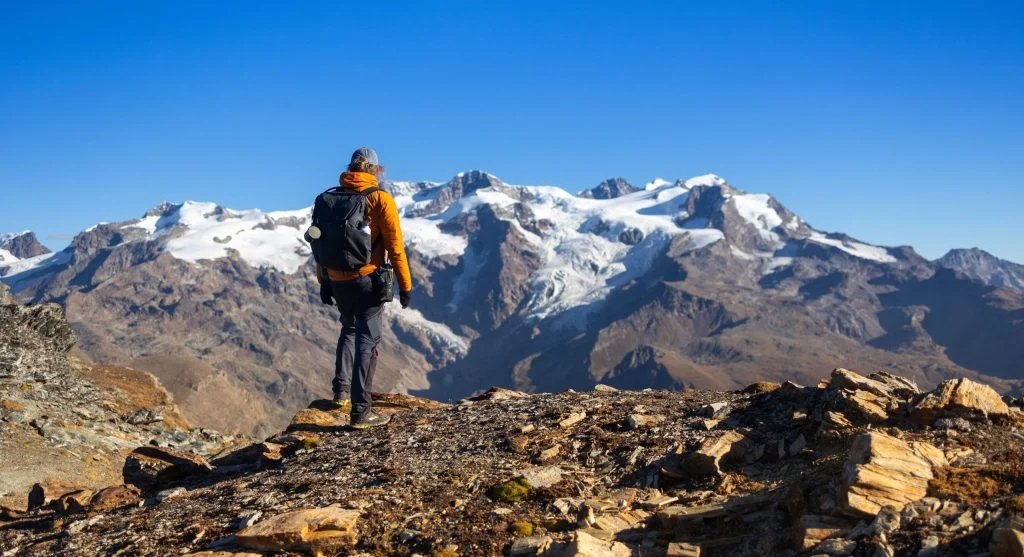
One reason open ridge trails feel harder is that they take away the shelter hikers had below. In the forest, trees reduce wind, soften sunlight, and make the route feel more enclosed. On a ridge, the body often feels far more exposed. Even if the trail itself remains moderate, the surrounding environment starts asking more from the hiker with every step.
Outdoor instructors often explain that this shift feels stronger because it happens quickly. A route can move from protected walking to fully exposed hiking in just a few minutes. That sudden change can make the ridge feel tougher than its basic trail features might suggest.
How wind changes exposed trail fatigue
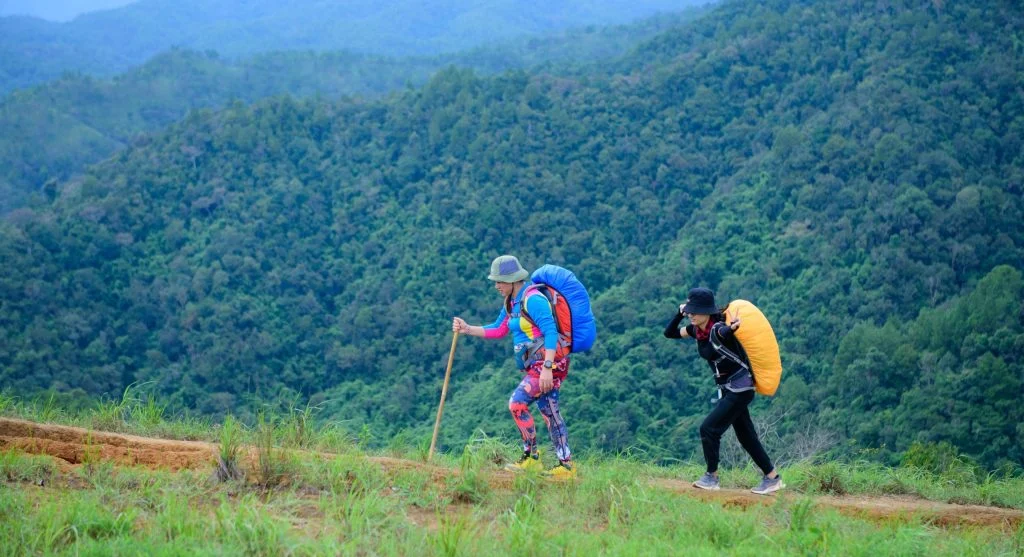
Wind is one of the main reasons open ridge trails feel more tiring than forest paths. Even a moderate breeze can make walking feel less efficient when it pushes against the body or slightly affects balance from one step to the next. On a ridge, wind usually reaches hikers more directly and more consistently than it does beneath tree cover.
Movement specialists often note that wind does not have to be intense to make a difference. It only needs to be steady enough to make posture, breathing, or balance work a little harder over time. That small added demand can build up across the entire ridge section.
Why constant sun exposure makes the ridge feel longer
Open ridge trails often bring more direct sunlight than the forested sections below. This changes how the body handles the hike. The same pace that felt comfortable in shade may start feeling heavier once the sun is hitting the body without a break. Heat builds more easily, water needs can increase, and short climbs may feel larger than they did earlier.
Outdoor health educators often explain that this is why exposed trail fatigue can feel stronger on ridges during late morning or afternoon. The trail may not be much longer, but the body now has to manage both the route and the sun at the same time.
How visual openness affects trail time perception
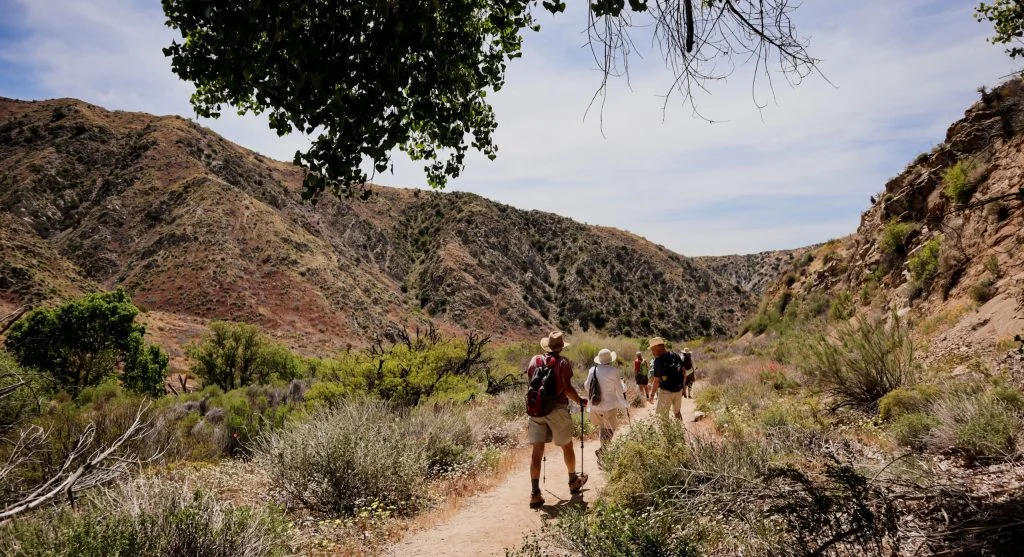
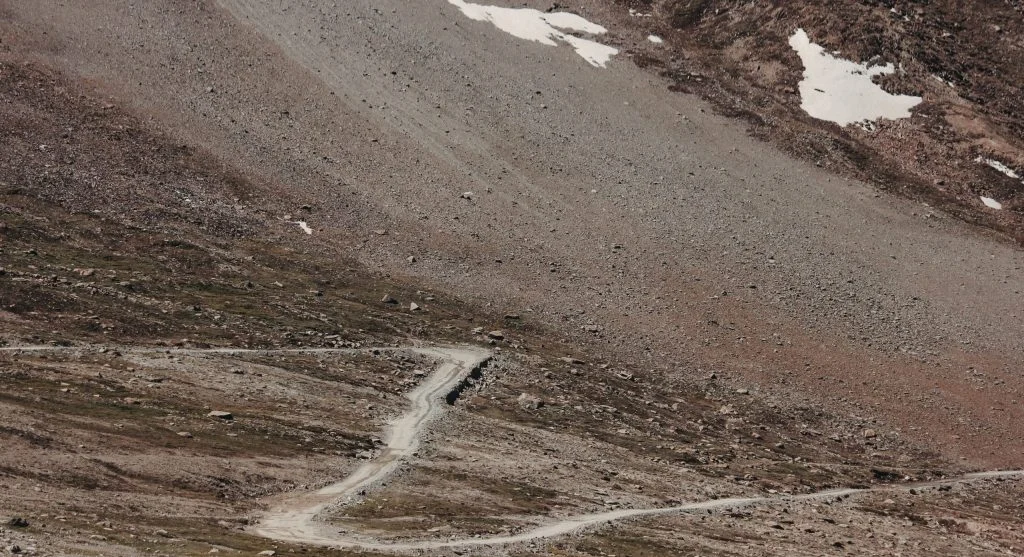
The way a trail looks can also change how tiring it feels. Forest paths usually divide the route into smaller visual sections. Trees, bends, and shifting shade make progress feel more contained. Open ridge trails often create the opposite effect. Hikers can see farther ahead, which can make the remaining distance feel more obvious and less forgiving.
Outdoor psychologists often note that open visibility can increase effort in subtle ways. When hikers keep seeing how much trail is still ahead, the route may feel longer and mentally heavier than a more enclosed path of the same length.
Why balance often feels different above tree cover
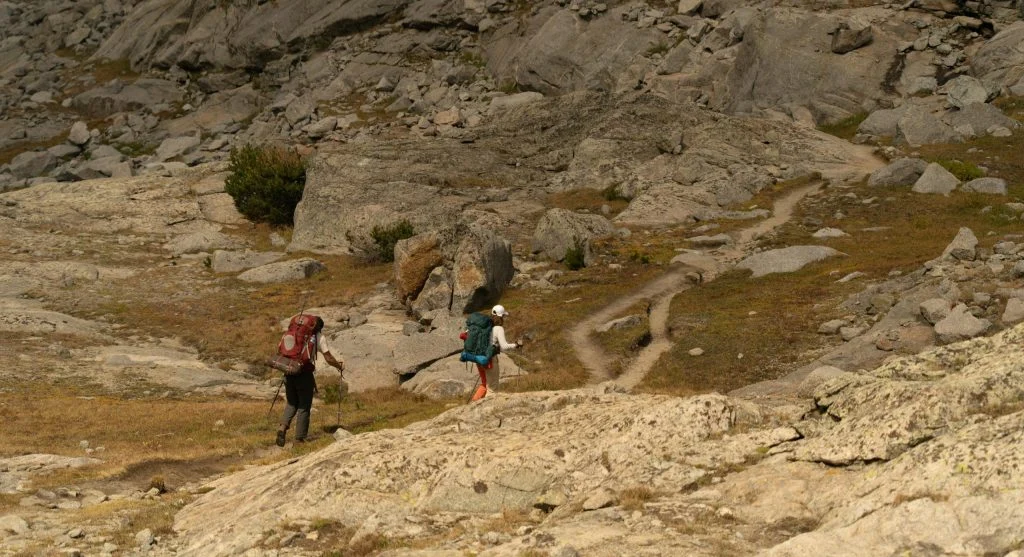
Balance can feel more demanding on ridges, even when the trail surface is not especially rough. Wind, narrower trail sections, and the feeling of openness can make hikers more aware of each step. That awareness is not always negative, but it can increase tension in the body and make movement feel less relaxed than it did in the forest.
Outdoor coaches often explain that people tend to move more naturally when the environment feels protected. On a ridge, hikers may shorten their stride, brace more through the upper body, or place their feet more carefully. These small adjustments can increase energy use without creating one obvious difficult obstacle.
How ridge sections can feel drier and more demanding
Open ridge trails often feel drier than forest paths. There may be less shade, less moisture held in the air, and more direct wind moving across the skin. This can make the route feel sharper and less comfortable, especially when hikers expect the higher section to feel cooler and easier simply because it sits above the trees.
Weather educators often explain that cooler air does not always mean easier walking. If the ridge combines wind, brightness, and full exposure, the body may still feel more tired there than it does on a slightly warmer but sheltered forest section.
Why transitions back into the forest can feel like relief
Many hikers notice quick relief when a ridge route drops back into the trees. The air may feel calmer, the light softer, and the trail somehow easier, even if it remains uneven. This often shows how much the ridge itself had been adding to the hike. The route did not suddenly become simple. The environment simply stopped demanding so much extra attention and adjustment.
Outdoor instructors often explain that this is one of the clearest ways to understand ridge fatigue. When the forest feels easier almost immediately, the ridge was likely asking more from the body than the map alone could show.
How hikers can manage open ridge trails better
The most useful adjustments are usually simple. A slightly calmer pace, earlier water breaks, and quicker responses to wind or sun changes often help the most. Hikers also tend to do better when they accept that ridge sections may need a more deliberate rhythm than the forest route below. Trying to keep the same forest pace on an exposed ridge often makes the section feel harder than it needs to.
Outdoor guides often recommend paying attention to the first signs of added strain. If the shoulders tighten, steps feel less smooth, or the route starts feeling mentally bigger, those are often useful clues that the environment is doing more work than it first seemed.
Why route planning should treat ridges as a different kind of trail
Good route planning often improves when hikers stop thinking of the trail as one uniform experience. A ridge is not just another part of the same path. It often behaves like a different trail type with different comfort demands. Open ridge trails may require more timing awareness, more respect for weather, and more energy margin than the sheltered sections around them.
Outdoor educators often explain that hikers usually make better decisions when they plan by environment as well as by distance. In many cases, that is the main reason one short ridge section can feel more tiring than a much longer walk through the forest.
Frequently Asked Questions
Q: Why do open ridge trails feel harder than forest trails?
A: Open ridge trails often expose hikers to more wind, direct sun, and visual openness. These factors can increase physical and mental effort even when the distance stays similar.
Q: Are ridge trails always steeper or more difficult?
A: Not always. Some feel harder mainly because of exposure rather than because of steepness or rough footing.
Q: Why does the forest feel easier after a ridge?
A: Forest paths often provide shade, calmer air, and a more enclosed route, which reduces the extra strain created by the exposed ridge environment.
Q: What helps most on an exposed ridge trail?
A: Many hikers do better with a calmer pace, earlier water use, and quicker adjustment to wind or sun instead of trying to hike the ridge exactly like the forest below.