
Trail scenery can change how long a hike feels in ways many people notice but don’t always put into words. Two trails might be the same distance and require similar effort, yet one feels like it passes quickly while the other seems to drag. Often, the difference comes down to how the surroundings influence attention, mood, and the sense of movement along the route.
Outdoor educators often point out that how a hike feels isn’t determined by mileage and elevation alone. Recreation specialists also note that enjoyment plays a role in how people remember time, effort, and comfort. This helps explain why scenery can make two similar routes feel very different.
Why trail scenery changes how long a hike feels in the first place
Hiking isn’t just about covering distance it’s also about what you notice along the way. The variety of views, how often the landscape changes, and how mentally engaging the route feels all shape the experience. Scenery influences perception because the mind is constantly reacting to what appears around each bend, climb, or open stretch.
Outdoor psychology specialists often explain that interest affects how we experience time. When the surroundings feel engaging and varied, attention stays on the moment rather than on how far is left. When the environment feels repetitive, it’s easier to focus on distance and time instead.
How changing views influence hiking perception
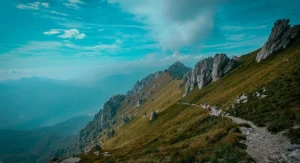
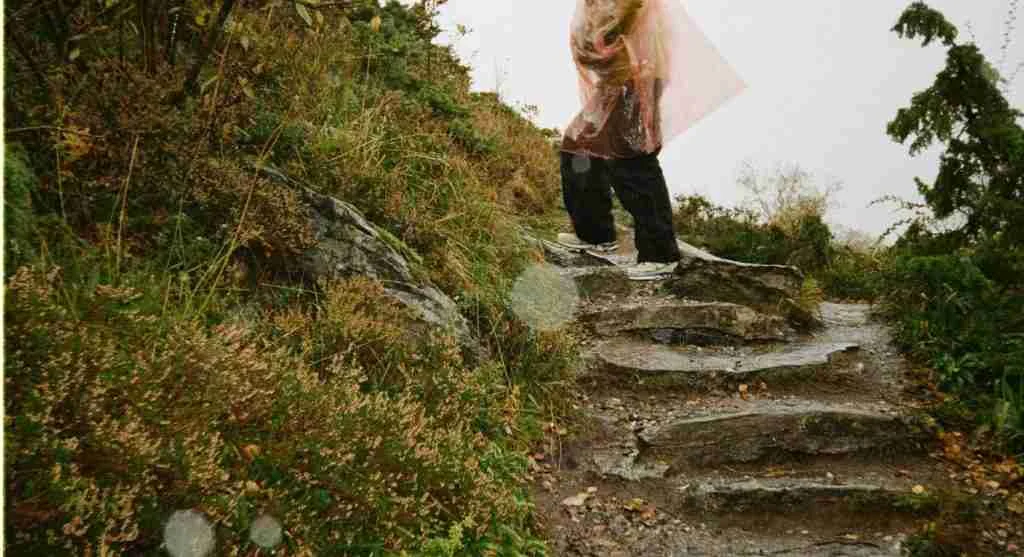
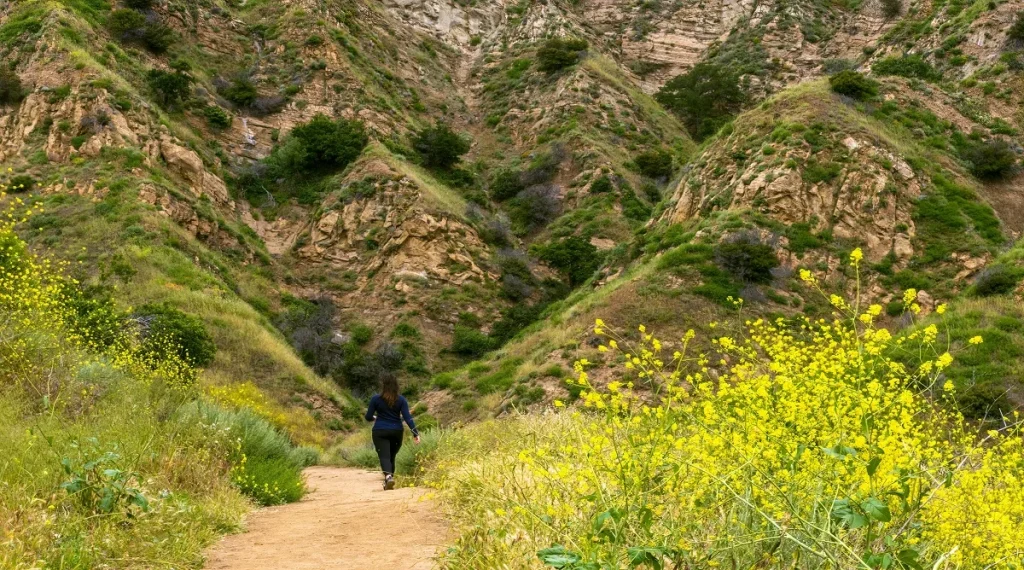
Trails with shifting views tend to feel more dynamic because they keep offering something new. Openings in the forest, ridgelines, streams, wildflowers, rock formations, and changing light all help keep the experience mentally active. When the scenery keeps changing, hikers are more likely to stay focused on what’s ahead rather than tracking progress too closely.
Outdoor guides often note that these changes don’t have to be dramatic. Even small variations in the landscape can make a hike feel shorter because they give the mind something to stay engaged with along the way.
Why repetitive scenery can make distance feel longer
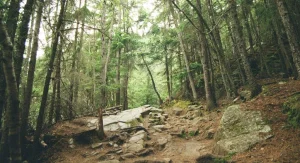
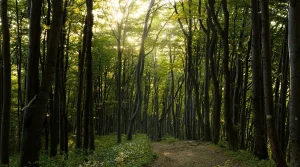
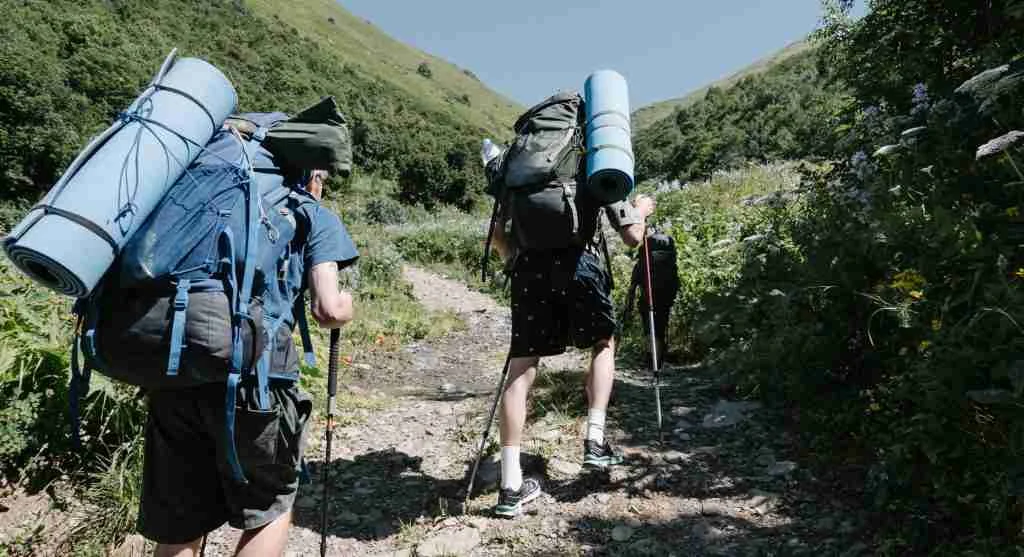
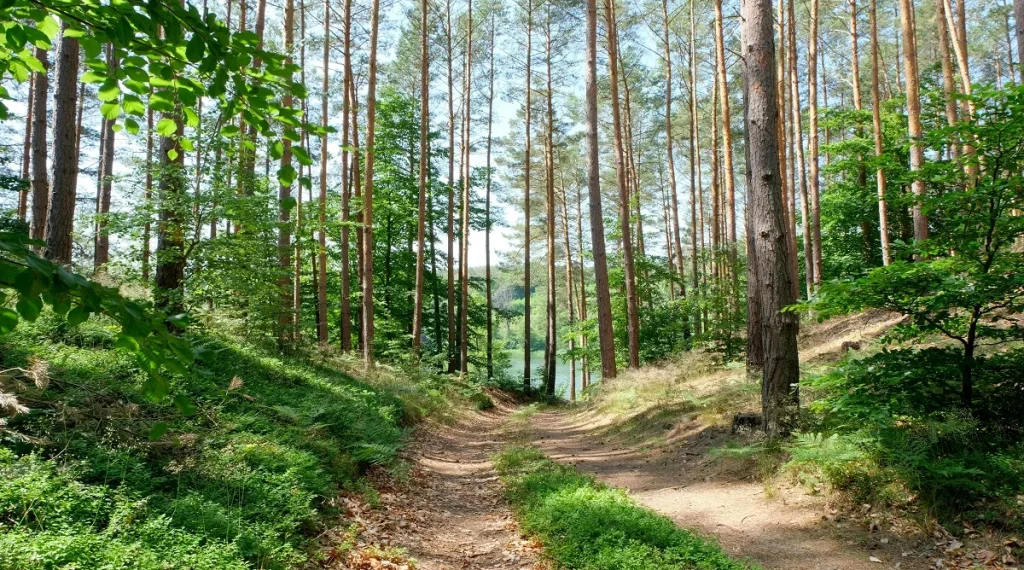
Trails with little visual variation can still be enjoyable, but they may feel longer because there are fewer signals of progress. Long straight paths, dense and unchanging tree cover, or stretches of similar terrain can make it seem like the trail isn’t changing much, even when steady progress is being made.
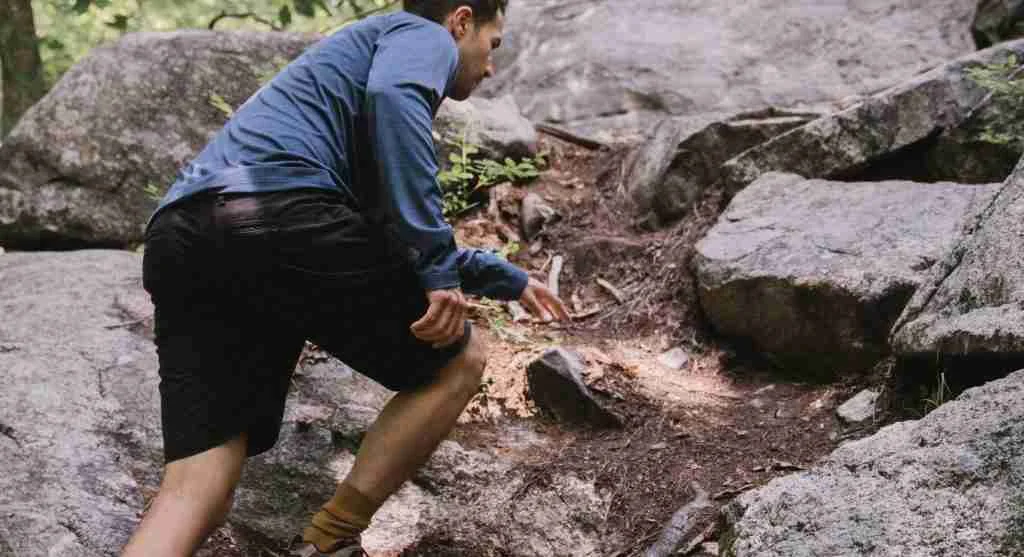
Recreation specialists often explain that this doesn’t make these trails worse it simply changes how time is experienced. When the scenery stays the same for long stretches, hikers are more likely to focus on effort, pace, or fatigue, which can make the distance feel longer.
Credit: Roman Biernacki / Pexels
How trail scenery affects motivation during the hike
Motivation often increases when the trail offers something to look forward to. A viewpoint ahead, a waterfall, a changing ridgeline, or an open meadow can all encourage steady progress. Scenery plays a role in how long a hike feels because it shapes whether the next stretch feels interesting or routine.
Outdoor educators often explain that it’s easier to stay motivated when the route provides small, visible rewards. Even subtle changes in the landscape can make the trail feel like it’s unfolding rather than repeating, which often improves the overall experience.
Why open landscapes and enclosed trails feel different in time
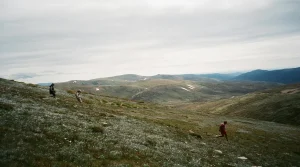
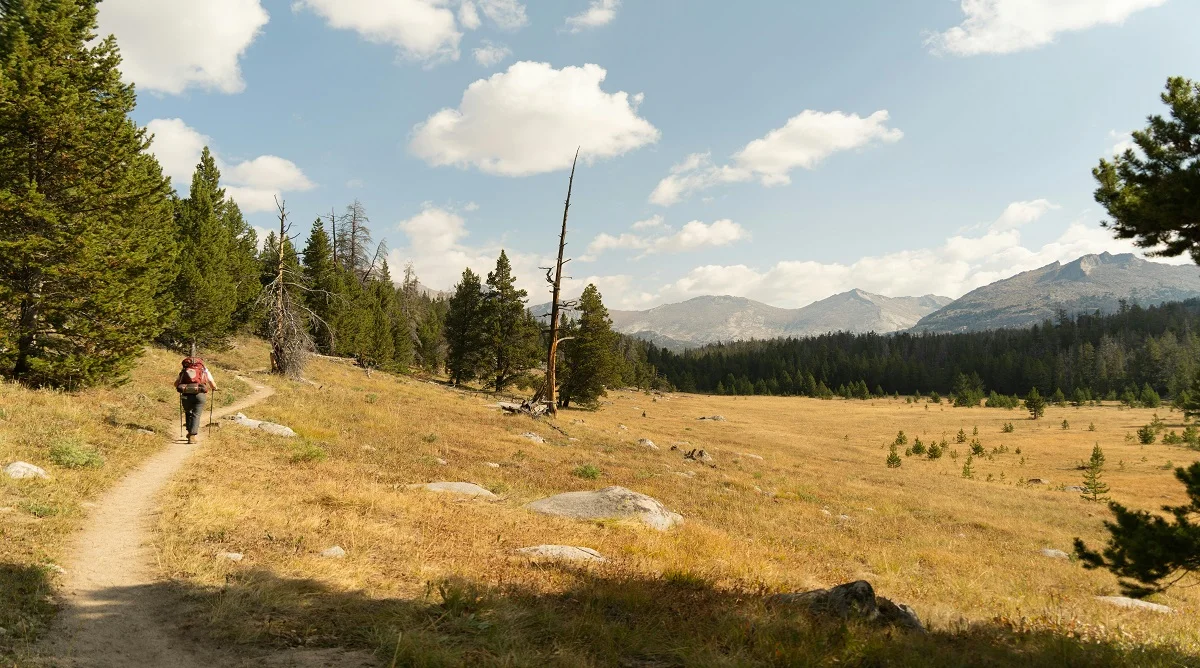
Open landscapes and enclosed trails tend to shape time in different ways. Wide, open views can feel expansive and memorable, but they may also make climbs seem longer since the terrain ahead is fully visible. Enclosed trails, on the other hand, often hide what’s ahead. This can make the hike feel shorter for some, or more repetitive for others, depending on the setting and the hiker.
Environmental specialists often note that neither type of trail is inherently easier. The experience depends on how each person responds to openness, variation, and visible distance. One hiker may find a ridge trail energizing, while another may prefer the steady, sheltered feel of a forest path.
How attention changes route enjoyment over time
Attention tends to shift during a hike. Early on, hikers often notice scenery more naturally. As fatigue builds, focus may move toward effort, pace, and how far is left. Scenery influences how long a hike feels because engaging surroundings can draw attention back outward when the mind might otherwise focus on tiredness.
Outdoor coaches often point out that while good scenery doesn’t reduce physical effort, it can change how that effort feels. A trail with engaging views often feels more balanced because it gives the mind something to focus on beyond fatigue.
Why memory of a hike is shaped by scenery too
After the hike, people usually remember specific scenic moments more clearly than the routine stretches in between. A lake view, a grove of old trees, a dramatic overlook, or shifting light can become the defining memory of the day. These moments can also shape how long the hike feels in hindsight.
Outdoor recreation researchers often explain that memorable features can make a hike feel richer and more rewarding, even if it required significant effort. This helps explain why longer scenic routes are sometimes remembered as easier or quicker than shorter, less varied ones.
How hikers can use this idea in route planning
Hikers often make better choices when they consider more than just distance and difficulty. If motivation, family comfort, or confidence is important, a trail with varied scenery may feel more enjoyable, even if it isn’t the shortest option. Since scenery influences how long a hike feels, it can be part of planning rather than just an added bonus.
Outdoor instructors often suggest matching the type of trail to the goal of the outing. A repetitive, steady trail may work well for a fitness-focused hike, while a route with changing views may be better for a family trip, a beginner outing, or a day when enjoyment and engagement matter more than speed.
Credit: David Brown / Pexels
Frequently Asked Questions
Q: Why does one hike feel shorter than another with the same distance?
A: Trail scenery, variety, and route enjoyment often change hiking perception. A more visually engaging route may feel shorter because attention stays on the experience instead of the distance.
Q: Do scenic hikes always feel easier?
A: Not always. Scenic routes can still be steep or demanding, but interesting surroundings often make the effort feel more worthwhile and mentally easier to manage.
Q: Can repetitive trails still be enjoyable?
A: Yes. Some hikers enjoy the calm rhythm of repeated forest or valley scenery. The main difference is that repetitive routes may make time feel more noticeable for some people.
Q: Should scenery be part of route planning?
A: Often yes. Since trail scenery changes how long a hike feels, it can help to choose routes that match the purpose of the outing, especially for beginners, families, or morale-focused hikes.