
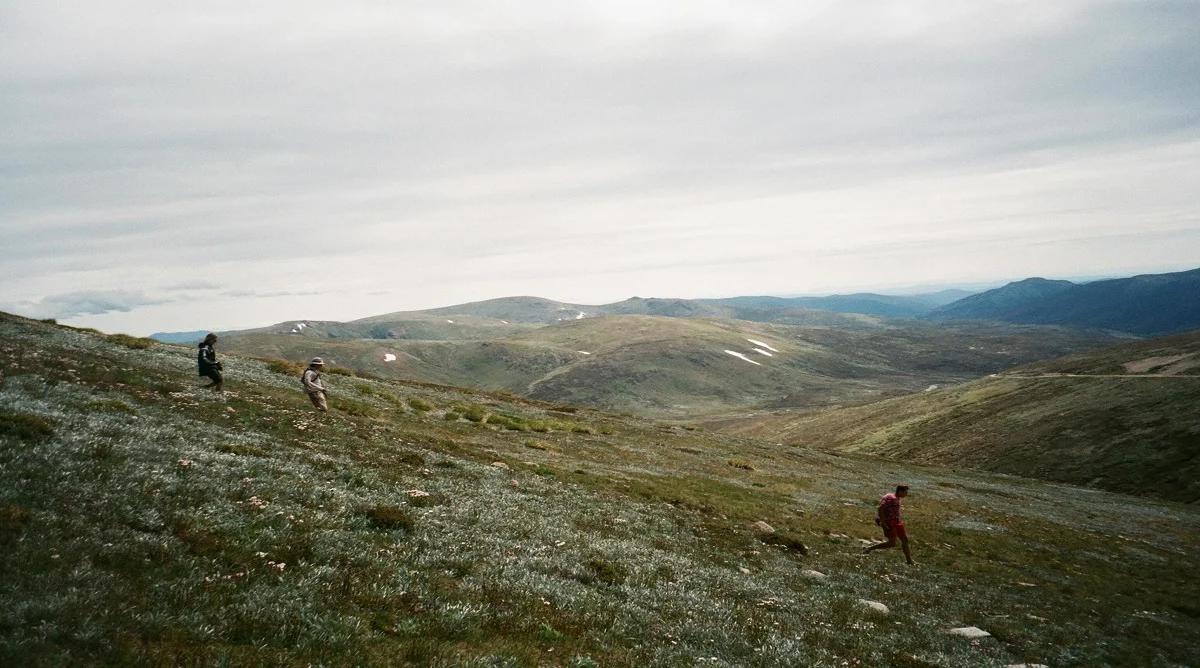
Open ridge trails can feel very different from forest routes, even when both hikes happen on the same day and cover a similar distance. The difference usually comes down to exposure rather than mileage. Wind, direct sunlight, wide-open views, and limited shelter all shape how the body moves and how each part of the trail feels.
Outdoor educators often point out that hiking terrain differences matter because the landscape itself influences effort just as much as the route. Park staff also note that hikers who feel comfortable in wooded areas may still find ridge hiking conditions more demanding, simply because the environment calls for a different kind of awareness and pacing.
Why Open Ridge Trails Feel More Exposed From the Start
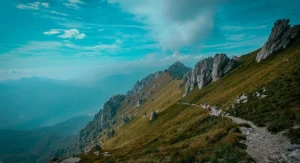
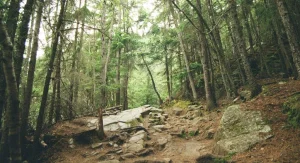
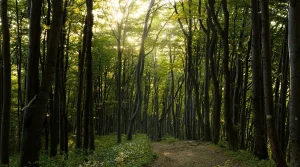
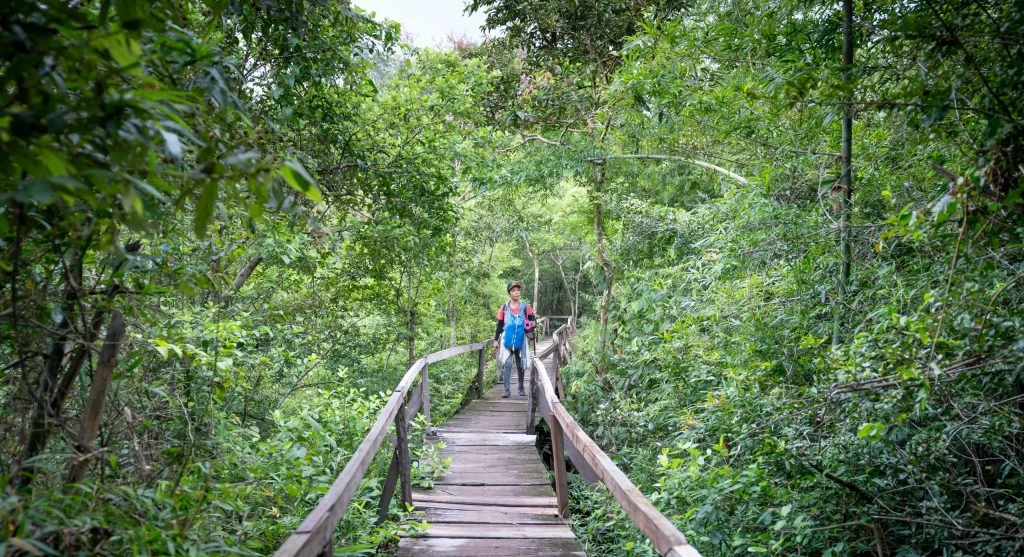
One of the most noticeable differences on open ridge trails is the lack of protection. Forest paths are often surrounded by trees and vegetation that block wind and filter sunlight. On a ridge, that natural shelter is mostly gone, leaving hikers more directly exposed to the elements.
Outdoor guides often explain that the body feels this change almost immediately. A day that seems mild at the trailhead can feel much hotter, brighter, or windier once you step onto open ground. This shift alone can make ridge routes feel more intense than nearby forest trails, even before the terrain becomes challenging.
How Wider Visibility Changes the Hiking Experience
Forest trails tend to limit how far you can see ahead, while ridge trails often open up to sweeping views of the surrounding landscape. This can be exciting, but it also changes how hikers perceive distance and progress. A point that looks close across open terrain may still take much longer to reach.
Outdoor psychologists often note that wide views can influence effort in different ways. They can feel motivating because of the openness and scenery, but they can also make climbs seem longer when the trail continues visibly beyond each rise.
Why Wind Matters More on Open Ridge Trails
Wind is often one of the biggest differences between ridge hiking and forest hiking. In wooded areas, airflow is usually broken up and less noticeable. On open ridges, wind tends to be steady and direct, affecting balance, comfort, and body temperature.
Outdoor safety specialists often point out that constant exposure to wind can quietly increase fatigue. The body is always making small adjustments to stay stable and maintain warmth or coolness. This is one reason ridge hiking conditions can feel more demanding than the same temperature would suggest in a sheltered forest.
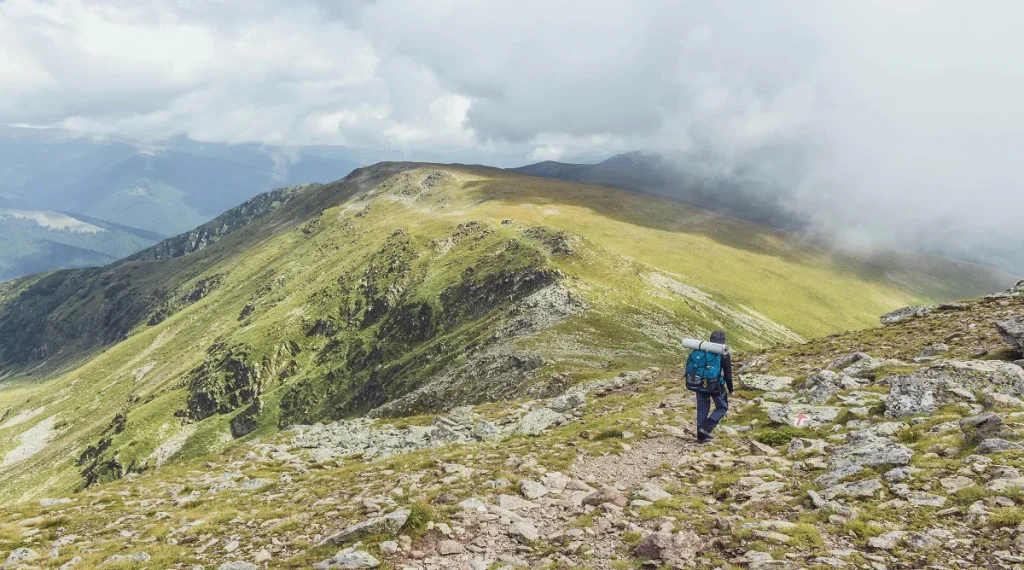
Credit: Vlad Bagacian / Pexels
How Direct Sun Changes Pacing and Hydration
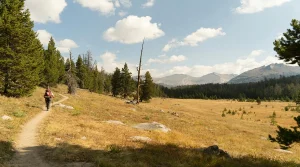
Sun exposure tends to feel stronger on open terrain. While forest trails offer shifting shade, ridge routes may provide little to no protection once you reach open ground. Because of this, open ridge trails often require more careful attention to pacing and hydration, as steady sun exposure can gradually increase physical effort.
Outdoor health educators often point out that this change isn’t always obvious right away. A hike may feel comfortable at the start, but heat, glare, and continuous exposure can slowly lead to fatigue if water intake and pace aren’t adjusted.
Why Footing Can Feel Different on Ridge Terrain
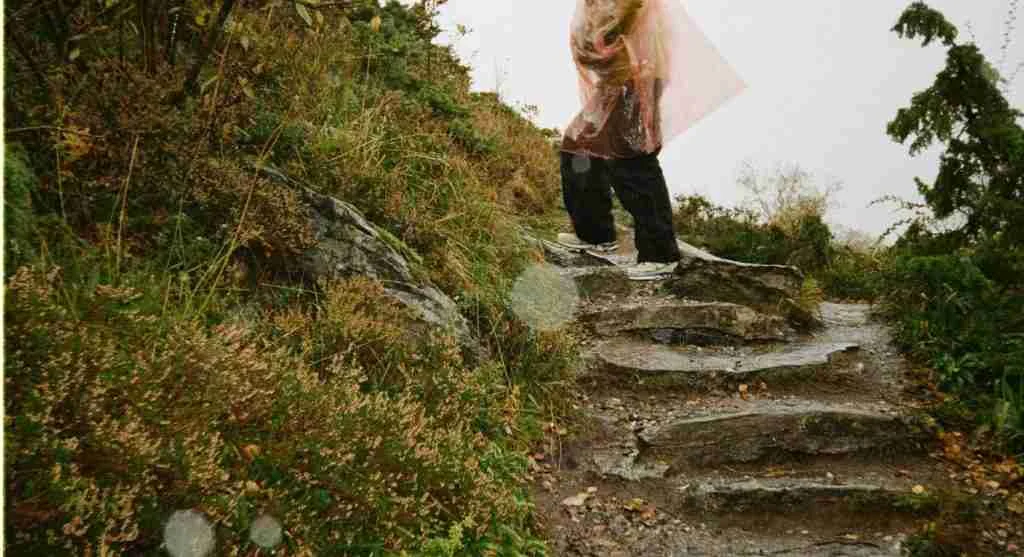
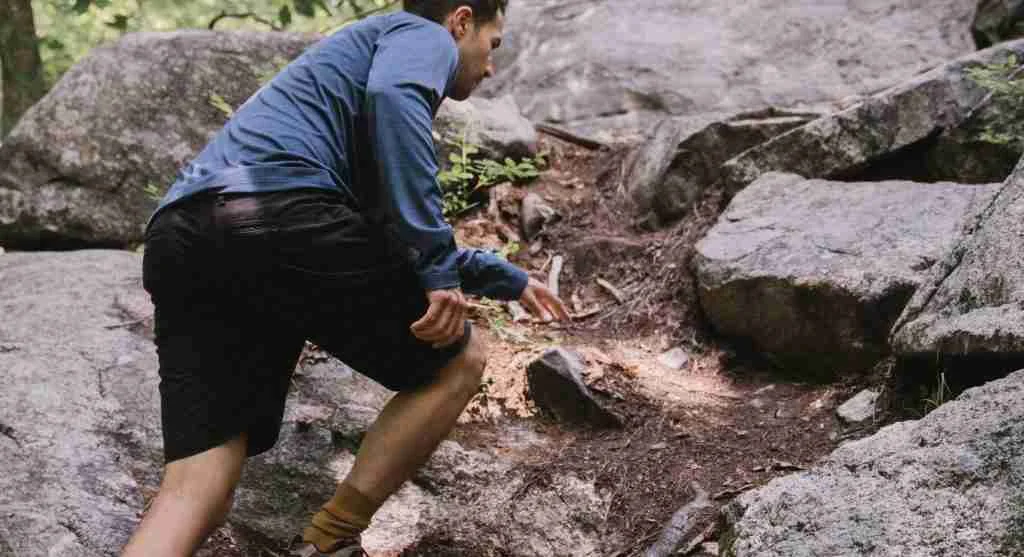
Ridge trails don’t always have more difficult footing than forest paths, but they often feel different underfoot. With less visual shelter and more open surroundings, surfaces like rock, gravel, dry grass, or narrow tread can seem more exposed—especially when the land drops away on one or both sides.
Trail safety educators often explain that footing is both physical and psychological. The same rocky section might feel manageable in a forest but more demanding on a ridge, simply because the environment makes each step feel more significant.
How Open Ridge Trails Affect Pace More Than Many Hikers Expect
Pacing on a ridge is influenced by more than just fitness. Wind, sun, expansive views, narrow trails, and the need for careful footing can all slow progress. Open ridge trails also tend to invite more stops—for photos, rest, or simply taking in the surroundings—which can further affect overall pace.
Fitness specialists often note that ridge hikes don’t always feel difficult because of one steep climb. Instead, the effort builds from several smaller factors that make it harder to settle into a steady rhythm like you might on a sheltered forest trail.
Why Confidence on Forest Trails Does Not Always Transfer Directly
Hikers who feel comfortable on forest trails sometimes expect ridge hikes to feel similar if the distance is the same. However, hiking terrain differences can significantly change the experience. Exposure to wind, stronger sunlight, and wide-open views often make ridge trails feel less forgiving, even when they aren’t more technical.
Outdoor instructors often recommend treating open ridge trails as a different environment altogether, rather than just a forest hike without trees. This helps hikers adjust their pace, gear, and expectations to match the actual conditions.
How Hikers Can Prepare Better for Ridge Hiking Conditions
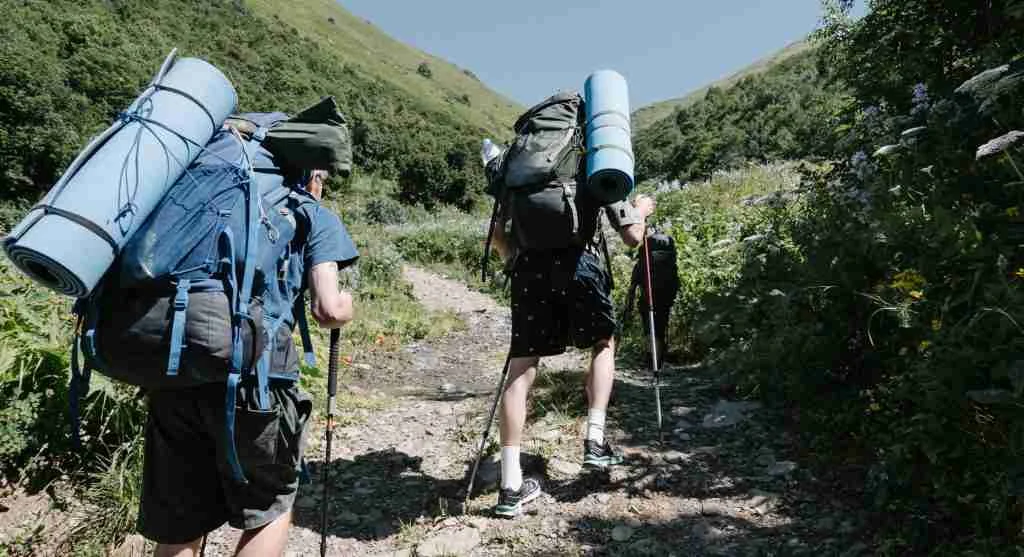
Preparation for ridge hiking usually begins with understanding exposure. Checking wind conditions, sun intensity, water needs, and timing becomes more important than it might be for a sheltered trail. Bringing an extra layer, carrying enough water, and setting a realistic pace often make a bigger difference than trying to move faster or cover more distance.
Outdoor educators often suggest breaking the route into sections. Where does the trail leave tree cover? How long does it stay exposed? Are there narrow or rocky stretches along the ridge? Asking these questions ahead of time can make open ridge trails feel more predictable and easier to manage.
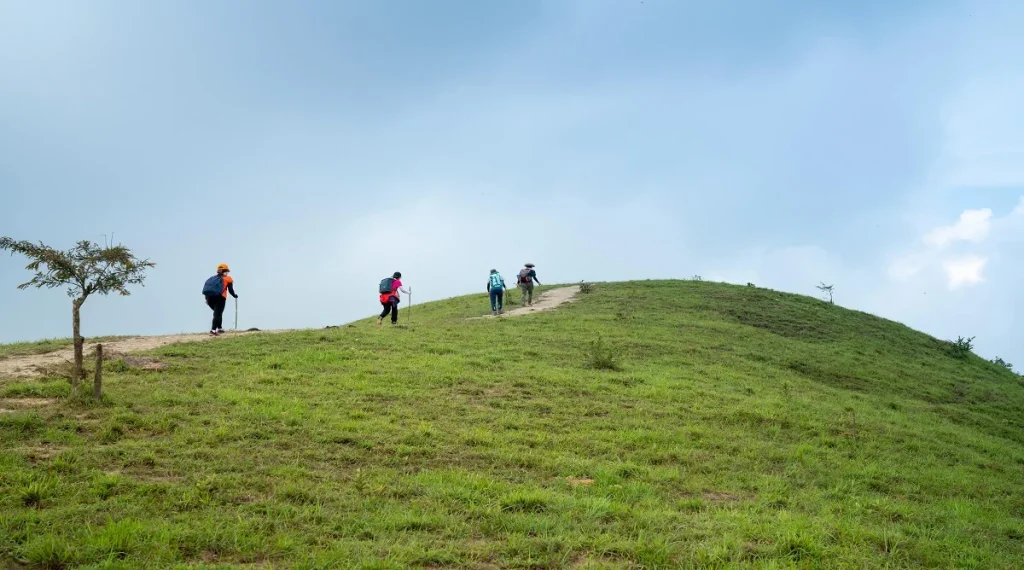
Credit: Quang Nguyen Vinh / Pexels
Frequently Asked Questions
Q: Why do open ridge trails feel harder than forest trails?
A: Exposure is often the main reason. Wind, direct sun, wider visibility, and less shelter can all make open ridge trails feel more demanding even on the same distance.
Q: Are ridge hikes always more dangerous?
A: Not always, but ridge hiking conditions often require stronger attention to weather, pace, and footing. Exposure usually leaves less room to ignore changing conditions.
Q: Why does pace slow down on open ridges?
A: Hikers often slow because of wind, narrow tread, sun exposure, and the need to watch footing more closely. Scenic stops and route awareness can also affect pace.
Q: What matters most before hiking a ridge trail?
A: Wind, sun, water needs, route exposure, and realistic timing often matter most. Preparing for the open environment usually improves comfort and control.