

Small timing delays on a hike often seem harmless at first. A longer stop at the trailhead, a few extra photos, a missed turn, or slower footing through one section may only add a few minutes here and there. But over time, these small changes can quietly reshape the entire outing, sometimes only becoming noticeable when the hike starts to feel rushed.
Outdoor safety educators often point out that hiking problems usually build from a series of small timing shifts rather than one major mistake. Park staff also note that hikers often begin with plenty of margin, then gradually lose it through delays that don’t feel significant on their own. This is why hiking safety timing matters well before the hike feels obviously late.
Why Small Timing Delays on a Hike Are Easy to Ignore
Small delays rarely seem serious in the moment. An extra five minutes at the start, a quick pause for photos, or a slower section on uneven ground can feel too minor to matter. The challenge is that these moments add up quietly, while the overall plan still feels mostly on track.
Outdoor instructors often explain that people tend to notice lost time only after their margin has already narrowed. A slightly late start might not feel important when the trail begins easily, but later it can have a bigger impact—especially as conditions change, pace slows, or daylight becomes limited.
How Hiking Time Management Affects the Whole Route
Hiking time management isn’t just about finishing by a certain hour. It also determines how much flexibility remains during the hike. When there’s extra time built in, the experience feels more relaxed—there’s room for slower sections, breaks, and unexpected route decisions. As time slips away early, that flexibility gradually disappears.
Outdoor guides often note that hikers with a time cushion tend to make calmer, more thoughtful choices. Without that margin, it’s easier to feel pressure—leading to rushed movement, skipped breaks, or pushing forward when conditions no longer match the original plan. The trail itself hasn’t changed, but the experience of it has.
Why Small Timing Delays on a Hike Can Affect Energy More Than Expected
As a hike starts running behind schedule, energy often becomes part of the issue. A hiker who planned for a steady pace may begin moving faster to make up lost time, which can increase fatigue. These small delays can create a chain reaction: less time leads to faster pacing, and faster pacing leads to earlier exhaustion.
Fitness specialists often point out that the body responds best to a steady rhythm. Trying to “catch up” on time usually requires more effort than expected, making the later stages of the hike feel harder than they would have with a consistent pace from the start.
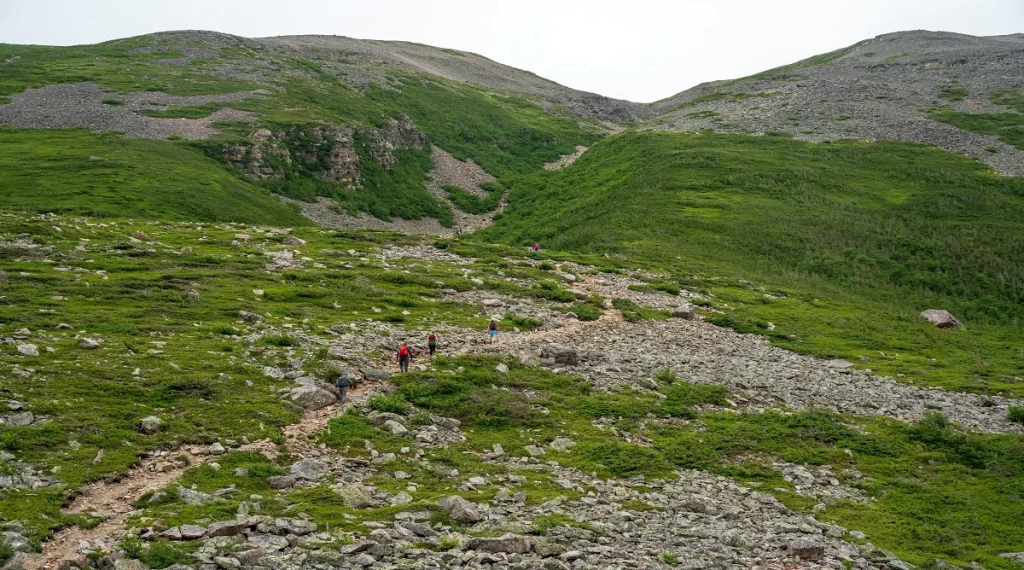
Credit: Hyukman Kwon / Pexels

Credit: Luis Andrade / Pexels
Frequently Asked Questions
Q: Why do small delays matter so much on hikes?
A: Small delays matter because they reduce the time margin that supports calm pacing, route checks, and daylight flexibility. Several short delays often create more pressure than hikers expect.
Q: What are common causes of small timing delays on a hike?
A: Common causes include late starts, longer breaks, missed turns, slow terrain, frequent photos, and repeated gear adjustments. Each may seem minor, but together they can affect the full outing.
Q: Should hikers try to make up lost time by walking faster?
A: Usually not. Faster pace often increases fatigue and can reduce awareness. Early reassessment and route adjustment usually work better than trying to recover lost time with extra speed.
Q: How can hikers manage timing better?
A: Hikers often do better when they start with some time margin, review progress during the route, and adjust the plan early if pace or conditions change. Simple awareness usually improves timing more than strict schedules do.