

Credit: Baihaki Hine / Pexels
How footing mistakes increase when the body gets tired
Footing often becomes less precise as fatigue sets in. Trail features that felt easy earlier like loose stones, roots, or small drops can start causing stumbles or awkward steps. One of the first signs of fatigue on hiking trails is reduced balance recovery and less careful foot placement.
Movement educators often explain that tired muscles react more slowly and correct less effectively. A hiker may still feel generally in control, but that control is usually less stable than it was earlier in the hike.
Why tired hikers may delay useful breaks
Many hikers delay breaks even when they need them. Some want to finish the trail quickly, while others worry that stopping will make it harder to start again. Fatigue often narrows thinking in this way, focusing attention only on getting through the moment instead of improving the next part of the hike.
Outdoor fitness specialists often note that short, well-timed breaks can restore awareness and reduce risk. A quick pause for water, food, or a calm check of the route can improve clarity more than pushing forward while tired.
How fatigue changes group decisions on the trail
Fatigue doesn’t affect everyone equally in a group. One person may still feel strong while another becomes quieter, slower, or less willing to speak up. This can reduce communication, especially if someone avoids mentioning discomfort to keep the group moving.
Outdoor leaders often recommend checking in before fatigue becomes obvious. Addressing small issues early helps prevent larger problems later. Group decision-making is usually strongest when people speak up before tiredness affects patience or confidence.
Why weather and time pressure make fatigue more serious
Fatigue becomes more significant when combined with factors like heat, wind, fading daylight, or a tight schedule. These conditions reduce the margin for small mistakes. What feels manageable on its own can become more serious when layered with environmental pressure.
Outdoor safety educators often explain that fatigue should be treated as useful information. It can signal that pace, timing, or even the plan itself may need adjustment before the situation becomes more difficult.
How hikers can protect better judgment before fatigue builds too far
Hikers tend to make better decisions later in the day when they protect energy early. A steady start, regular hydration, timely snacks, and short breaks taken before exhaustion all help maintain both physical and mental clarity. Choosing a realistic route also plays an important role.
Outdoor instructors often suggest simple self-checks during a hike: Is the pace still steady? Are route checks still clear? Has footing become less precise? These small questions can reveal early signs of fatigue before it begins to affect decision-making more seriously.
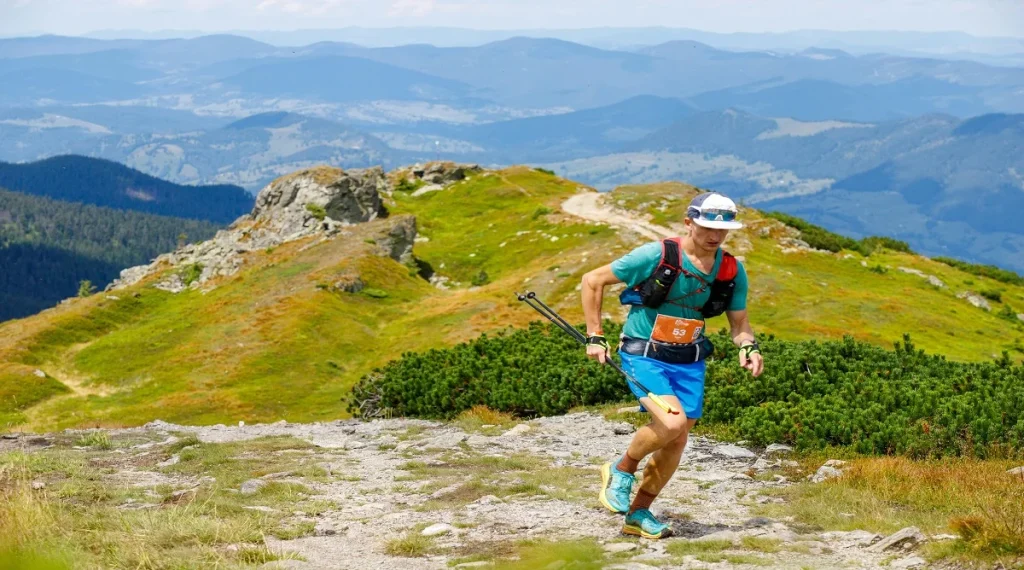
Credit: Alin Serban / Pexels
Frequently Asked Questions
Q: Why does fatigue affect trail decisions so much?
A: Fatigue can reduce attention, patience, and physical control at the same time. That often makes simple trail choices feel harder later in the day.
Q: What are signs that fatigue is affecting hiking decision making?
A: Common signs include rushing route checks, misjudging distance, making more footing mistakes, or avoiding useful breaks even when the body clearly needs one.
Q: Does fatigue matter on easy trails too?
A: Yes. Even easy trails can become harder when tired hikers stop noticing signs, pace changes, or unstable footing. Fatigue often changes how a familiar trail feels.
Q: What helps reduce the effects of fatigue on hiking trails?
A: Early pacing, regular hydration, snacks, short breaks, and realistic route timing often help protect both energy and judgment throughout the hike.
Key Takeaway
[INTERNAL LINKING SUGGESTIONS]
- Why Small Hiking Mistakes Slowly Drain Energy on the Trail
- How to Pick a Turnaround Time Before a Hike So the Return Feels Less Rushed
- Why Hikers Feel More Tired After Descents Than They Expected