
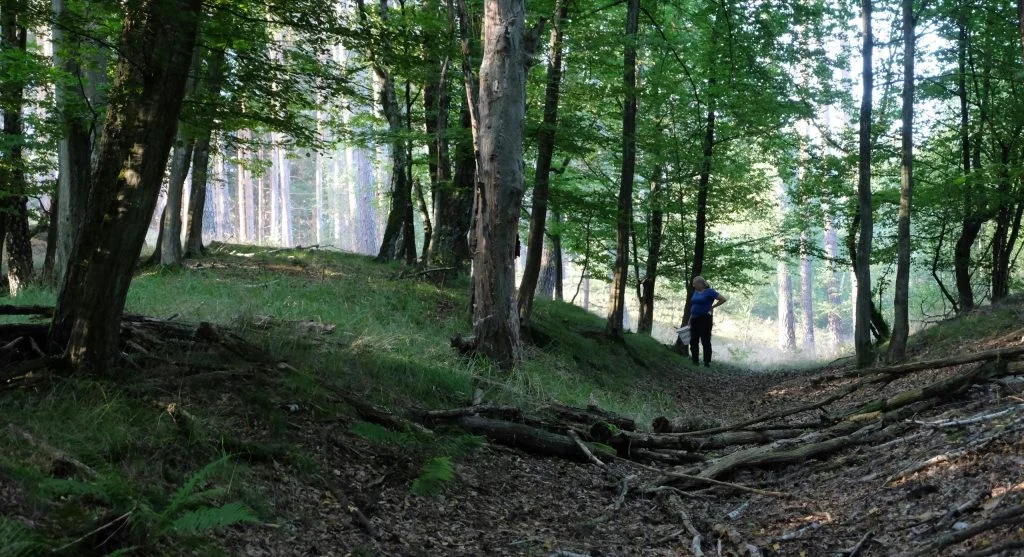
Trails with late shade often look manageable on paper, especially when the route includes cooler forest sections later in the day. Many hikers assume that the promise of shade ahead will balance the warmth at the start. On warm days, however, the hardest part of the hike may happen before that relief arrives. By the time the trail finally cools down, the body may already be carrying more heat and fatigue than expected.
Outdoor educators often explain that hiking route planning works best when exposure timing is taken seriously, not only total distance or elevation. Weather specialists also note that the body usually feels the early sun more strongly when the route offers little protection in the opening miles. This is why trails with late shade can feel much harder than they first appear on maps or trail descriptions.
Why do trails with late shade feel harder than expected
One reason trails with late shade feel harder is that the body usually meets the warmest or brightest part of the route before it has fully settled into the day. A hiker may start with good energy, but early exposure can steadily raise effort from the very beginning. Once that effort builds, the later shaded portion often feels more like recovery than like normal hiking comfort.
Outdoor instructors often explain that people usually imagine shade as part of the full trail experience. In reality, shade that arrives late may not help the opening section much at all. The route can already feel demanding before the cooler portion begins.
How early trail sun exposure changes the whole hike
Trail sun exposure often shapes the full outing more than hikers expect because the body responds to it gradually. Direct light, brighter ground, and warmer air can make pace feel slightly heavier even when no single moment feels severe. On trails with late shade, that small extra effort often continues long enough to affect the rest of the route.
Fitness specialists often note that the body does not need extreme heat to feel the difference. Even moderate warmth can make a trail feel harder when exposure begins early and stays steady through the first major section of the hike.
Why warm day hiking feels different before shade appears
Warm day hiking often feels most manageable when shade appears regularly enough to interrupt heat buildup. Trails with late shade remove that pattern. The body may keep moving in bright conditions for long stretches without the small cooling reset that tree cover often provides. That can make even a moderate route feel less forgiving than it would under mixed sun and shade.
Outdoor health educators often explain that hikers may not notice this right away because the start still feels fresh. The challenge is that the body is already spending energy on temperature management before the trail even reaches its more sheltered sections.
How pace slips before hikers fully notice it
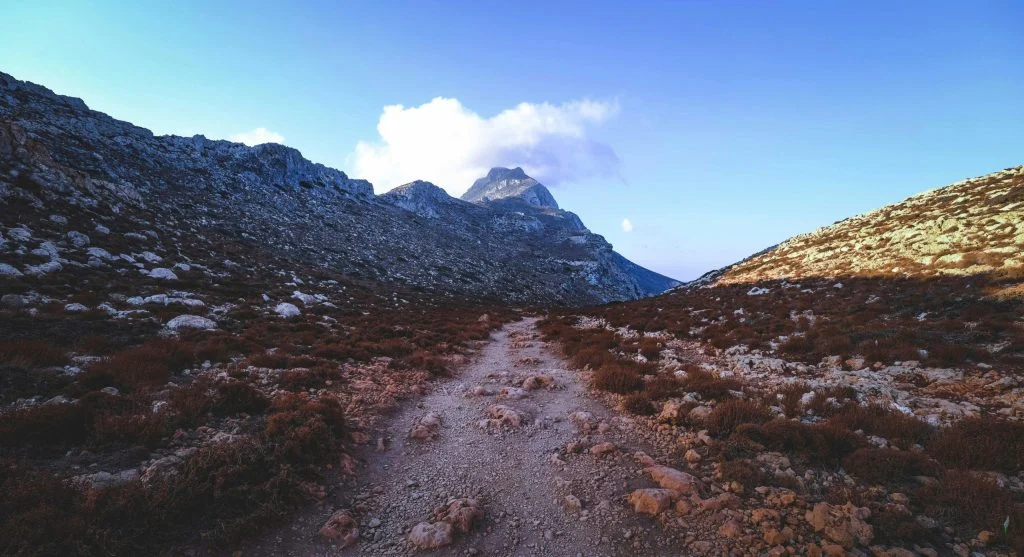
Pace often changes quietly on exposed trails. A hiker may shorten stride slightly, pause a little longer, or move less smoothly on small rises without recognizing the pattern right away. Trails with late shade often create this kind of hidden slowdown because the body is adjusting to warmth before the mind has clearly labeled the trail as difficult.
Outdoor coaches often explain that this is why the route can feel confusing later. The hiker may wonder why the trail suddenly feels longer when the real change actually began much earlier in the exposed section.
Why later shade does not fully erase earlier fatigue
Shade helps, but it usually does not remove what the first exposed section already cost. Once the body has spent time warming up under direct sun, later cooler trail sections often feel better without fully restoring lost energy. Trails with late shade therefore tend to feel harder because the relief comes after the most tiring pattern has already shaped the day.
Outdoor educators often note that hikers sometimes overestimate what late shade can fix. It can improve comfort and mood, but it rarely resets the full energy pattern of the hike once early effort has already accumulated.
How exposed climbs make late shade routes even harder
Exposure matters even more when the sunny opening section also climbs. An uphill route in direct light asks the body to handle both elevation effort and temperature strain at once. Trails with late shade can therefore feel especially demanding when the first major climb arrives before the first real cooling section.
Movement specialists often explain that a hiker may reach the shaded part already carrying heavier legs and warmer body conditions than the map alone would have suggested. That often changes how the rest of the trail feels, even if it becomes physically easier after that point.
Why hikers often underestimate late shade trails during planning
Many hikers look at a route description and notice that the trail includes woods, creek crossings, or forest canopy farther in. That sounds reassuring. The problem is that warm day hiking depends not only on whether shade exists, but on when it begins. If the first useful cover arrives too late, the route may still feel much harder than expected.
Outdoor planners often explain that timing matters just as much as shade amount. A trail with early intermittent shade may feel much easier than a trail with more total shade that comes only after the body has already spent a long stretch in bright sun.
How hikers can plan better for trails with late shade
Better planning often starts with asking where the first meaningful shade begins, not only whether the trail includes shade somewhere. Hikers often do better when they treat the exposed opening as the part of the trail most likely to shape pace, water use, and overall comfort. That often leads to calmer starts and more realistic expectations.
Outdoor instructors often recommend earlier starts, easier initial pace, and more attention to water during the exposed first section. These simple changes often make late shade routes feel much more manageable once the cooler sections finally arrive.
Why the hardest part of the trail is sometimes the beginning
Many hikers expect a route to feel hardest near the middle or near the steepest section. On warm days, trails with late shade often reverse that pattern. The opening exposed stretch may quietly become the most important part of the hike because it determines how much energy remains once the route begins offering relief. When hikers recognize that, the trail usually makes much more sense.
Outdoor coaches often explain that the best pacing decisions often happen before the trail feels difficult. That is especially true here. By the time the later shade feels helpful, the early section has already decided whether the day will feel smooth or heavier than expected.
Frequently Asked Questions
Q: Why do trails with late shade feel harder on warm days?
A: They often expose hikers to longer early sun before cooling relief arrives. That early exposure can raise fatigue and slow pace before the shaded section begins.
Q: Does later shade still help?
A: Yes, but it often helps more with recovery than prevention. By the time hikers reach it, the body may already be carrying heat and effort from the exposed start.
Q: Are these trails always difficult?
A: Not always, but they are often more demanding than they look when the first meaningful shade comes late and the opening section is warm or exposed.
Q: What helps most on routes with late shade?
A: Many hikers do better with an earlier start, a calmer opening pace, and steadier water use before the first shaded section begins.
Key Takeaway
Trails with late shade can feel much harder than they look because warm early exposure often shapes the whole hike before relief arrives. Trail sun exposure matters not only by intensity but by timing, and late shade often helps after fatigue has already begun building. Hikers usually handle these routes better when they plan for the exposed beginning instead of counting on the cooler ending to balance it out.