
Forest trails feel cooler and slower than open routes on many hiking days, even when both paths cover a similar distance. Hikers often notice the difference quickly. The shaded trail may feel calmer and more comfortable, while the open route may feel brighter and faster to move through. That contrast is not only about temperature. It is also about how the ground, light, and walking rhythm change under tree cover.
Outdoor educators often explain that trail comfort differences come from more than mileage or elevation. Park staff also note that shaded hiking trails often create a different physical and mental pace than exposed routes do. This is why a forest path can feel easier on the body in one way and slower underfoot in another.
Why forest trails feel cooler and slower right away
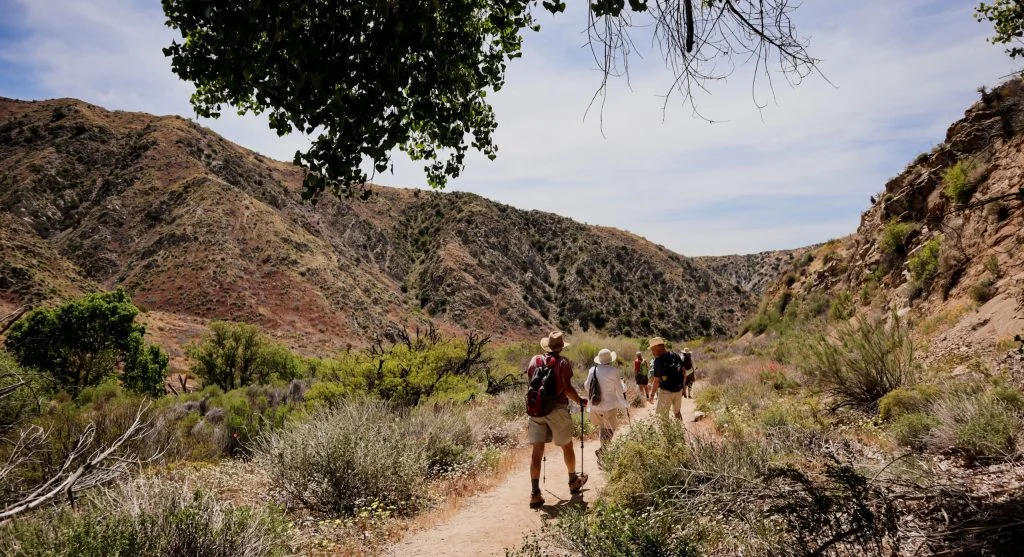
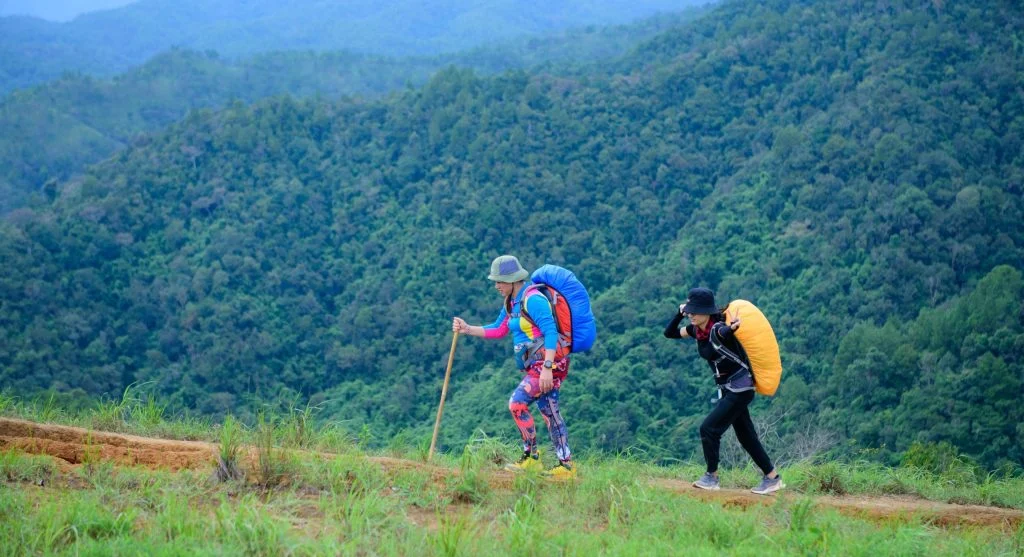
One reason forest trails feel cooler and slower is that trees change the full environment around the hiker. Shade reduces direct sun, the ground often holds more moisture, and the trail may feel more enclosed. These factors often make the route feel gentler on warm days. At the same time, they also reduce the open visual flow that often makes exposed routes feel faster.
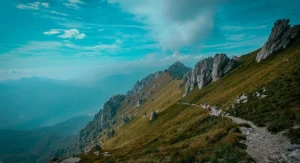
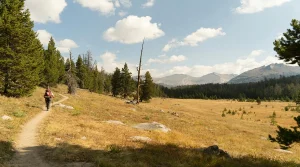
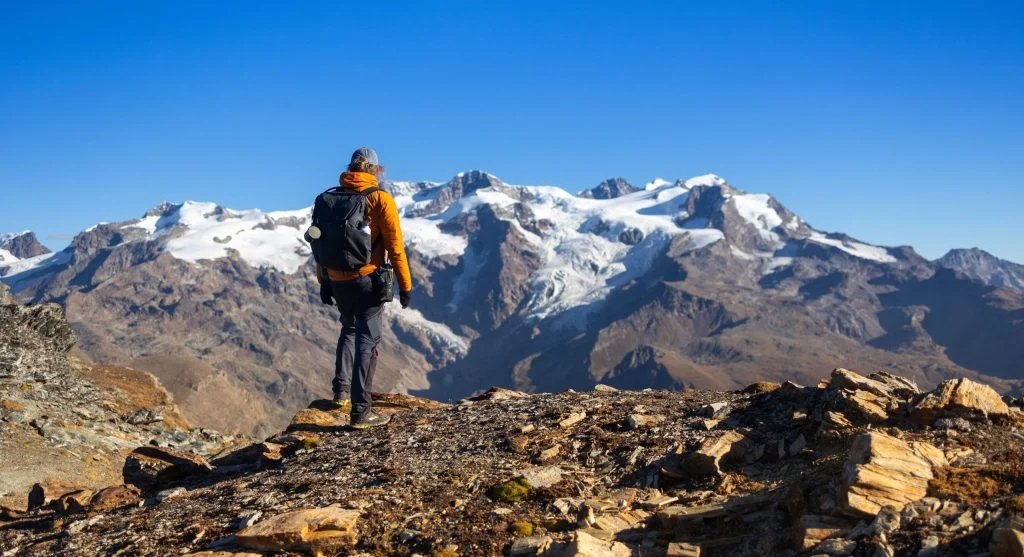
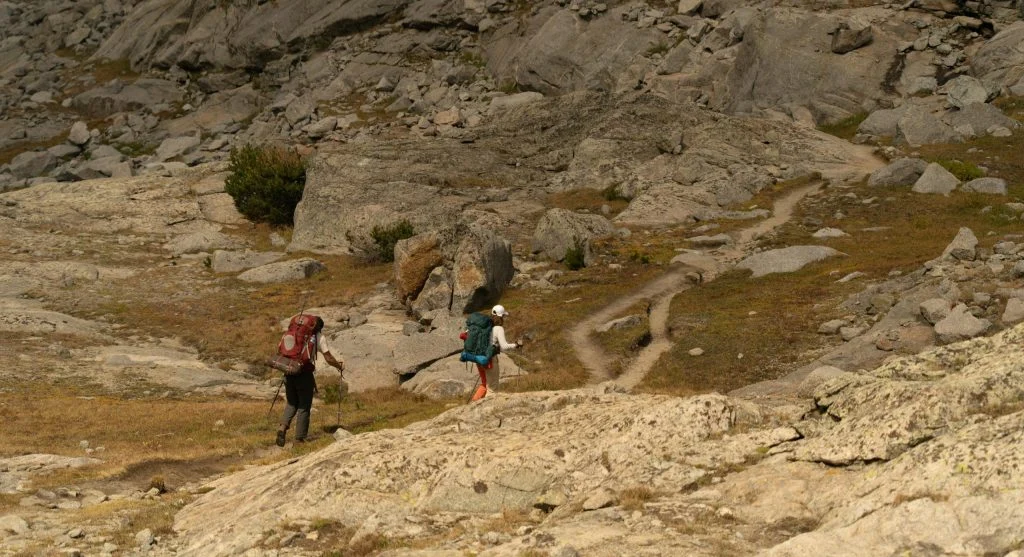
Outdoor instructors often explain that open routes tend to reveal more sky, more distance, and a clearer line of movement. Forest trails often do the opposite. They soften the day, but they also break the route into smaller, more textured sections that can feel slower to walk through.
How shaded hiking trails change body comfort
Shade often makes the most obvious difference. On warm days, forest trails feel cooler and slower partly because the body is not carrying the same direct heat load that it would on an exposed path. This can make movement feel more sustainable, especially over longer distances or during the brighter part of the day.
Outdoor health educators often note that cooler does not always mean faster. When the trail feels more comfortable, hikers may naturally relax pace, stop noticing time as much, or move with a softer rhythm than they would on a sun-exposed route.
Why does the forest ground often slow the hiking rhythm
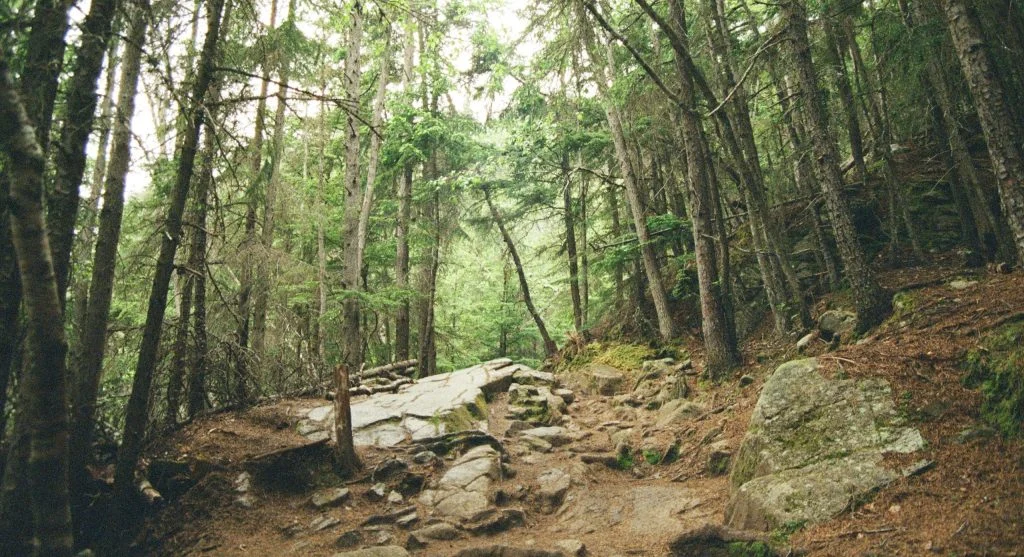
Forest trails often include roots, leaf cover, softer soil, small rocks, and uneven tread that require more attention than open hard-packed routes. Even when the trail does not seem difficult, these surface changes can interrupt smooth forward movement. Forest trails feel cooler and slower partly because the ground often asks for a more careful step pattern.
Movement educators often explain that hikers may not feel especially strained on these paths, yet pace still drops. The body spends more time reading the surface, adjusting landings, and correcting balance. That extra work often changes speed without creating one dramatic obstacle.
How does softer light change trail time perception
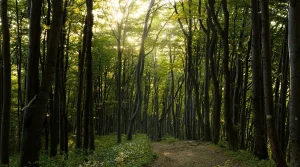
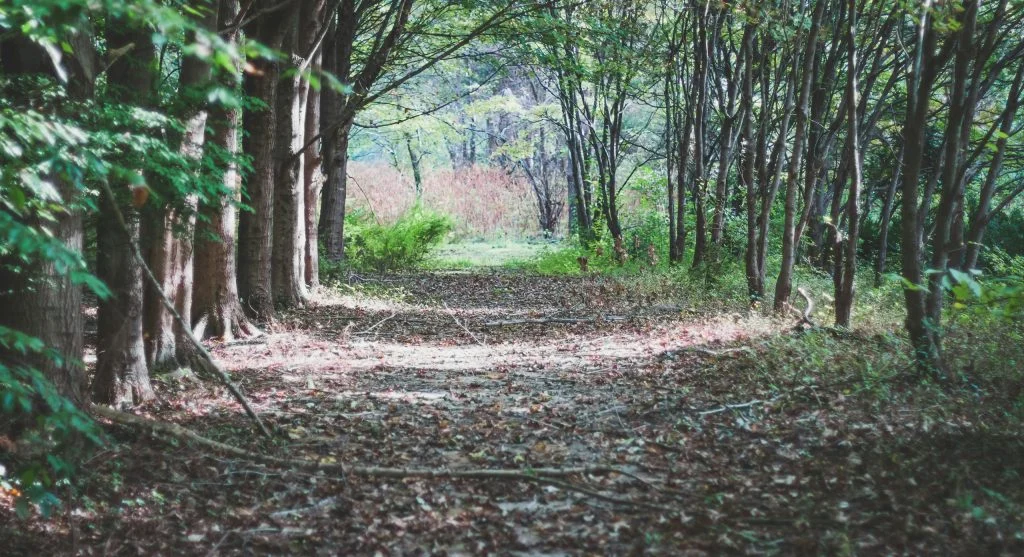
Light affects how a trail feels. Open routes often feel visually direct because the sky is brighter, the distance is easier to read, and the path may look more continuous. Forest trails often filter light through trees, which softens visibility and makes the route feel more enclosed. This can make time feel different even when the pace difference is small.
Outdoor psychologists often explain that people experience distance differently when the route unfolds in smaller visual pieces. Under tree cover, the trail often feels less exposed and more contained. That can make it feel calmer, but it can also make progress feel less obvious.
Why open routes often feel faster even when they are not easier
Open routes often create a stronger feeling of forward movement because hikers can see farther ahead. That visibility can make the trail seem more direct and more efficient. Forest trails feel cooler and slower partly because they hide more of the path, curve through tighter surroundings, and give less visual proof of progress at any one moment.
Outdoor recreation specialists often note that this does not always mean open routes are physically easier. In hot or windy conditions, open routes can feel far more demanding. The important point is that visibility and exposure change how the trail feels, not just how hard it is.
How does moisture and softer soil change walking pace
Forested trails often hold moisture longer than exposed terrain. Even on dry days, the soil under trees may stay softer, darker, or less compact than ground in full sun. This often changes traction and push-off in subtle ways. The trail may not feel muddy, yet it still may not support the same easy stride as a drier open path.
Trail safety specialists often explain that these quiet surface differences matter because they affect hundreds of steps across a full hike. A slightly softer trail often becomes a slightly slower trail, even when hikers do not fully notice why their pace has changed.
Why forest sounds can slow the feel of the trail
Forests often invite a different kind of attention. Bird calls, leaf movement, filtered wind, and quieter surroundings can all encourage hikers to slow mentally as well as physically. Forest trails feel cooler and slower, partly because they often shift the outing away from pure forward movement and toward observation.
Naturalists often note that this is one reason many hikers prefer wooded routes. The slower feel is not necessarily a drawback. It often becomes part of what makes the trail feel restorative and more immersive than an exposed route on the same day.
How hikers can plan better for trail comfort differences
Hikers often benefit from expecting wooded routes to feel more sheltered, but not always quicker. Forest trails may protect the body from heat and direct sun while still asking for more attention to footing and pace. Open routes may feel more direct and visually faster while also carrying more heat or wind exposure.
Outdoor instructors often recommend thinking about both comfort and movement style before choosing a route. A cooler trail may still take a little longer. A more open trail may feel faster but ask more from the body in other ways. Once hikers accept that tradeoff, route planning often becomes much more realistic.
Why forest trails feel cooler and slower in a useful way
The slower feel of a forest trail is not always a problem to solve. In many cases, it is part of the value of the route. Cooler air, filtered light, softer sound, and more deliberate movement often create an experience that feels less rushed and more connected to the surroundings.
Outdoor educators often explain that hikers usually benefit when they stop assuming faster-feeling trails are always better and slower-feeling trails are always harder. Forest trails feel cooler and slower because they offer a different kind of hiking experience, one that often rewards patience, observation, and steady movement more than visible speed.
Frequently Asked Questions
Q: Why do forest trails feel cooler than open routes?
A: Tree cover reduces direct sun and often creates a more sheltered environment. That usually makes the air and ground feel more comfortable, especially on warm days.
Q: Why do forest trails feel slower?
A: Forest routes often include roots, softer ground, leaf cover, and less visible distance ahead. These factors usually create a calmer but slower walking rhythm.
Q: Are open routes always faster?
A: Not always. They may feel faster because the route is more visible, but heat, wind, and exposure can make them more tiring than forest trails in other ways.
Q: Should hikers choose forest trails or open routes?
A: It depends on the goal of the hike. Forest trails often offer cooler comfort and a slower pace, while open routes may feel more direct but less sheltered.
Key Takeaway
Forest trails feel cooler and slower because shade, softer ground, roots, and filtered light all change how hikers experience movement. Open routes may feel faster because they reveal more distance, but they often ask more from the body through heat and exposure. Understanding these trail comfort differences helps hikers choose routes that fit the day more realistically.