
Many hikers do not notice a trail getting harder the moment conditions begin to change. More often, they first notice that walking no longer feels as smooth as it did a few minutes earlier. Steps become slightly shorter, balance corrections happen more often, and the natural rhythm of the hike starts to fade. By that point, the route has usually been changing for a while.
Outdoor educators often explain that trail awareness skills are not only about reading maps and signs. They also involve noticing how the body is responding to the ground, slope, weather, and pace. Movement specialists likewise note that the body often senses subtle trail difficulty before the mind can clearly describe what changed.
Why hikers often notice a trail getting harder too late
The body usually adapts to trail changes one small step at a time. If the route becomes rougher, steeper, hotter, or less stable, hikers often keep moving without fully registering the difference at first. The trail getting harder may not look dramatic, so the brain continues treating it like the same easy section it was already expecting.
Outdoor instructors often explain that this delay happens because hikers trust the recent pattern of the trail. If the last part felt simple, the next part is assumed to feel similar. That expectation can last longer than it should, especially when the route changes gradually rather than all at once.
How hiking rhythm changes reveal the problem first
One of the clearest clues is a change in rhythm. Smooth walking often depends on steady push-off, balanced landings, and predictable timing between steps. When hikers begin noticing that their steps feel less smooth, the trail getting harder is often already underway. The body may be doing more correction work than before, even if the reason still seems unclear.
Movement educators often explain that rhythm is useful because it reflects many trail factors at once. Surface, slope, fatigue, and exposure all affect how naturally the body moves. A break in rhythm often means the environment is asking more from the hiker than it was earlier.
Why subtle surface changes often start the problem
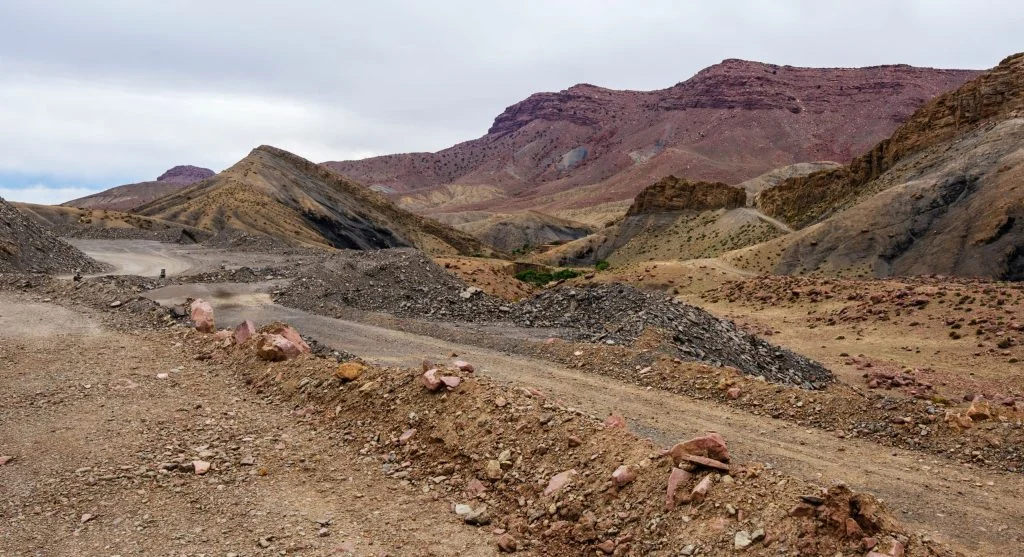
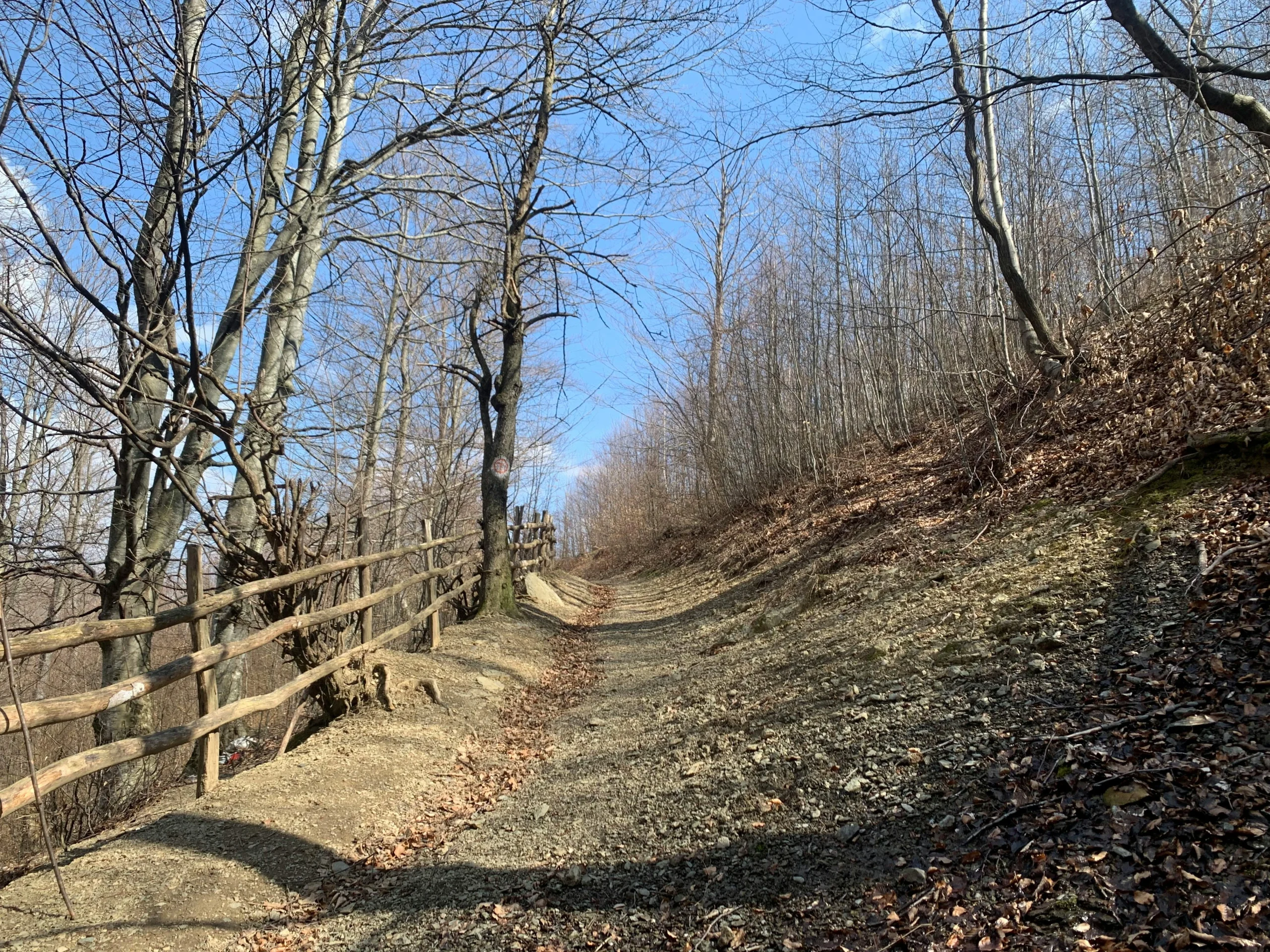
Surface changes are one of the most common reasons a trail getting harder goes unnoticed. Smooth dirt may shift into scattered rocks, packed tread may turn dusty, or leaf cover may begin hiding the true shape of the ground. None of these changes looks dramatic from a distance, but each one can make the body work harder.
Trail safety specialists often note that hikers usually notice the result before the cause. They feel slower or less steady first. Only later do they recognize that the surface became looser, rougher, or less predictable several minutes earlier.
Credit: Pixabay / Pexels
How small grade changes affect comfort more than expected
A route does not need a major climb to begin feeling harder. Even a mild uphill grade held over time can shift breathing, stride, and energy use. The trail getting harder may therefore have little to do with obvious steepness and more to do with a small change that never fully stops.
Fitness specialists often explain that repeated moderate effort often feels more tiring than hikers expect because it stays just below the level that demands full attention. The body notices it through heavier movement before the mind labels it as a climb.
Why exposure changes can make steps feel less smooth
The environment around the trail can change without the route shape changing much at all. Shade may disappear, wind may increase, or direct sun may stay on the body for longer stretches. A trail getting harder can therefore come from exposure rather than from terrain alone. When comfort drops, movement often becomes less relaxed and less efficient.
Outdoor weather educators often explain that hikers frequently underestimate this effect because they focus on distance and elevation first. Yet open sun, shifting wind, or cooler exposed sections can all affect step rhythm and energy even on moderate ground.
How fatigue makes subtle trail difficulty harder to read
Later in the hike, subtle changes become harder to notice because the body is already less fresh. A surface that would have felt easy earlier may now require more attention. A small climb may seem larger. The trail getting harder often becomes more obvious late in the day because fatigue reduces how quickly the hiker can adapt.
Outdoor safety educators often note that this does not mean the trail suddenly became dangerous. It often means the hiker’s ability to absorb quiet changes has become thinner. That is why strong trail awareness skills matter just as much on the second half of a familiar route as they do at the start.
Why hikers sometimes blame themselves instead of the trail
When steps stop feeling smooth, many hikers assume they are simply getting tired for no reason. Sometimes that is true, but often the route has changed first. The trail getting harder may be the real cause, while the hiker only notices the tired feeling that follows. This can lead to frustration because the body seems to be struggling on what still looks like an easy section.
Outdoor coaches often explain that understanding the trail’s role usually helps morale. Once hikers realize the ground, grade, or exposure has changed, they can adjust more calmly instead of feeling as though they are failing to handle a route that should still feel simple.
How hikers can notice the change sooner
Many hikers improve by checking in with movement instead of waiting for stronger discomfort. If stride shortens without intention, if balance corrections happen more often, or if the feet stop landing as cleanly as before, the trail may already be changing. These signs usually appear before a full slowdown becomes obvious.
Outdoor instructors often recommend one small question: does this section still support the same movement pattern as the last one. That question often helps hikers notice surface, grade, and exposure changes while they are still minor enough to manage easily.
How early adjustment keeps the trail feeling manageable
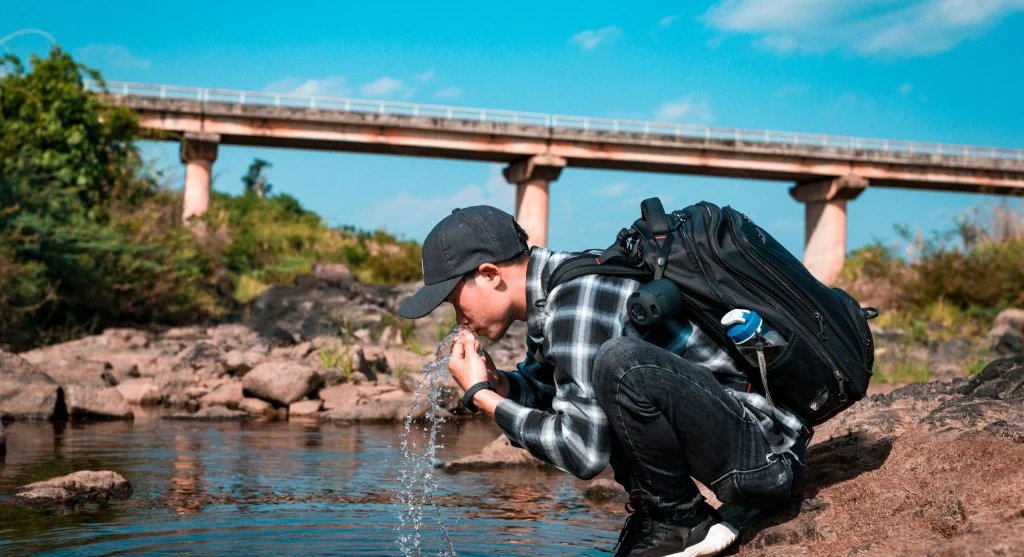
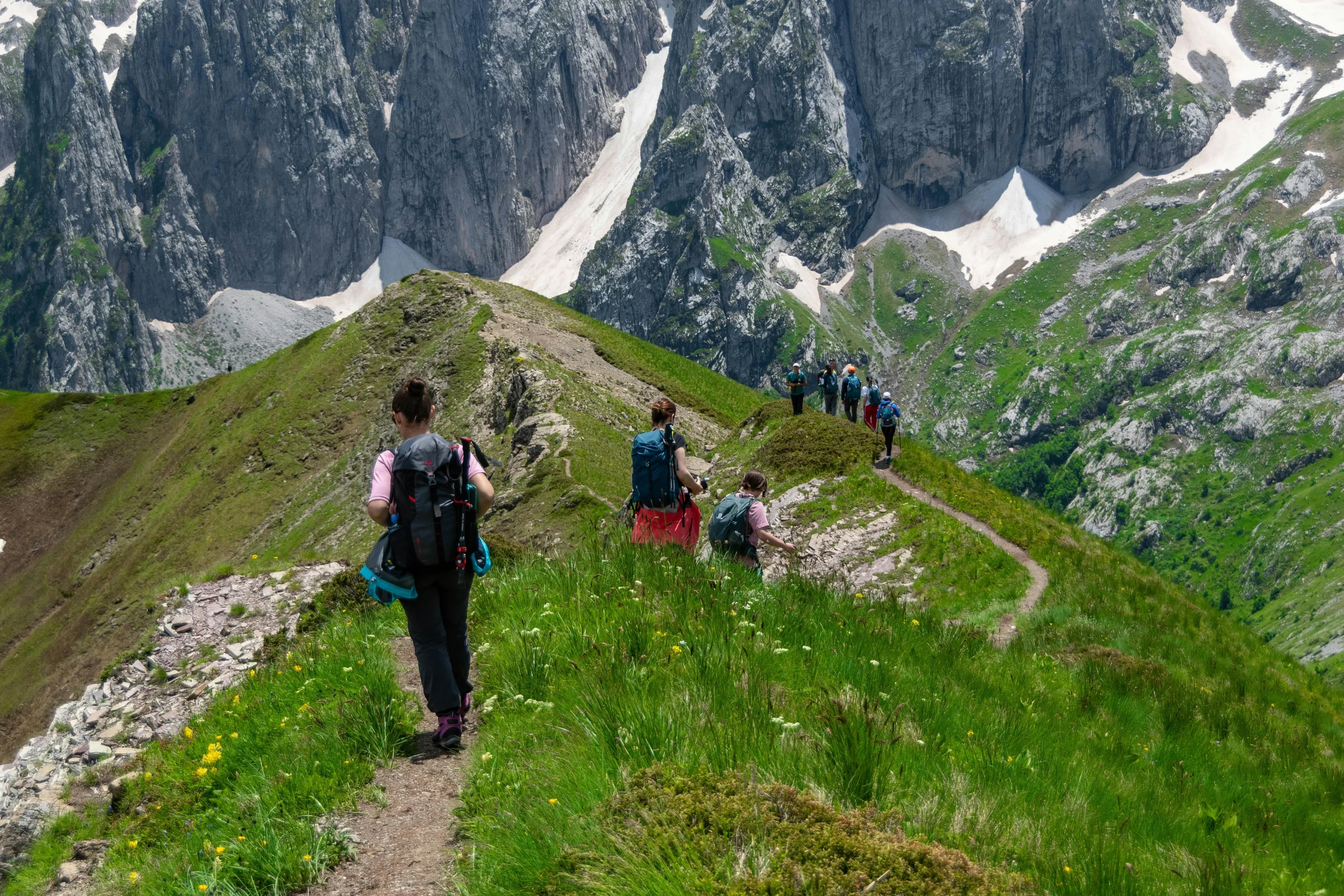
Once hikers recognize that the trail is getting harder, the best response is often small. A slightly slower pace, shorter steps, more careful footing, or a quick water check may be enough. The goal is not to overreact. The goal is to match the body to the trail before the mismatch grows.
Movement specialists often explain that early adjustment usually saves more energy than late correction. If hikers respond while the change is still small, the next section often feels much smoother than it would have if the old pace and stride had been forced onto the new conditions.
Credit: Simon Migaj / Pexels
Frequently Asked Questions
Q: What is the first sign that a trail is getting harder?
A: A common early sign is that walking stops feeling smooth. Steps may become shorter, rhythm may break, or balance corrections may happen more often than before.
Q: Why do hikers notice the effect before the cause?
A: Because subtle surface, grade, and exposure changes often happen gradually. The body responds right away, but the mind may need more time to identify what changed.
Q: Does this happen on easy trails too?
A: Yes. Easy-looking trails can still shift in small ways that affect pace and comfort. The route does not need to become steep or technical for the body to feel the difference.
Q: What should hikers do when steps stop feeling smooth?
A: Many hikers do better by slowing slightly, shortening stride, and paying closer attention to the trail surface and slope. Small early adjustments often help the most.
Key Takeaway
Hikers often notice a trail getting harder only after their steps stop feeling smooth because the body responds to subtle trail difficulty before the mind fully explains it. Changes in surface, grade, exposure, and fatigue often show up first through broken rhythm and smaller corrective movements. Better trail awareness skills usually begin by trusting those early movement clues and adjusting before the route demands a bigger response.